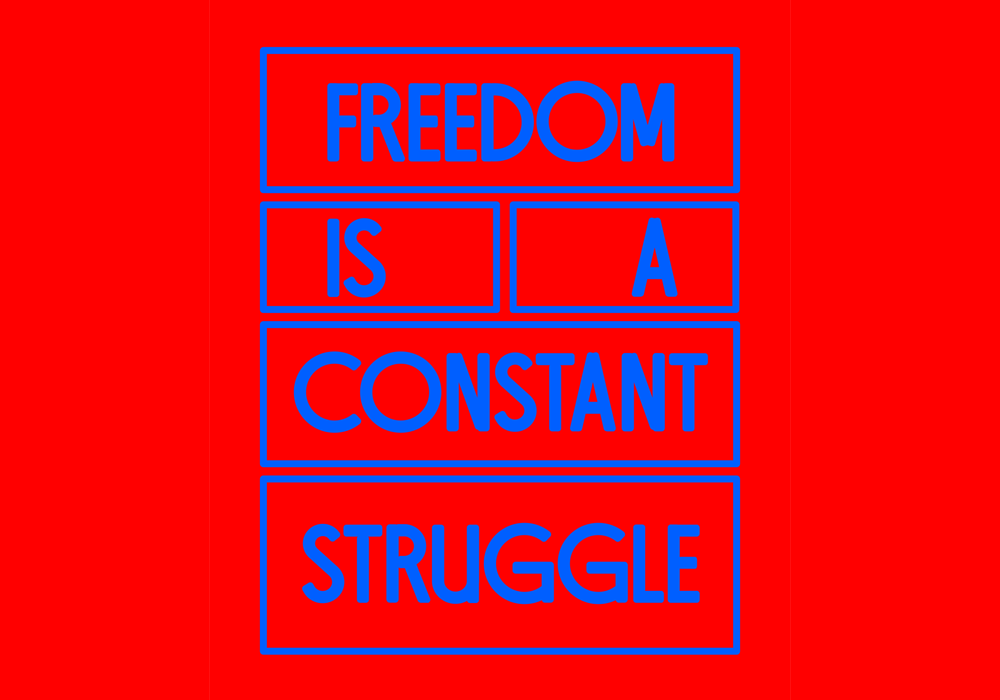
Episode 4: Freedom is a Constant Struggle
Do art forms like black radical poetry, free jazz and improvisation create a space for the performance of freedom? Did they ever? And can they still do so now?
Arika have been creating events since 2001. The Archive is space to share the documentation of our work, over 600 events from the past 20 years. Browse the archive by event, artists and collections, explore using theme pairs, or use the index for a comprehensive overview.
Do art forms like black radical poetry, free jazz and improvisation create a space for the performance of freedom? Did they ever? And can they still do so now?
How do you know what you want? Should freedom be doing what you ought, not doing what you want? How might a philosopher and artist turn this thinking into an enabling condition in the context of noise and improvisation?
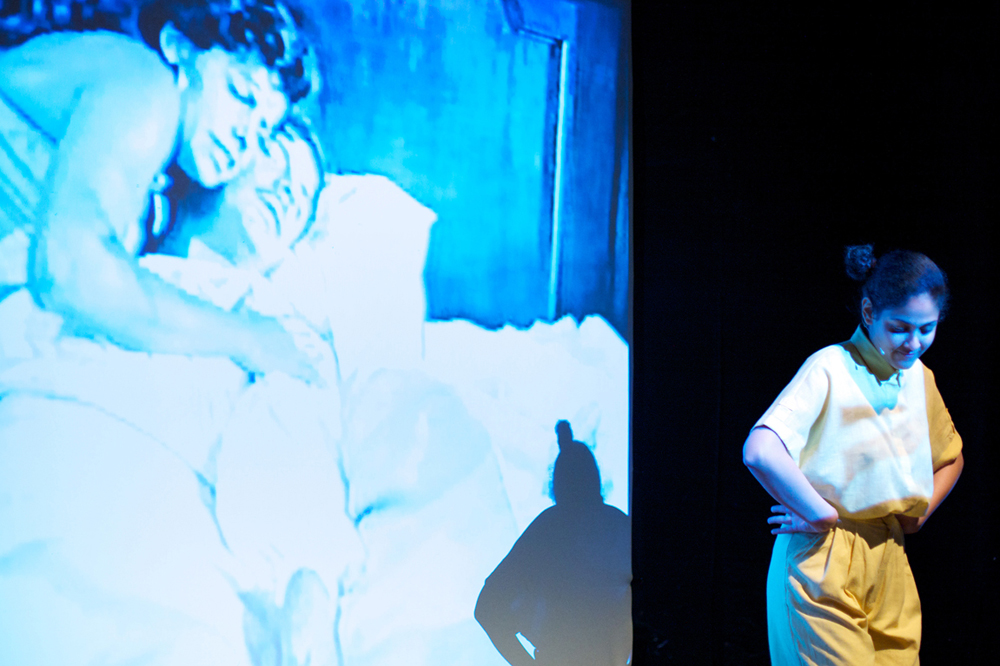
A performed film lecture exploring how the ‘Rumberas’ of Caribbean cinema of the 40’s and 50’s subverted demeaning images of themselves through dance, sound and a sociality that insisted on blackness as being a cultural performance, not simply due to skin colour.
Glasgow. Free-playing quartet of bass/ cello/ voice from The Glasgow Improvisors Orchestra and Age Of Wire & String.
Join activists, academics and artists as they reflect on abolitionist praxis and thought, exploring covergences with gender, poetry, technology, performance, speculation, aesthetics, film and culture. This series of events commemorates Black August and is for anyone who wishes to answer the abolitionist call to action and thought.
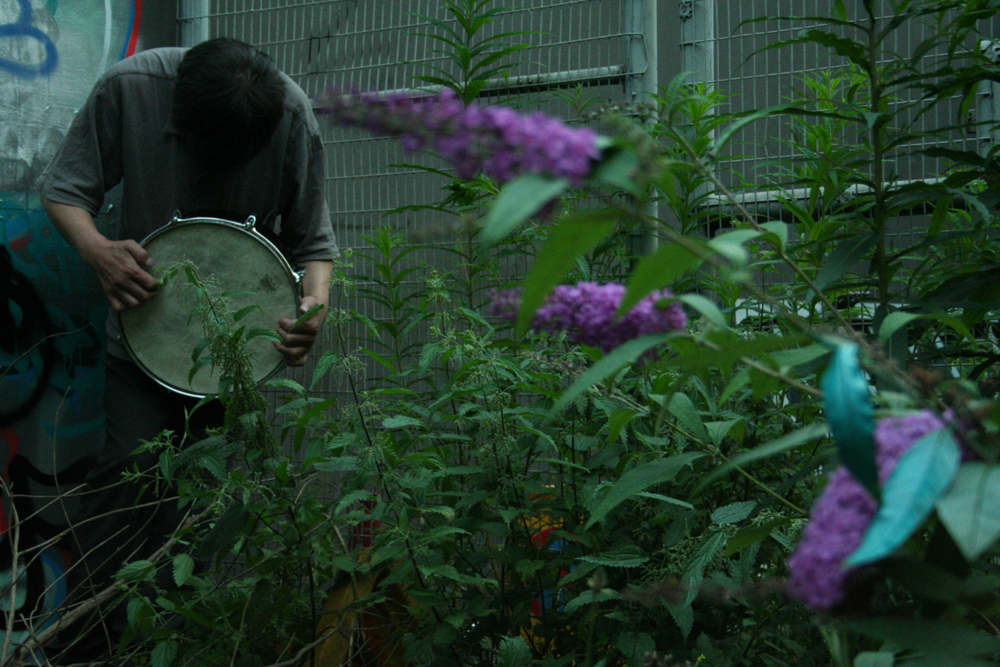
The site of the former Abbeyhill Station on the 1903 Leith branch of the Edinburgh and Dalkeith railway, overgrown and leading to as yet un-regenerated ‘wasteland’; taxi’s for 80 people, each instructed to take different routes between locations and; a slice of land concealed behind corporate business park branding off the Wester Approach Rd, apparently of no conceivable use and named ‘Chateaux de Scum’ by those who use it anyway.
Perhaps the paradigm of America’s covert musical subculture, Sun City Girls operate just over the border of raucous delirium.
Can we find ideas of queer anarchism, failure and low theory in popular culture?
Repetitive, mesmerizing rhythmic workouts, to pieces of stark and rigorous introspection, where notes picked and slid in isolation, scatter like mercury around the listener.
Work that focuses in on the static hiss and background noise of recording and pushes it to the fore.
Blissed-out sun-dappled drone ragas of the highest order, with a metal-tinged signature sound of plucked and bowed strings.
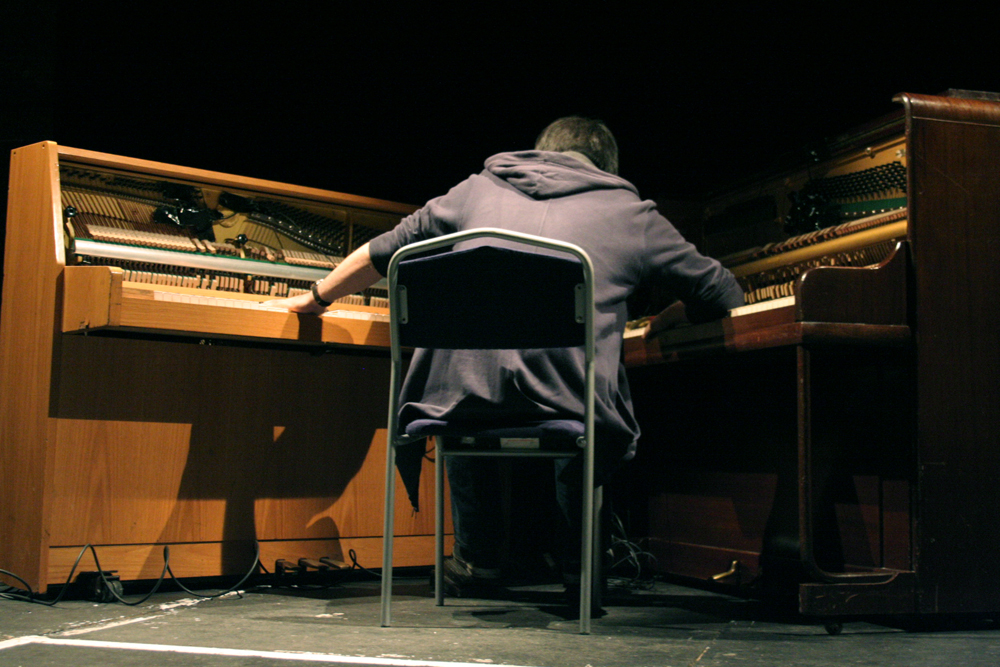
Sachiko’s very simple, pure sine tones and structures. Otomo on double pianos. Filament’s music isn’t composed and it isn’t improvised: it’s a hybrid of the two.