William Parker
William Parker
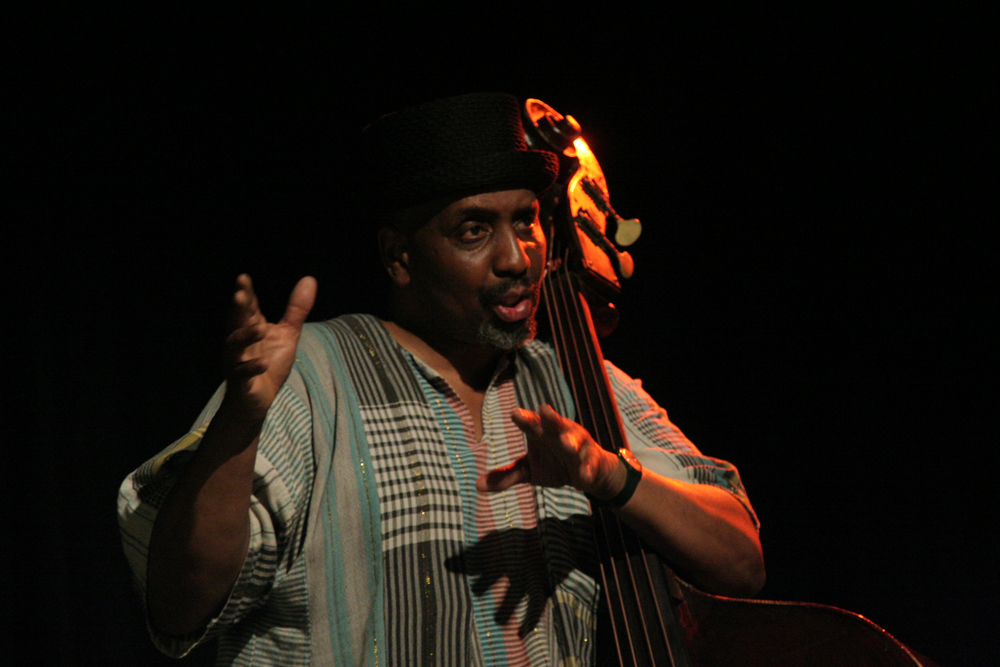
William cradles, hammers, and rains down blows, plucking and using 2 bows to attack the strings above and below the bridge, all in the service of a fiery and passionate creativity.
Arika have been creating events since 2001. The Archive is space to share the documentation of our work, over 600 events from the past 20 years. Browse the archive by event, artists and collections, explore using theme pairs, or use the index for a comprehensive overview.
William cradles, hammers, and rains down blows, plucking and using 2 bows to attack the strings above and below the bridge, all in the service of a fiery and passionate creativity.
A chat with Eugene Thacker. Can we rethink the world as unthinkable, and without us?
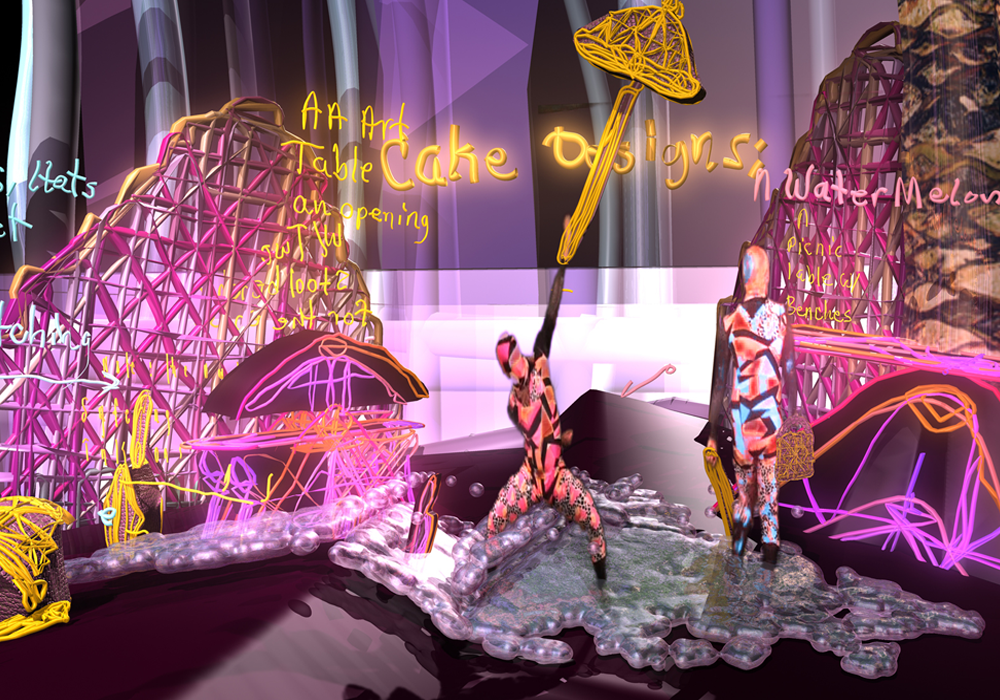
Emotional fantasies, towers of cakes, identity troubles, collapsed distance and time and Samuel R. Delany’s rarely seen 1971 film The Orchid.
A celebration of the release of four books written by members of, and focused on about the House and Ballroom scene.
An open conversation hosted by Saidiya Hartman and Fred Moten around ‘fugitivity’ and ‘waywardness’ and what it means to be in flight, excessive or ungovernable.
A celebration of our overabundant social entanglement and complicity, that remind us of how we can see ourselves, stripped of powers’ attempts to grasp us.
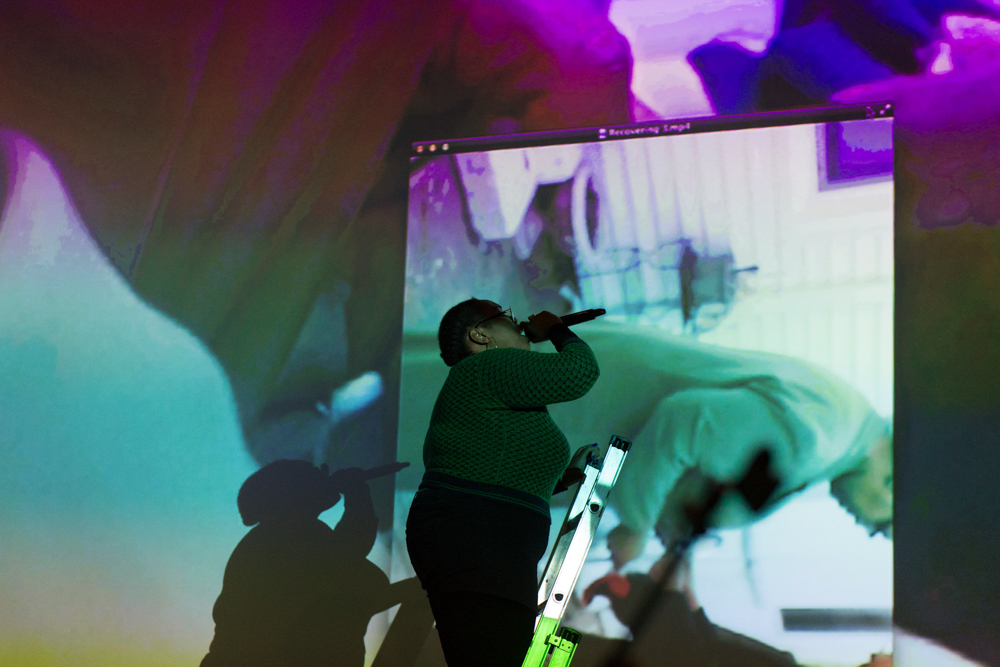
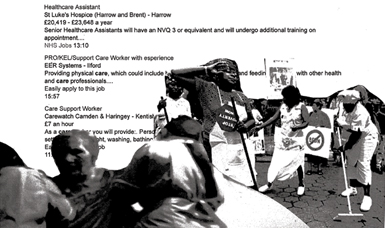
First in a series of workshops for workers and non-workers who care. Does work that asks us to be attentive to the needs of others force us to sell our capacity for kindness?
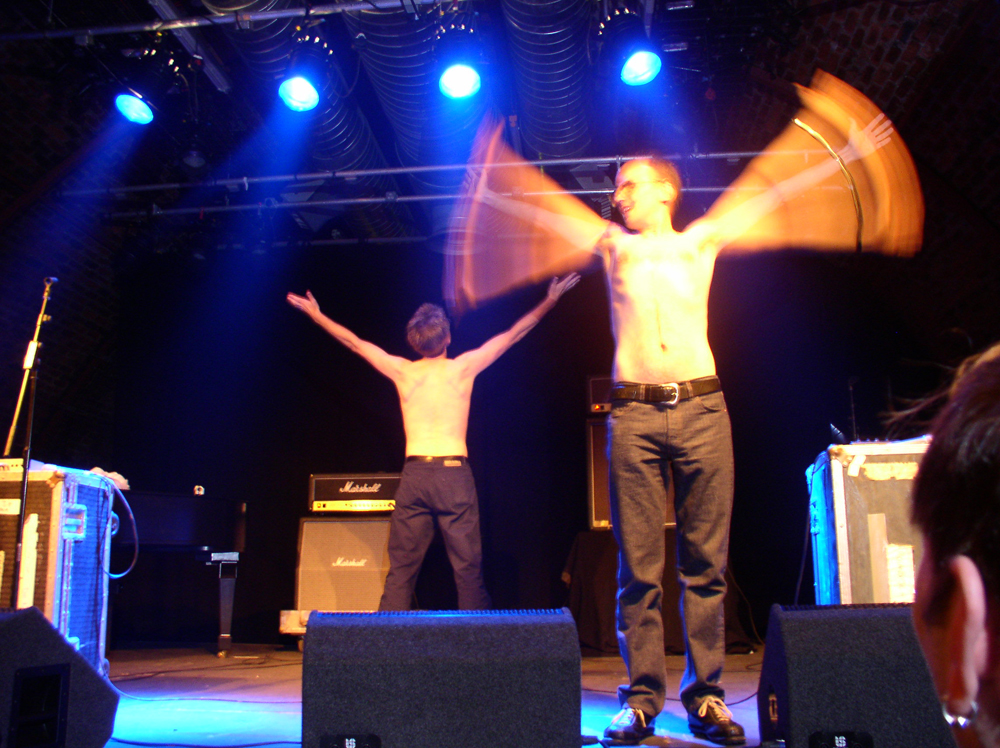
Formed as a means to realise William Bennett’s goal of “a sound that could bludgeon an audience into submission”
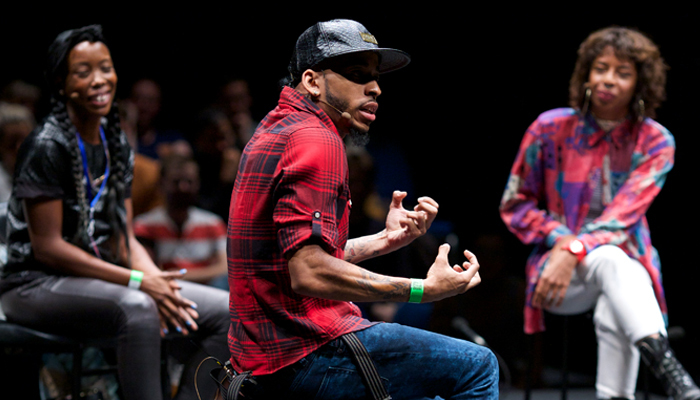
A freestyle performed conversation for bodies and voices – with the Queen of Krump, the master of Vogue Femme Dramatics and the rising star of Vogue Women’s Performance.
The first of two workshops that highlight correspondence as a way of working. Somewhere between song, speech, and logistical arrangement, these workshops invite participants to consider care as infrastructure.
Each of these films addresses place, landscape or location and the personal reaction to their magical or concrete properties. Watch out for Kren’s structural, throbbing investigation of a forest and Baillie’s intimate and humble essay on a blind guitarist and the relationship between songs of Mexican revolutionaries and the people and places they looked to inspire.
The mutability of the body and the mobility of identity: queered pop culture, drag, lip-sync and performance.