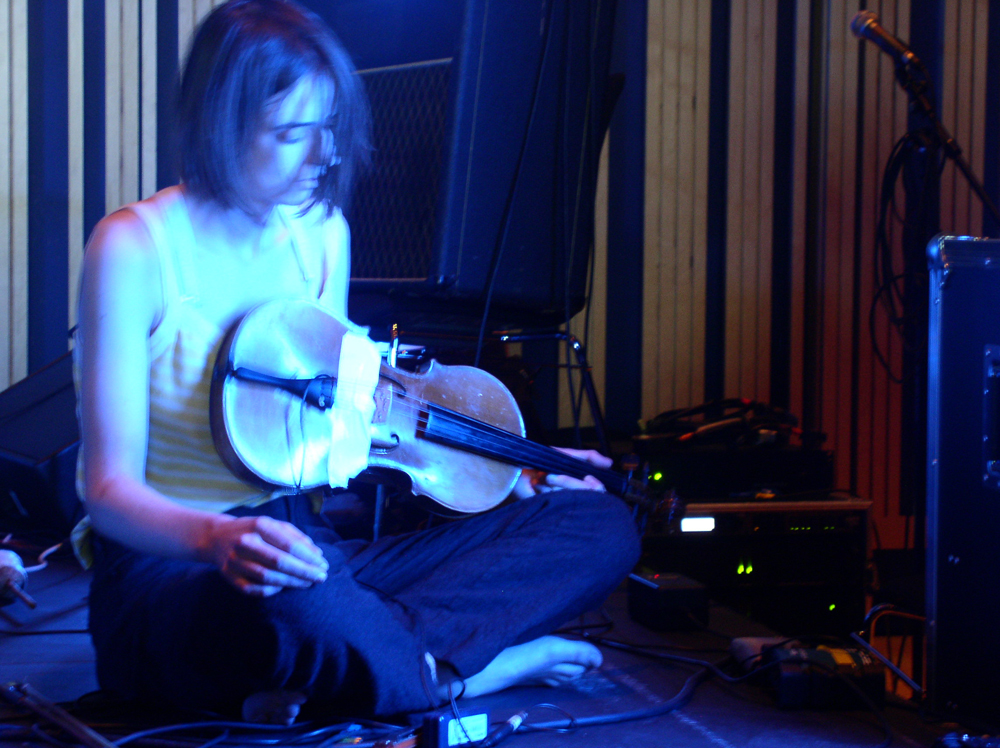
Paragon Ensemble / David Fennessy
Paragon Ensemble
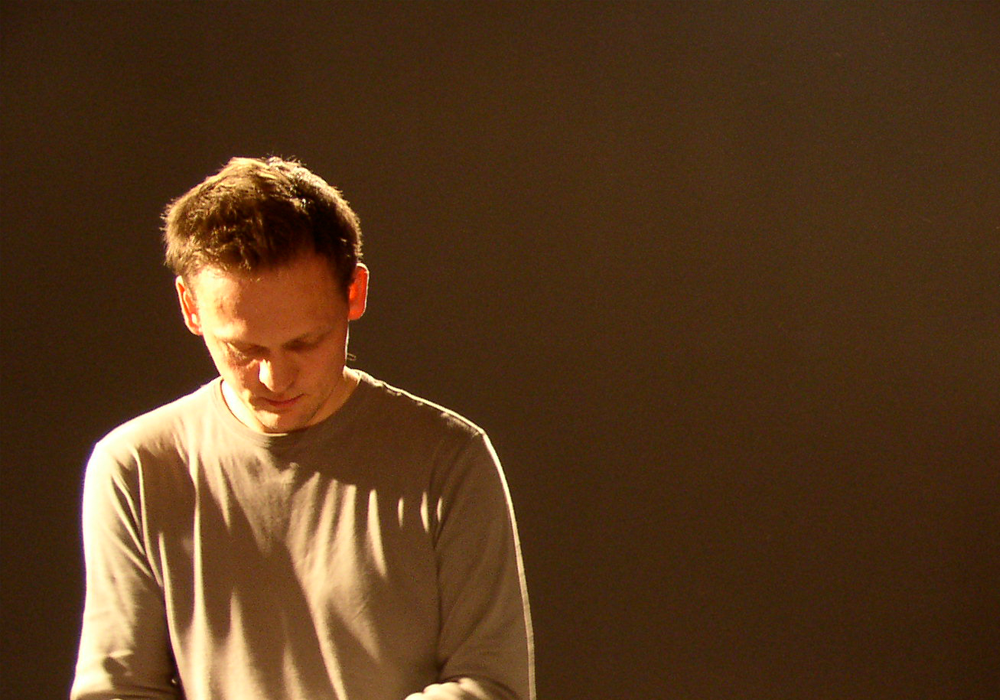
The Scottish based Paragon Ensemble has commissioned David Fennessy to compose music for Instal, which will be performed during the evening.
Arika have been creating events since 2001. The Archive is space to share the documentation of our work, over 600 events from the past 20 years. Browse the archive by event, artists and collections, explore using theme pairs, or use the index for a comprehensive overview.
The Scottish based Paragon Ensemble has commissioned David Fennessy to compose music for Instal, which will be performed during the evening.
A performance by Storyboard P – one of the greatest Afrofuturist dancers on the planet.
We commissioned Radu Malfatti to write a new piece for the 21-piece string section of the Northern Sinfonia: Music striving to discover the exact point at which sound resonates the clearest amidst long drawn out silences.
For day three of Ultra-red’s project, the investigation will take up protocols for listening to the sound of freedom composed and facilitated by Nancy Nevárez.
How might two of the great musicians working within contrasting traditions of freedom collaborate? What might this produce: musically, socially, allegorically?
Complex ways of understanding our complex times. Maths & Poetics. Gesture & Physics. Collectivist Struggle & Desire. 5 days of performances, discussions, screenings and study sessions.
“Mackey composes realist-mythic layering of lyrical prose unlike anything being written today.” — New York Times. “Our greatest living epic poet…Mackey’s poetry and criticism have reinvented modernism for our time.”— LitHub
Rhodri Davies plays two deconstructed harps. Lee Patterson examines the sonic properties of burning nuts.
An audio and video investigation of gender cults, Catholicism, hauntings and nuns’ use of audio devices…
Sean and Taku share an interest in structure, space and time. A spartan, abstract, considered and surprisingly musical set.
The Songspiels take on a mode of musical theatre developed by playwright Bertolt Brecht and composer Kurt Weill in the early twentieth century, presenting political and social concerns through the accessible and (often funny) form of song.
How does this practice, that simultaneously resists and honours the distinctions between these genres, materials and senses, determine the inhabitation of another: a convergence of aesthetic and social experimentation?