Why improvised music is so boring
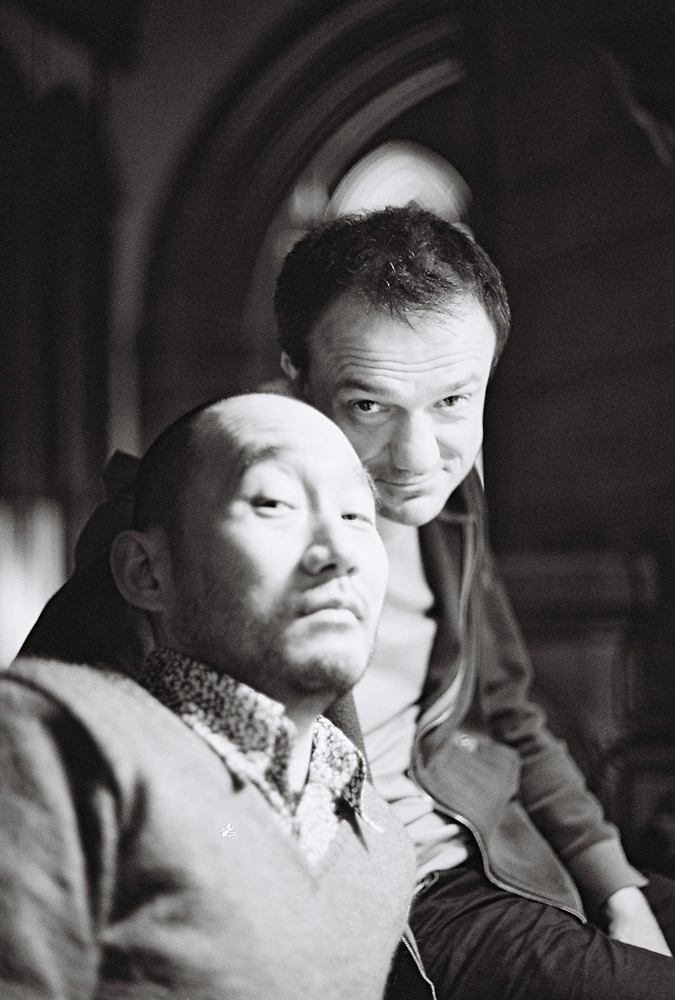
Diego Chamy Jean-Luc Guionnet Seijiro Murayama
An improvisation that may or may not involve (typical) improvisation.
Arika have been creating events since 2001. The Archive is space to share the documentation of our work, over 600 events from the past 20 years. Browse the archive by event, artists and collections, explore using theme pairs, or use the index for a comprehensive overview.
An improvisation that may or may not involve (typical) improvisation.
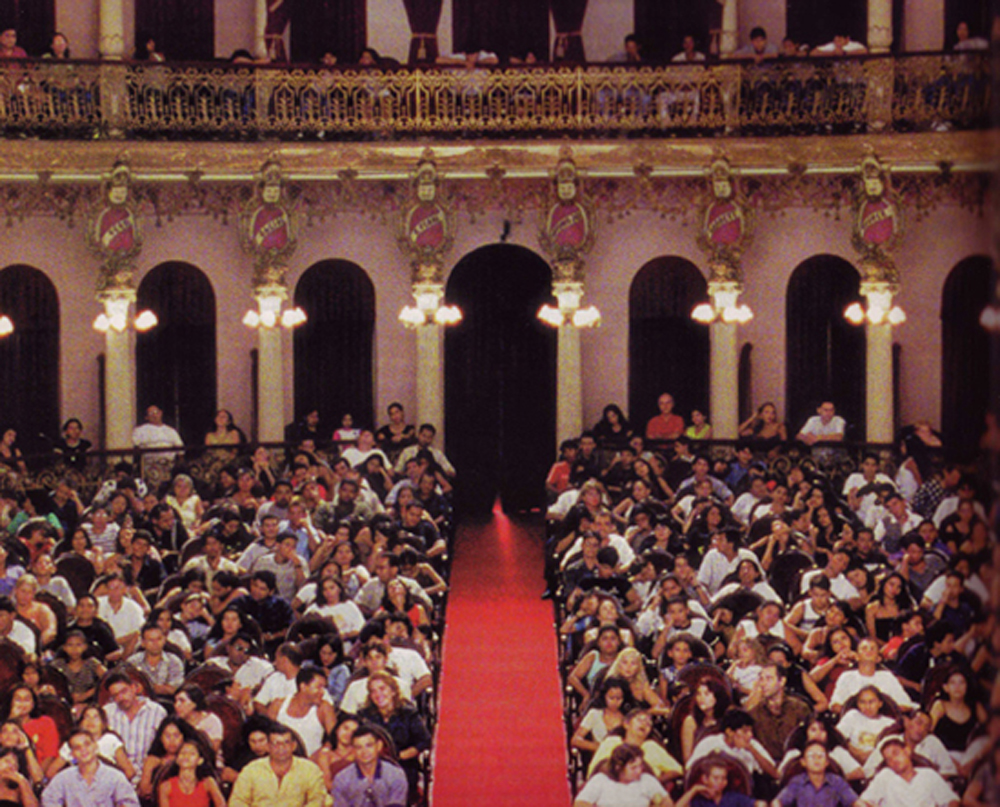
A double bill. A simple first person, Dundee-specific tracking shot that approaches the cinema/ screen/ space the film will eventually be shown in and in Brazilian opera house, a fixed camera gazes at a local audience from the stage: a choir, hidden in the orchestra pit, sings and gradually fades to silence.
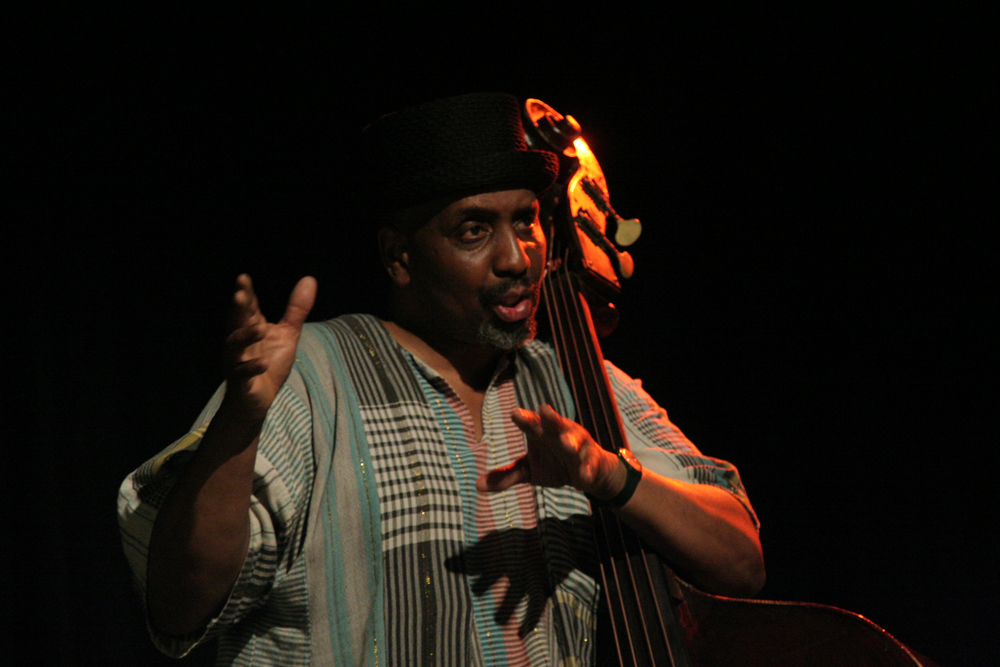
William cradles, hammers, and rains down blows, plucking and using 2 bows to attack the strings above and below the bridge, all in the service of a fiery and passionate creativity.
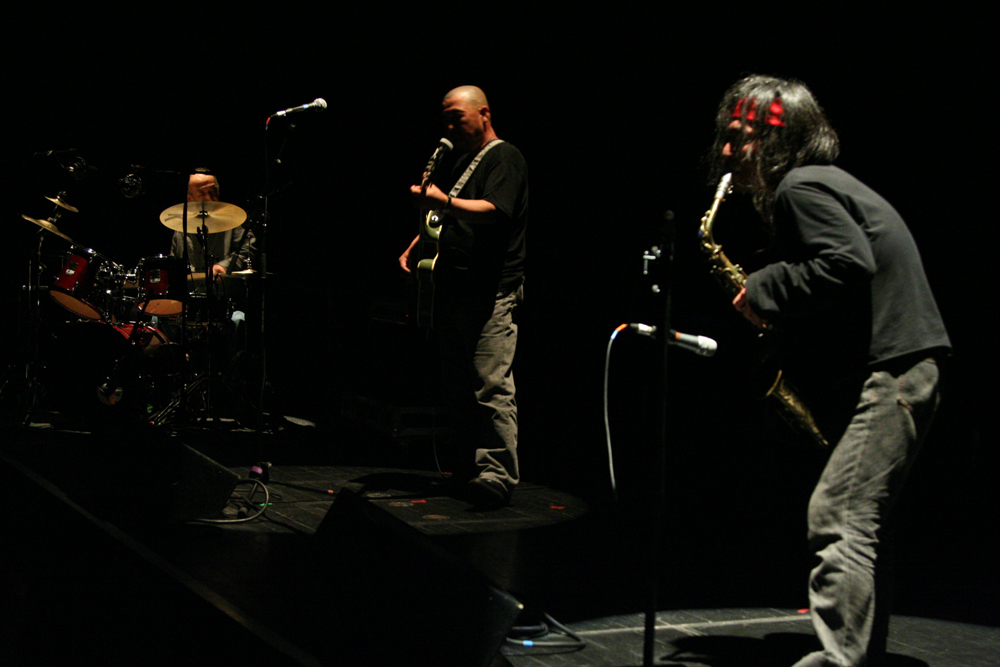
HEAVY Japanese super group, featuring the sundown delta blues of Kan Mikami, Toshi Ishizuka’s heavy, time folding drumming and Masayoshi Urabe on sax, harmonica and chains.
If life is assaulted by power, where do we find spaces for living? A conversation with Peter Pál Pelbart.
Koji Asano, Japanese composer and sound-artist performing slow groaning burbling tones, moaning echoes and drones.
Brain boiling duo improvisation by great Japanese no input mixing desk pioneer Toshi Nakamura and french organ philosopher Jean-Luc Guionnet.
An audio and video investigation of gender cults, Catholicism, hauntings and nuns’ use of audio devices…
A collaborative performance where sound and image are created, performed and mediated by light, water and glass.
Organised by Twiggy Pucci Garcon and Pony Zion, The Masters Ball focuses on the work of 50 individuals designated within the scene as ‘masters’ in their respective performance categories, which include Vogue, Runway, and Face.
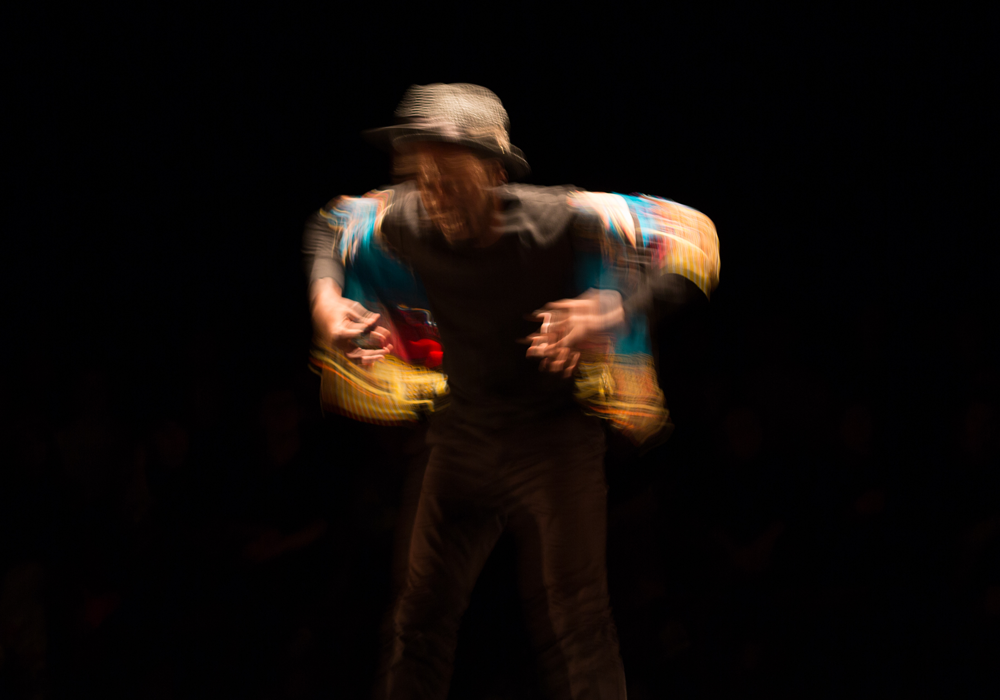
A performance by Storyboard P – one of the greatest Afrofuturist dancers on the planet.
How can we imagine bodies not as an end in themselves, but as a medium through which we can become one another’s means?