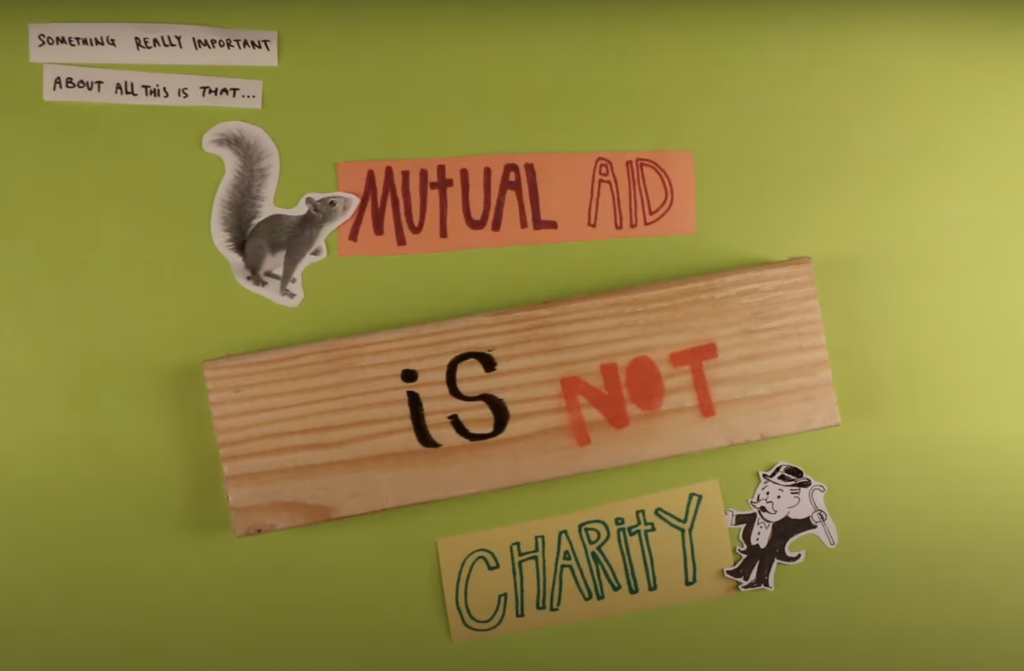
Gesturing to What is Possible: Drugs Users Supporting Each Other
Peter Krykant Aura Roig Juan Fernández Ochoa
Rather than asking the state for services, what kinds of change are made possible when we prioritise people supporting each other?
Arika have been creating events since 2001. The Archive is space to share the documentation of our work, over 600 events from the past 20 years. Browse the archive by event, artists and collections, explore using theme pairs, or use the index for a comprehensive overview.
Rather than asking the state for services, what kinds of change are made possible when we prioritise people supporting each other?
An improvisation that may or may not involve (typical) improvisation.
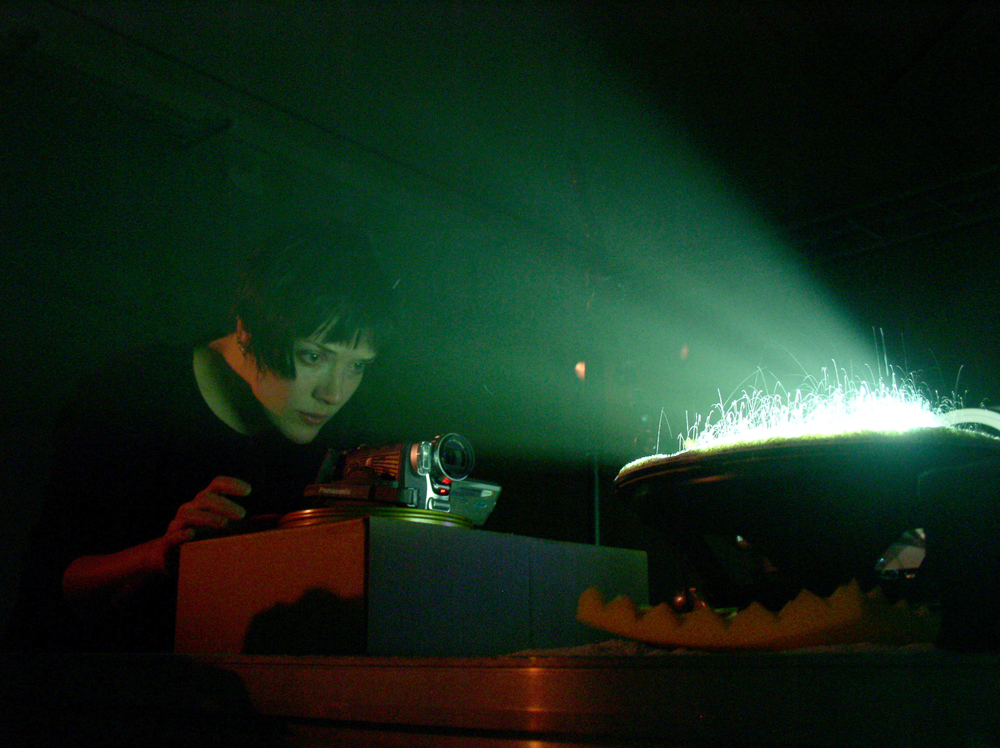
A performance for dry ice and four specially constructed steel tables, each one heated by a single candle until searingly hot.
A multi-speaker, electronic, spacious and spatial performance from Florian Hecker.
The Songspiels take on a mode of musical theatre developed by playwright Bertolt Brecht and composer Kurt Weill in the early twentieth century, presenting political and social concerns through the accessible and (often funny) form of song.
Ubuntu Women Shelter, National Ugly Mugs and the Sex Workers Union warmly invite you to a generative conversation (and Q&A) about the needs and rights of migrant sex workers in Scotland.
UK conceptual/ drone/ noise artist, who is seriously posing what might seem to be unanswerable questions of music.
In a moment of social exhaustion, we want to ask how we might care for each other differently. We Can’t Live Without Our Lives is a 5-day exploration of care as a form of struggle and resistance, with communities who embody it.
Andrew Chalk & Christoph Heemann return with their diaphanous, impressionistic drone duo; their slowly evolving and enthralling works flutter and quiver with elegantly restrained, miniature sound events.
Renouncing the bind of the written word, Chopin’s sound poetry is a magical evocation of the pure powers of the voices, stripped bare of language.
Expansive and considered, inclusive and deeply human minimalism: Antoine Beuger, Radu Malfatti, Manfred Werder.
How do you know what you want? Should freedom be doing what you ought, not doing what you want? How might a philosopher and artist turn this thinking into an enabling condition in the context of noise and improvisation?