Tetsuo Kogawa
Tetsuo Kogawa
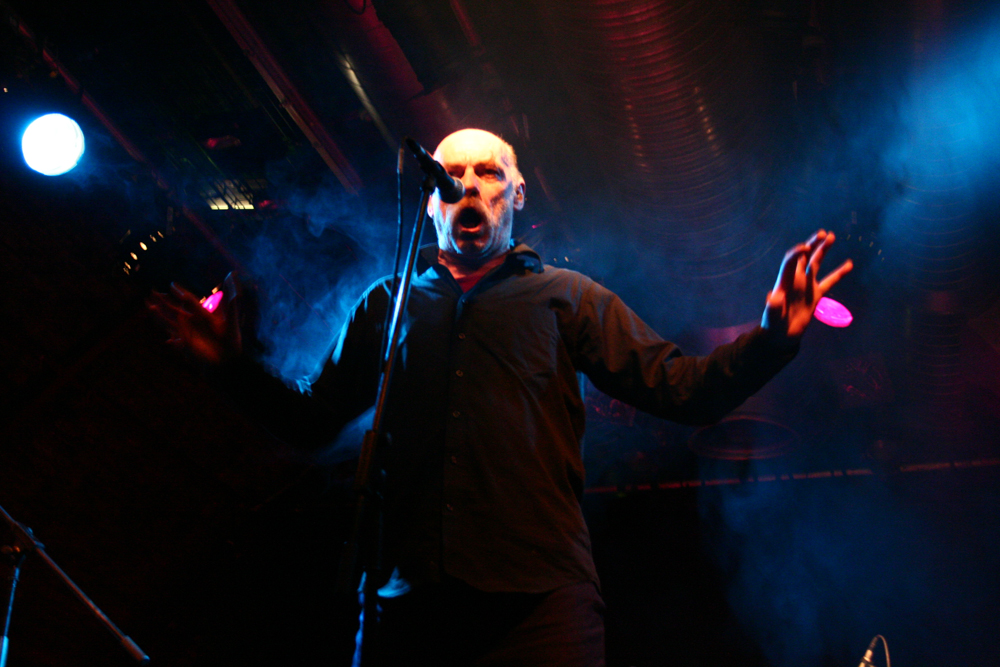
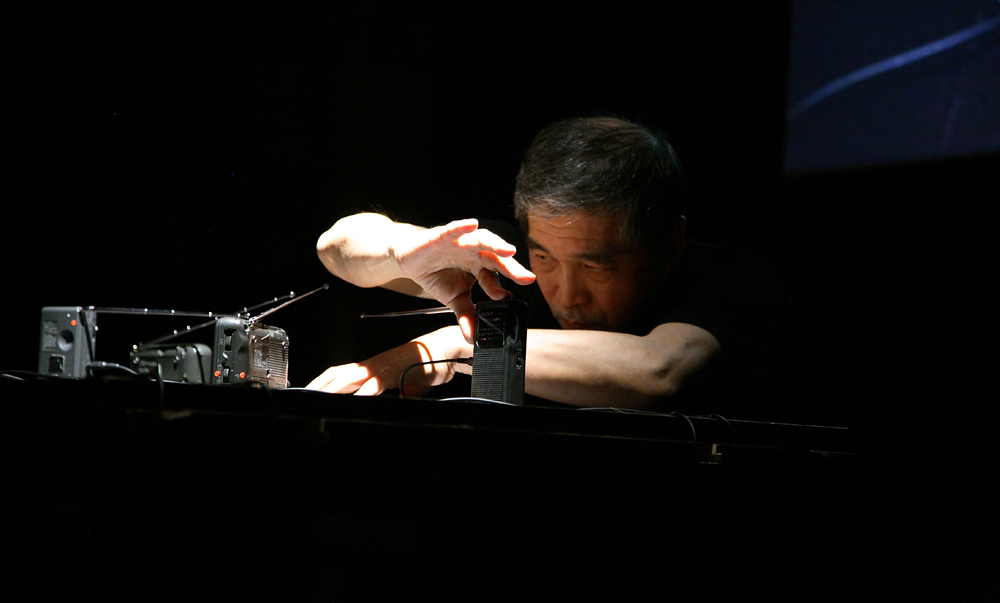
Performing with hand built radio transmitters, which react to interference in the atmosphere and the electrical impedance of his hands, his radio art is a form of social practice; a statement in opposition to mass media.
Arika have been creating events since 2001. The Archive is space to share the documentation of our work, over 600 events from the past 20 years. Browse the archive by event, artists and collections, explore using theme pairs, or use the index for a comprehensive overview.
Performing with hand built radio transmitters, which react to interference in the atmosphere and the electrical impedance of his hands, his radio art is a form of social practice; a statement in opposition to mass media.
Hartmut led “a workshop in the old-fashioned way of discussion, mutual exploration of ideas and samples; trying out what can be shared and where the fault lines show.”
Acoustic turntable, engines, trumpet and accordion joined by Bassist Magarida Garcia: build long-form quietly detailed pieces that clatter and rumble, that expand and contract with the tension and release of deeply held breath.
The 2006 INSTAL festival saw a broad selection of artists that included Blood Stereo and Ludo Mich, Ellen Fullman and Sean Meehan, Keiji Haino and Tony Conrad and a specially created performance by Maryanne Amacher.
Blood Stereo & Ludo Mich: linking past and present generations of DIY intuitive expression in a post fluxus ‘big mess’.
Noise music for the eyes: projectors turned into instruments, B&W film loops into a thrumming riot of colour, motion and sound.
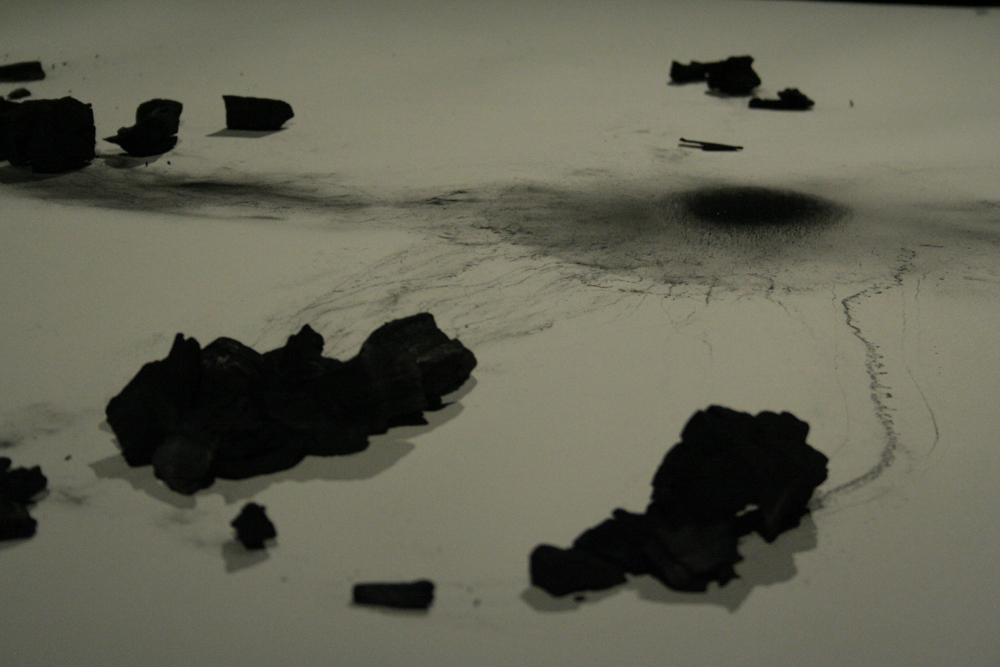
Laser beam sine tones used to draw delicate, abstract patterns by vibrating charcoal, placed atop of a great strip of paper running through the gallery; beautiful, fragile sound-created autonomous drawing.
Gravitational Feel is an engine for intensifying the differentiation of our entanglement, which you continually reprogramme in the mutual rub, shift and lap of its sonic, wooden, steel, textile and human material.
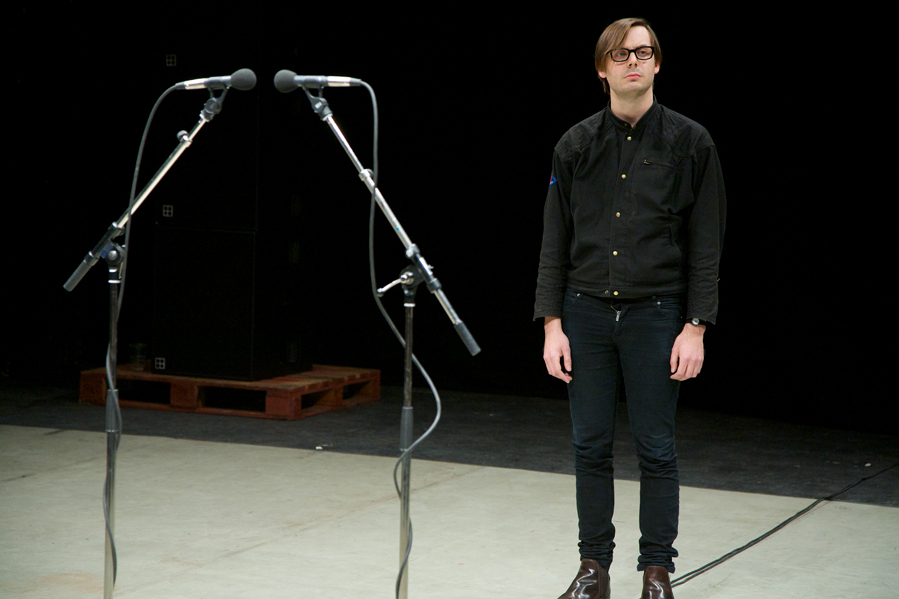
A solo improvisation using just the situation of the concert: a space, a PA, Mattin’s own thoughts, you, the audience.
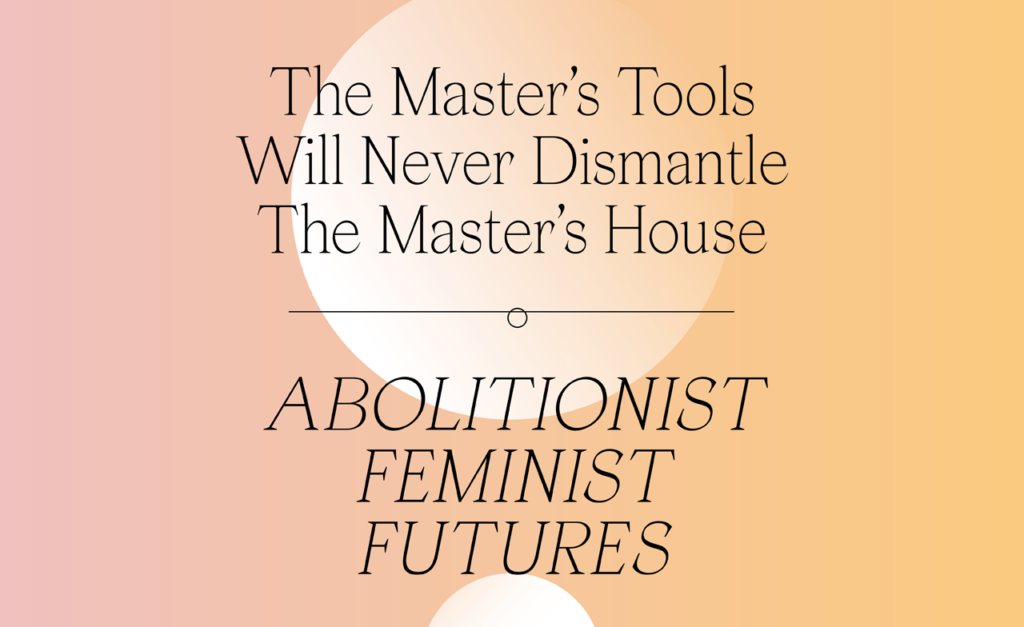
A panel exploring how to dismantle the master’s house — its material edifices and ideological architecture — and the construction of abolitionist futures in the present.
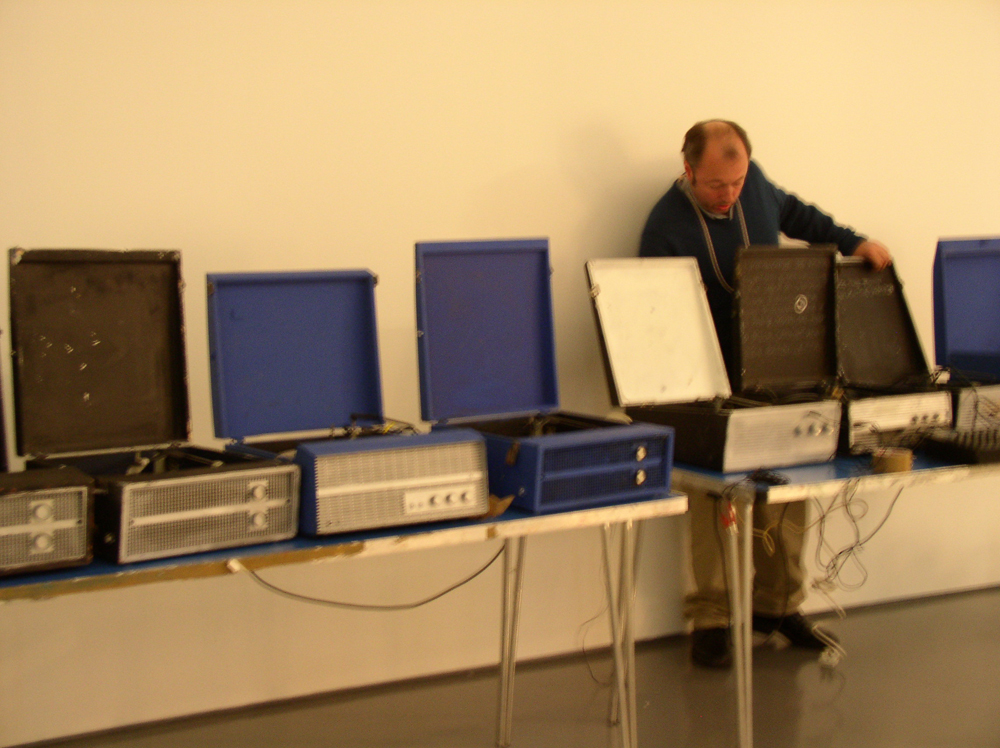
Equal parts spectacle, installation and performance, his set for us is a specially developed work, ‘turning’, which features an orchestra of multiple turntables, 4 projections and a collection of old, and, quite probably, misfiring analogue kit.
When one calls a strike, who hears the call, who attunes and listens to it? How to listen to the call of a strike? What prevents one from hearing this call or stops one from listening to it?