Work Care Class 2 – Care & Therapy
Howard Slater
The second in a series of workshops for workers and non-workers who care. What does the sharing of vulnerability entail? Can such a sharing inform progressive social relations?
Arika have been creating events since 2001. The Archive is space to share the documentation of our work, over 600 events from the past 20 years. Browse the archive by event, artists and collections, explore using theme pairs, or use the index for a comprehensive overview.
The second in a series of workshops for workers and non-workers who care. What does the sharing of vulnerability entail? Can such a sharing inform progressive social relations?
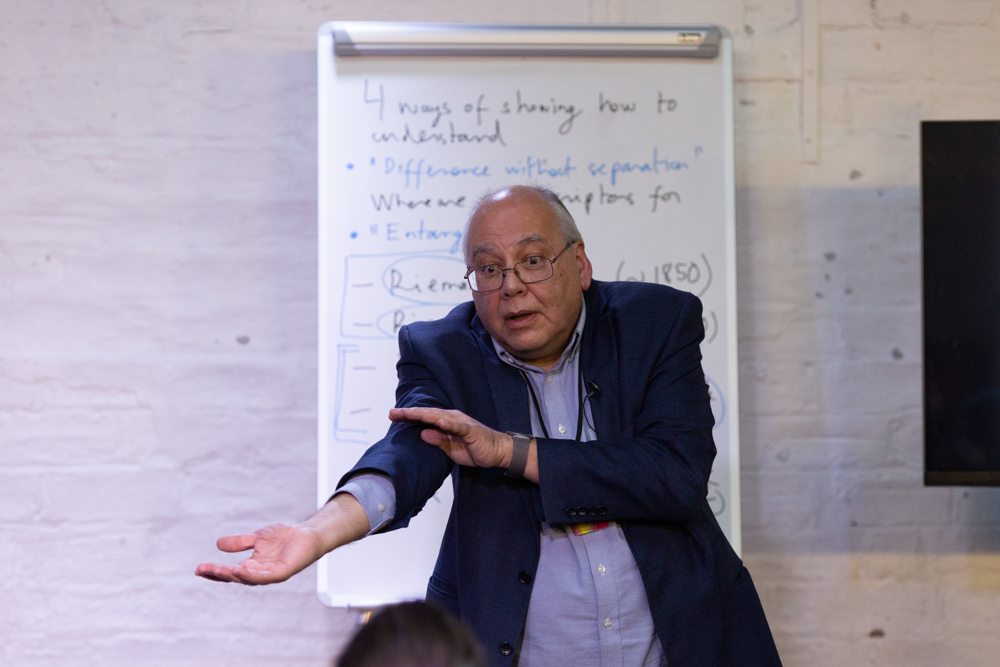
Fernando thinks that when maths is deep, it should be simple and able to be explained by hand gestures. By embodying ideas, we’re able to more clearly think about their cultural implications.
Ray and Thomas talking about how cognitive neuroscience is unlocking the physical basis of personal experience.
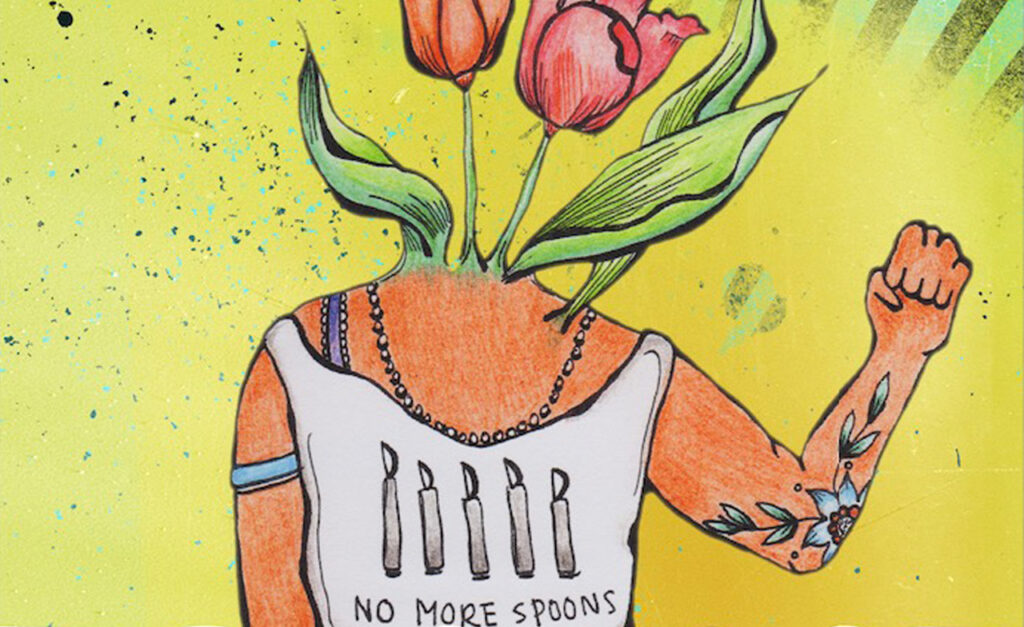
I wanna be with you everywhere was a gathering of, by, and for disabled artists and writers and anyone who wanted to get with us for a series of crip meet-ups, performances, readings and other social spaces of surplus, abundance and joy.
Are artists powerless in the face of technology? These often whimsical and amusing films are minimal technological interventions and appropriations but maybe also rigorous takes on the role of popular media and culture in our hyper-technological world.
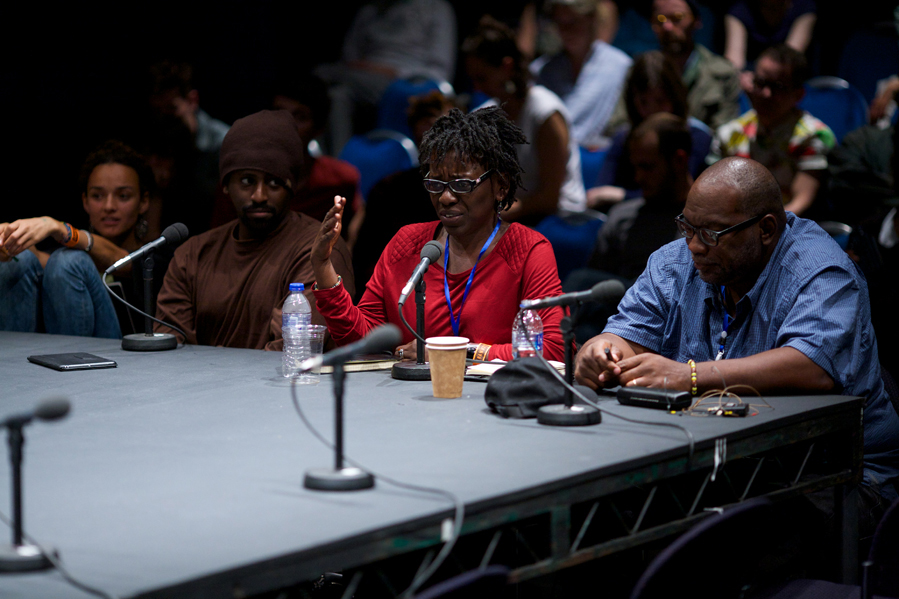
How black radical practices of abolition imagine a way out of the caging and mass killing of life.
Each organ is unique. The project is to find out what makes it unique.
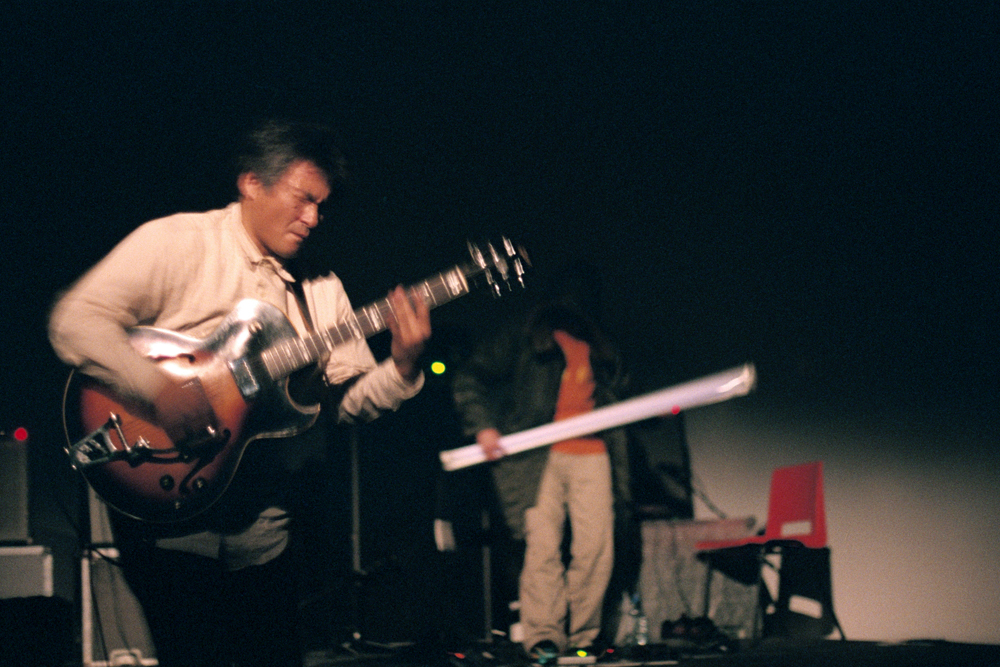
A loud, buzzing stew of electrical light as noise and convulsive electric guitar squall.
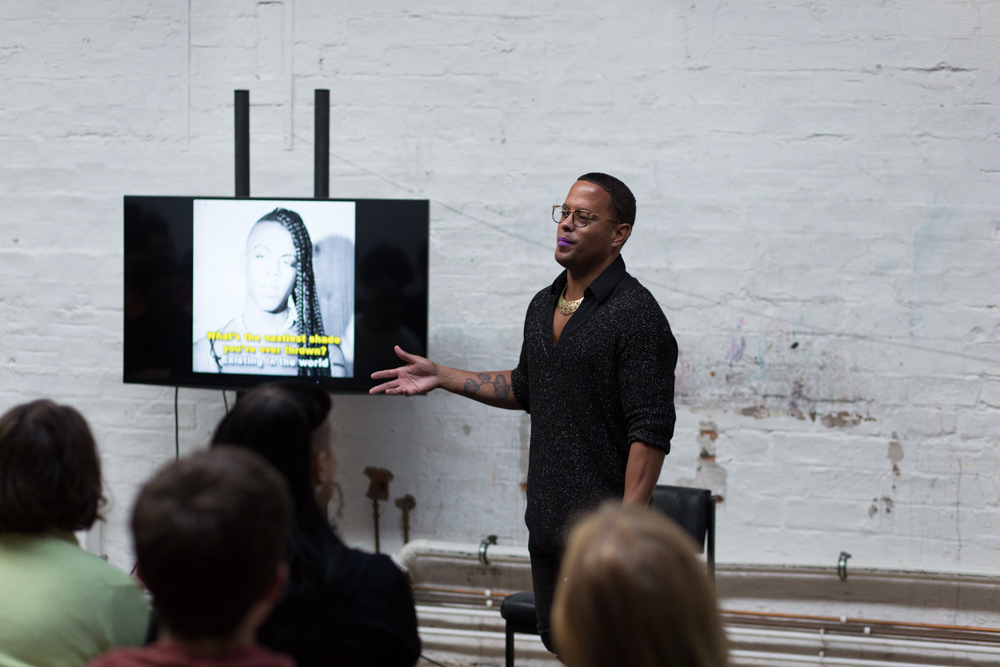
A discussion about what is at stake in the performance of realness and the practice of passing, and how they are both acts of survival and resistance.
Captures the creak and rustle of the forest, with an exhilarating tension let loose in unconfined maniacal and bare-knuckle group thinking.
Do art forms like black radical poetry, free jazz and improvisation create a space for the performance of freedom? Did they ever? And can they still do so now?
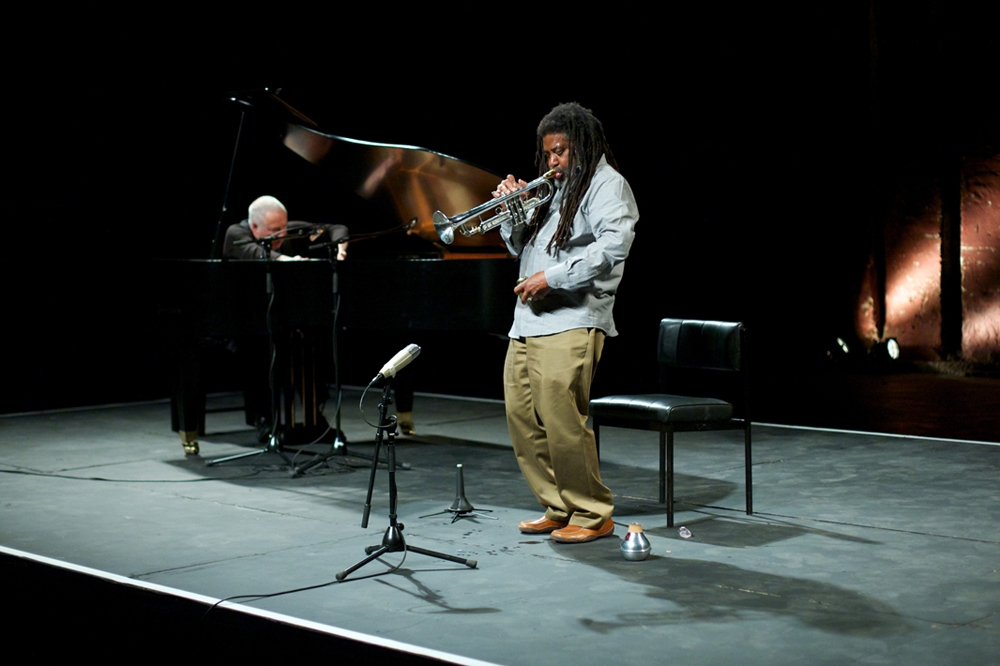
How might two of the great musicians working within contrasting traditions of freedom collaborate? What might this produce: musically, socially, allegorically?