Sex, Work, Justice
SWARM
The struggle for sex workers’ rights and how we can understand it in the continuum of care work and other forms of invisibilised and precarious work.
Arika have been creating events since 2001. The Archive is space to share the documentation of our work, over 600 events from the past 20 years. Browse the archive by event, artists and collections, explore using theme pairs, or use the index for a comprehensive overview.
The struggle for sex workers’ rights and how we can understand it in the continuum of care work and other forms of invisibilised and precarious work.
In which Storyboard P and members of Project X pick a song, freestyle to it, chat with us about what dancing means to them, then pick another song, freestyle, chat, repeat…
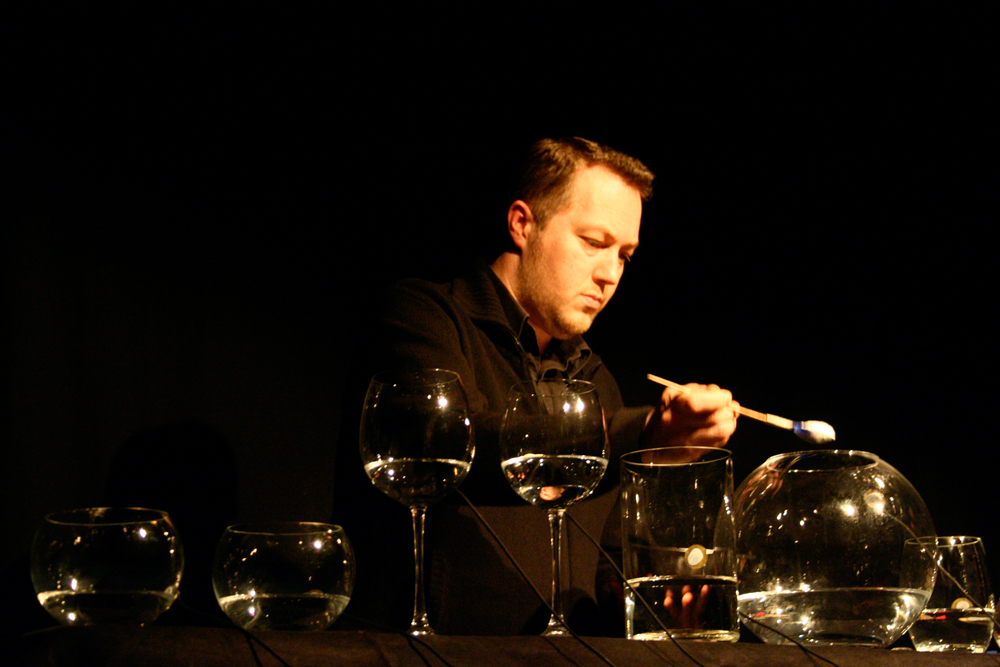
An original and beautifully simple performed installation forging a direct link between sound and image.
Perhaps the paradigm of America’s covert musical subculture, Sun City Girls operate just over the border of raucous delirium.
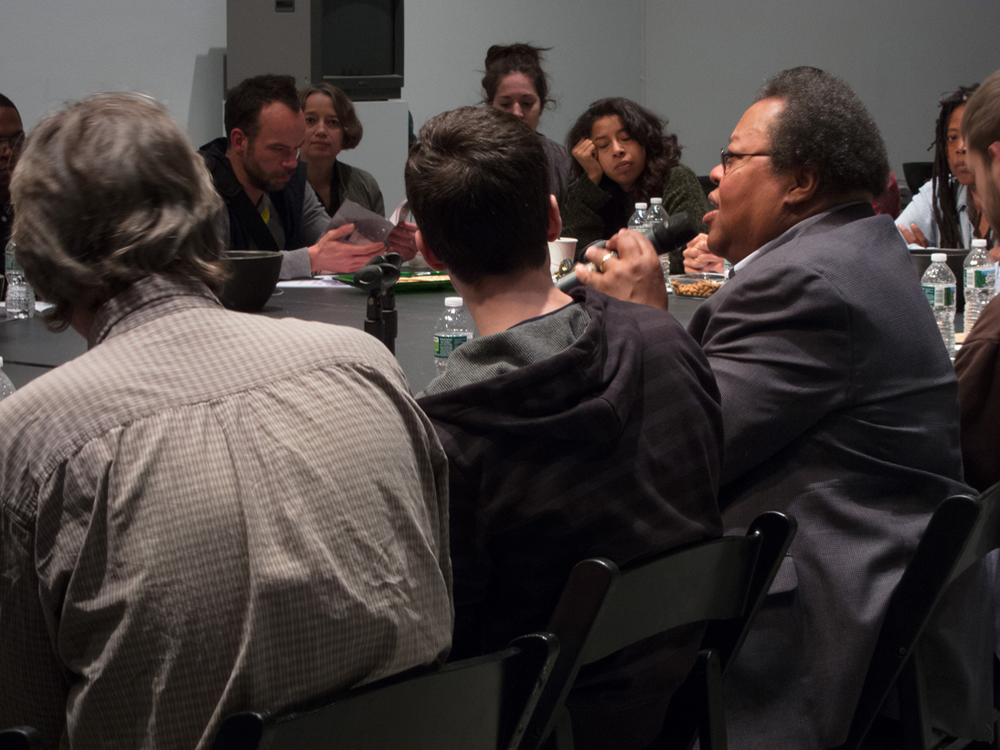
A conversation between Philip and Moten: how do we read NourbeSe’s anti-narrative poetic lament in Glasgow today, given the city’s role in the history of slavery?
Voguing, drag, clubbing, and the politics of communities making different performances of gender and sexuality visible.
A performance by Storyboard P – one of the greatest Afrofuturist dancers on the planet.
Jandek’s second ever live performance, and the first to be advertised in advance.
Investigating the border between the audible and the visible means looking at the margins, the edges of creativity where artists test out new boundaries and define them anew.
Wave Formations is a 5 screen work in which each screen runs through a series of fades and then stroboscopic flashes of colour, to create a series of visual harmonics.
A speculative narrative film informed by poetry and theories of quantum entanglement across diasporic distance. An intimate exploration of grief and resistance in shifting landscapes of loss, from the streets to the bed.
If life is assaulted by power, where do we find spaces for living? A conversation with Peter Pál Pelbart.