Declarative Mode (1976 – 1977)
Paul Sharits
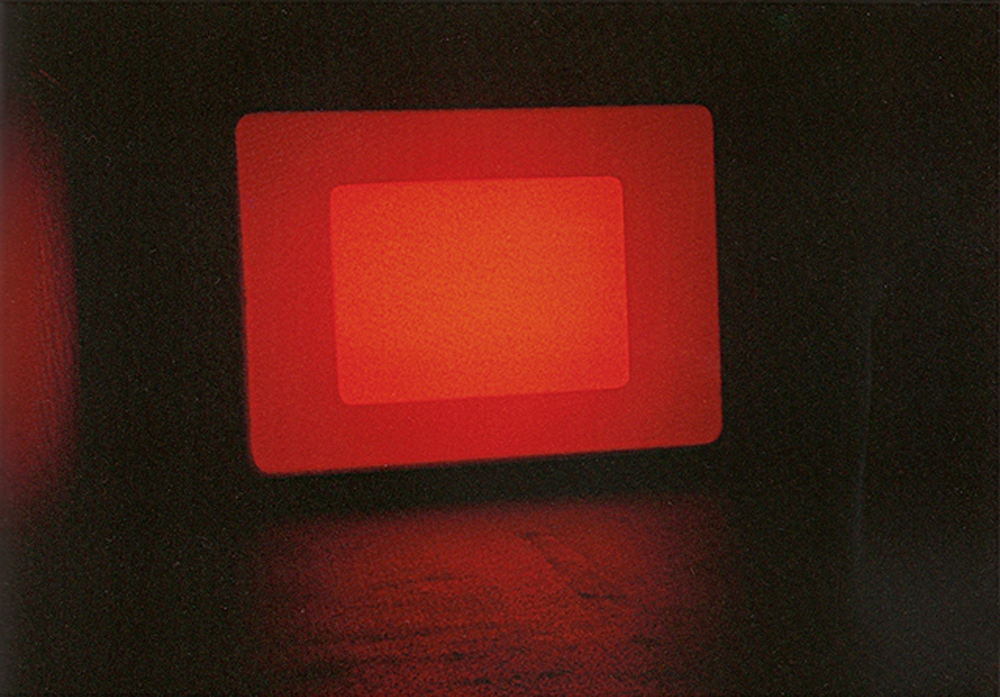
Paul Sharits is one of our all time heroes, and one of the great artist filmmakers of the 20th Century.
Arika have been creating events since 2001. The Archive is space to share the documentation of our work, over 600 events from the past 20 years. Browse the archive by event, artists and collections, explore using theme pairs, or use the index for a comprehensive overview.
Paul Sharits is one of our all time heroes, and one of the great artist filmmakers of the 20th Century.
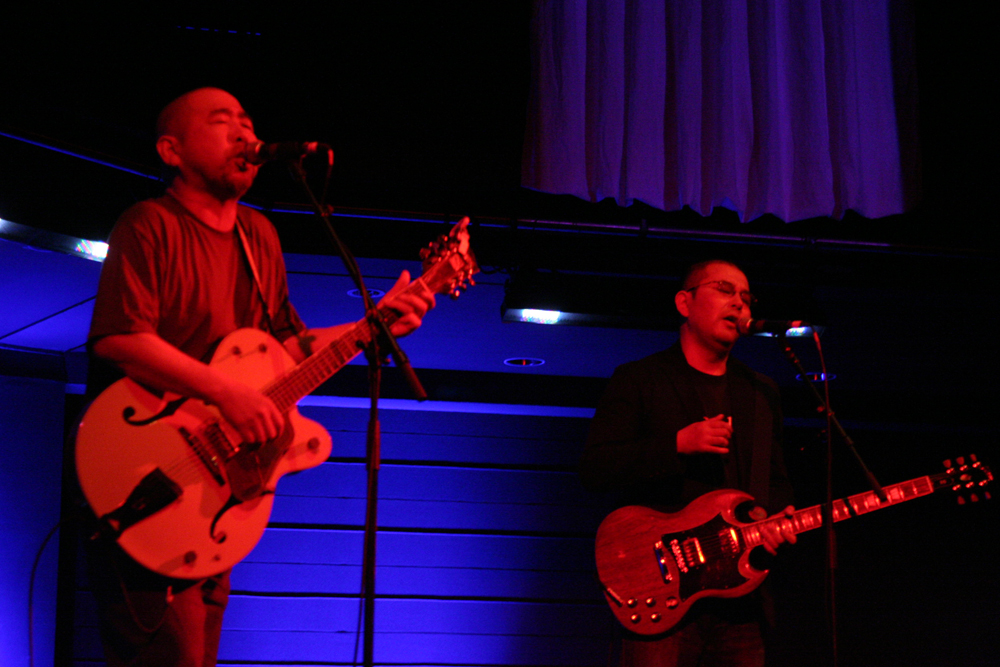
Folk poet, actor and bon viveur Kan Mikami in duo with Jojo Hiroshige, a founding member of Japanese Noise band Hijokaidan.
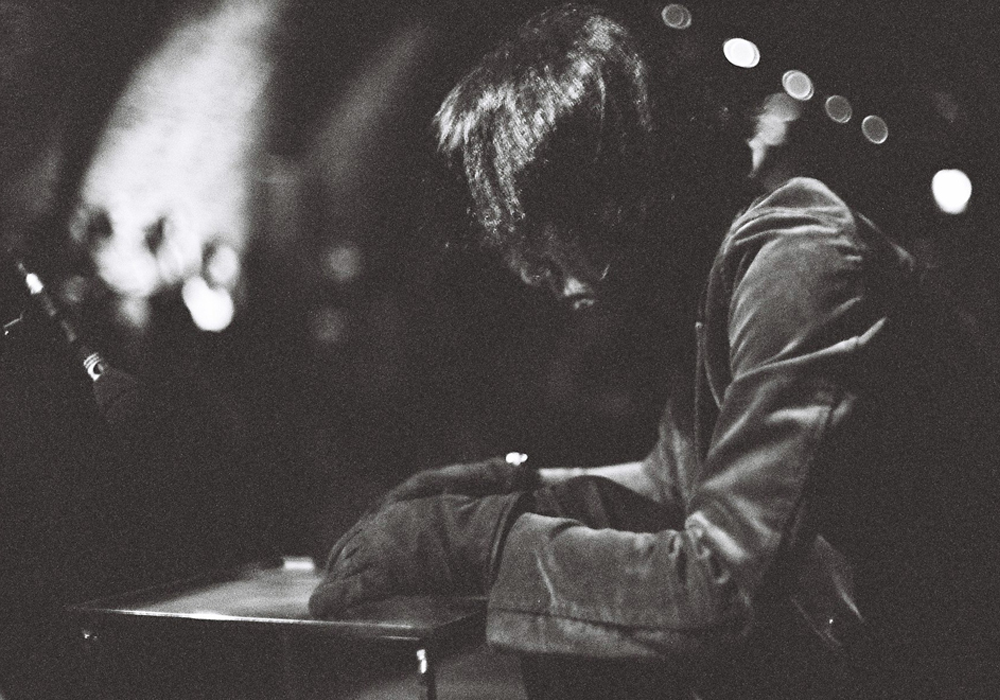
A performance for dry ice and four specially constructed steel tables, each one heated by a single candle until searingly hot.
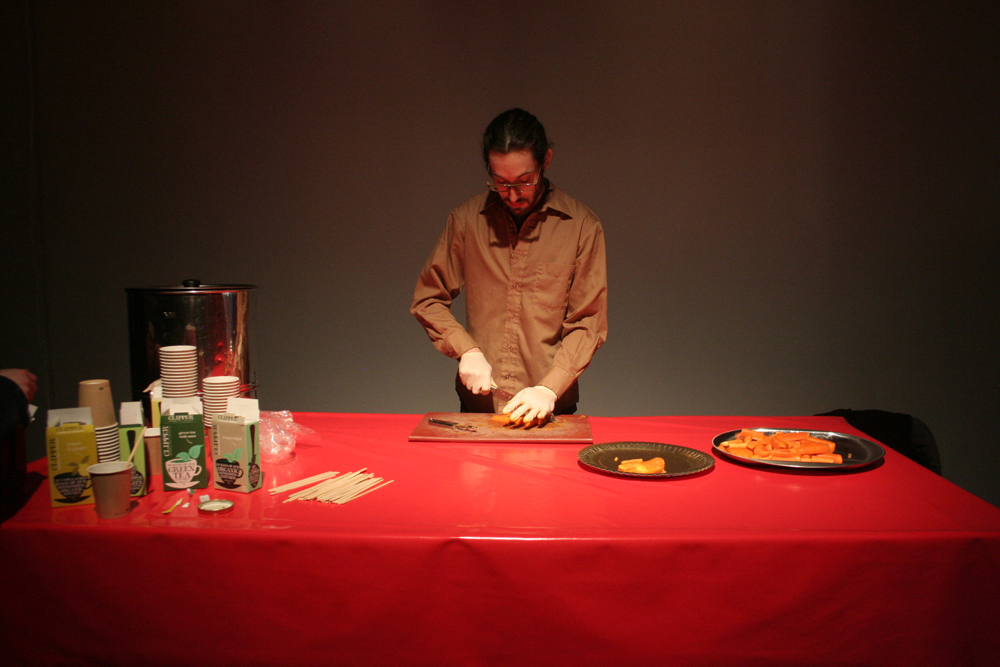
Jarrod Fowler and Christof Migone kick things off with performances involving edible plants, a saw, dandruff, and Christof responding to the prompt: “as far as you can for as long as you can.”
Sean and Taku share an interest in structure, space and time. A spartan, abstract, considered and surprisingly musical set.
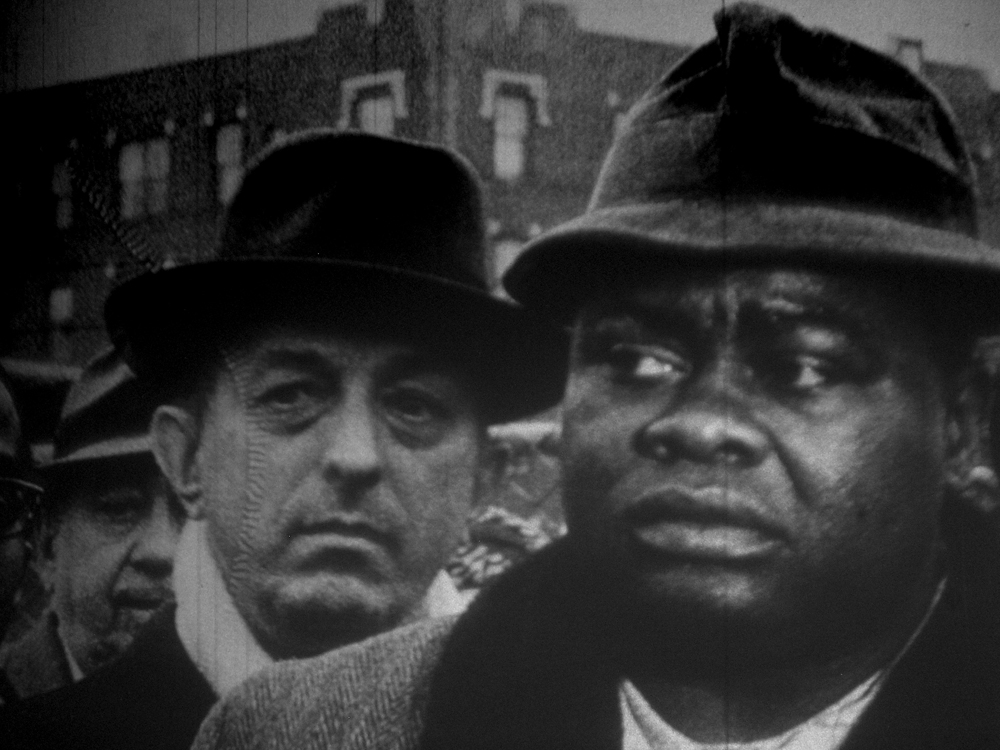
A double bill of A (imageless) film of nothing but a sound recording and its transcription and a found film of news interviews about Malcolm X’s assasination, where the filmmaker decided to add nothing to it, except our attention.
Setting up a minimal procedure to explore the interaction between a person and the (documentary) film/ video process. What initially seems simple ends up contrarily distanced and intimate, public and private.
A whistle stop tour of visual and material culture that has anchored the sex workers rights movement through the decades until today.
The mutability of the body and the mobility of identity: queered pop culture, drag, lip-sync and performance.
N30 is a massive, dynamic, immersive multi-channel presentation of front-line field recordings from the protest against the WTO in Seattle
An improvised film about our worlds at the brink, on the edge, in front of a crisis. To stand on the side of life, by seeing the resistance to genocide in Palestine as a turning point to overcome.
When we look, how do we objectify the body; how can we reflect on our (self) image as a construction?