dazwischen
Eva-Maria Houben
Solo organ performance by German composer Eva-Maria Houben, which focuses on ‘nearly nothing’ to expand the way we listen.
Arika have been creating events since 2001. The Archive is space to share the documentation of our work, over 600 events from the past 20 years. Browse the archive by event, artists and collections, explore using theme pairs, or use the index for a comprehensive overview.
Solo organ performance by German composer Eva-Maria Houben, which focuses on ‘nearly nothing’ to expand the way we listen.
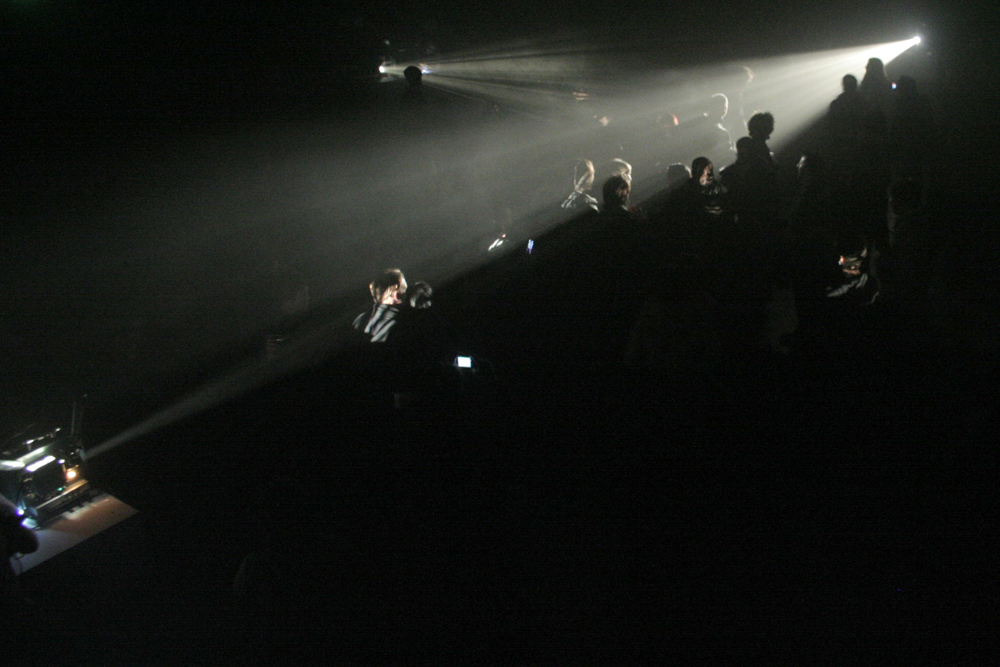
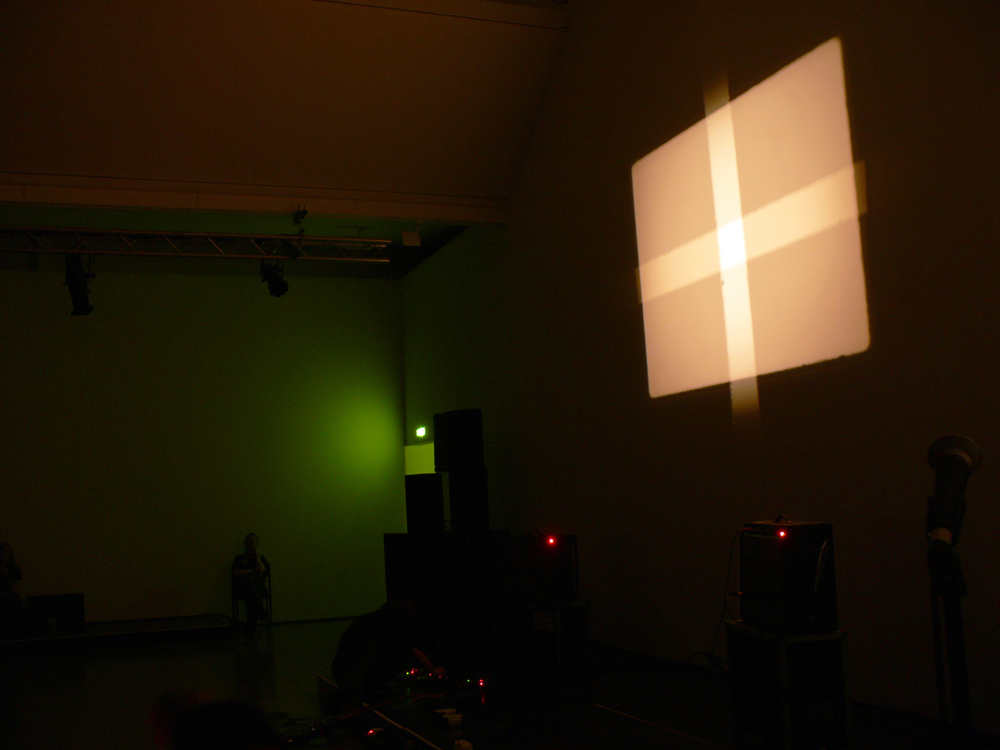
Out of a dark haze, shafts of light emerge, as the emulsion is scratched from the surface of the film. Simultaneously, out of the black silence, noise and audible scratches bloom into a bright drone.
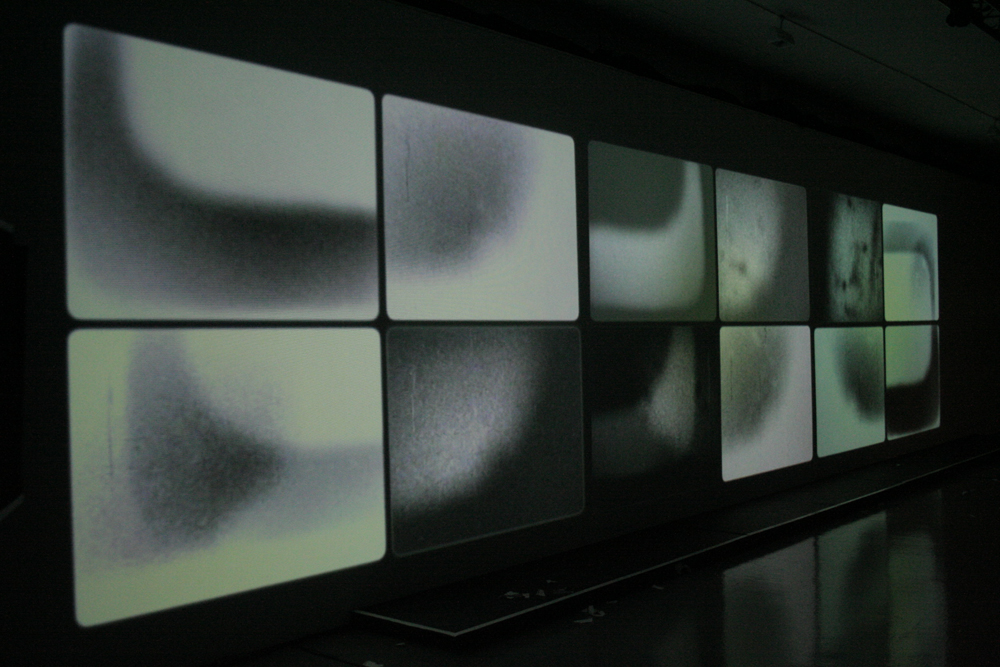
A poetic multi-screen performance about “the inadequacy of the arbitrary passing moment and the impossibility of permanence”. About time and change.
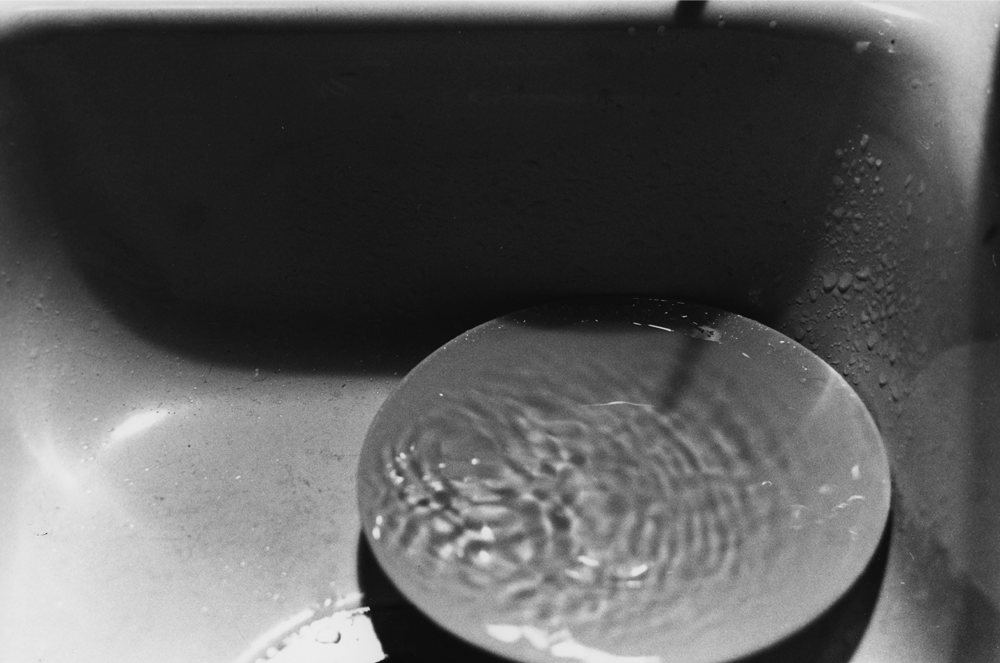
Everyday objects and materials (rubber bands, paper, a sink, microphones) disabused of their inertia and made to speak for themselves in a kind of focusing in on the tiny, repetitive, almost unobserved (sonic/ visual) potential of everyday things put into motion.
N30 is a massive, dynamic, immersive multi-channel presentation of front-line field recordings from the protest against the WTO in Seattle
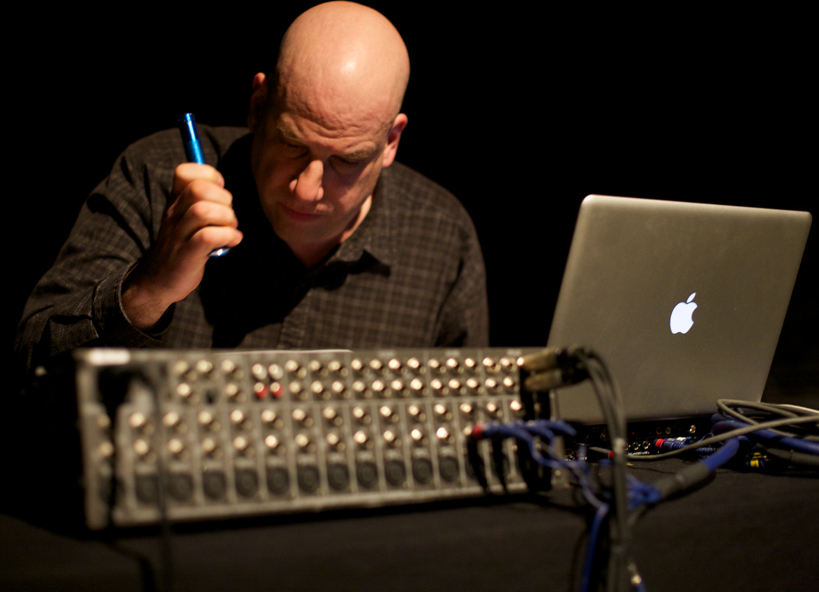
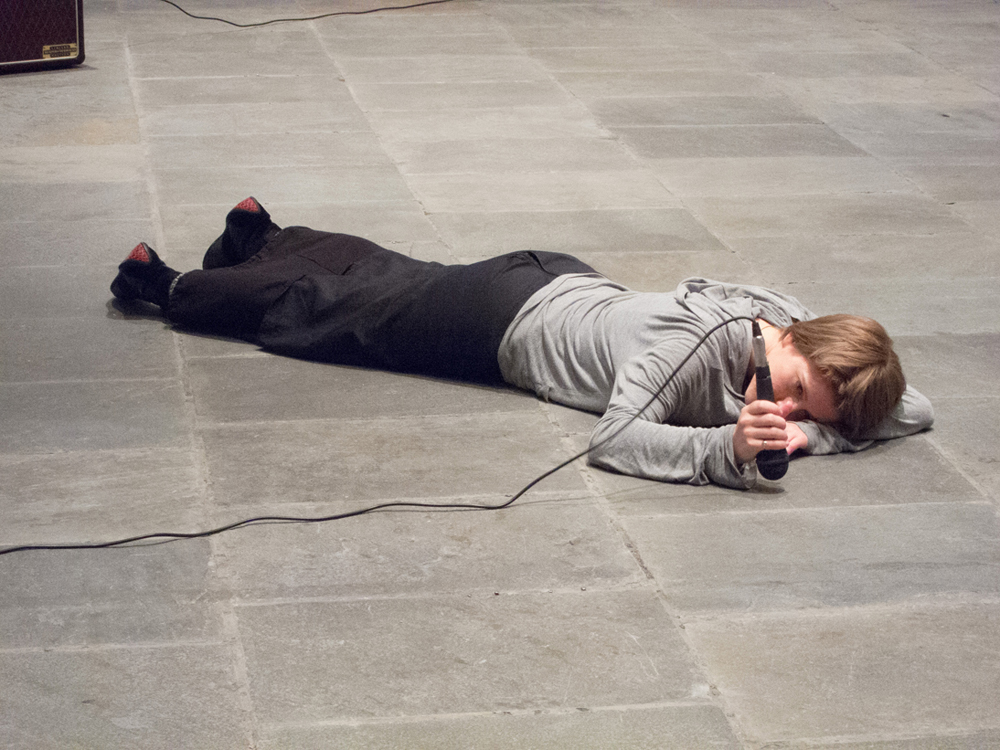
Sound as it is endured by space and the body: 15 participants lie face down and pound the floor with a microphone one thousand times, each person choosing their own rhythm and intensity.
A collaboration bringing together artists with a shared gravitational heft to their work; an intense and concentrated accumulation of detail and power.
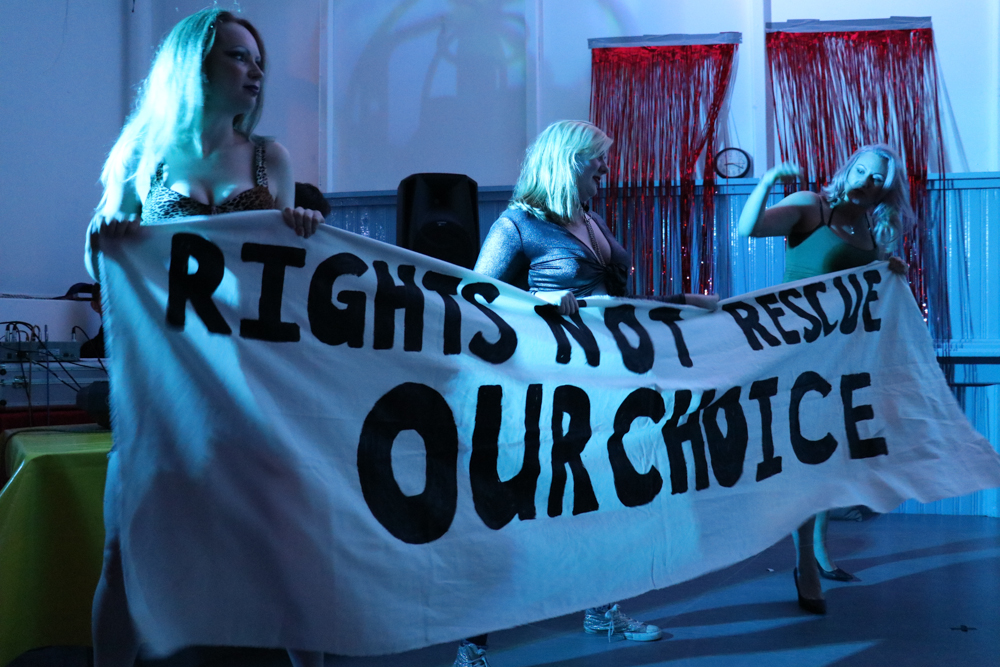
A party and fundraiser to support Sex Workers’ struggles and LGBT Unity with music and performances from the sex workers’ community and allies, plus DJ’s and dancing.
What’s the best way to spend time with a musician when they visit a city to perform? And when the musician in question has a great deal to say, what sort of concert do you organise to do justice to that?
Taku’s actions strip back musical performance to one of its original proposals: what is an action and how does it create a situation for spending time together, for paying attention?
Individual experience separated by physical boundaries (of space, time or ability) suggested as communities of collective experience by (perhaps voyeuristic) artists.
The first of two workshops that highlight correspondence as a way of working. Somewhere between song, speech, and logistical arrangement, these workshops invite participants to consider care as infrastructure.