Episode 1: A Film is a Statement
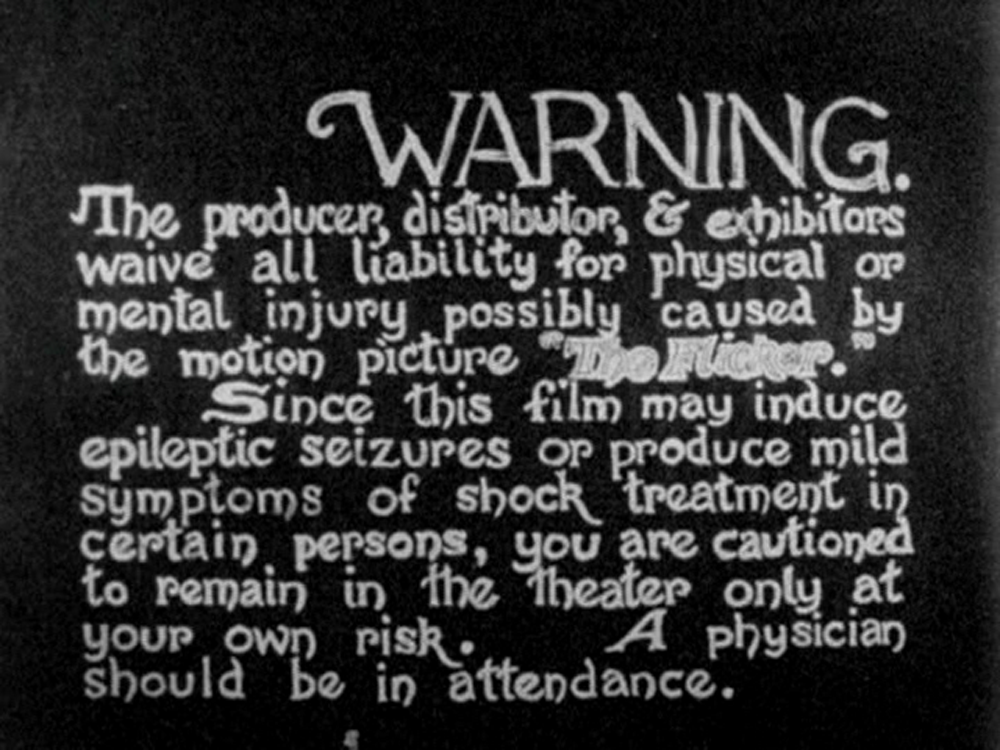
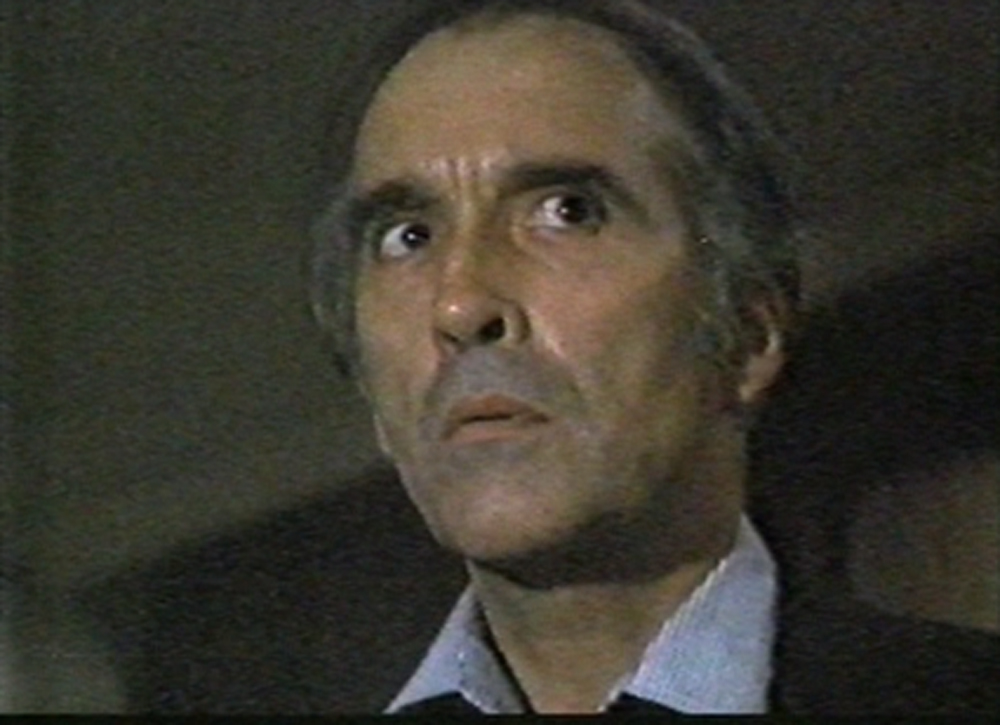
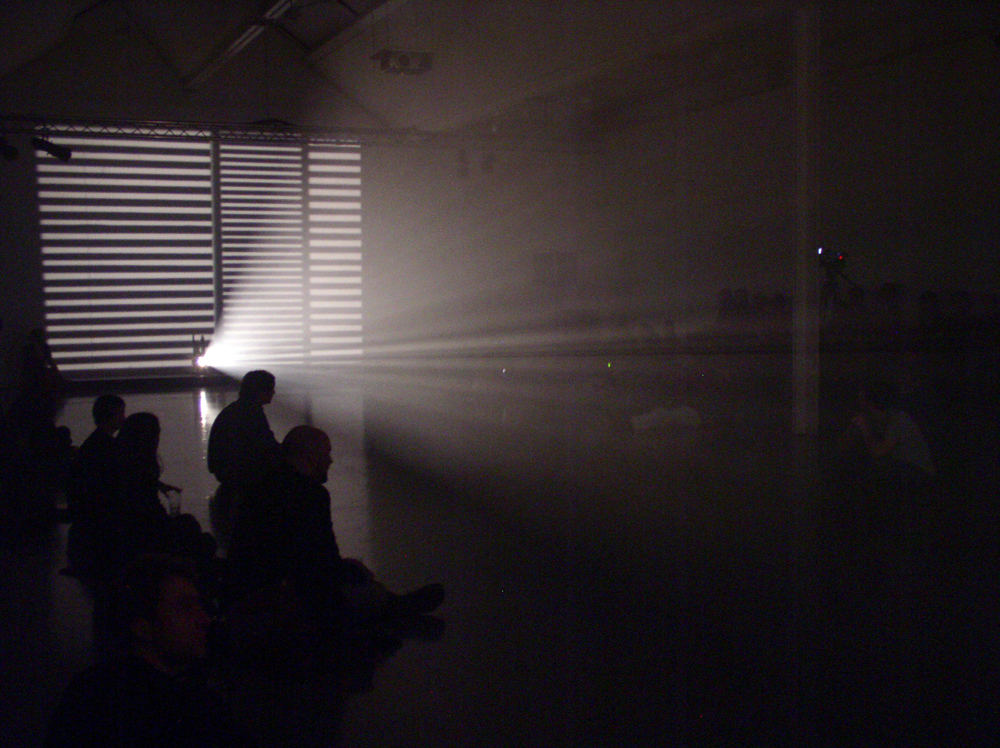
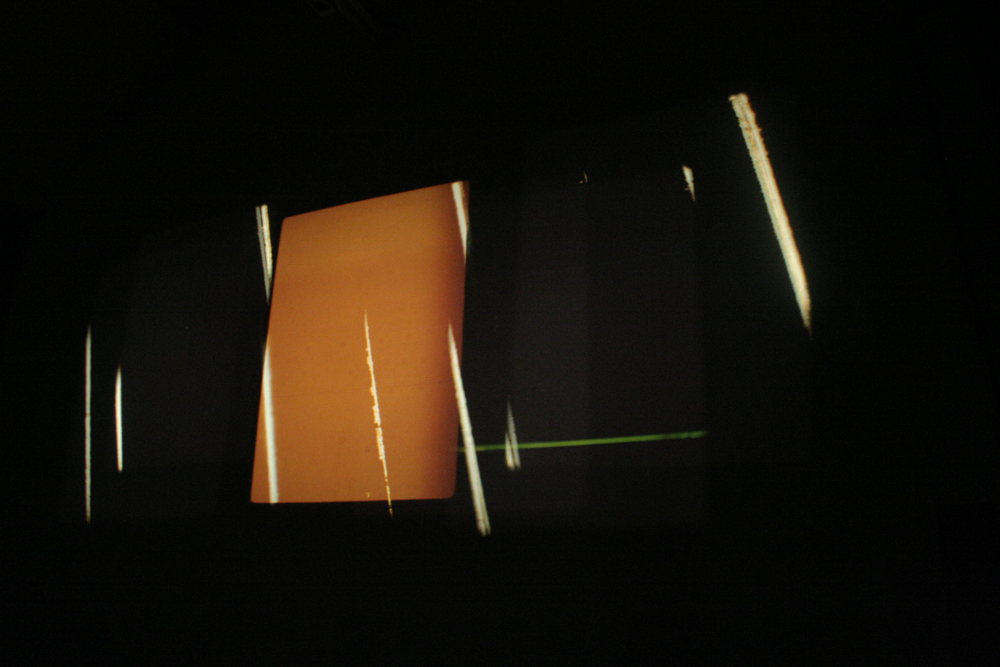
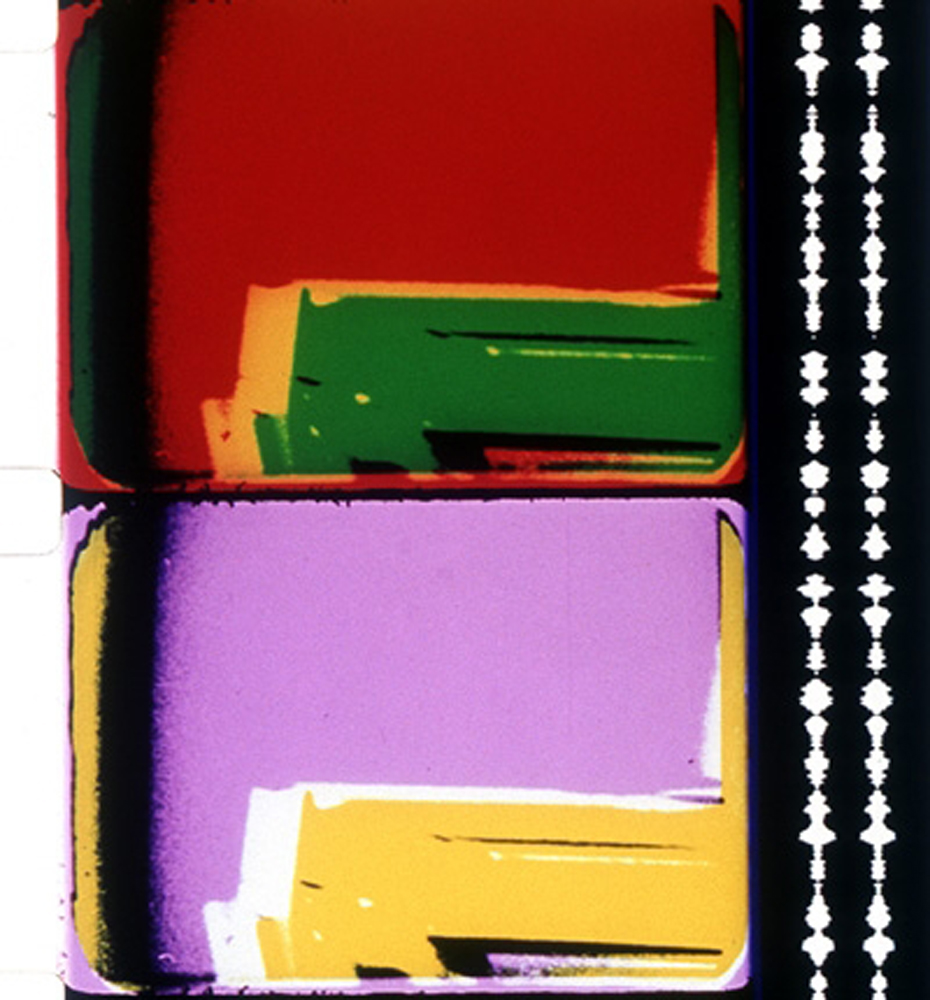
Every aspect of every film is always about more than just film. Or, as Godard said: a tracking shot is a moral issue. A cross between a festival, magazine and discussion about experimental artists’ films.
Arika have been creating events since 2001. The Archive is space to share the documentation of our work, over 600 events from the past 20 years. Browse the archive by event, artists and collections, explore using theme pairs, or use the index for a comprehensive overview.
Every aspect of every film is always about more than just film. Or, as Godard said: a tracking shot is a moral issue. A cross between a festival, magazine and discussion about experimental artists’ films.
Sonic ‘observations’ of the world, through micro recordings on a tiny scale and transformed into something musically compelling.
A historical narrative of the black and Latino/a transgender, bisexual, lesbian, and gay House and Ballroom Scene in relation to race, gender, sexuality and class oppressions.
Sarah Washington uses electronics and wind-up radios, running out of charge to repsond to the festivals’ Self Cancellation provocation.
No Wave, damaged garage jams and crazed instant vocal shrieks.
Criminal Queers visualises a radical trans/queer struggle against the prison industrial complex, working to abolish the multiple ways our hearts, genders, and desires are confined.
A preposterously heavy, eye of the storm musical tug of war, in which two drummers, electronics and electric guitar fall over each other in a droning crush.
Heat-mapped bodies, found porn films, Korean psyche-folk, creepy police intrusion and self-defence.
Elizabeth’s writing pulls apart toxic settler colonialism and the worldview used to justify it; working towards an alternative distribution of powers, so that ways of being otherwise can endure.
A queer black operatic requiem for piano and voice that asks us to stay in the hold of the slave ship, that tries to understand the connection from the slave ship to the prison.
A conversation of intergenerational trans-resistance and anti-racist fierceness between two of the most inspiring public speakers we know.
Do art forms like black radical poetry, free jazz and improvisation create a space for the performance of freedom? Did they ever? And can they still do so now?