INSTAL 10
The final iteration of Arika’s INSTAL festivals, the 2010 edition was an experimental festival of experimental music – 3 days of events at the Tramway that explored un-average ideas about sound and music.
Arika have been creating events since 2001. The Archive is space to share the documentation of our work, over 600 events from the past 20 years. Browse the archive by event, artists and collections, explore using theme pairs, or use the index for a comprehensive overview.
The final iteration of Arika’s INSTAL festivals, the 2010 edition was an experimental festival of experimental music – 3 days of events at the Tramway that explored un-average ideas about sound and music.
An improvisation that may or may not involve (typical) improvisation.
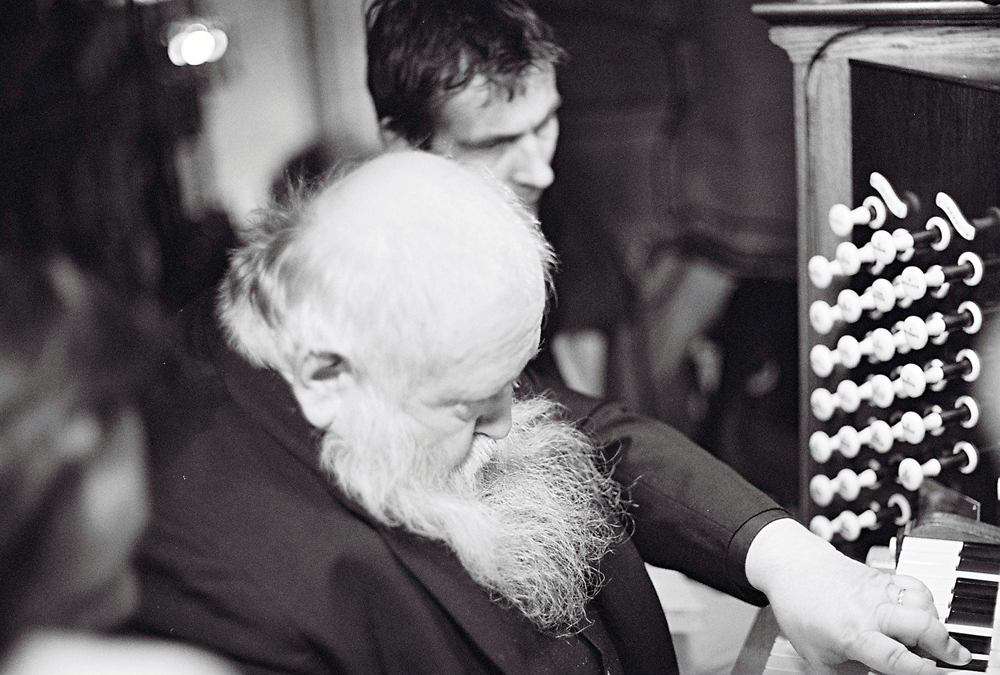
A specially commissioned performance for organ. “The course of the stars were to be put to sound.”
There are core ways in which our listening to the radio differs from other kinds of listening. What happens when we pay attention to how we pay attention?
The program of composed music including Feldman’s Instruments III, Ligeti’s piece for 100 Metronomes Poeme Sympathetique, and Rebonds B by Iannis Xenakis.
A stroboscopic and intense sensory overload of flashing abstract forms, cut to ribbons by modified projectors.
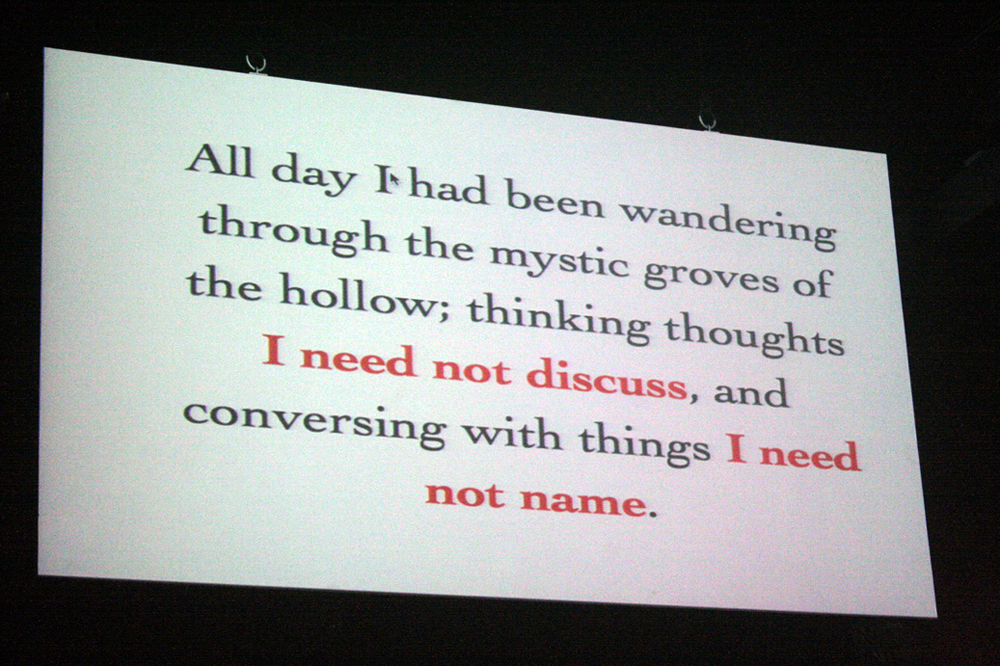
Chip will read some of his great literary pornography, which pushes sexuality to the point of extremity and exhaustion.
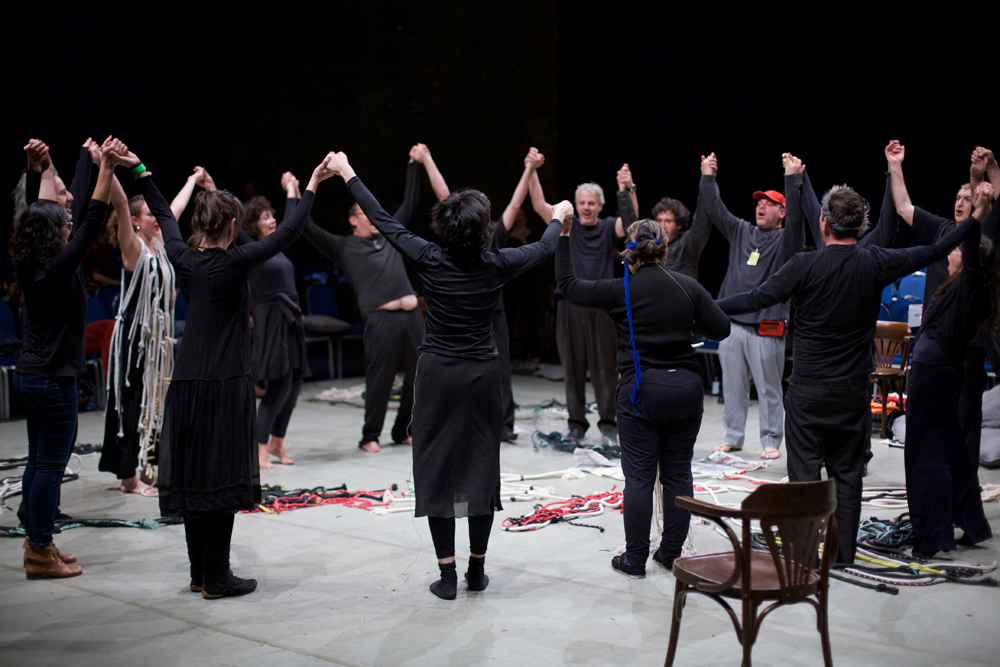
An open conversation around the history and practices of the Ueinzz Theatre Company – a radical Brazilian schizoscenic theatre company of carers, so-called psychotic patients and philosophers.
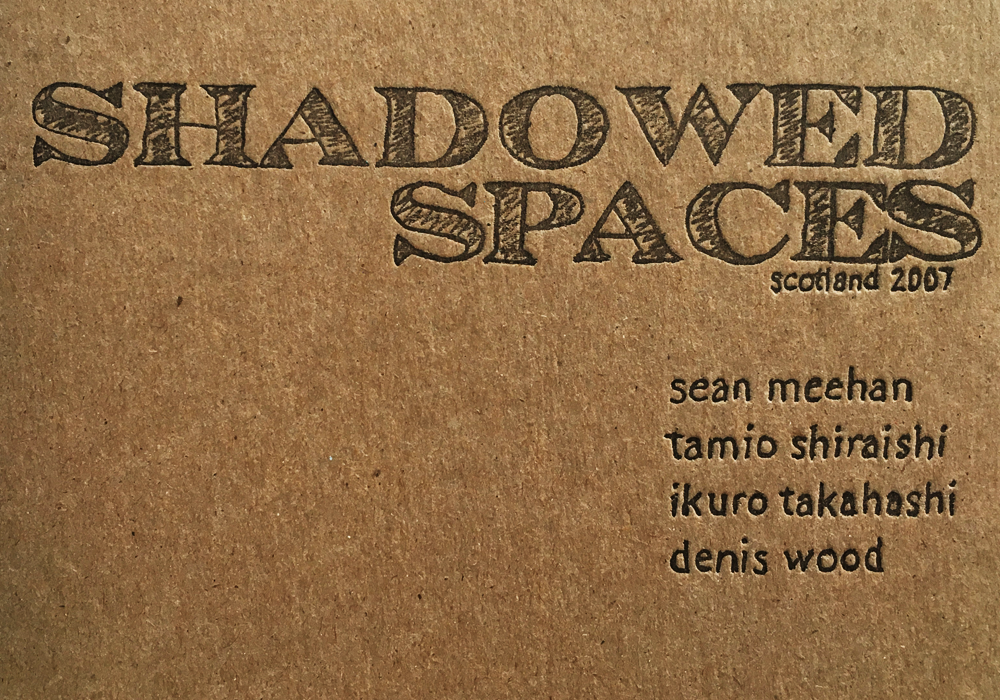
There exist places in our towns and cities that are created not by design, but by circumstance. Shadowed Spaces was a tour of overlooked, bypassed and unconsidered nooks and crannies with 3 musicians.
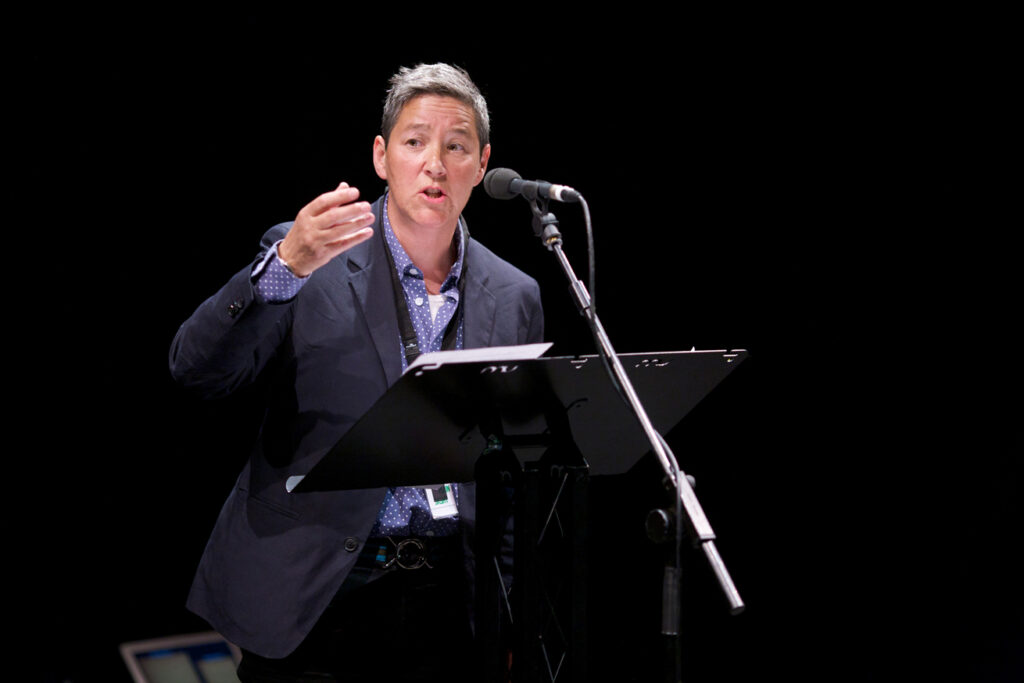
A chat, with examples (Zola, H. P. Lovecraft, Hammer Horror), about blackness and the sheer stupid thickness of what has no profundity whatsoever.
Can we find ideas of queer anarchism, failure and low theory in popular culture?
If life is assaulted by power, where do we find spaces for living? A conversation with Peter Pál Pelbart.