Ballroom Town Hall Meeting
Various Artists
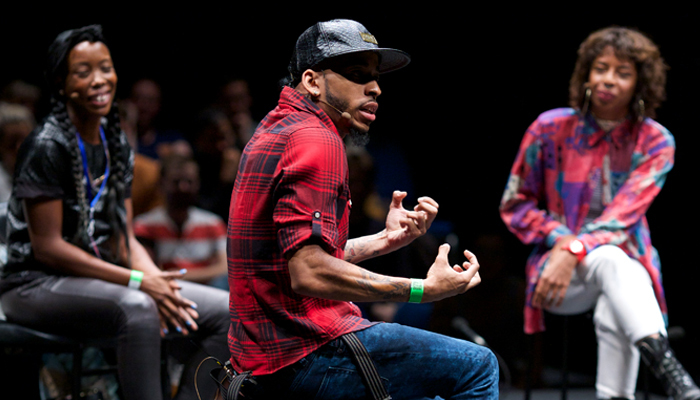
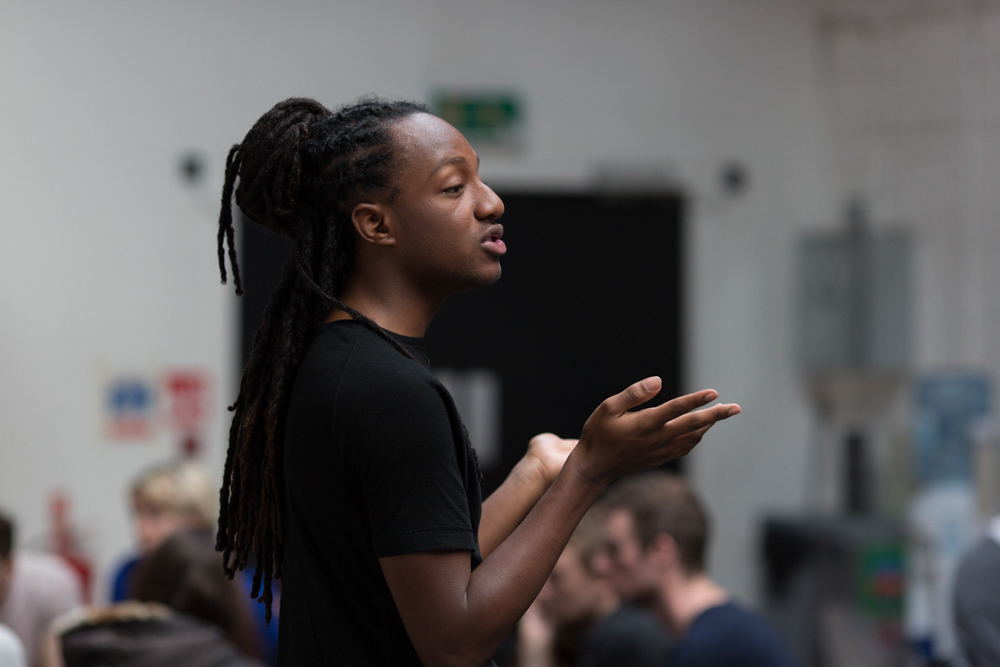
Open community meeting to discuss some of the prevalent concerns impacting the ballroom community.
Arika have been creating events since 2001. The Archive is space to share the documentation of our work, over 600 events from the past 20 years. Browse the archive by event, artists and collections, explore using theme pairs, or use the index for a comprehensive overview.
Open community meeting to discuss some of the prevalent concerns impacting the ballroom community.
During Episode 9 we made this clip with Storyboard P at Kinning Park Complex. Video by Ash Reid.
Recently rediscovered but still very pertinent, Kino Beleške presents a series of speech acts and performative gestures by protagonists of the new artistic practice in former Yugoslavia: each a personal take on the role of art in society.
A series of three short performed situations and statements to be examined or judged from the most interesting young musician in Glasgow (we think).
Tormented and drawn-out high-pitched yelps and drones, all interleaved with periods of torpid silence.
How can we imagine bodies not as an end in themselves, but as a medium through which we can become one another’s means?
(Cyber)feminist, non-essentialist transgender and queer daily radio shows using the formula of morning radio as an arch way of thinking about the scripted behaviour and controlled empathy of systematic care.
A performed, open, public conversation about how we might think politics from the position of intuition, in which Denise and Valentina use un-reasonable tools to map out a hybrid poetical/ ethical reading of their own situations.
Felix Hess is a unique crosser of the boundaries between science and art. He wrote his doctorial thesis on the aerodynamics of the boomerang
The queer archiving of traumatic cultural memory from one of the leading voices working with queer archives.
Formed as a means to realise William Bennett’s goal of “a sound that could bludgeon an audience into submission”
The second in a series of workshops for workers and non-workers who care. What does the sharing of vulnerability entail? Can such a sharing inform progressive social relations?