Exias-J
Exias-J
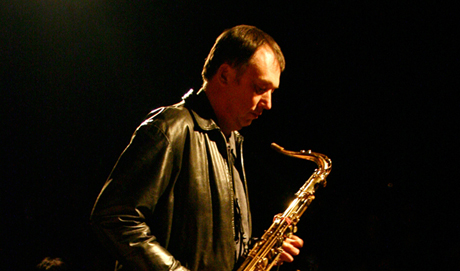
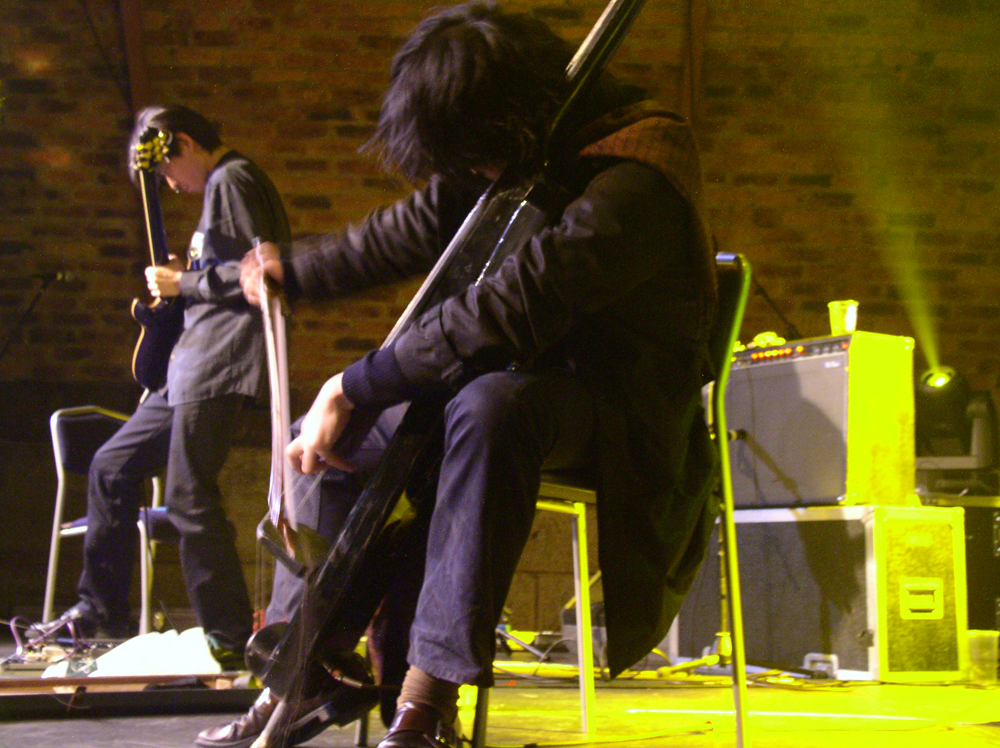
The Experimental Improvisers Association of Japan, [EXIAS-J] are a loose collective of musicians and dilettantes who seem to represent an entire and self sufficient scene in one band.
Arika have been creating events since 2001. The Archive is space to share the documentation of our work, over 600 events from the past 20 years. Browse the archive by event, artists and collections, explore using theme pairs, or use the index for a comprehensive overview.
The Experimental Improvisers Association of Japan, [EXIAS-J] are a loose collective of musicians and dilettantes who seem to represent an entire and self sufficient scene in one band.
Power-electronic klutz behaviour indecipherable blasphemies, cuts, bruises and broken microphones by Kovorox Sound head-honcho Lea Cummings.
Thuja specialise in a unique and abstract folk music, a devoutly organic tapestry deeply rooted in the sway and bow of nature.
A programme of discontinuity between narration, text and image. Including Manual Saiz’s employment of John Malkovich’s Spanish dubbing double and Peter Rose’s absurdly hilarious concrete poetry subtitling chaos.
Freeform Super 8mm documentation of Sunday at Instal 06 by filmmaker Matt Hulse.
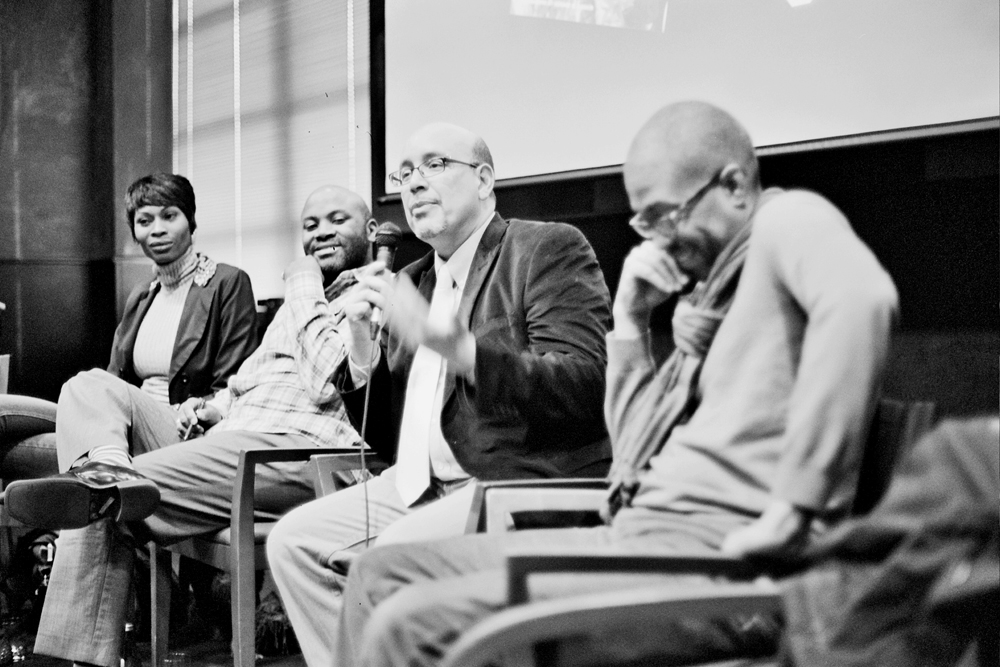
A conversation between Philip and Moten: how do we read NourbeSe’s anti-narrative poetic lament in Glasgow today, given the city’s role in the history of slavery?
Opening with one of the most memorable shots ever filmed, and screened a year after the initial successes of the 2011 Egyptian revolution, Too Soon, Too Late is a search for the traces left on the landscape of past revolutions in France and Egypt.
Harrowing but musical confrontations with the very real, physical and aural trauma of a woman screaming.
John Butcher plays and manipulates a feeding back saxophone. Benedict Drew on electronics, broken cables and standing waves.
A celebration of the release of four books written by members of, and focused on about the House and Ballroom scene.
Ray and Thomas talking about how cognitive neuroscience is unlocking the physical basis of personal experience.
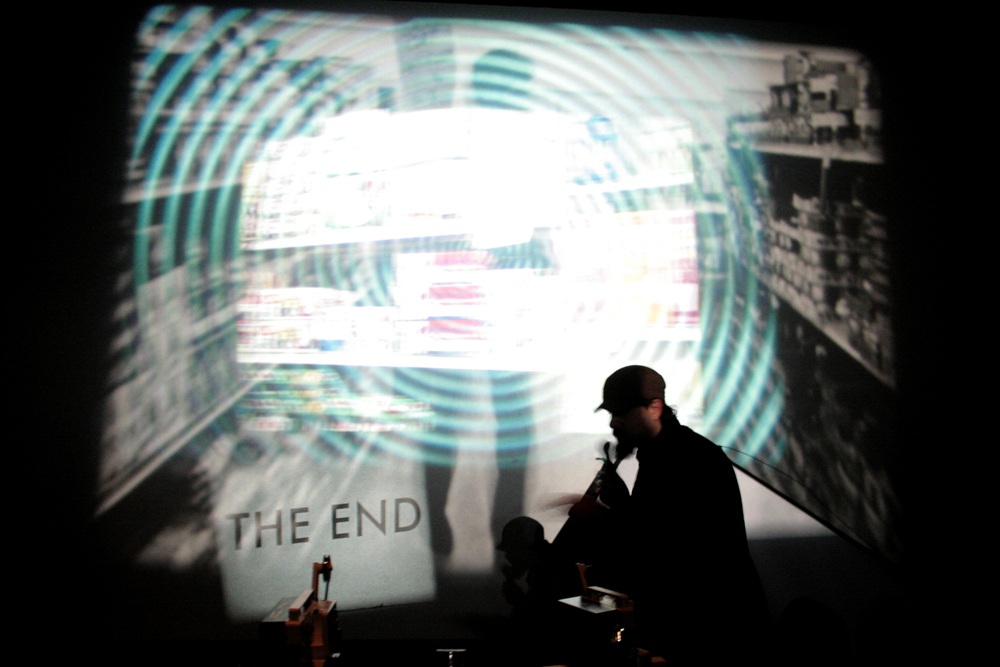
Quasi-theatrical multiple-projector pieces play with the relationship between performers, art and audiences.