Investigation: Jean-Luc Guionnet
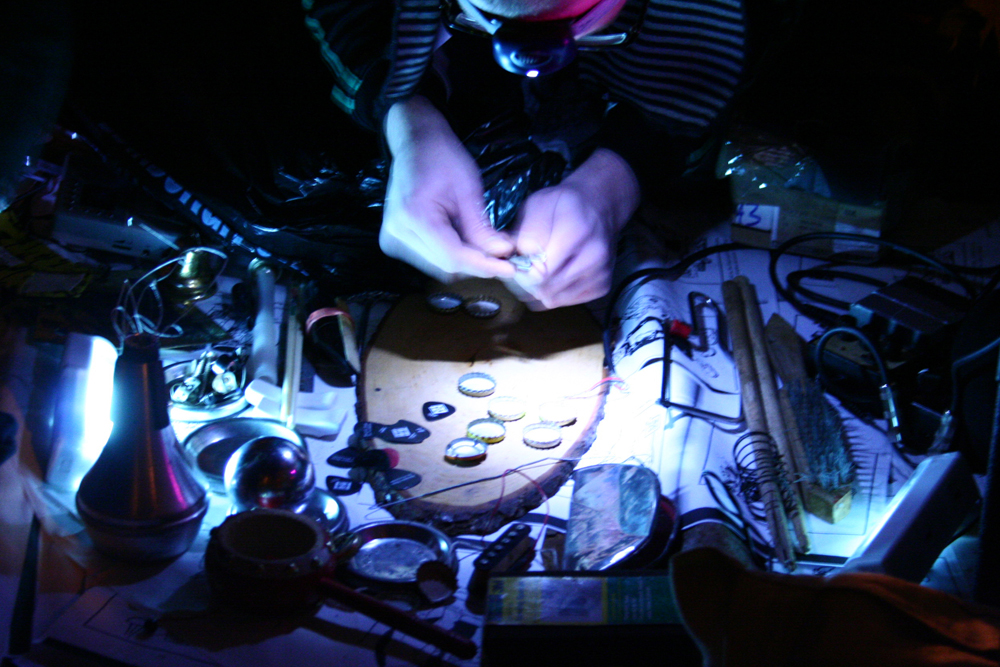
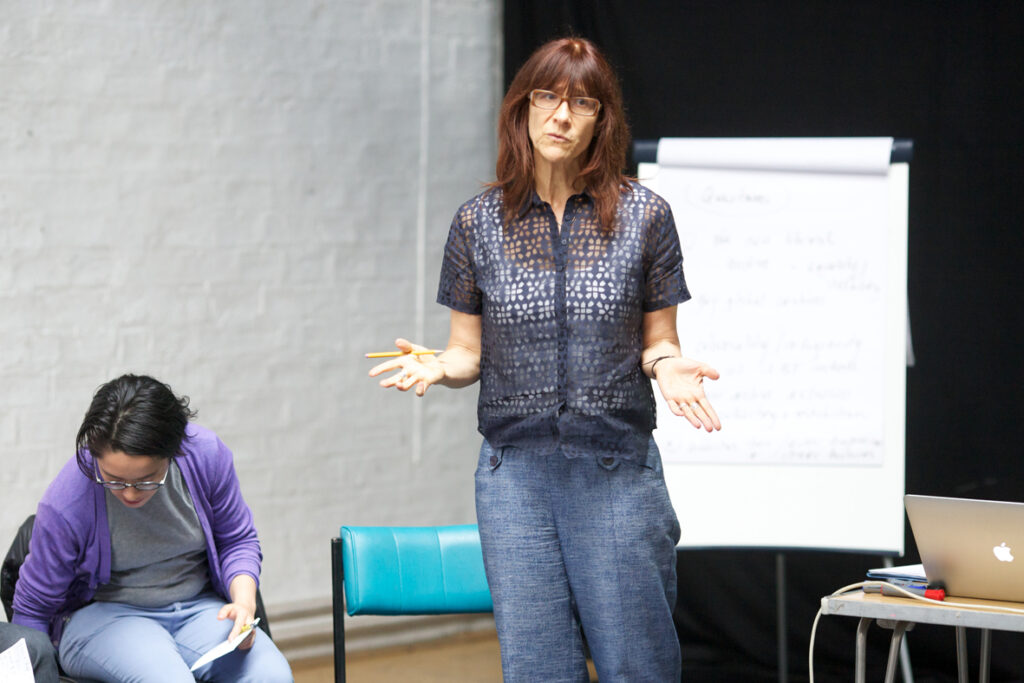
What’s the best way to spend time with a musician when they visit a city to perform? And when the musician in question has a great deal to say, what sort of concert do you organise to do justice to that?
Arika have been creating events since 2001. The Archive is space to share the documentation of our work, over 600 events from the past 20 years. Browse the archive by event, artists and collections, explore using theme pairs, or use the index for a comprehensive overview.
What’s the best way to spend time with a musician when they visit a city to perform? And when the musician in question has a great deal to say, what sort of concert do you organise to do justice to that?
The queer archiving of traumatic cultural memory from one of the leading voices working with queer archives.
Film and sound stripped of ‘content’ and experienced spatially, to be looked at not on the screen but in the space of the gallery
Usurper jamming live in a skip at the site of Bud’s Neill’s Lobey Dosser statue on Woodlands Road.
The second in a series of workshops for workers and non-workers who care. What does the sharing of vulnerability entail? Can such a sharing inform progressive social relations?
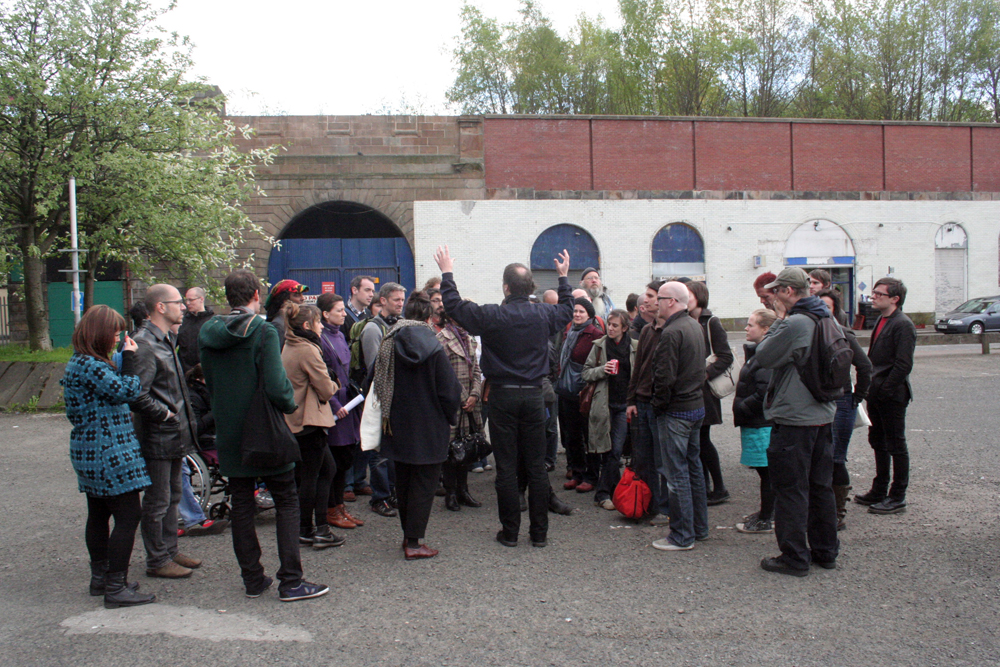
A public walk from George Square to the Barras market bringing contributions from researchers, activists and artists in a form of live critical praxis
Arika is working in partnership with Decriminalised Futures on a multi year collaboration featuring multiple creative projects exploring sex worker lives, experiences and movement struggles.
A short chat about what we (Arika) might be trying to do with our program for the Biennial.
Looking at and listening to different ideas about sound and music, INSTAL 09’s collection of artists included Tetsuo Kogawa, vocalist Joan La Barbara, Phil Minton (and his Century FC feral choir), Austrian Actionist Hermann Nitsch, Steve McCaffery and many more.
A film performance about Guy then, and Guy now, as a metaphor for the passing of time, which of course all film is inherently about.
Join activists, academics and artists as they reflect on abolitionist praxis and thought, exploring covergences with gender, poetry, technology, performance, speculation, aesthetics, film and culture. This series of events commemorates Black August and is for anyone who wishes to answer the abolitionist call to action and thought.
A panel exploring how to dismantle the master’s house — its material edifices and ideological architecture — and the construction of abolitionist futures in the present.