Personal Space
Kylie Minoise
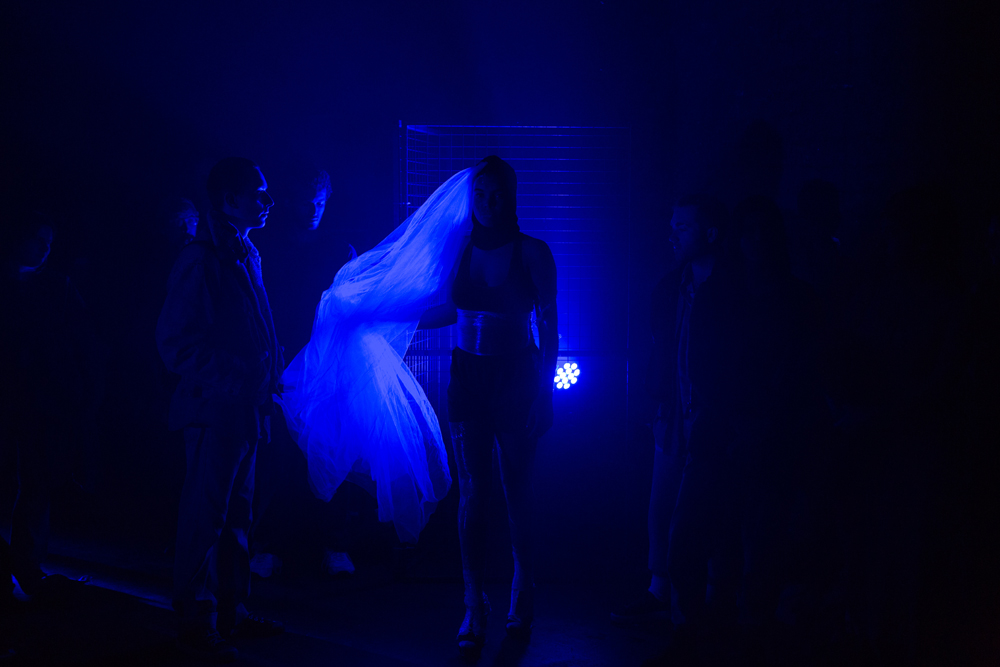
Thirty lucky Instal punters experience Kylie’s pre-match aggro workout one-on-one in the darkness of an Arches dressing room.
Arika have been creating events since 2001. The Archive is space to share the documentation of our work, over 600 events from the past 20 years. Browse the archive by event, artists and collections, explore using theme pairs, or use the index for a comprehensive overview.
Thirty lucky Instal punters experience Kylie’s pre-match aggro workout one-on-one in the darkness of an Arches dressing room.
Munehiro Narita’s Kyoaku No Intention (Worst Intentions) fired out some of the most compelling no-wave improvised rock of the 80s.
When we look, how do we objectify the body; how can we reflect on our (self) image as a construction?
A celebration of risk taking and adventure from some of the boldest pioneers of the past 40 years, melding avant garde and underground forms of music and moving image to create new experiments and experiences in sight and sound.
Thuja specialise in a unique and abstract folk music, a devoutly organic tapestry deeply rooted in the sway and bow of nature.
Solo performance on bass clarinet, jaw harp & voice by Arrington De Dionyso.
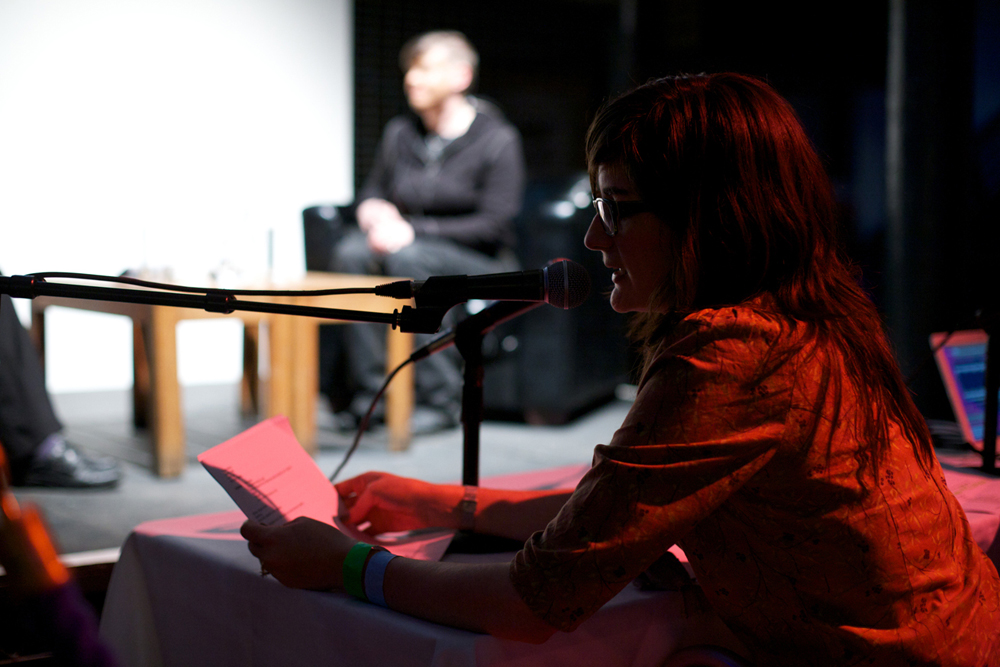
Three (thankfully short) chats wherein we try and get at what’s eating us with regards to experimental music, and what we think might be worth salvaging.
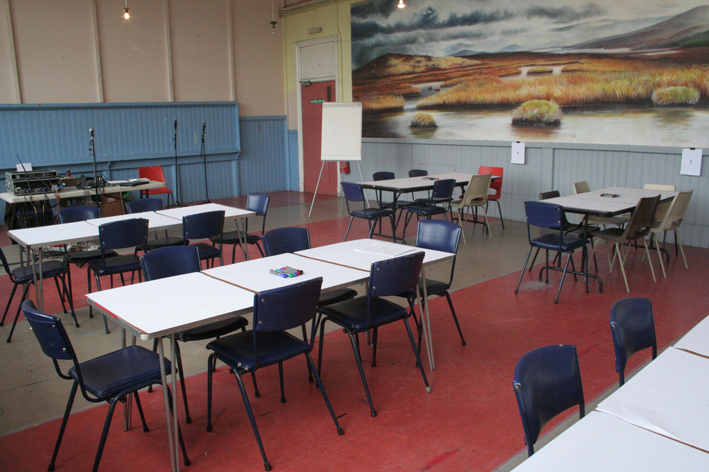
As part of Karrabing’s visit to Scotland, the collective will be hosted for three days in the Isle of Skye by The School of Plural Futures.
‘Ten Pieces in the Form of Painful Variations’ for piano, an impossible score that looks like a grapeshot musical stave, a text of barbed loathing and doubt – an anti-composition.
A kind of performed installation of searing noise and silence, where we’re not sure who the performer is, when it starts or ends or even who it’s for.
INSTAL’s third outing saw performances by AMM, Cosmos (Sachiko M & Ami Yoshida), Voreboms, Vibracathedral Orchestra with Matthew Bower and John Godbert, Paragon Ensemble, Merzbow and Ryoji Ikeda.
Recently rediscovered but still very pertinent, Kino Beleške presents a series of speech acts and performative gestures by protagonists of the new artistic practice in former Yugoslavia: each a personal take on the role of art in society.