Cartography of Exhaustion
Peter Pál Pelbart
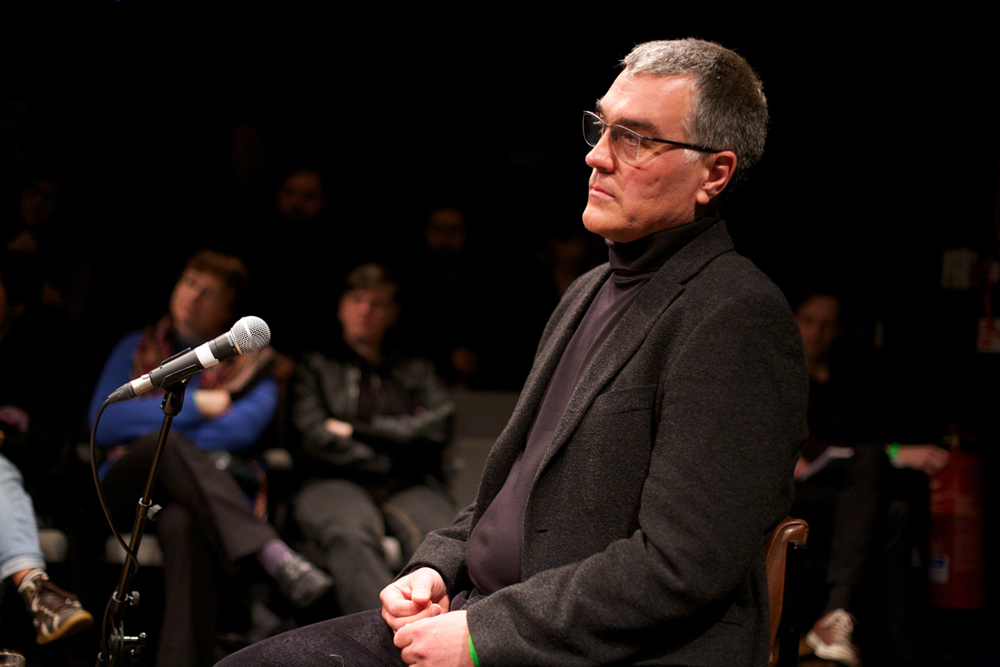
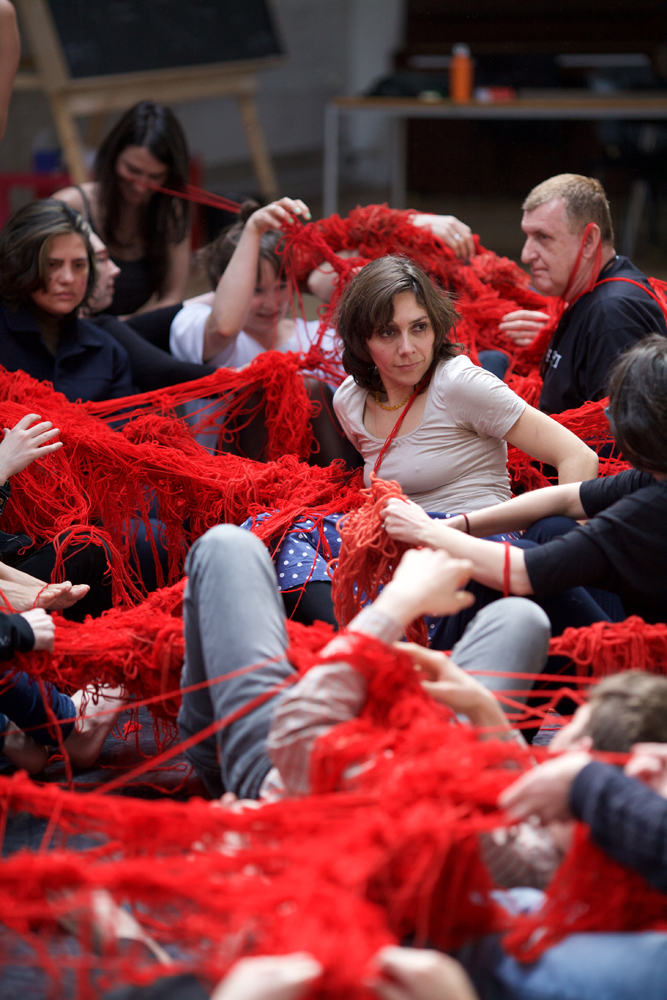
If life is assaulted by power, where do we find spaces for living? A conversation with Peter Pál Pelbart.
Arika have been creating events since 2001. The Archive is space to share the documentation of our work, over 600 events from the past 20 years. Browse the archive by event, artists and collections, explore using theme pairs, or use the index for a comprehensive overview.
If life is assaulted by power, where do we find spaces for living? A conversation with Peter Pál Pelbart.
Three panels offering opportunities to discuss how to build stronger alliances between the sex workers’ rights, migrants rights and reproductive justice movements and how to face, together, an increasingly punitive and reactionary system.
An excavation of the 1805 Lock Hospital in Glasgow. Its official function was to support ‘unfortunate females with venereal disease’, but really what happened was that women and girls were marched in, experimented on, and often never released.
Ray and Thomas talking about how cognitive neuroscience is unlocking the physical basis of personal experience.
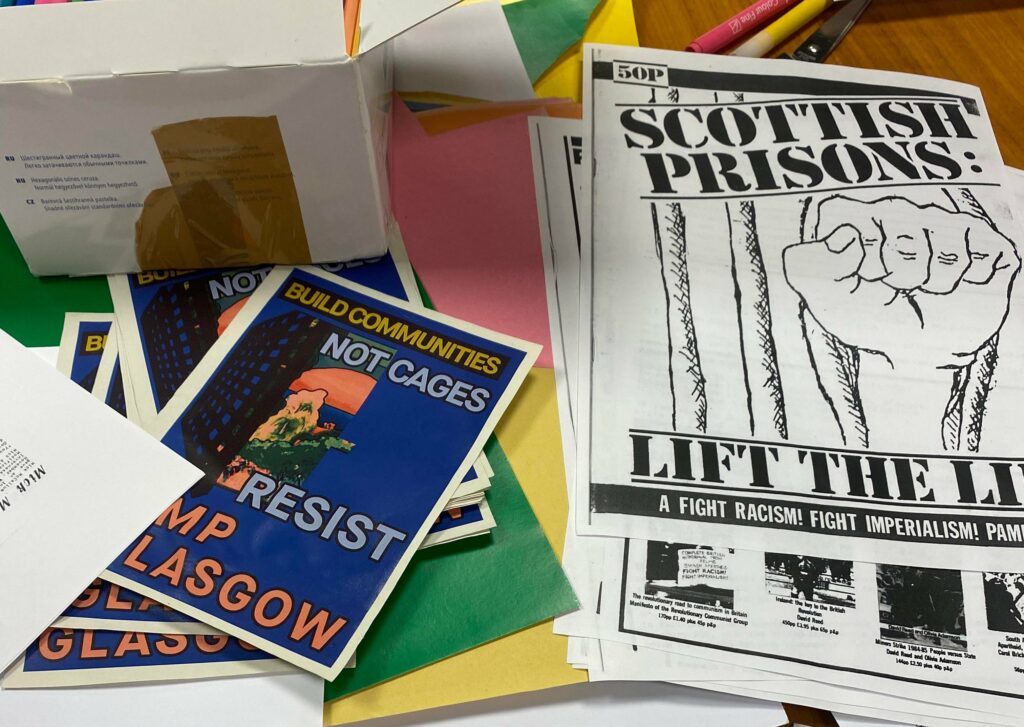
How do people both inside and outside of prison work together to dismantle the criminal justice system and build a society based on collective care?
The mutability of the body and the mobility of identity: queered pop culture, drag, lip-sync and performance.
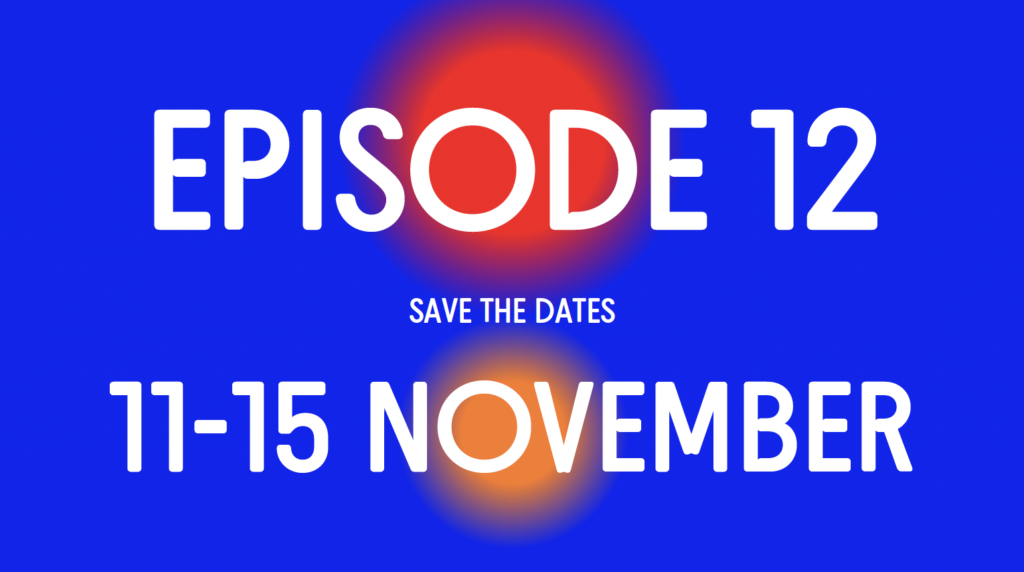
Save the dates for Episode 12.
Wednesday 11 – Sunday 15 November 2026
An open collaborative workshop space in which games, warm-up sessions, exercises and scenes are potentially the same thing, through which to project your own concerns onto the stage.
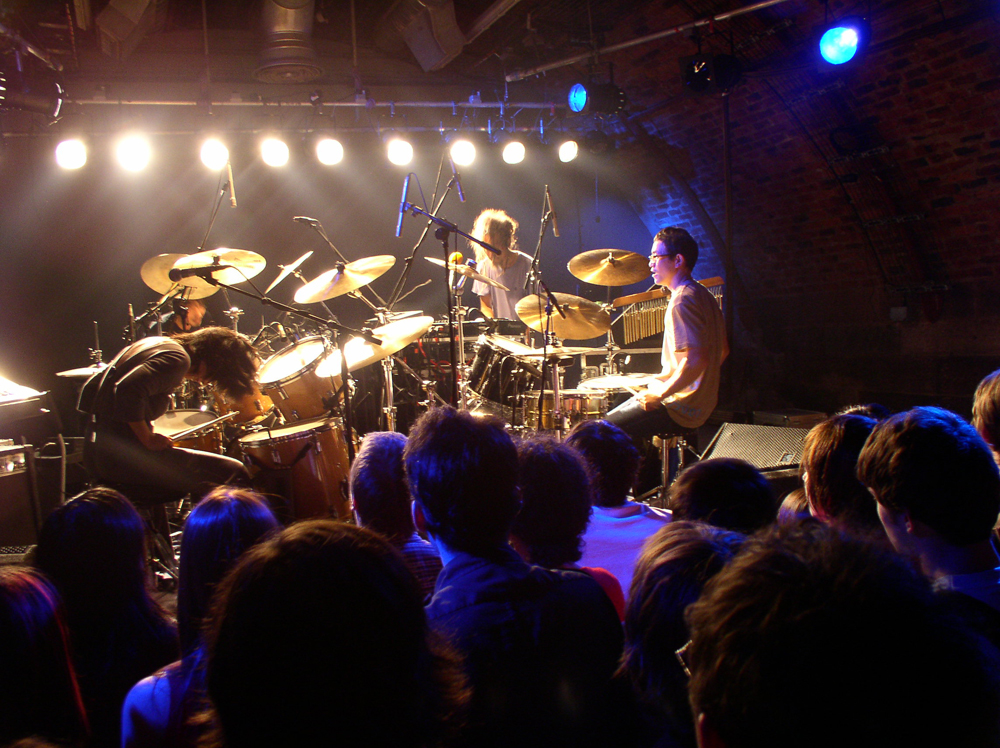
Rare UK performance by legendary Japanese post punk group during their 4 drummers + synth / vocals phase.
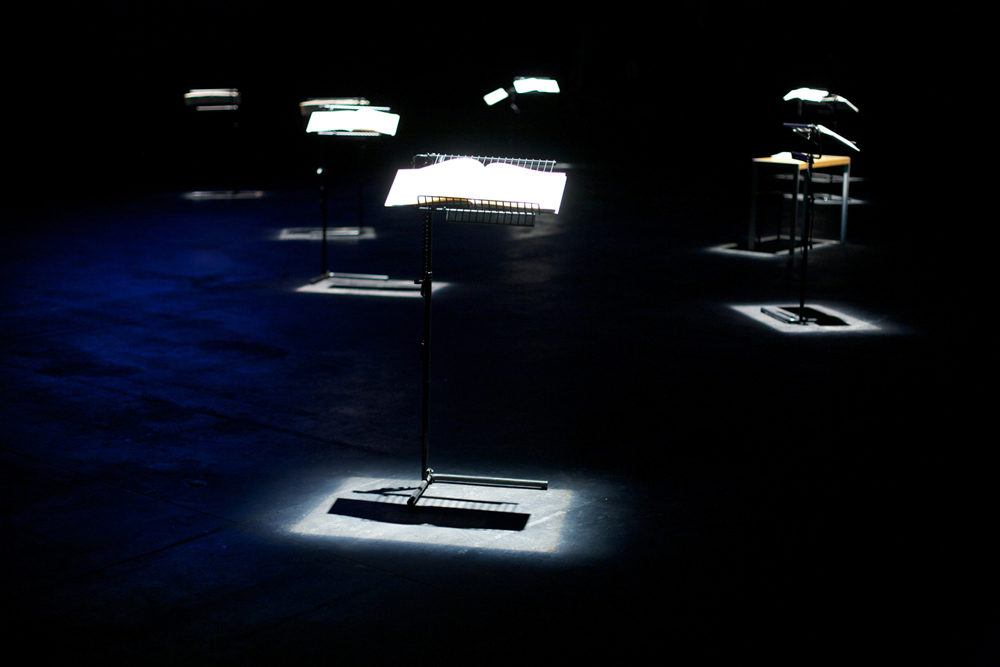
‘Ten Pieces in the Form of Painful Variations’ for piano, an impossible score that looks like a grapeshot musical stave, a text of barbed loathing and doubt – an anti-composition.
First in a series of workshops for workers and non-workers who care. Does work that asks us to be attentive to the needs of others force us to sell our capacity for kindness?
How do you know what you want? Should freedom be doing what you ought, not doing what you want? How might a philosopher and artist turn this thinking into an enabling condition in the context of noise and improvisation?