Arika delivers a manifesto
Arika
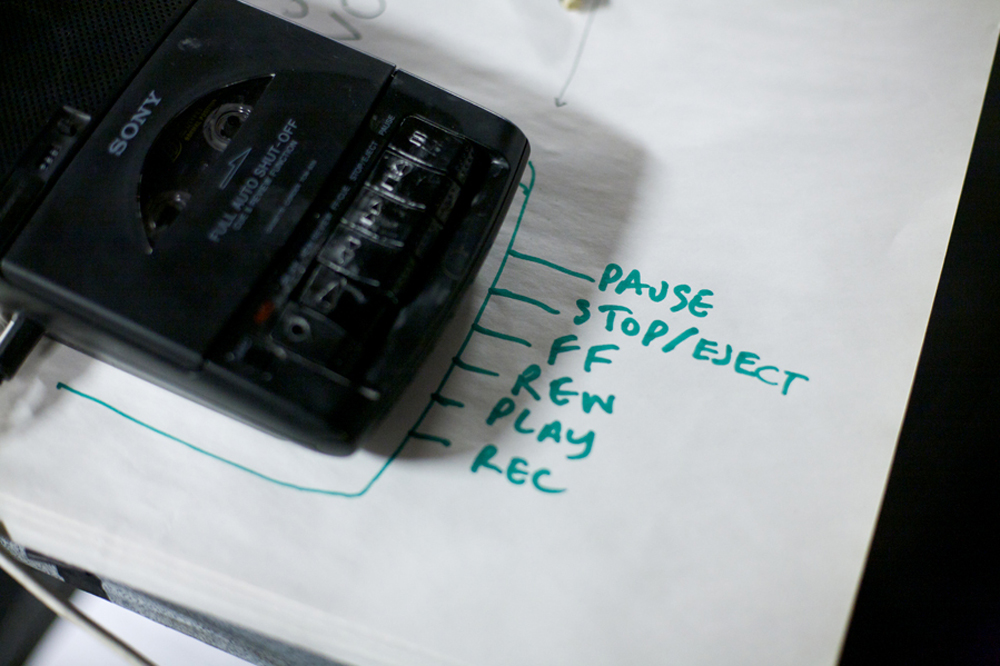
Three (thankfully short) chats wherein we try and get at what’s eating us with regards to experimental music, and what we think might be worth salvaging.
Arika have been creating events since 2001. The Archive is space to share the documentation of our work, over 600 events from the past 20 years. Browse the archive by event, artists and collections, explore using theme pairs, or use the index for a comprehensive overview.
Three (thankfully short) chats wherein we try and get at what’s eating us with regards to experimental music, and what we think might be worth salvaging.
Our favourite Lancashire-born autodictact asks what’s political about the tension between the individual and the collective in free jazz.
Dundee. Progressive rhythmical guitar squall vs. post-highland discorporate dusk-jockey.
A series of reality dramas happening over the course of the weekend.
How do poetry and maths stitch together pictures of our fractured situation from its wreckage and relics, from the debris of hope and the well of residues that make us what we are?
One of the most revered and legendary underground acts of the past 20+ years, Current 93 is the constantly evolving creation of David Tibet.
Underground movement legend boychild hosts this workshop—on improvisation, cosmetics, movement and lip-sync.
A recently reanimated Ascension, with mighty Leeds drum hero Paul Hession bringing a dense polyrhythmic torrent into play with Jaworzyn’s reinvigorated piercing guitar.
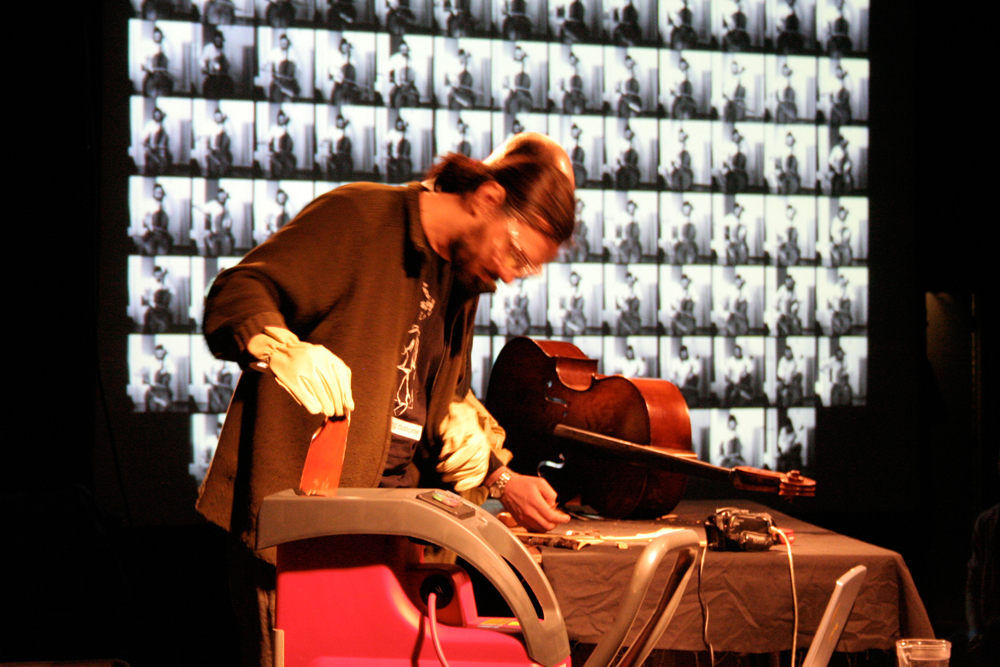
Nikos played every note that it’s possible to play on the cello, all played back as a one hour drone, while the cello was turned to powder and bottled.
A short chat about what we (Arika) might be trying to do with our program for the Biennial.
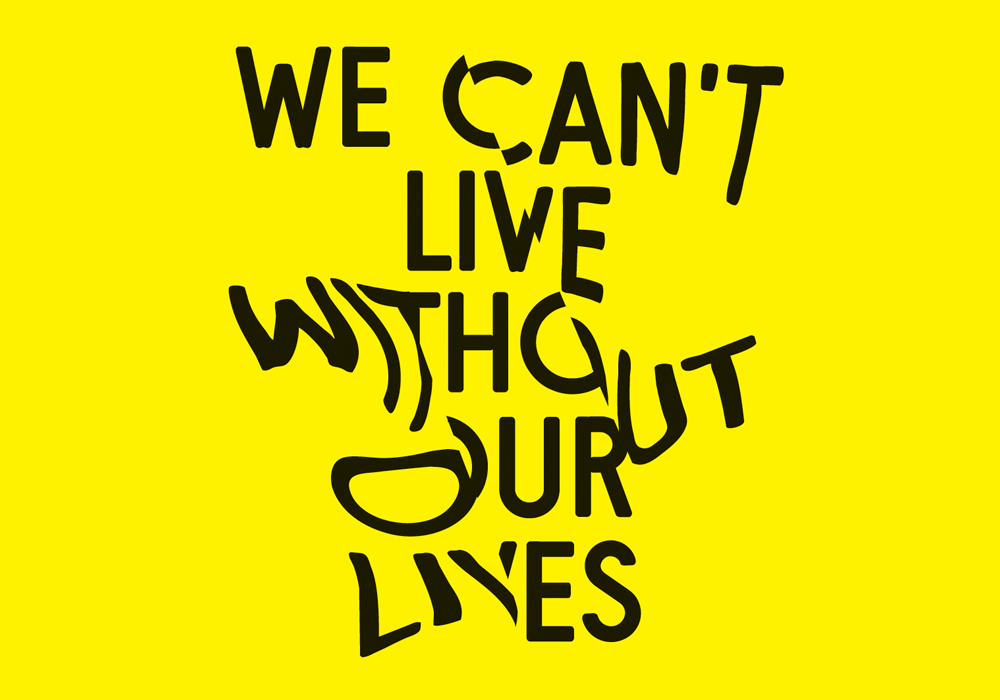
In a moment of social exhaustion, we want to ask how we might care for each other differently. We Can’t Live Without Our Lives is a 5-day exploration of care as a form of struggle and resistance, with communities who embody it.
If life is assaulted by power, where do we find spaces for living? A conversation with Peter Pál Pelbart.