#untitled lipsync 2
boychild
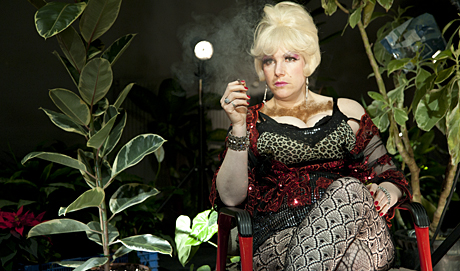
The mutability of the body and the mobility of identity: queered pop culture, drag, lip-sync and performance.
Arika have been creating events since 2001. The Archive is space to share the documentation of our work, over 600 events from the past 20 years. Browse the archive by event, artists and collections, explore using theme pairs, or use the index for a comprehensive overview.
The mutability of the body and the mobility of identity: queered pop culture, drag, lip-sync and performance.
First in a series of workshops for workers and non-workers who care. Does work that asks us to be attentive to the needs of others force us to sell our capacity for kindness?
Long Stringed Instrument performance involving up to 100 wires strung in tension over a 40m arch.
The role of feelings in public life, (political) depression and creative survival.
Conceptual choreography as critique, in Ligia’s film of Caribbean plots and scandals, and the possibilities of anti-colonial revenge, rest and repair.
Ex Ganger guitarist’s solo performance for guitar and fx, featuring breathless processed guitar, complex in structure and melody.
Includes: street portraits of kids in 1930’s Dakota, a mysterious foggy pilgrimage, a swarm of time-lapsed consumers, a stereoscopic analysis of mill life, up close and personal in a Lighting Bolt mosh pit.
4 days of workshops, discussions and artists presentations exploring the radical act of caring for each other while working to change the world.
There exist places in our towns and cities that are created not by design, but by circumstance. Shadowed Spaces was a tour of overlooked, bypassed and unconsidered nooks and crannies with 3 musicians.
A fully transcribed, described, and open-captioned film screening that’s nothing short of their actual open heart.
A performed film lecture exploring how the ‘Rumberas’ of Caribbean cinema of the 40’s and 50’s subverted demeaning images of themselves through dance, sound and a sociality that insisted on blackness as being a cultural performance, not simply due to skin colour.
When we look, how do we objectify the body; how can we reflect on our (self) image as a construction?