Standing in the Flesh
Hortense J. Spillers
In rethinking the body, the law, the state, gender, race, violence, care and empathy, how we might give humanness a different future?
Arika have been creating events since 2001. The Archive is space to share the documentation of our work, over 600 events from the past 20 years. Browse the archive by event, artists and collections, explore using theme pairs, or use the index for a comprehensive overview.
In rethinking the body, the law, the state, gender, race, violence, care and empathy, how we might give humanness a different future?
What is the radical concept at the core of ‘rhythm’, expanded from simply musical or mathematical notions to encompass personal, social, collective rhythms?
A conversation and livestream considering a global feminist critique of capital with Silvia Federici, Hortense Spillers and Gayatri C. Spivak.
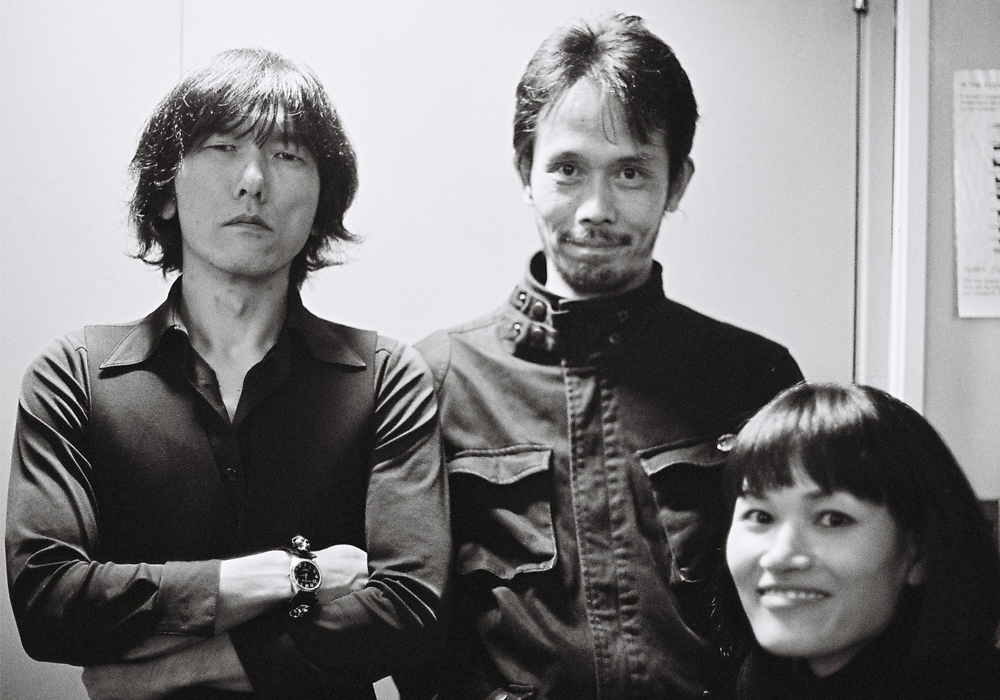
The 2006 INSTAL festival saw a broad selection of artists that included Blood Stereo and Ludo Mich, Ellen Fullman and Sean Meehan, Keiji Haino and Tony Conrad and a specially created performance by Maryanne Amacher.
Using violin and cello the duo map out a twilight sonic world that seems to tread the faultlines between improvisation and composition.
Cask-strength electrohypnol/ shroom damaged folk croonings by Lapsed Electronics empire builder responsible for recent Tremors blowouts.
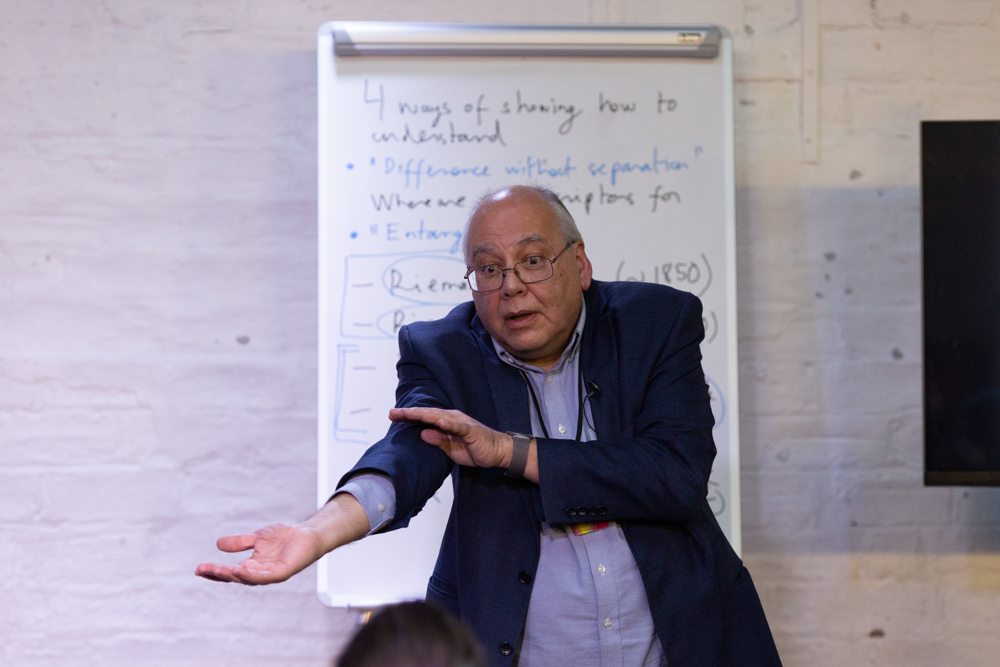
Fernando thinks that when maths is deep, it should be simple and able to be explained by hand gestures. By embodying ideas, we’re able to more clearly think about their cultural implications.
An open-ended moment in an ongoing series of films, notes, performances, diagrams and drawings which trace the questions they share. A “porous space between cinema time-space and lived time-space.”
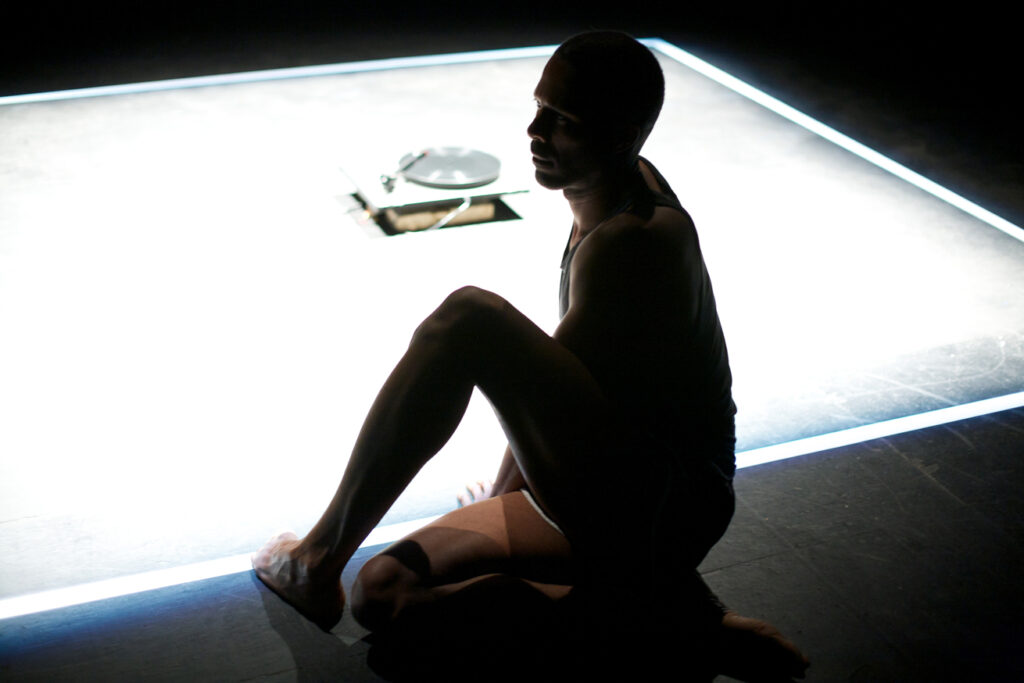
When we look, how do we objectify the body; how can we reflect on our (self) image as a construction?
Personal Spaces: inversion of a territorial bell, confusing the realms between rehearsal and performance, public and private space.
How can we imagine bodies not as an end in themselves, but as a medium through which we can become one another’s means?
How do poetry and maths stitch together pictures of our fractured situation from its wreckage and relics, from the debris of hope and the well of residues that make us what we are?