Music for a Long Time
Rolf Julius
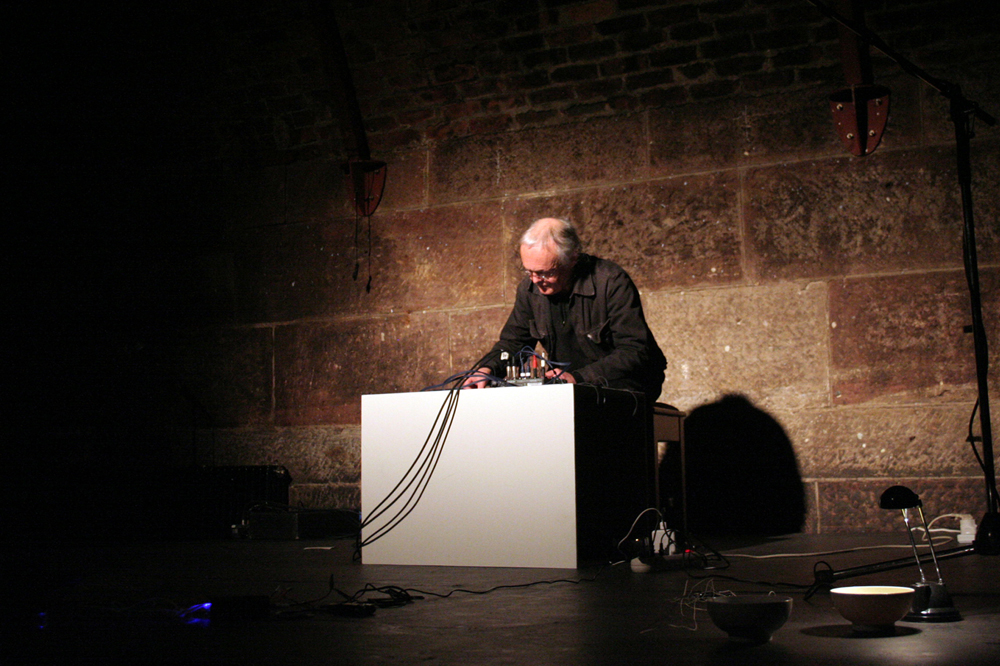
Julius’ “small music” features simple snatches of found sound, played back through small speakers, often set in bowls of pigment and dirt which shimmies in the vibrations.
Arika have been creating events since 2001. The Archive is space to share the documentation of our work, over 600 events from the past 20 years. Browse the archive by event, artists and collections, explore using theme pairs, or use the index for a comprehensive overview.
Julius’ “small music” features simple snatches of found sound, played back through small speakers, often set in bowls of pigment and dirt which shimmies in the vibrations.
A stroboscopic and intense sensory overload of flashing abstract forms, cut to ribbons by modified projectors.
Temporary Outpost for an Auditory Gesture is a kind of performed installation that explores how sonic phenomena (like feedback, vibration, resonance, echo, rhythm) condition our experience.
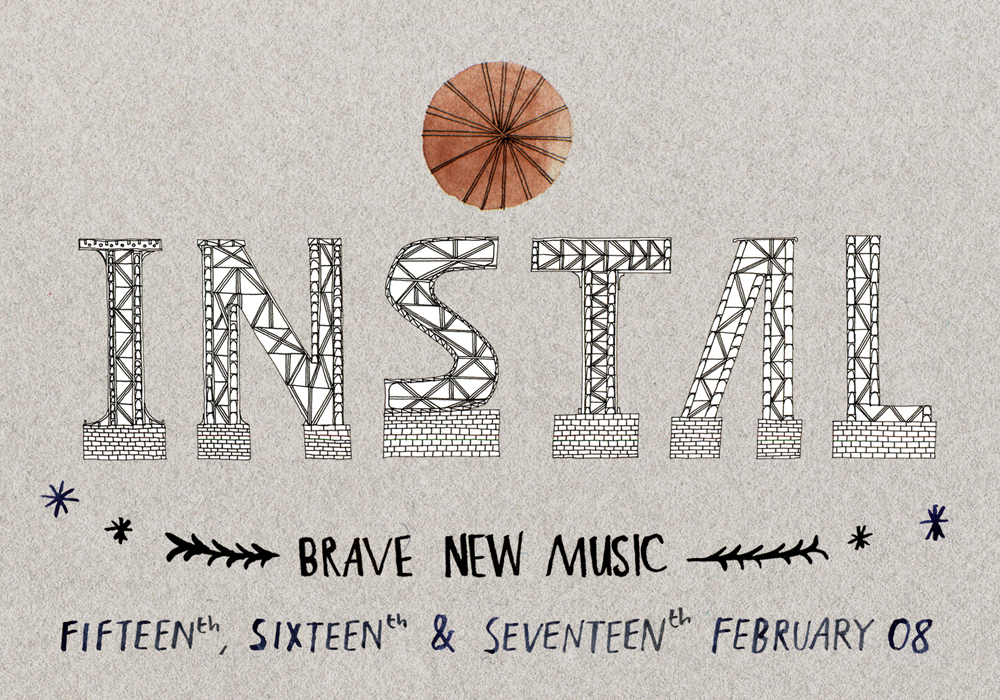
A cast of pioneering and provocative spirits who exist outside the mainstream, between borders and definitions; a series of events that each explore different aspects of music that doesn’t quite fit any given category. INSTAL 08 included the Self-Cancellation project.
Personal Spaces: inversion of a territorial bell, confusing the realms between rehearsal and performance, public and private space.
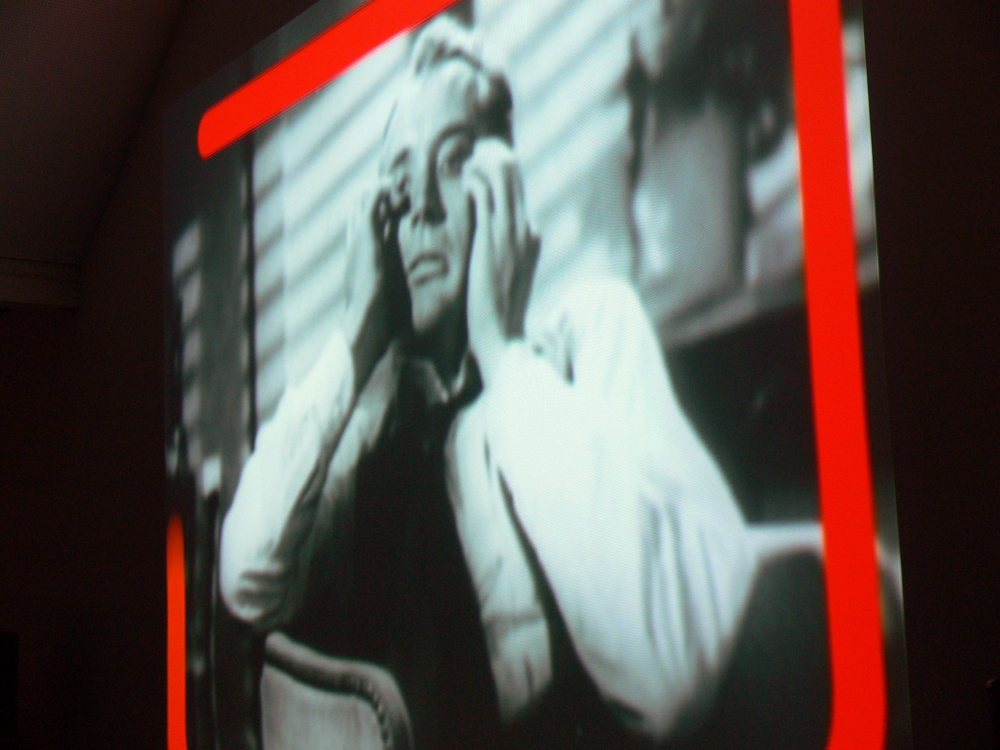
A silent collage of found film footage partially layered with computer graphics to provide a framework in which live music can develop.
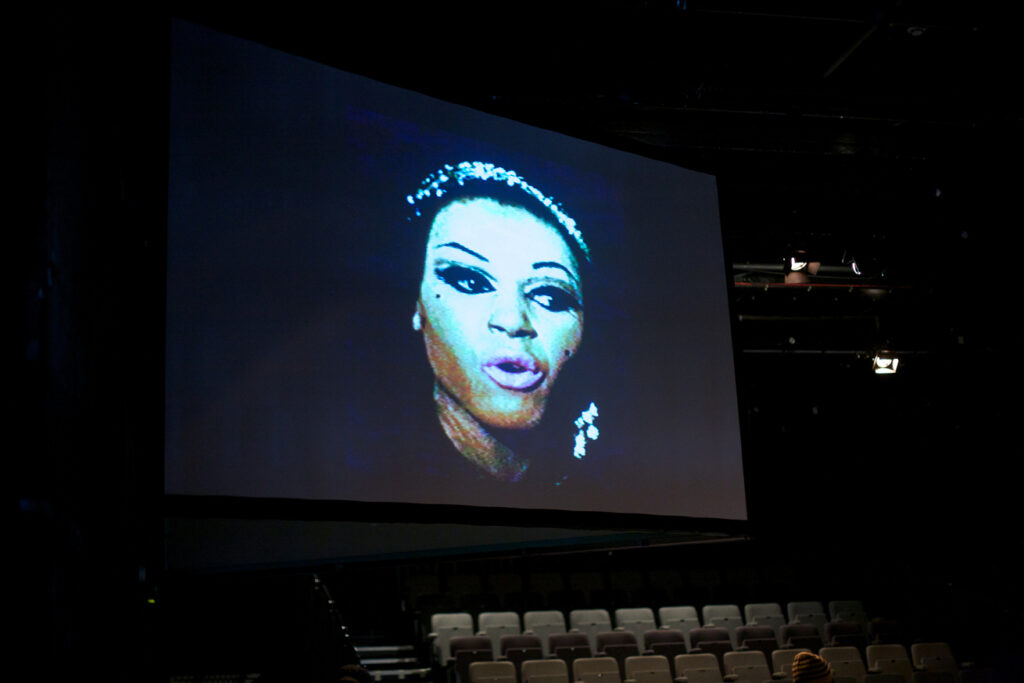
A historical narrative of the black and Latino/a transgender, bisexual, lesbian, and gay House and Ballroom Scene in relation to race, gender, sexuality and class oppressions.
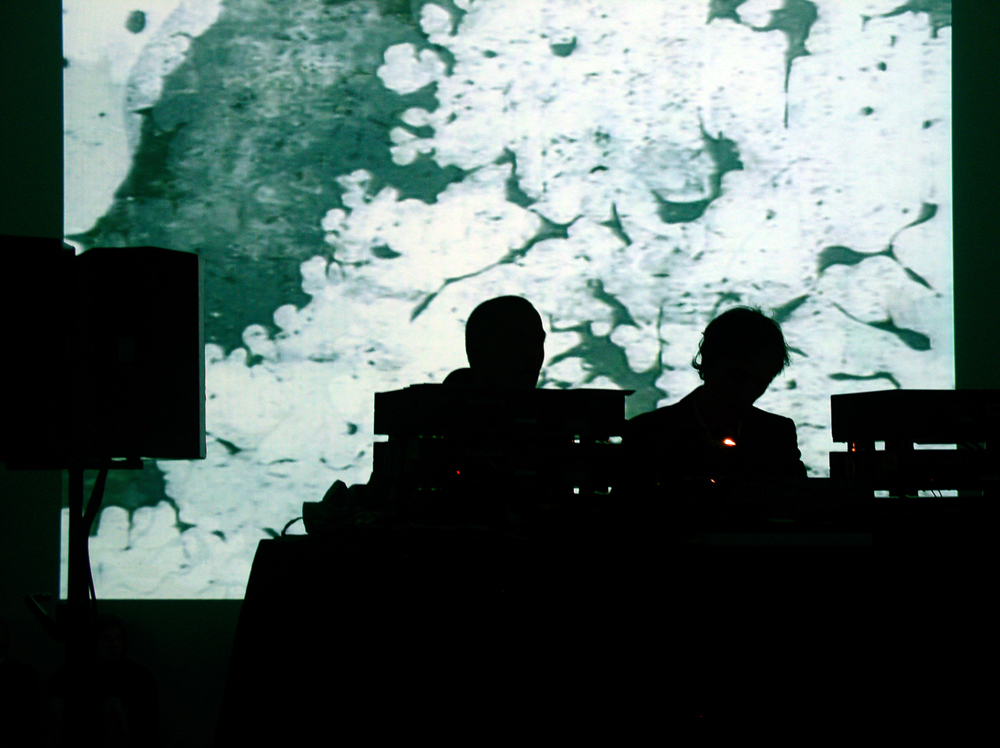
Andrew Chalk & Christoph Heemann return with their diaphanous, impressionistic drone duo; their slowly evolving and enthralling works flutter and quiver with elegantly restrained, miniature sound events.
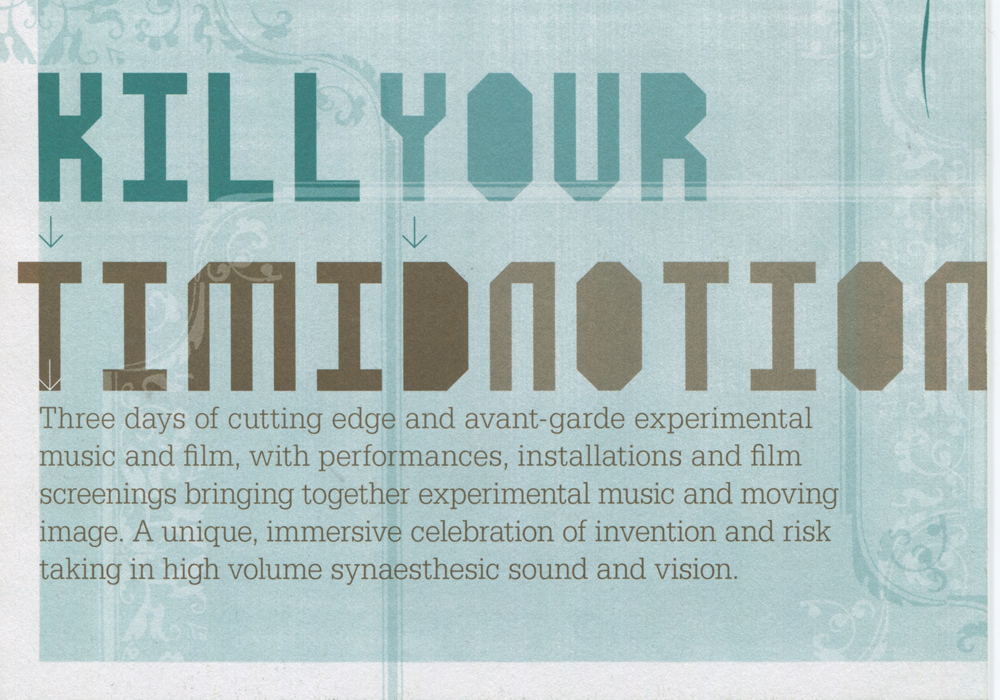
Taking over the gallery spaces at Dundee Contemporary Arts, the first Kill Your Timid Notion presented a 3 day programme of live immersive experiences and specially curated film programmes.
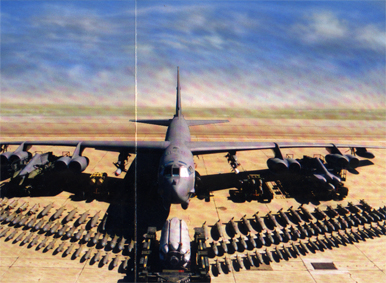
Hartmut is going to talk a little about his work at large and the politics of how his films are constructed. And we’ll screen one of his best films: B-52.
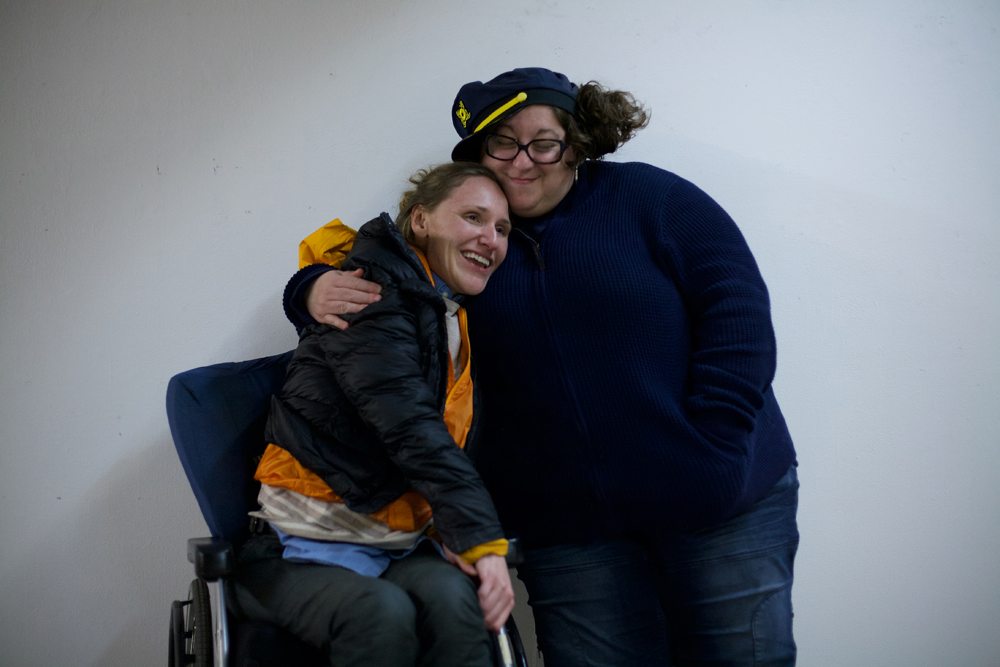
The first of two workshops that highlight correspondence as a way of working. Somewhere between song, speech, and logistical arrangement, these workshops invite participants to consider care as infrastructure.
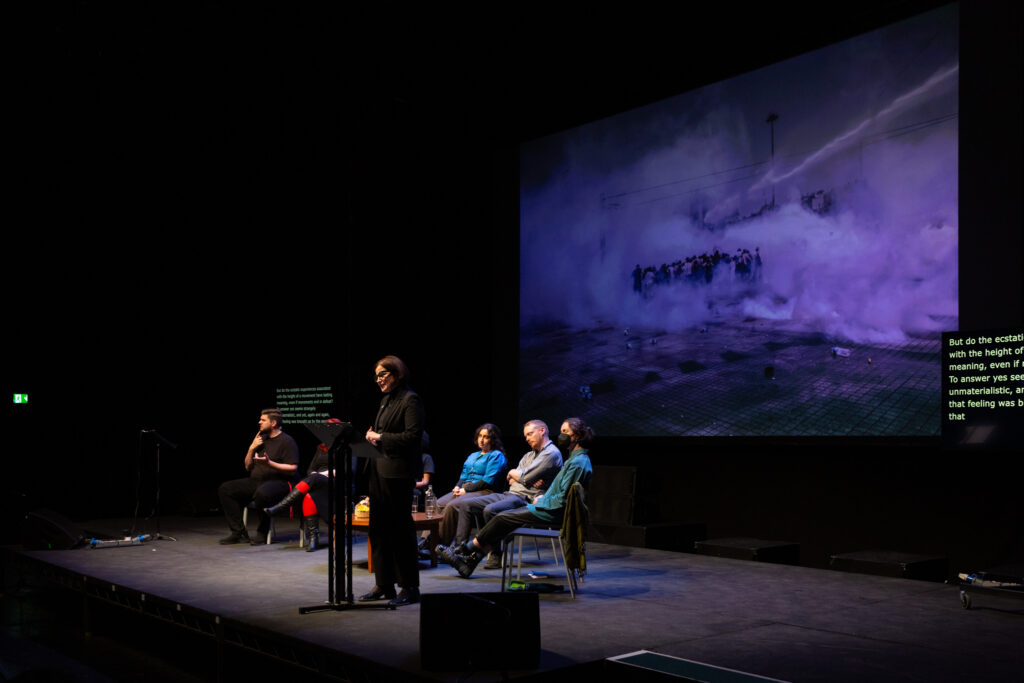
Four perspectives from people involved in different anti-capitalist and anti-racist struggles, considering how ideas of ‘ending’ have shaped their political thinking and praxis.