The Strangeness of Dub
Dhanveer Brar Edward George
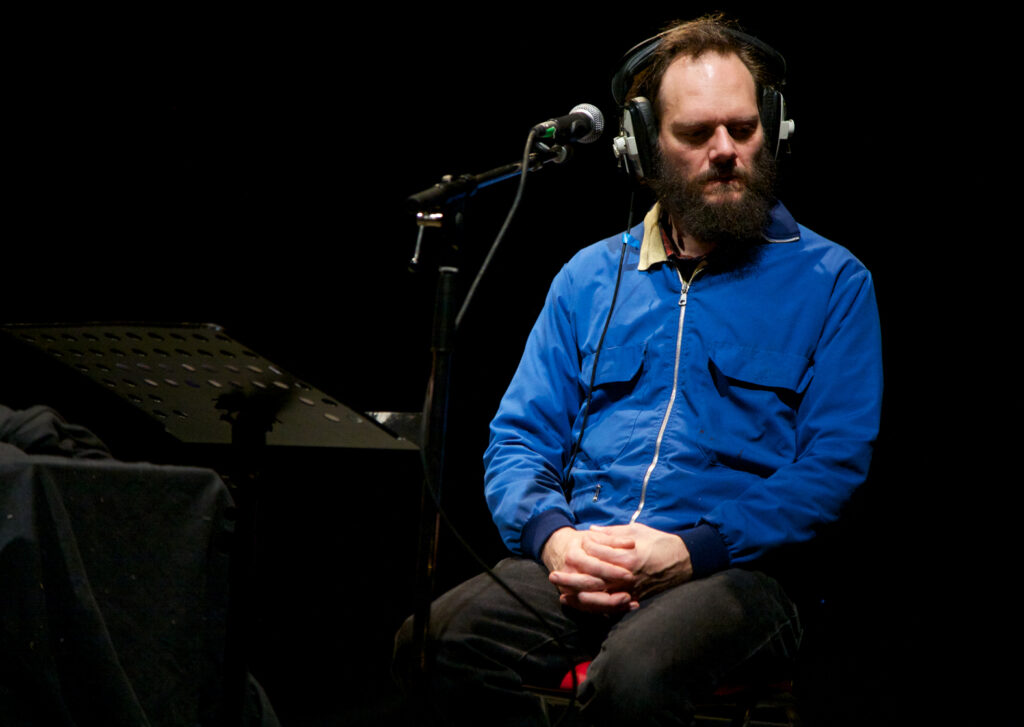
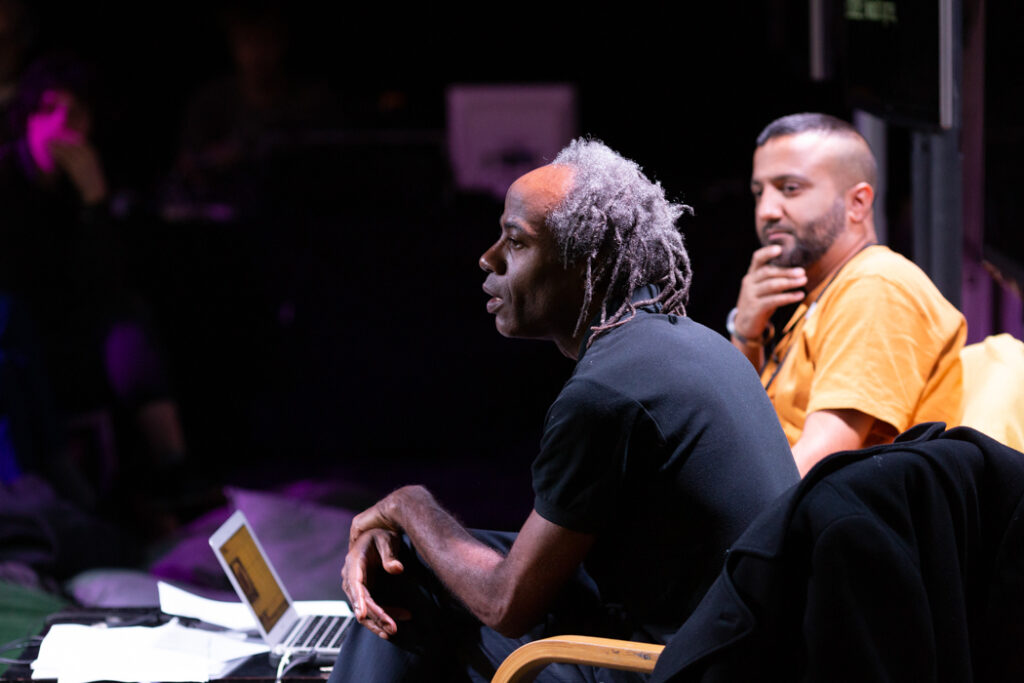
Dub is strange. A conversation with Edward George and Dhanveer Brar.
Arika have been creating events since 2001. The Archive is space to share the documentation of our work, over 600 events from the past 20 years. Browse the archive by event, artists and collections, explore using theme pairs, or use the index for a comprehensive overview.
Dub is strange. A conversation with Edward George and Dhanveer Brar.
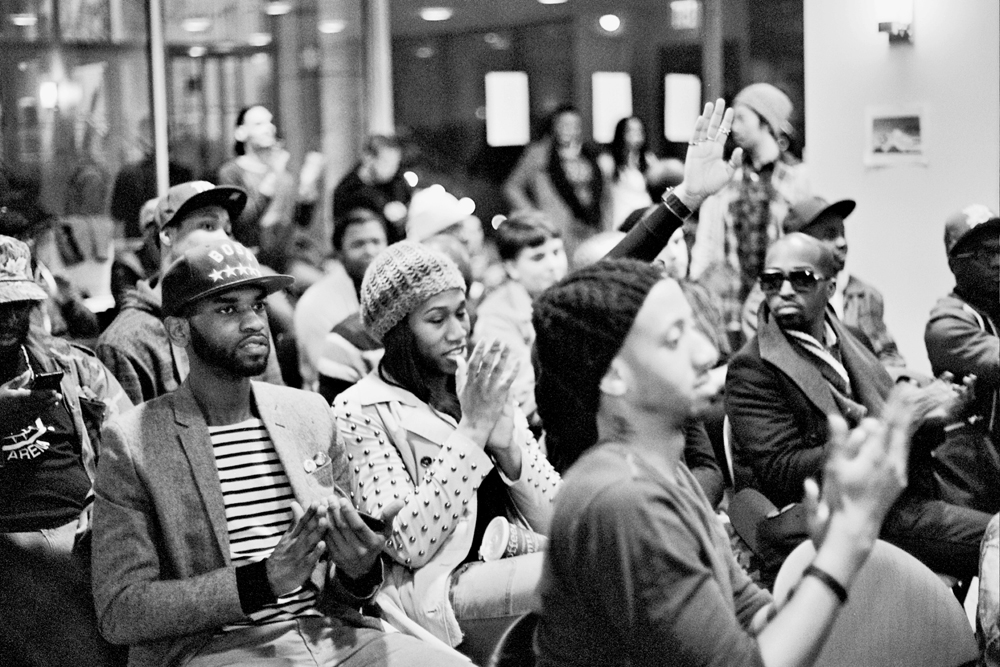
Open community meeting to discuss some of the prevalent concerns impacting the ballroom community.
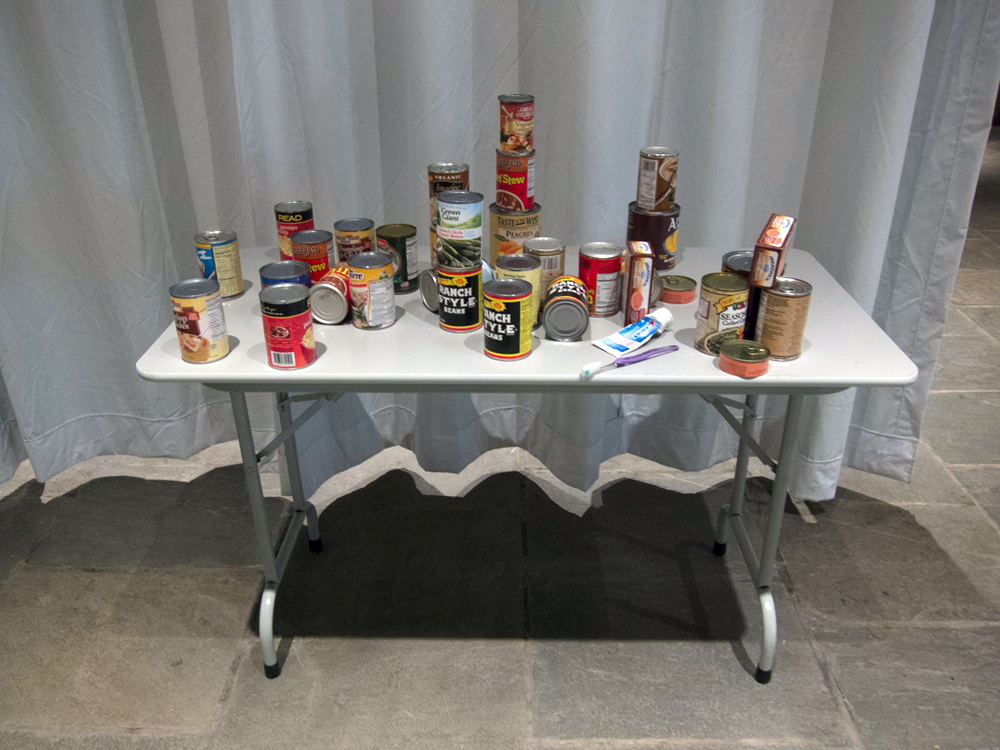
A testimony to poverty from Chris’s own experiences, and an invitation to engage with an all too typical situation and context through a kind of imaginary listening.
Final workshop exploring work, care and class. Does the ‘care industry’ summon forth its own class? Can this ‘affective class’, in their ability to care for others, militate against the carelessness of self-interest?
A riot of 60’s psychedelia, magick, ritual and tight black leather, this programme highlights underground innovators who use and subvert pop music for their own experimental ends; and be warned, in Anger, there’s real darkness.
Harrowing but musical confrontations with the very real, physical and aural trauma of a woman screaming.
What is the radical concept at the core of ‘rhythm’, expanded from simply musical or mathematical notions to encompass personal, social, collective rhythms?
Sadia Shirazi & Mezna Qato will discuss a series of scores that explore the texture and landscape of exile, resistance, and Muslim sociality. These instructional scores trouble the idea that art and activism are untouched by faith and faith is untouched by art and activism.
Ecstatic, intensely joyous experimental club music: like “the sound of our water ceremonies…40 bands playing their melodies at once to recreate the cacophony of the first aurora and the call of the morning star Venus”.
An invitation into languages field of touch; to speak in feeling together.
Listening to people listening to their own homes. Musicians and actors will listen back to recordings made in local peoples homes on headphones, and interpret/ translate what they are hearing.
As opposed to suggesting soundtrack’s to Brakhage’s works [which are almost entirely silent] Text of Light use his works to stimulate improvisation, enveloping them into the structure of the group much like an additional musician.