The Echo Project
Brandon LaBelle
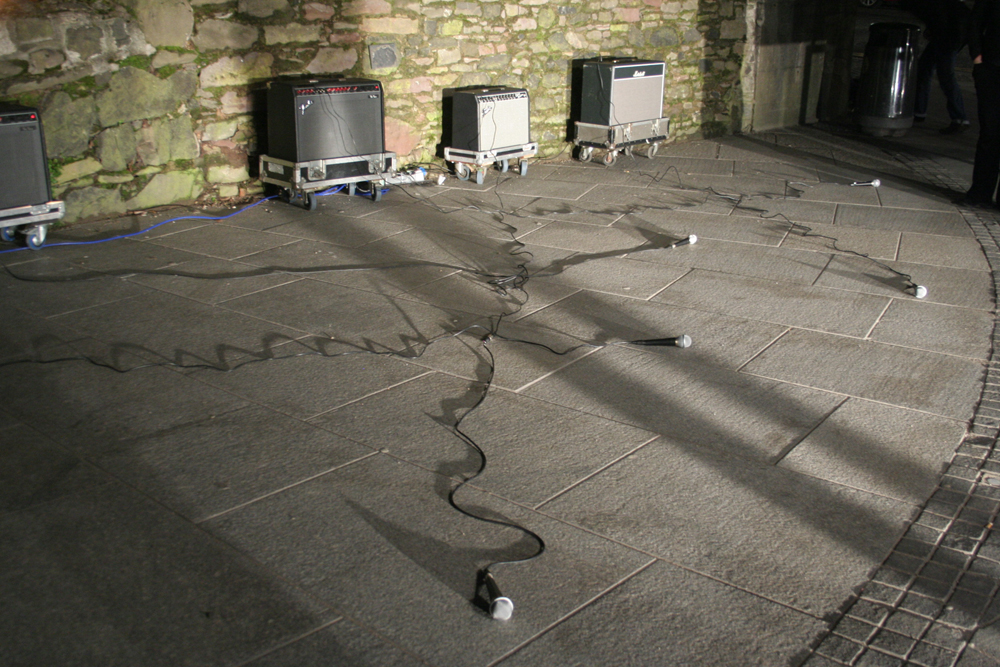
The Echo project is an installation as audio guide for a crowd. And at the same time it’s a private conversation: with you, as one of 20 people in a room, a sort of public intimacy.
Arika have been creating events since 2001. The Archive is space to share the documentation of our work, over 600 events from the past 20 years. Browse the archive by event, artists and collections, explore using theme pairs, or use the index for a comprehensive overview.
The Echo project is an installation as audio guide for a crowd. And at the same time it’s a private conversation: with you, as one of 20 people in a room, a sort of public intimacy.
Gravitational Feel is an engine for intensifying the differentiation of our entanglement, which you continually reprogramme in the mutual rub, shift and lap of its sonic, wooden, steel, textile and human material.
The pieces in the programme switch between silent film/ imageless sound, but we wanted to have a think about how ideas can take up residency on either side of the sound/ image border, without having to inhabit both at the same time.
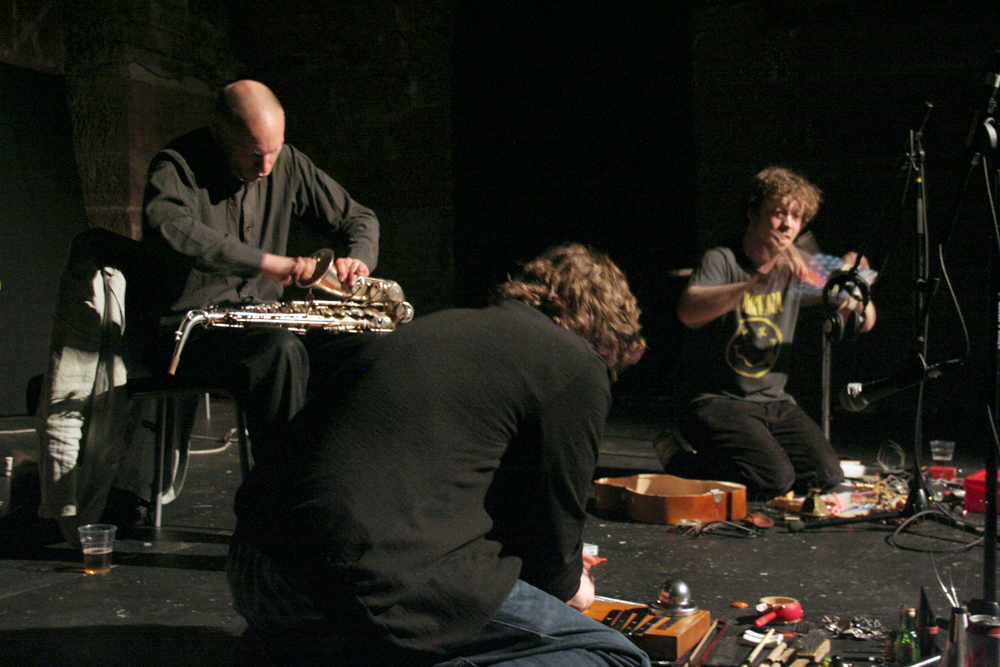
Three workshops lead up to an open invitation to improvise with the festival as concert. The last four hours of the Sunday 14 at Instal 10 were devoted to presentations devised during the three workshops. The material conditions (time, space, facilities…) were the instruments. From there anything could happen.
In the Foyer at the Tramway we will screen a documentary from the Sex Workers’ Festival of Resistance 2017 and La Llamada by Eduardo Restrepo Castaño.
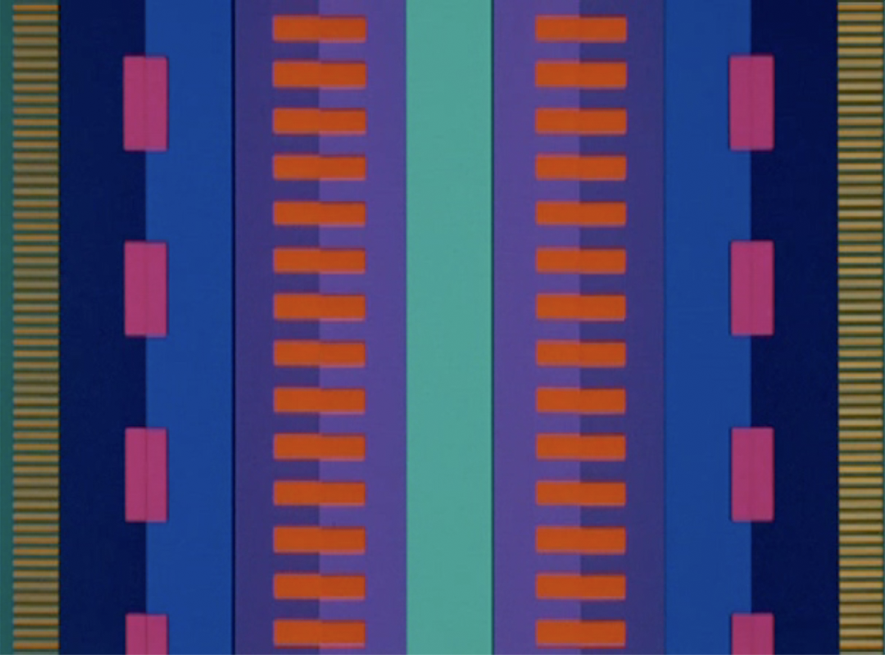
The Tower performance at KYTN throws into that mix the 70’s fluxus light shows and films of Jeff Perkins and other filmic interventions tuned to their unique frequency.
A discussion about what is at stake in the performance of realness and the practice of passing, and how they are both acts of survival and resistance.
A space to reflect on our own experiences with the police and explore more community and care-based ways of dealing with violence and difficulties in our lives.
The first of two workshops that highlight correspondence as a way of working. Somewhere between song, speech, and logistical arrangement, these workshops invite participants to consider care as infrastructure.
A workshop inviting participants to enact a series of scores that explore witnessing, testimony, grief and mourning, facilitated by Mezna and Sadia, and accompanied by Sakina Ali.
Three iconic figures from the Japanese underground assembled as a trio to stand in for the advertised duo of Junko and Jerome Noetinger who was unable to attend the festival due to illness.
How might two of the great musicians working within contrasting traditions of freedom collaborate? What might this produce: musically, socially, allegorically?