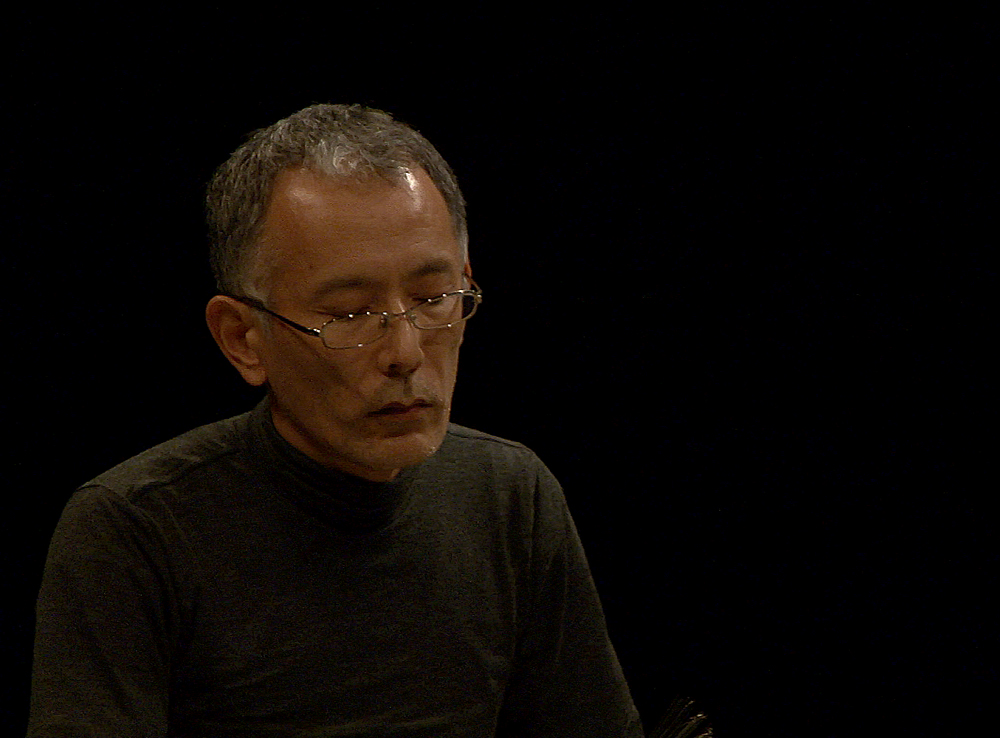
Why improvised music is so boring
Diego Chamy Jean-Luc Guionnet Seijiro Murayama
An improvisation that may or may not involve (typical) improvisation.
Arika have been creating events since 2001. The Archive is space to share the documentation of our work, over 600 events from the past 20 years. Browse the archive by event, artists and collections, explore using theme pairs, or use the index for a comprehensive overview.
An improvisation that may or may not involve (typical) improvisation.
A sound of buzzing and flickering metallic drones, glottal stops and guttural growls, and also an explosiveness and purity of sound that reminds you as much of Bill Dixon as anyone else.
Glasgow. Power electronic klutz behaviour by Kovorox sound head-honcho. Bruised bodies and broken microphones.
4 days of performances, discussions, workshops, screenings with mutant dancers, prison abolitionist poets, transfeminist revolutionaries, haunted noise, science fiction, sex worker resistance, crip erotics, radical pornography and militant fiction.
Chip’s written some of the greatest of all Sci-Fi and Fantasy—page turning character driven diamond-hard novels and short stories: each a lens that refracts our real-life struggles and desires.
I wanna be with you everywhere was a gathering of, by, and for disabled artists and writers and anyone who wanted to get with us for a series of crip meet-ups, performances, readings and other social spaces of surplus, abundance and joy.
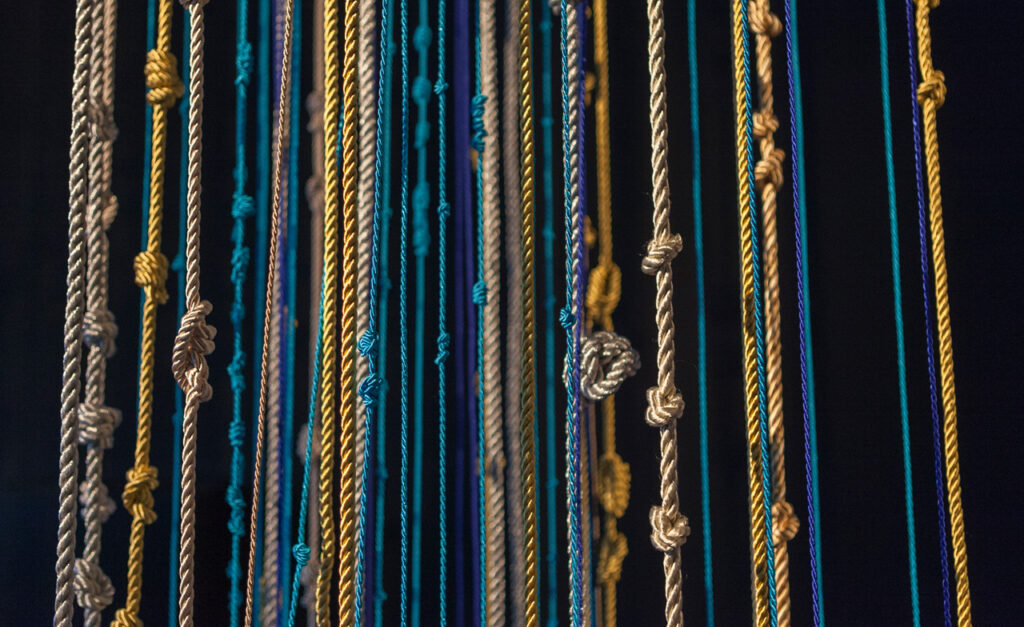
How do we sense entanglement? Can the knotting of ropes according to a poem’s rhythm make the social pulse of language matter?
Coffee, Croissants & Massage – a welcoming breakfast for all with massage by qualified massage therapists present to give hand & head massages.
Low-end drone guitarage army since 1997: nobody has done more on this occasion by a gaggle of sludge-lovers from the Scottish underground.
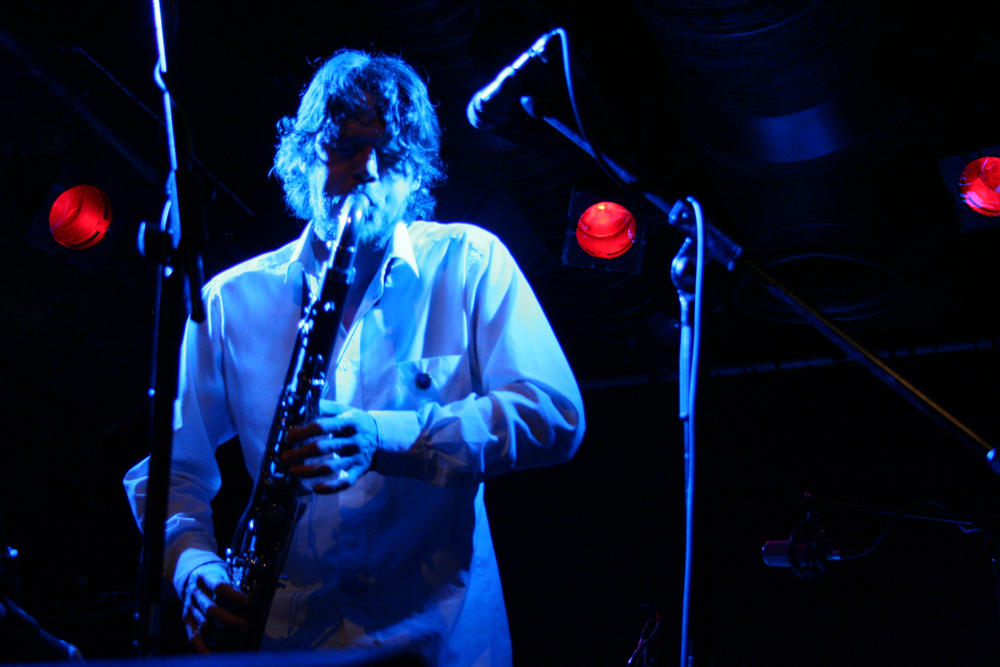
Solo performance on bass clarinet, jaw harp & voice by Arrington De Dionyso.
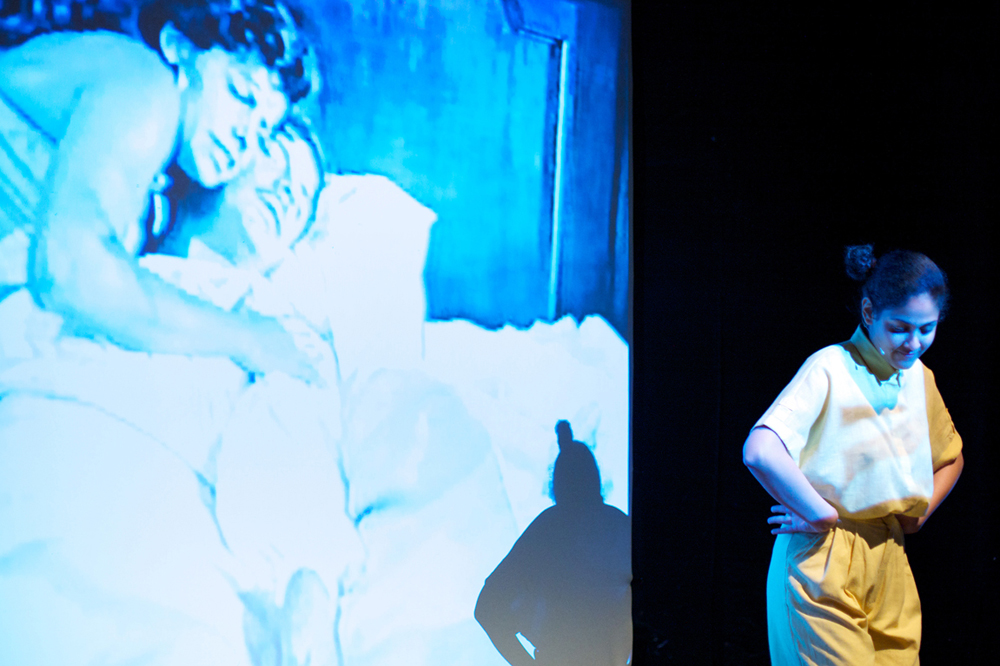
A performed film lecture exploring how the ‘Rumberas’ of Caribbean cinema of the 40’s and 50’s subverted demeaning images of themselves through dance, sound and a sociality that insisted on blackness as being a cultural performance, not simply due to skin colour.
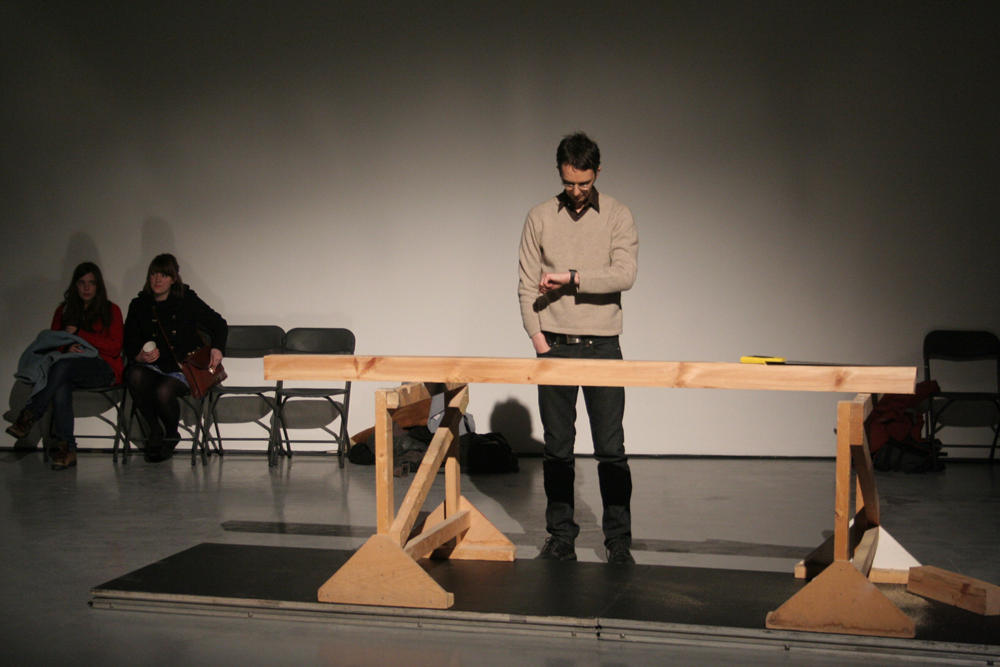
Can we use sound, repetition and difference to personally and collectively engage with space, time and labour?