



21 August 2026, 17:00
Drinks and Nibbles
Scotland for Decrim
A welcoming intermission between events, open to the public.
Hard Labour
Arika have been creating events since 2001. The Archive is space to share the documentation of our work, over 600 events from the past 20 years. Browse the archive by event, artists and collections, explore using theme pairs, or use the index for a comprehensive overview.
A welcoming intermission between events, open to the public.
Cask-strength electrohypnol/ shroom damaged folk croonings by Lapsed Electronics empire builder responsible for recent Tremors blowouts.
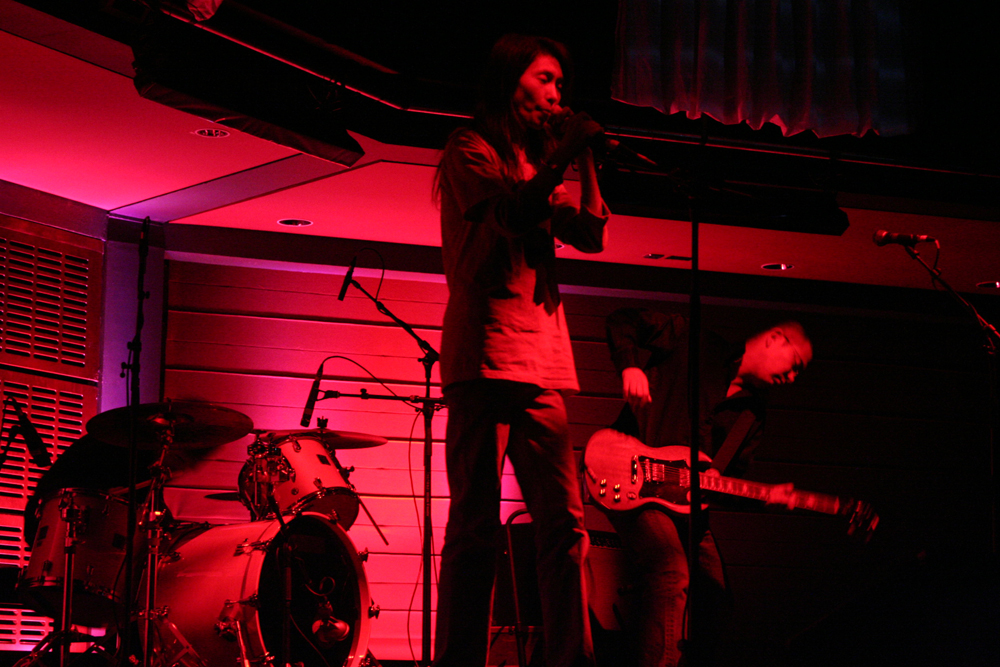
Three iconic figures from the Japanese underground assembled as a trio to stand in for the advertised duo of Junko and Jerome Noetinger who was unable to attend the festival due to illness.
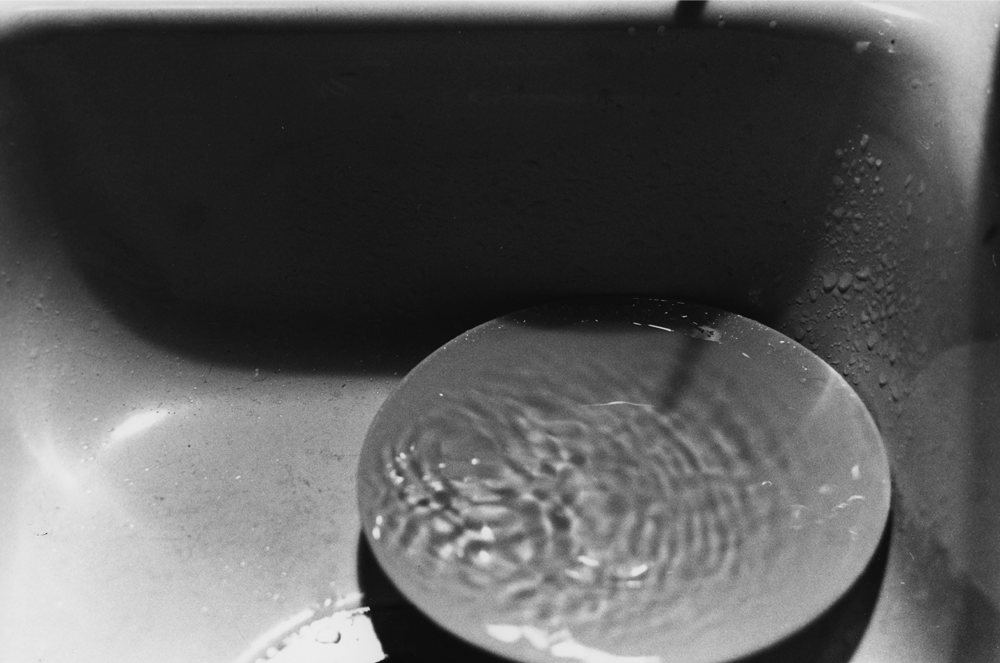
Everyday objects and materials (rubber bands, paper, a sink, microphones) disabused of their inertia and made to speak for themselves in a kind of focusing in on the tiny, repetitive, almost unobserved (sonic/ visual) potential of everyday things put into motion.
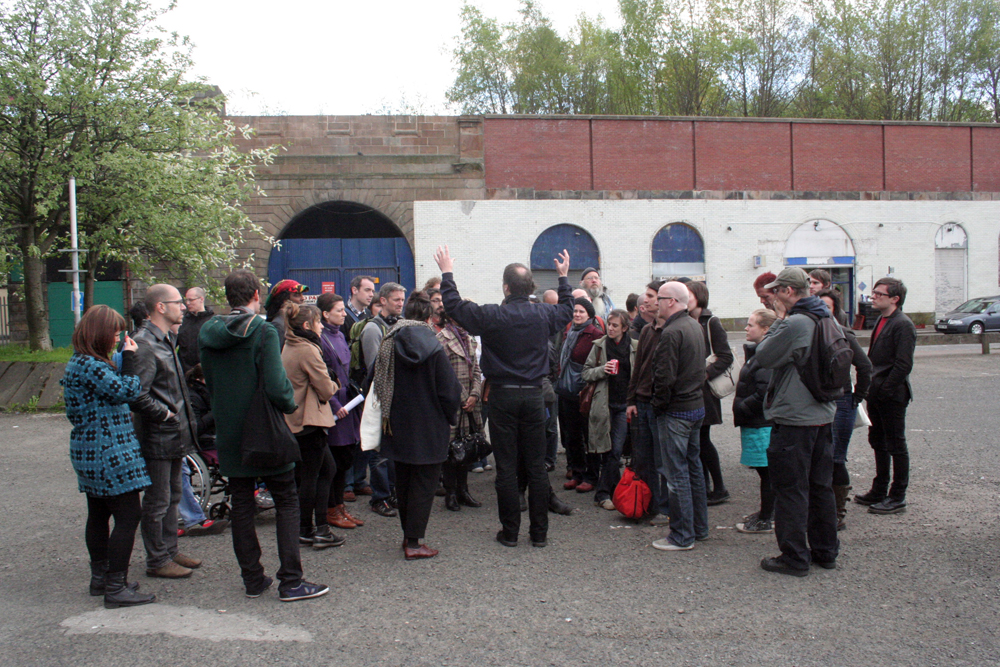
A public walk from George Square to the Barras market bringing contributions from researchers, activists and artists in a form of live critical praxis
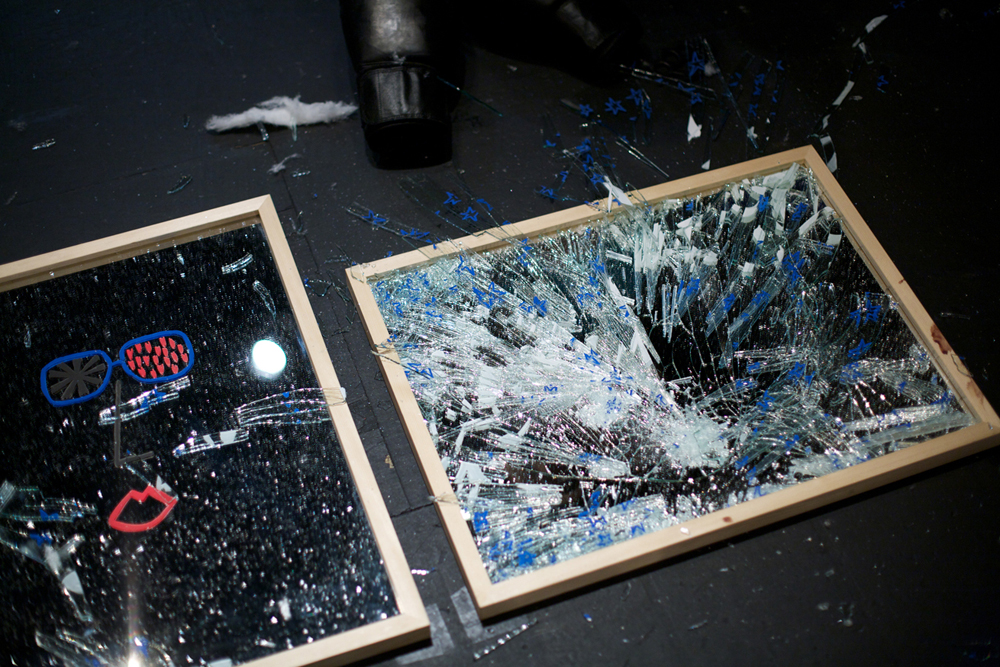
A performed reflection on Malin’s previous re-enacting of a super influential landmark of performance art from the French feminist and artist Gina Pane.
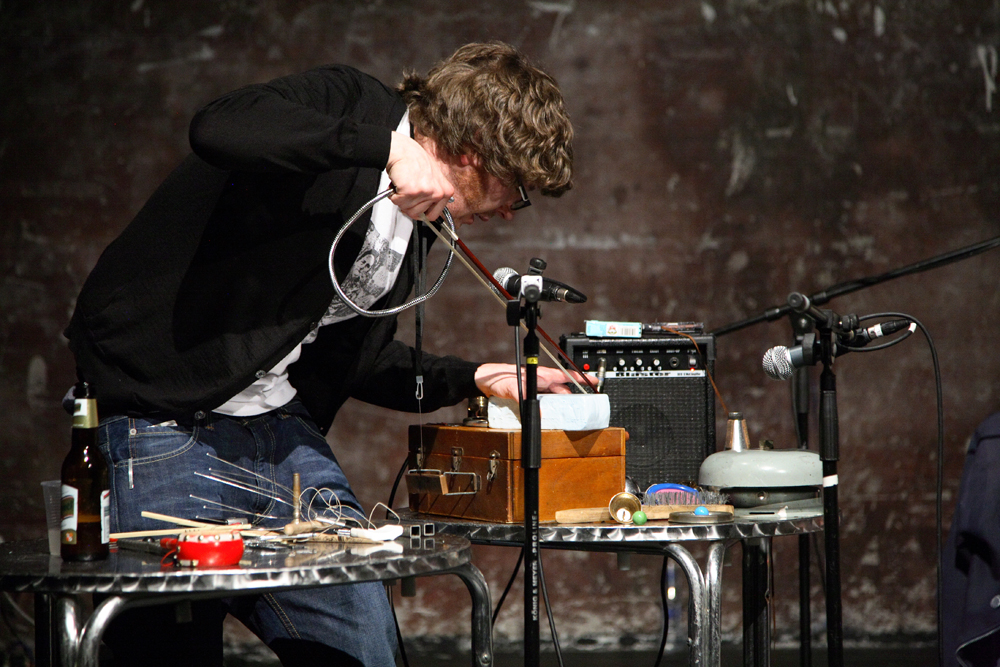
Dead Labour Process drool-tape farmer, squeaking/creaking Usurper brother and Peeesseye’s yodelling traps-man hold a real OUT splutter party.
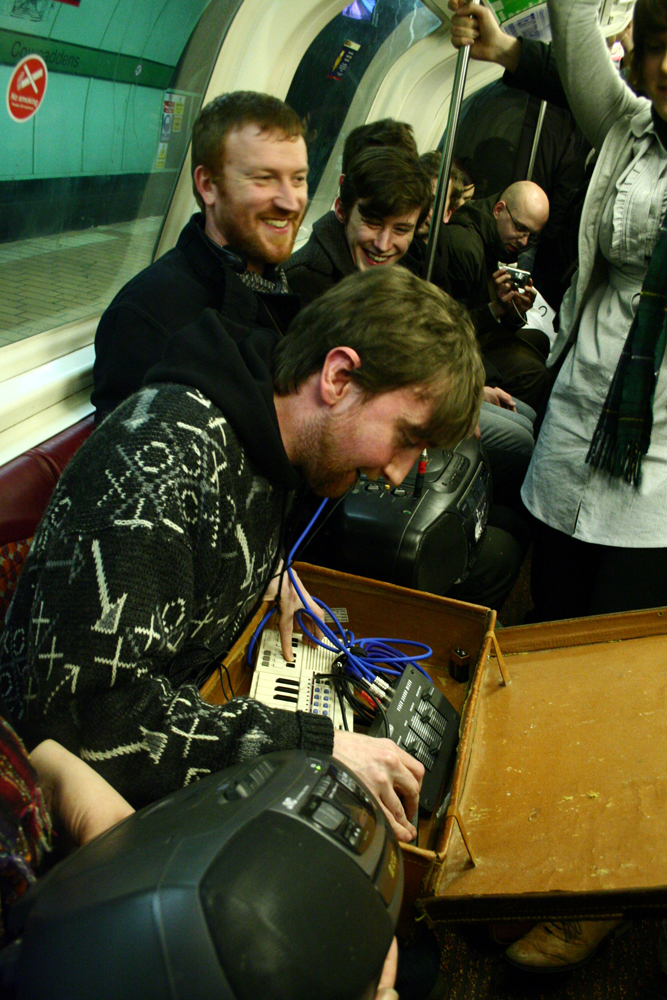
Where we join Nackt Insecten’s disembodied spectral howls and heavyweight locomotive drones about SPT’s Subway.
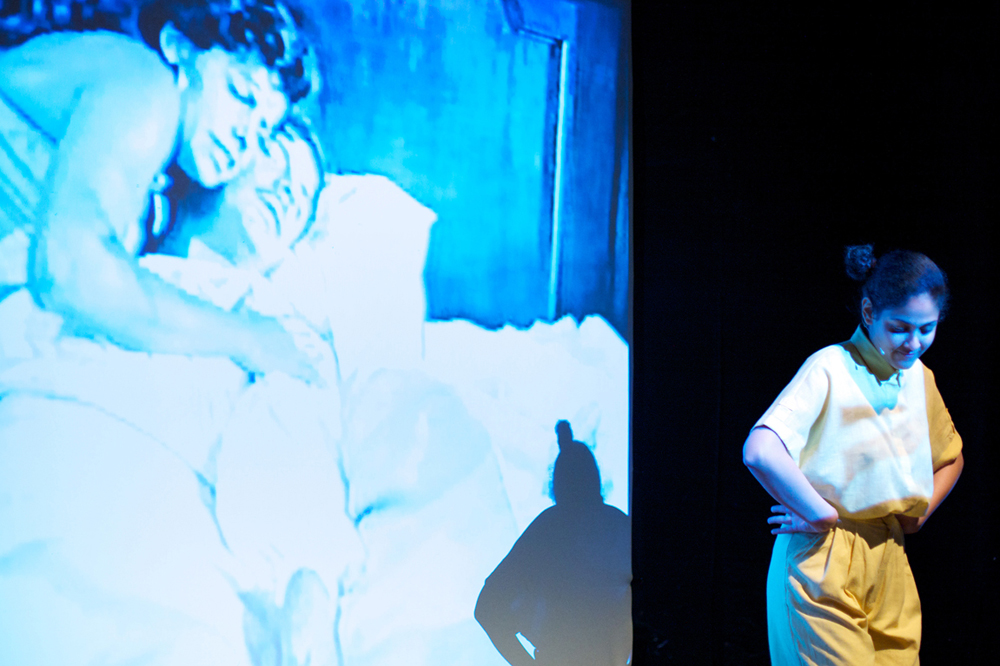
A performed film lecture exploring how the ‘Rumberas’ of Caribbean cinema of the 40’s and 50’s subverted demeaning images of themselves through dance, sound and a sociality that insisted on blackness as being a cultural performance, not simply due to skin colour.
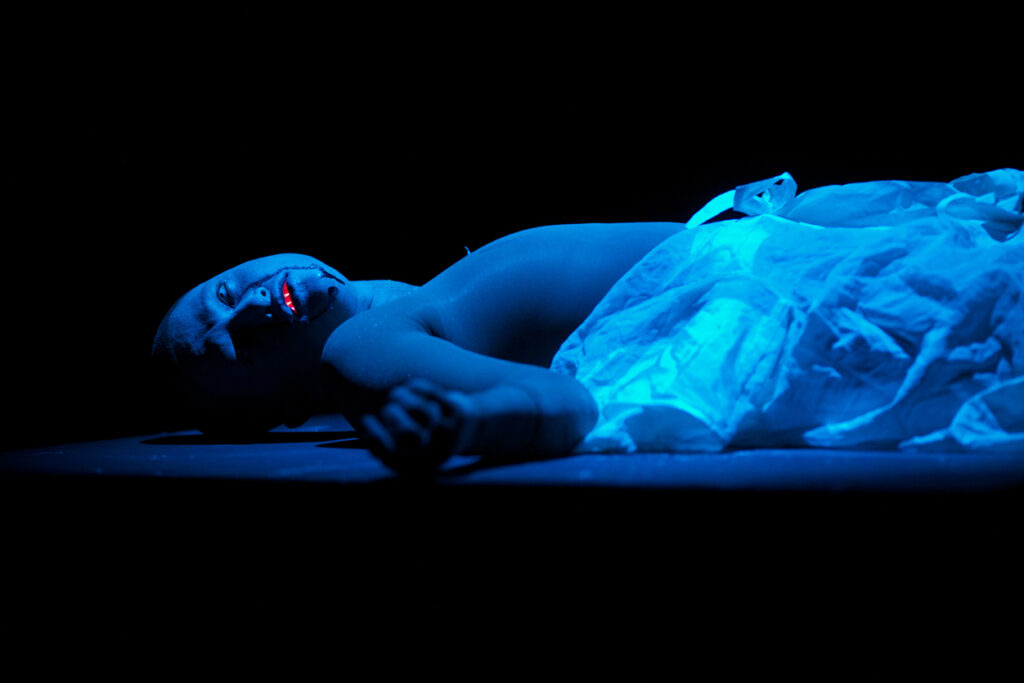
The mutability of the body and the mobility of identity: queered pop culture, drag, lip-sync and performance.
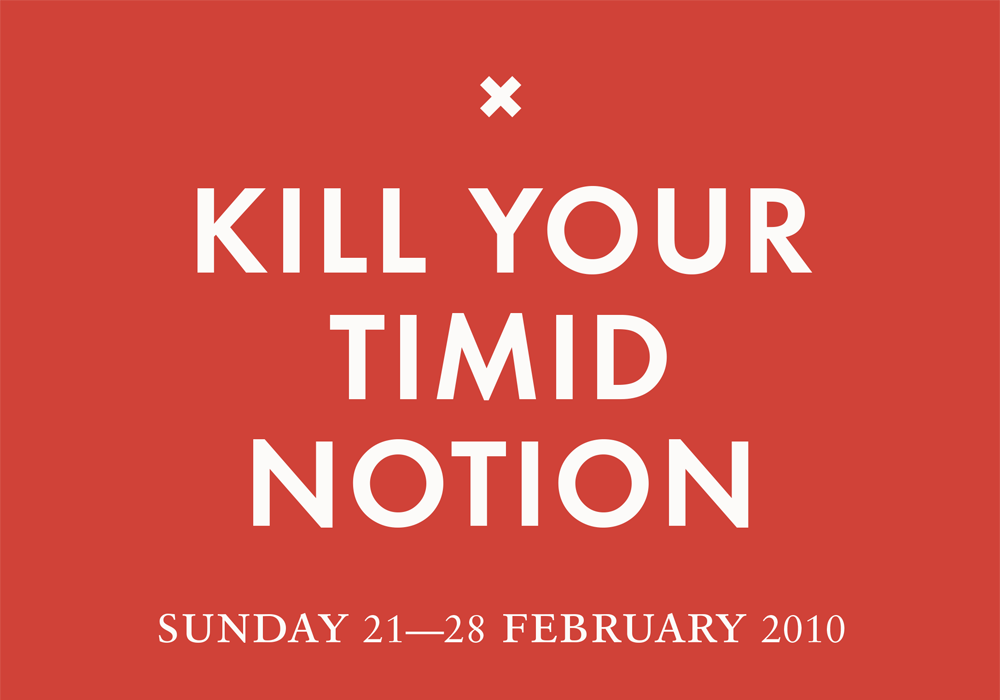
A mixture of investigation groups, live performances, screenings and installations at DCA; the festival looked to strip back music, sound, film and moving image to their core ideas and explore them with artists and audiences.
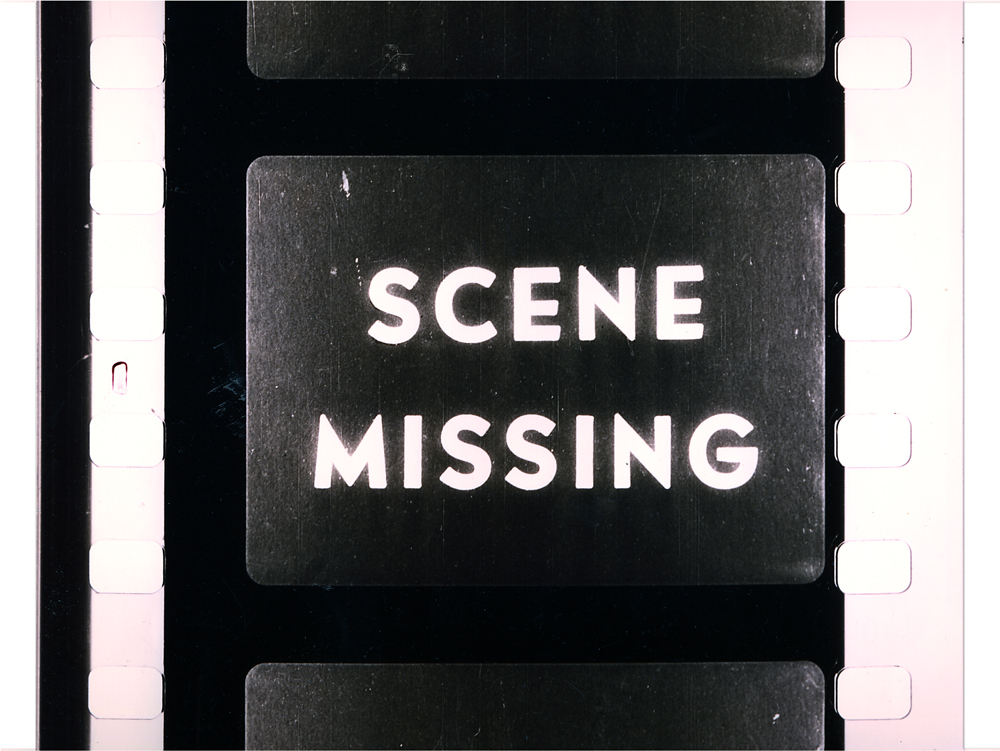
A double bill of Morgan Fisher films that ask what can be achieved by a simple structural method of commenting on scraps of 35mm film, re-shot on 16mm film and what happens to meaning (if anything) when ‘insert shots’ are relieved of their original duty of providing crucial plot development for a variety of other movies?