MICRO 1
Takehisa Kosugi
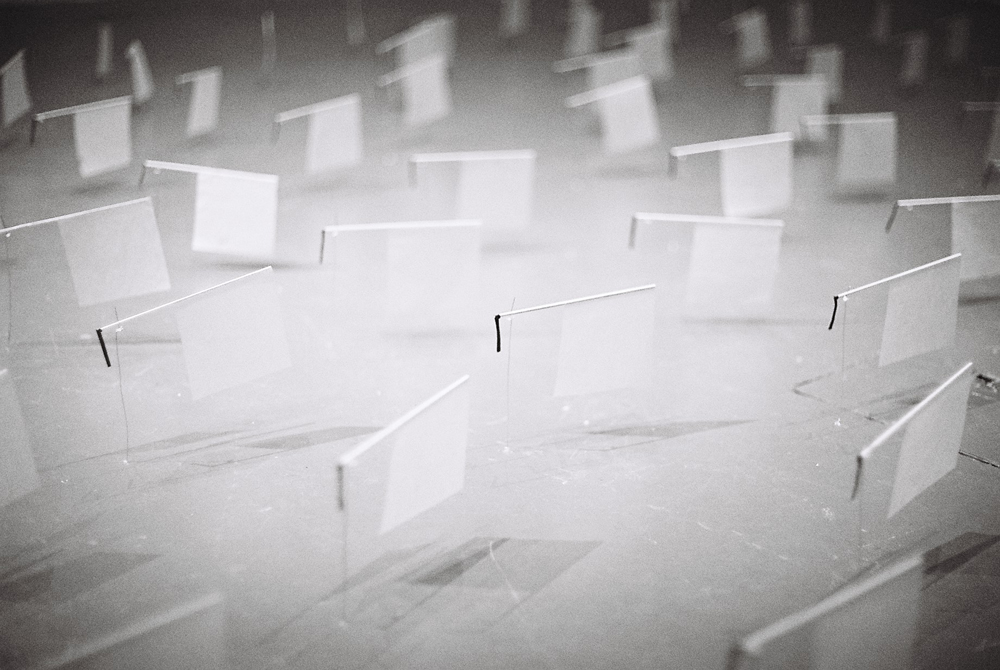
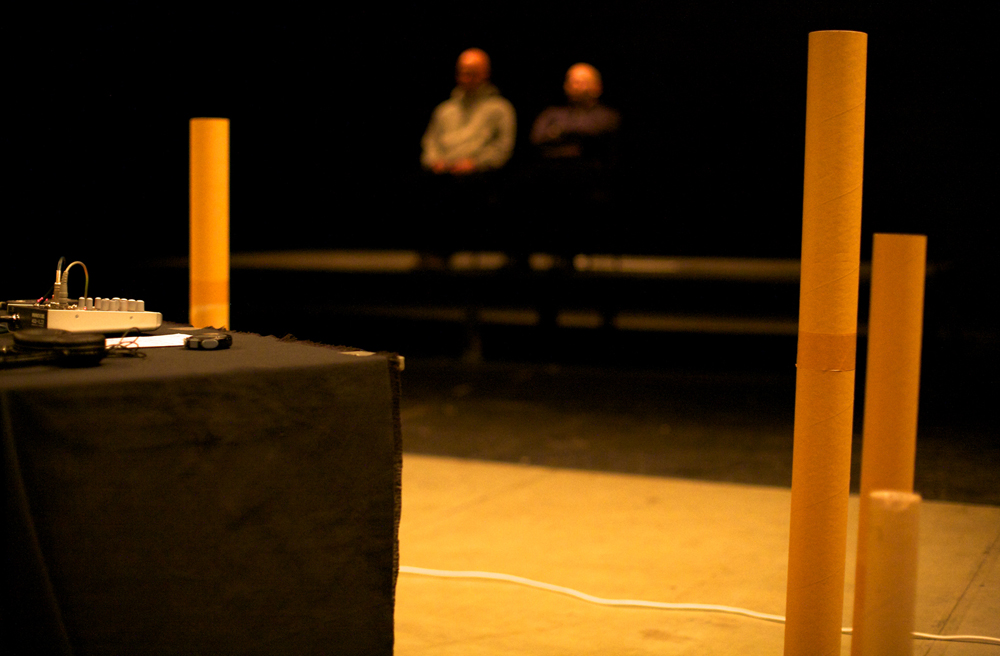
MICRO 1 – Wrap a live microphone with a very large sheet of paper. Make a light bundle. Keep the microphone live for another 5 minutes. T. Kosugi – (1961)
Arika have been creating events since 2001. The Archive is space to share the documentation of our work, over 600 events from the past 20 years. Browse the archive by event, artists and collections, explore using theme pairs, or use the index for a comprehensive overview.
MICRO 1 – Wrap a live microphone with a very large sheet of paper. Make a light bundle. Keep the microphone live for another 5 minutes. T. Kosugi – (1961)
The mutability of the body and the mobility of identity: queered pop culture, drag, lip-sync and performance.
“I am truly without faith. In a media marketplace that demands soulness, I can only offer soulnessless.”
The production of moving image (film) by the mechanically, unfalteringly repetitive manipulation of mass-produced materials (film), in order to explore three different allegorical representations (films) of repetitive human actions and labour under capital.
A bodiless treatise on narration, bored speakers, audience misbehaviour and police megaphones, but: is anybody listening?
Boston duo of saxophonist Bhob Rainey and trumpeter Greg Kelley approach their improvisations with a slew if extended techniques and pregnant silences.
A changing pool of people (40 or so at a time – artists, audiences, etc) talk for 90 minutes in a simultaneous series of open-ended round-table discussions, structured like speed dating, and mixed live as both a concert and for radio broadcast.
Mirror and Phantom Engineer performing an improvised soundtrack to Benjamin Christensen’s 1922 horror film prototype, Haxan: Witchcraft through the Ages.
Complexly interacting colossal drones by the creator of some of the most legendary yet least heard music of the 70’s.
What is happening when systems of repression try to grasp communities’ ways of being, living or surviving, applying laws of sexuality, gender or race to cast them as criminal?
How do grassroots feminist organisations strategise relationships between mothers, parents, carers and their children based on respect and empowerment, in resistance to the practice of putting children in often the most uncaring of places – care.
How do we sense entanglement? Can the knotting of ropes according to a poem’s rhythm make the social pulse of language matter?