Stalled at Universal – Kylie Minoise
Kylie Minoise
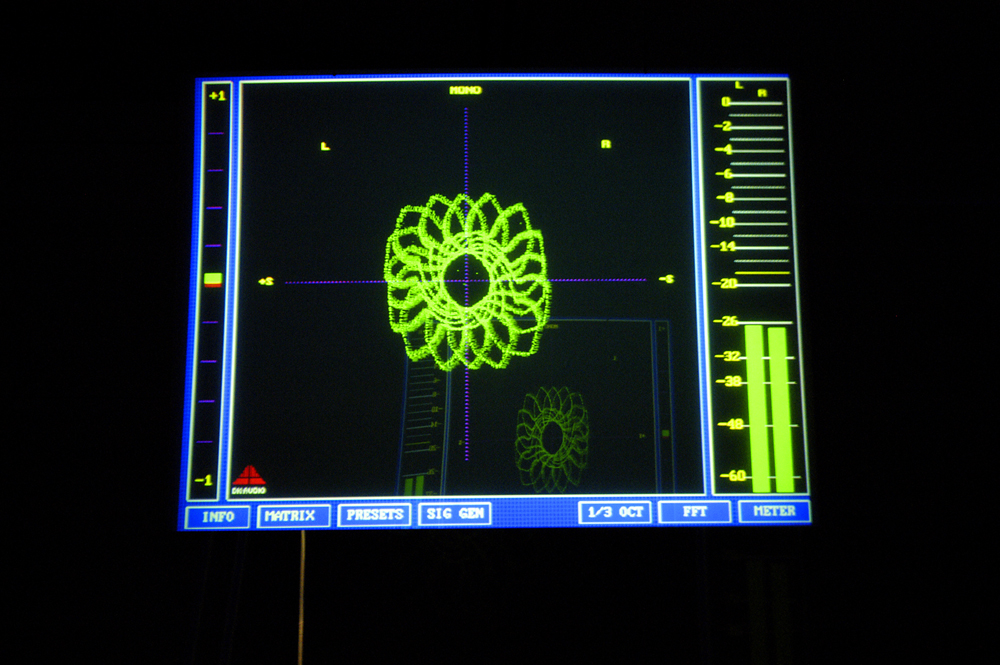
Glasgow. Power electronic klutz behaviour by Kovorox sound head-honcho. Bruised bodies and broken microphones.
Arika have been creating events since 2001. The Archive is space to share the documentation of our work, over 600 events from the past 20 years. Browse the archive by event, artists and collections, explore using theme pairs, or use the index for a comprehensive overview.
Glasgow. Power electronic klutz behaviour by Kovorox sound head-honcho. Bruised bodies and broken microphones.
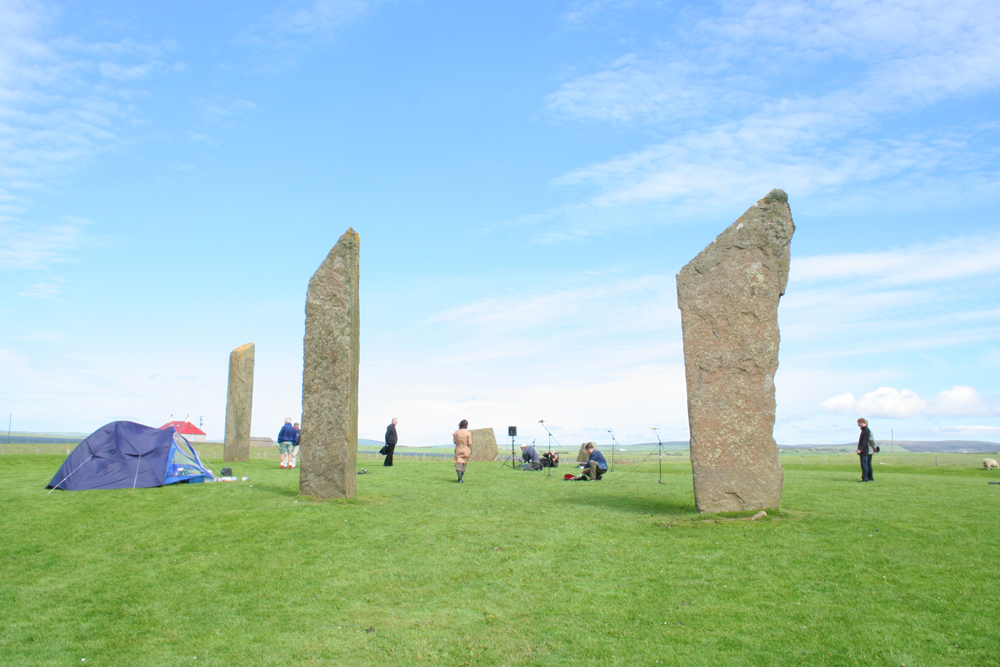
Akio Suzuki and John Butcher performing by the Stones of Stenness, instead of the Ring of Brodgar, because of bad weather.
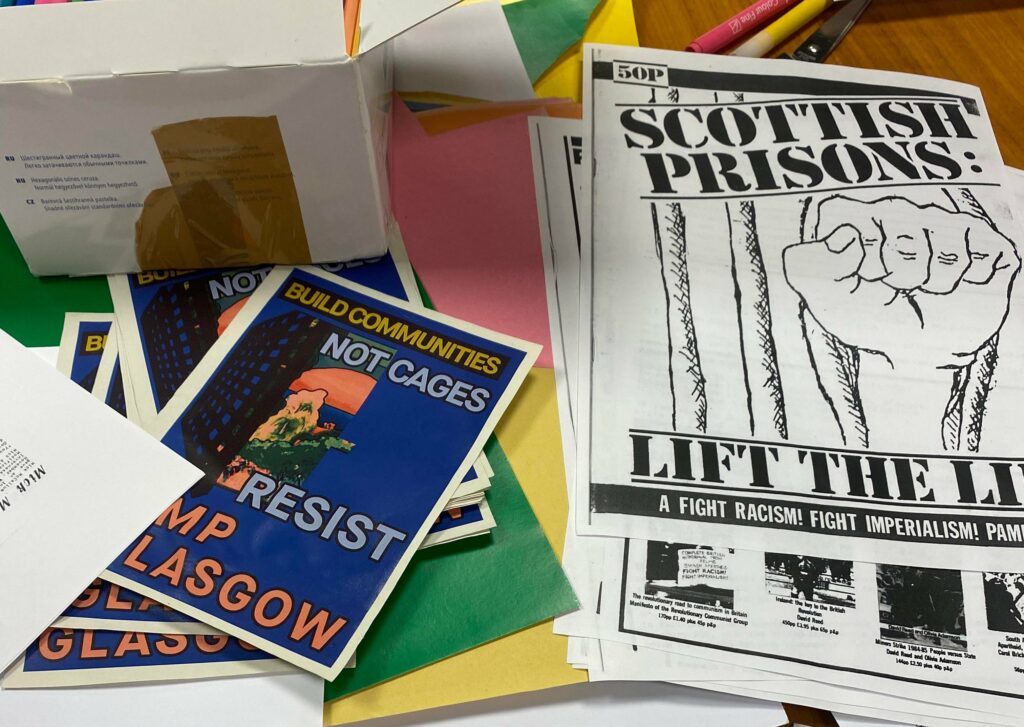
How do people both inside and outside of prison work together to dismantle the criminal justice system and build a society based on collective care?
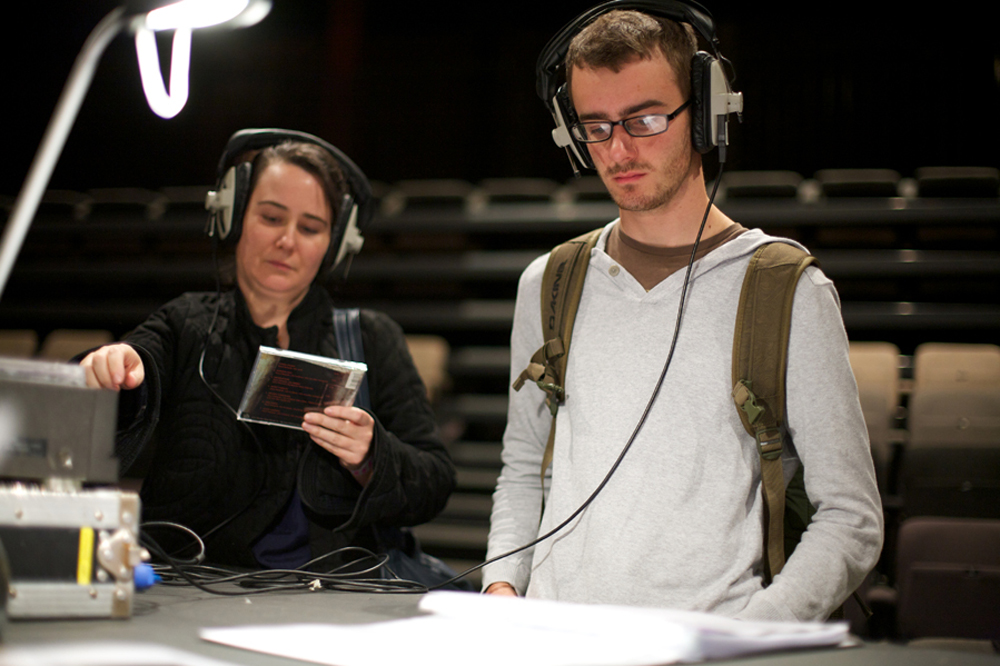
Temporary Outpost for an Auditory Gesture is a kind of performed installation that explores how sonic phenomena (like feedback, vibration, resonance, echo, rhythm) condition our experience.
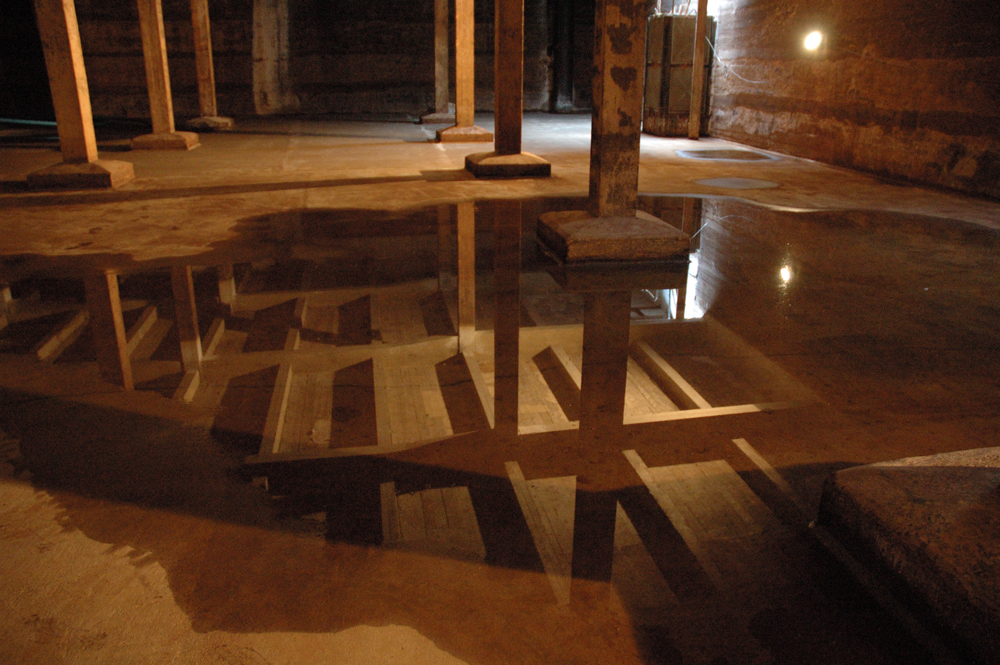
Akio Suzuki and John Butcher performing in an old underground reservoir in Fife.
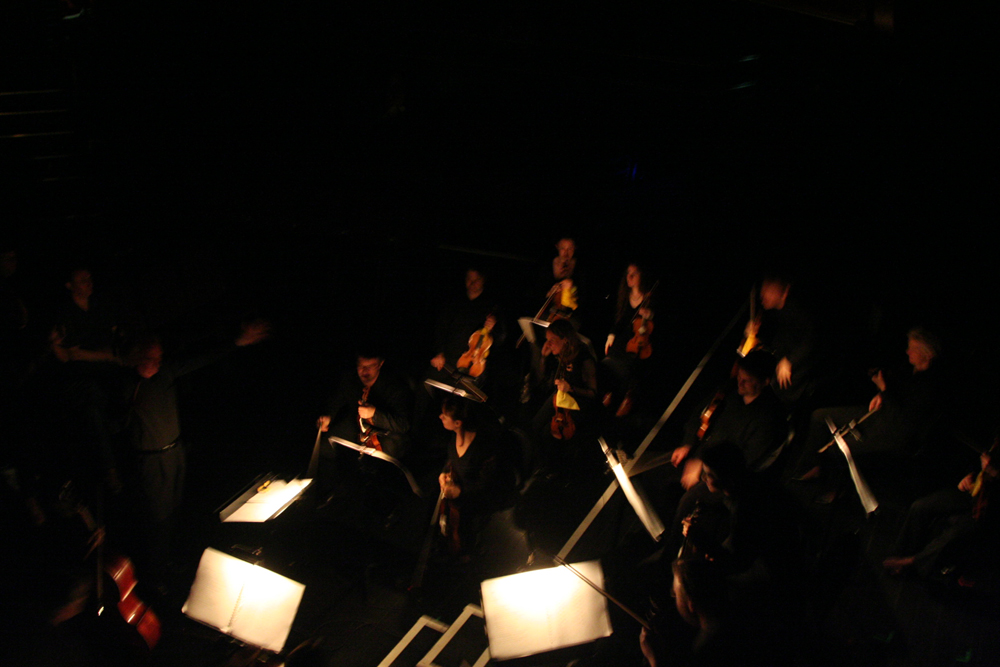
We commissioned Radu Malfatti to write a new piece for the 21-piece string section of the Northern Sinfonia: Music striving to discover the exact point at which sound resonates the clearest amidst long drawn out silences.
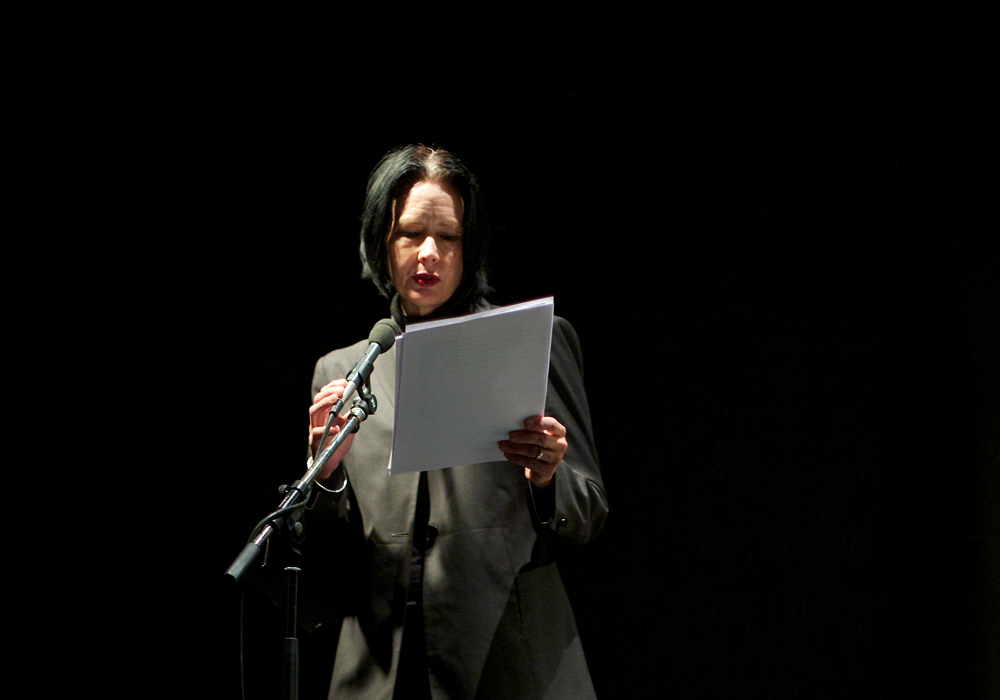
Vanessa Place talks at The Friday Event series at the Glasgow School of Art about her practice as a writer.
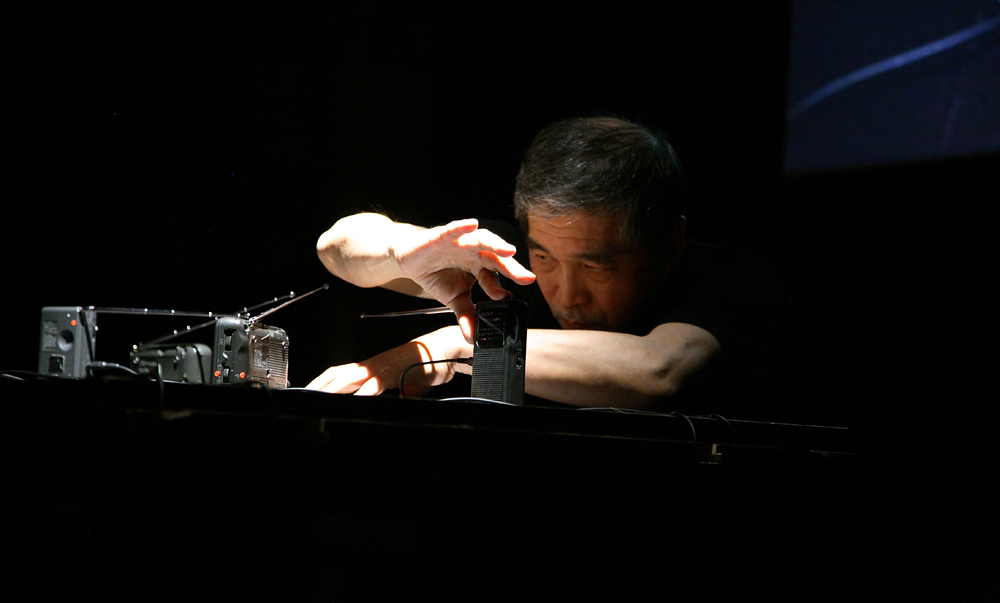
Performing with hand built radio transmitters, which react to interference in the atmosphere and the electrical impedance of his hands, his radio art is a form of social practice; a statement in opposition to mass media.
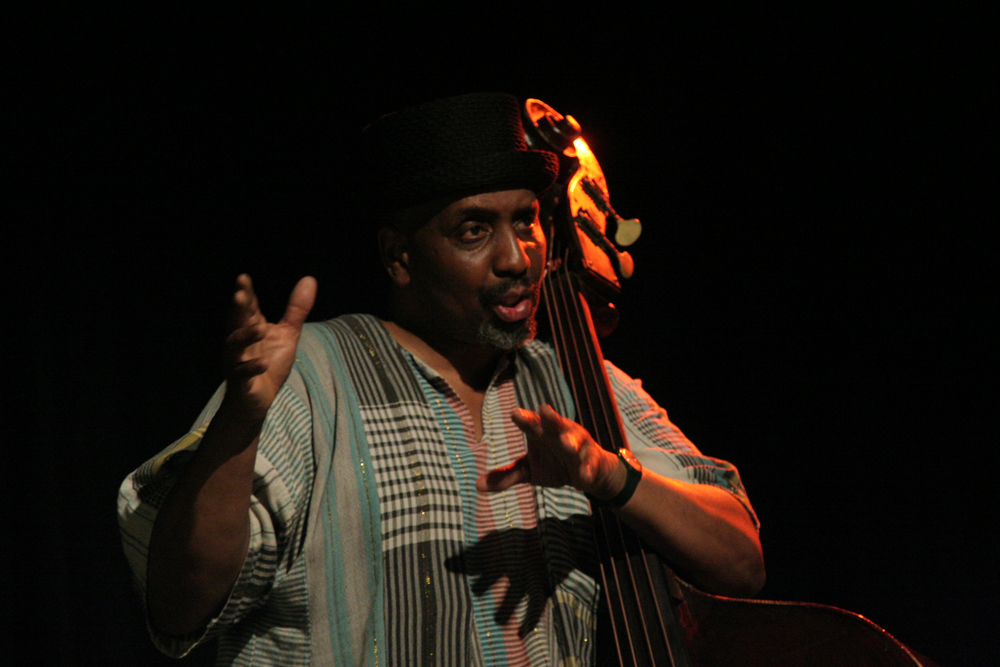
William cradles, hammers, and rains down blows, plucking and using 2 bows to attack the strings above and below the bridge, all in the service of a fiery and passionate creativity.
Two figureheads of the minimalist electronica pulse, Ikeda and Nicolai have been responsible for some of the most innovative and ground-breaking music of the last decade, redefining experimental electronica.
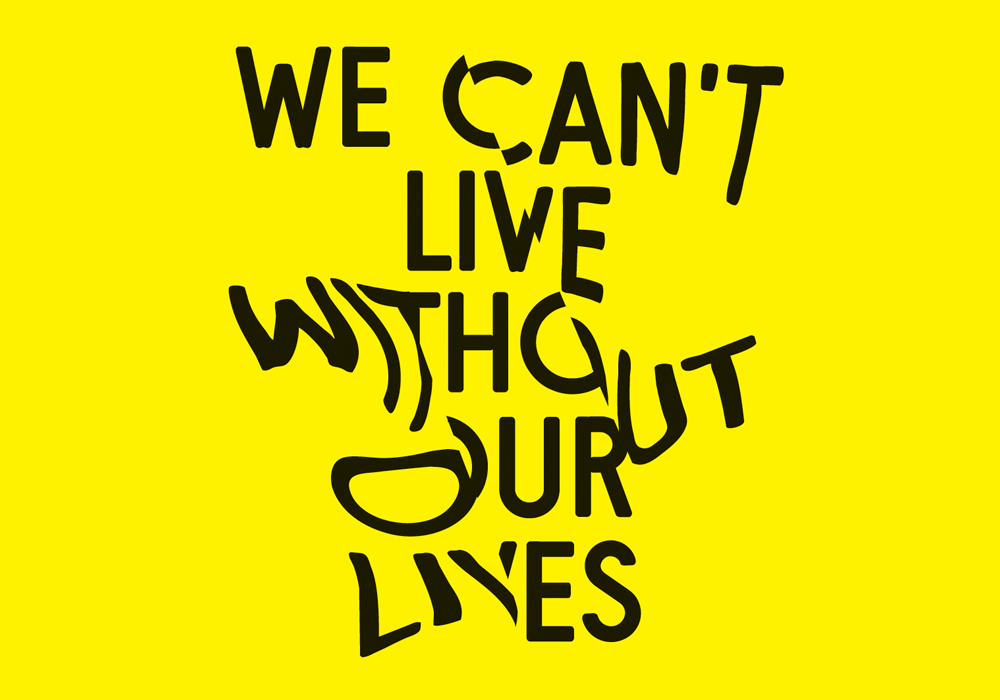
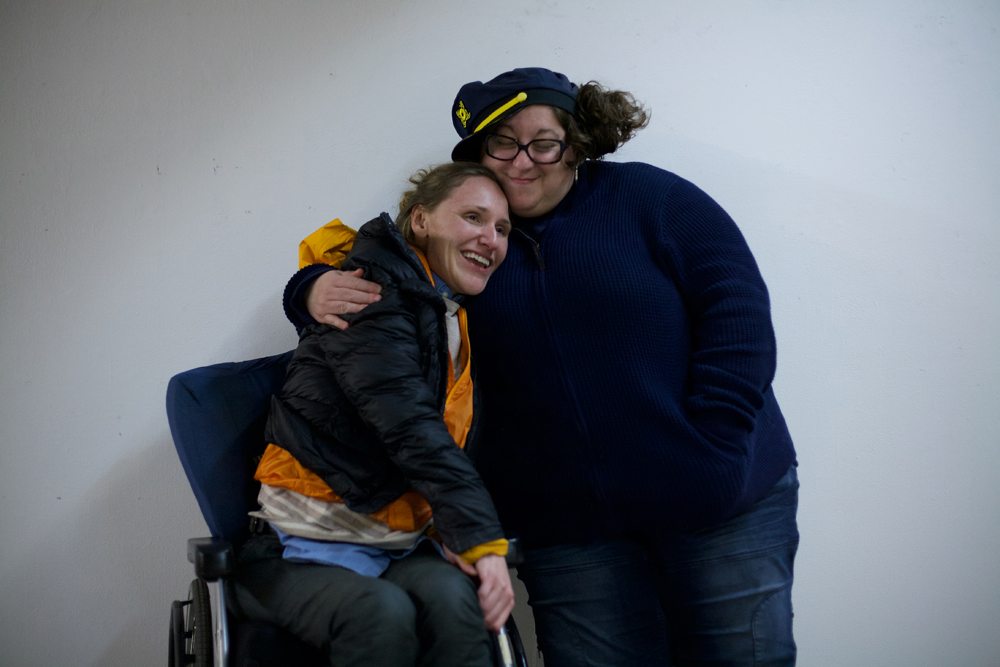
In a moment of social exhaustion, we want to ask how we might care for each other differently. We Can’t Live Without Our Lives is a 5-day exploration of care as a form of struggle and resistance, with communities who embody it.
The first of two workshops that highlight correspondence as a way of working. Somewhere between song, speech, and logistical arrangement, these workshops invite participants to consider care as infrastructure.