Concert 1: Organ Solo
Jean-Luc Guionnet
Each organ is unique. The project is to find out what makes it unique.
Arika have been creating events since 2001. The Archive is space to share the documentation of our work, over 600 events from the past 20 years. Browse the archive by event, artists and collections, explore using theme pairs, or use the index for a comprehensive overview.
Each organ is unique. The project is to find out what makes it unique.
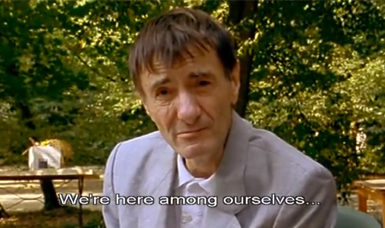
Dir. Nicolas Philibert
Documentary of La Borde clinic in France and its radical politics of experimentation, in which residents and staff reciprocate in a kind of entanglement, an opening up amongst themselves.
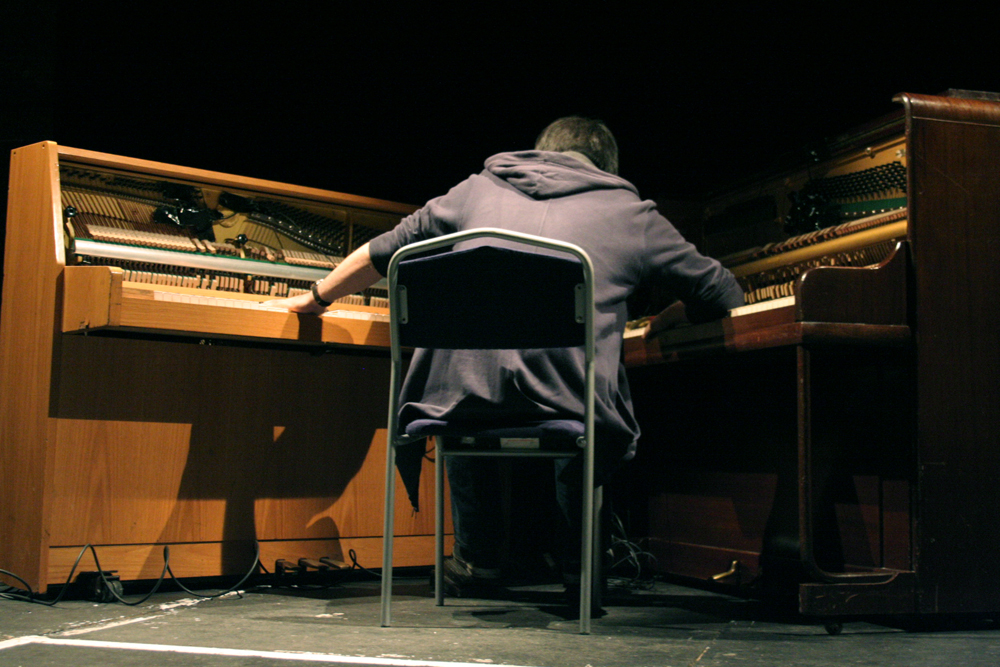
Sachiko’s very simple, pure sine tones and structures. Otomo on double pianos. Filament’s music isn’t composed and it isn’t improvised: it’s a hybrid of the two.
A day of presentations and discussions on the theme of audio visual perception in the context of experimental music, film and art.
Four intimate 45 minute sessions, readings of your political questions – using Tarot, Palmistry, Reiki, Astrology, and Philosophy, and the invented methods of Fake and Political Therapy.
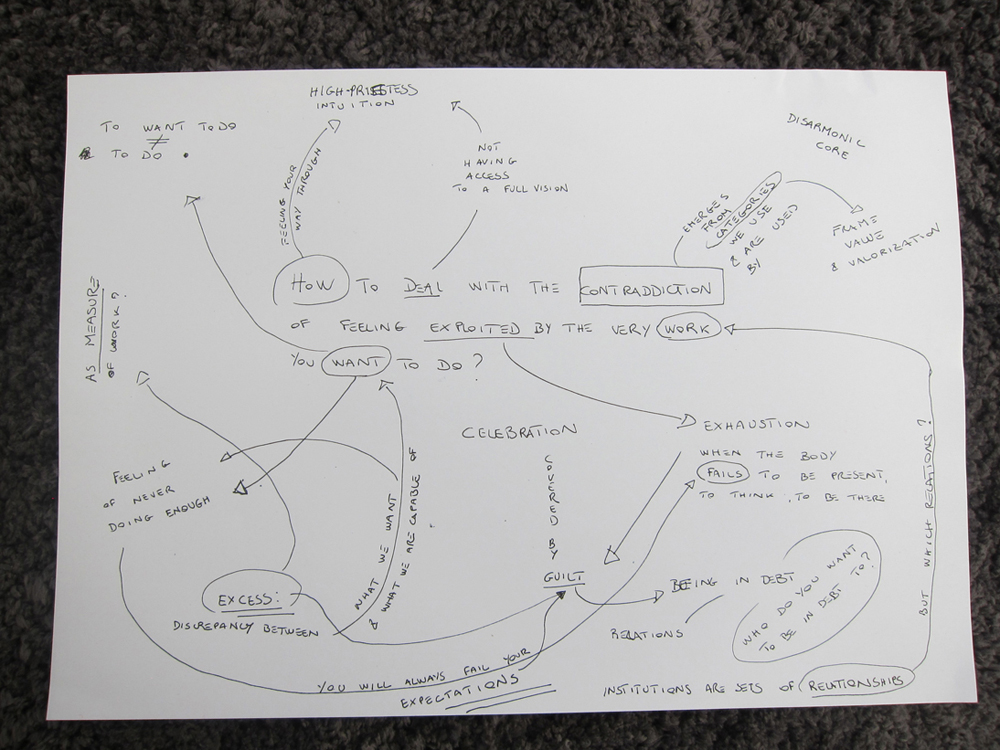
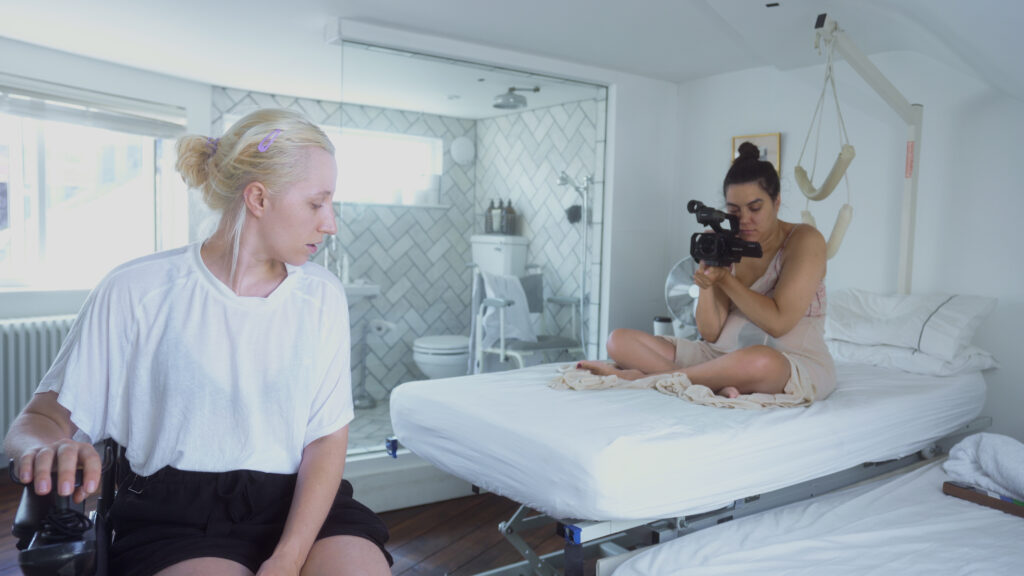
In true reality television style, this in-depth artist talk will tackle all the hardest-hitting questions and juiciest details about care, creative collaboration, and disability justice.
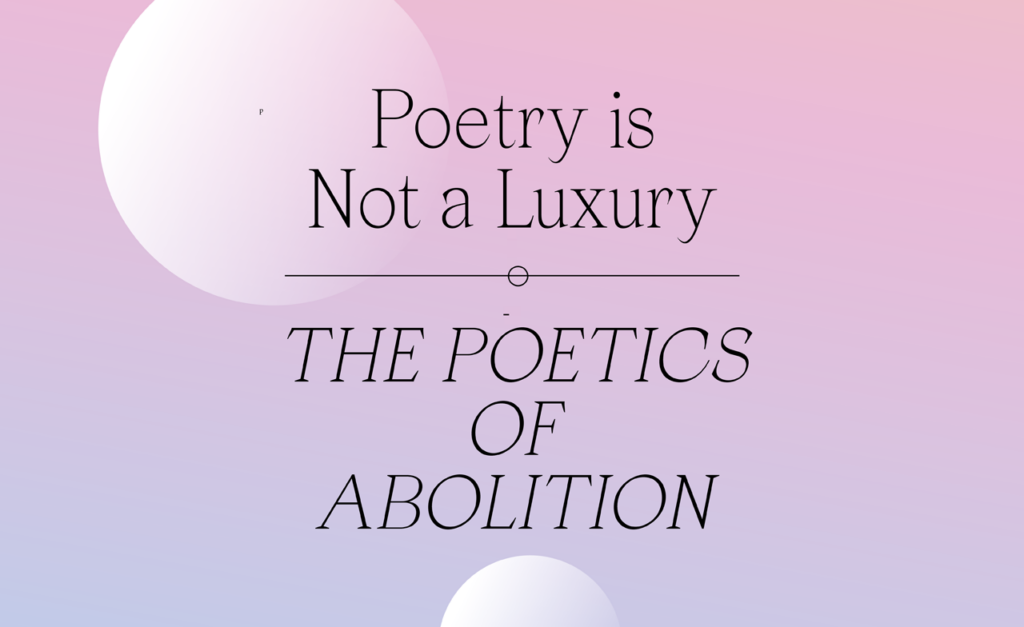
A panel exploring the poetics of abolition. “Poetry is not only dream and vision; it is the skeleton architecture of our lives. It lays the foundations for a future of change.”
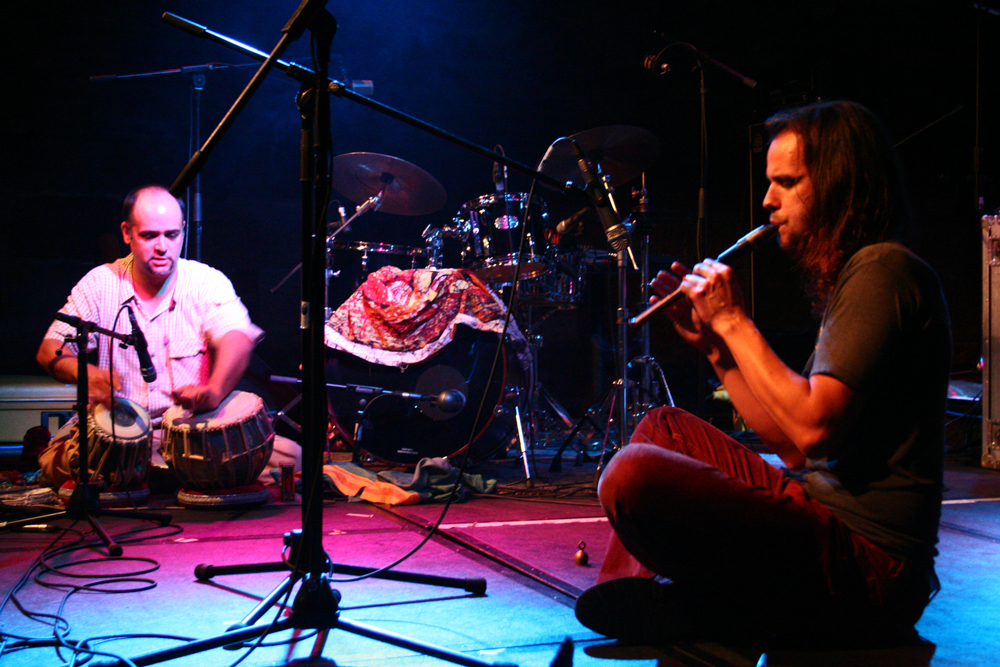
Sax/Drums duo of raucous, pealing noise, and cries of beguiling lyricism, whispered sax phrases float in a timbral cloud of bowed metal and rumbling toms.
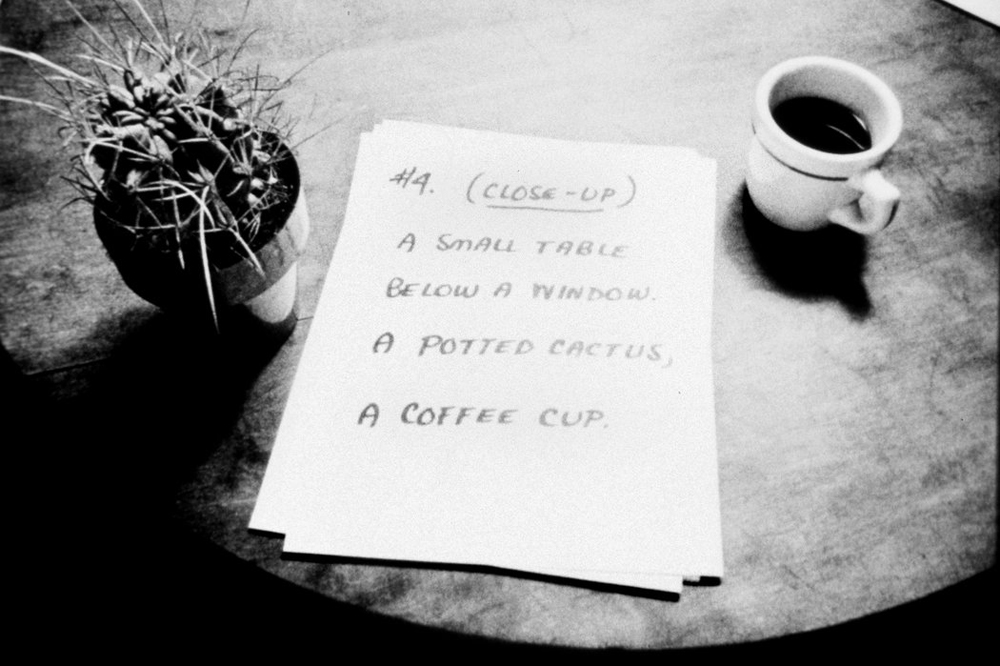
A cinema of the mind, a film to take place in the viewers’ imagination(s).
“Beginning where you and me ends, where we don’t so much come but are already here.” Join James and Nisha to talk about breath, erotics and flesh, about our social, poetic cosubstantiality.
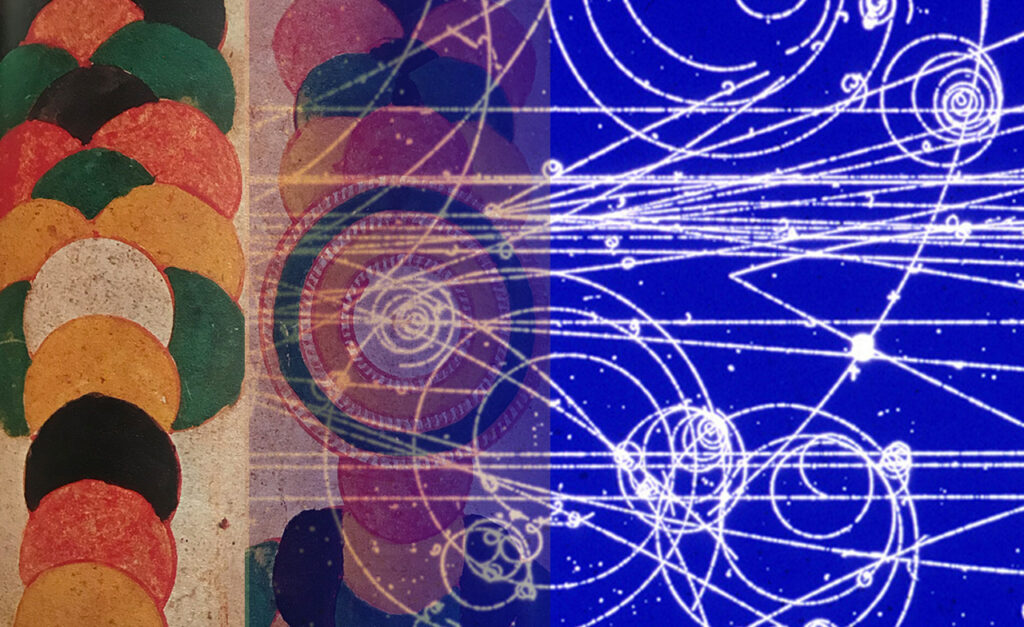
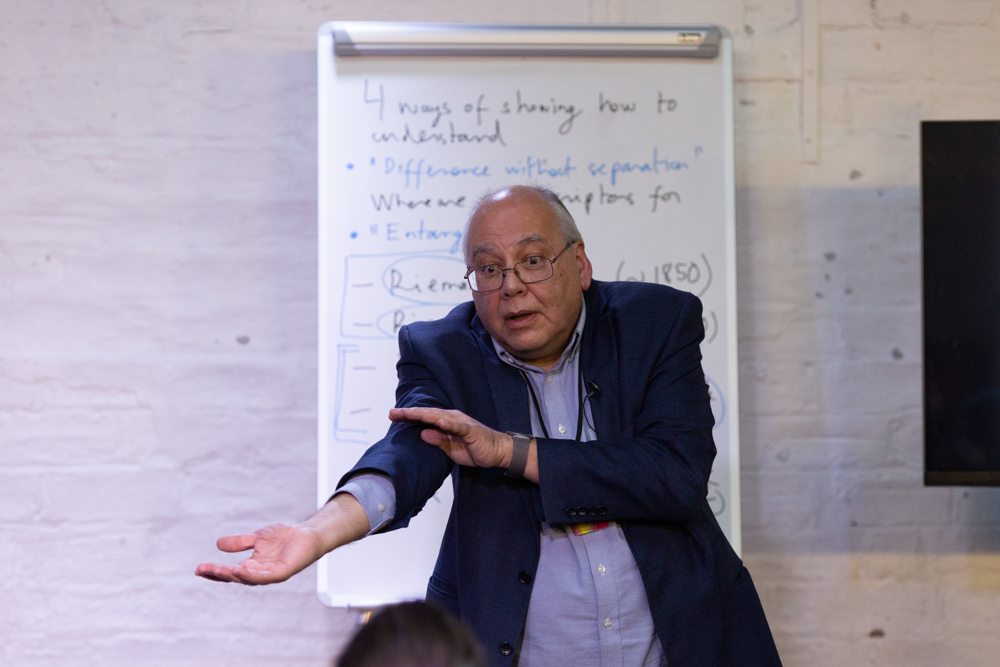
Fernando thinks that when maths is deep, it should be simple and able to be explained by hand gestures. By embodying ideas, we’re able to more clearly think about their cultural implications.
Is it possible to dance our way out of the hardened stances and identity prisons we are locked in?