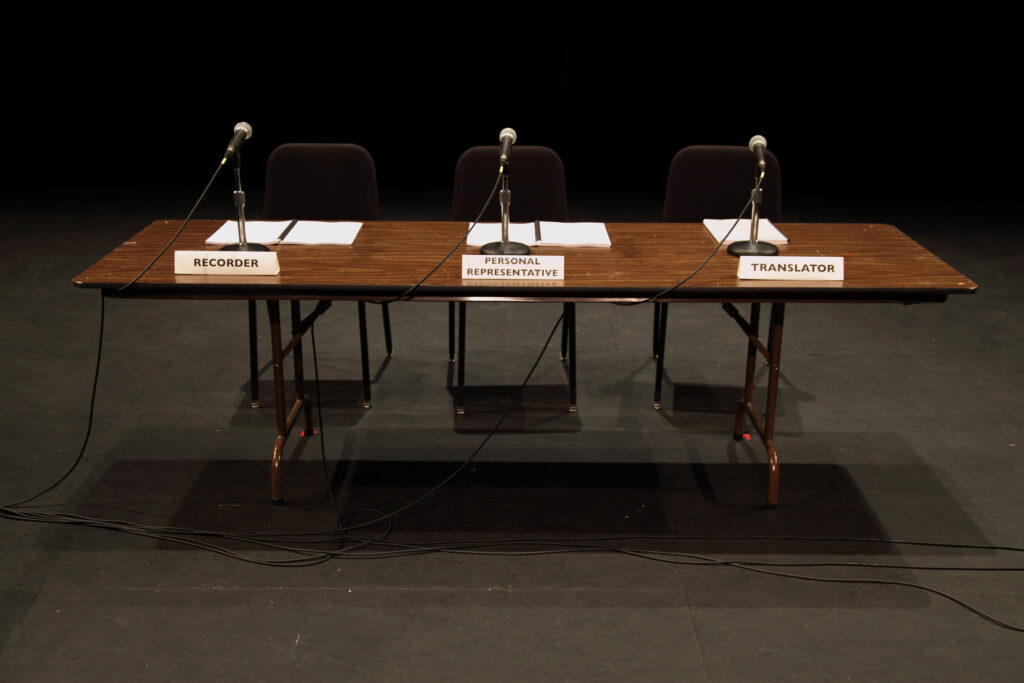
Combatant Status Review Tribunal
Andrea Geyer Ashley Hunt David Thorne Sharon Hayes Katya Sander
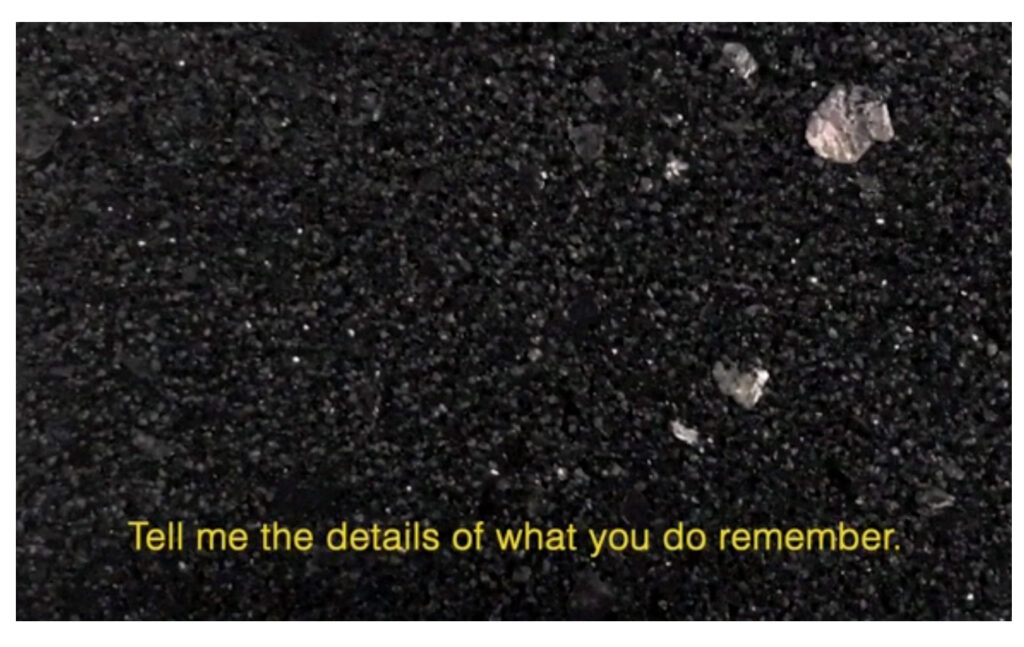
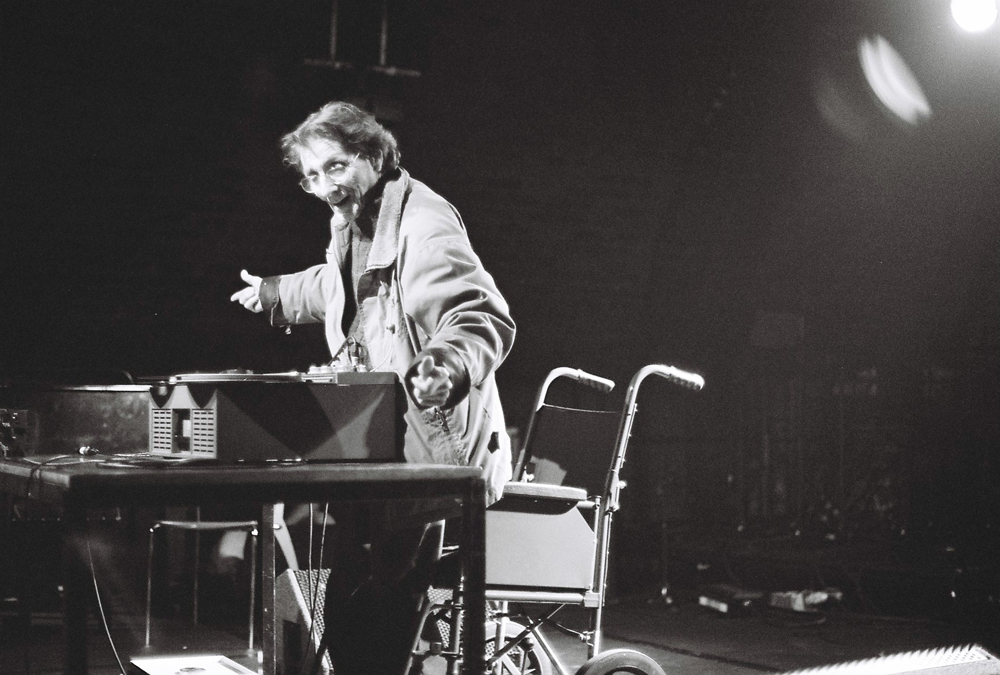
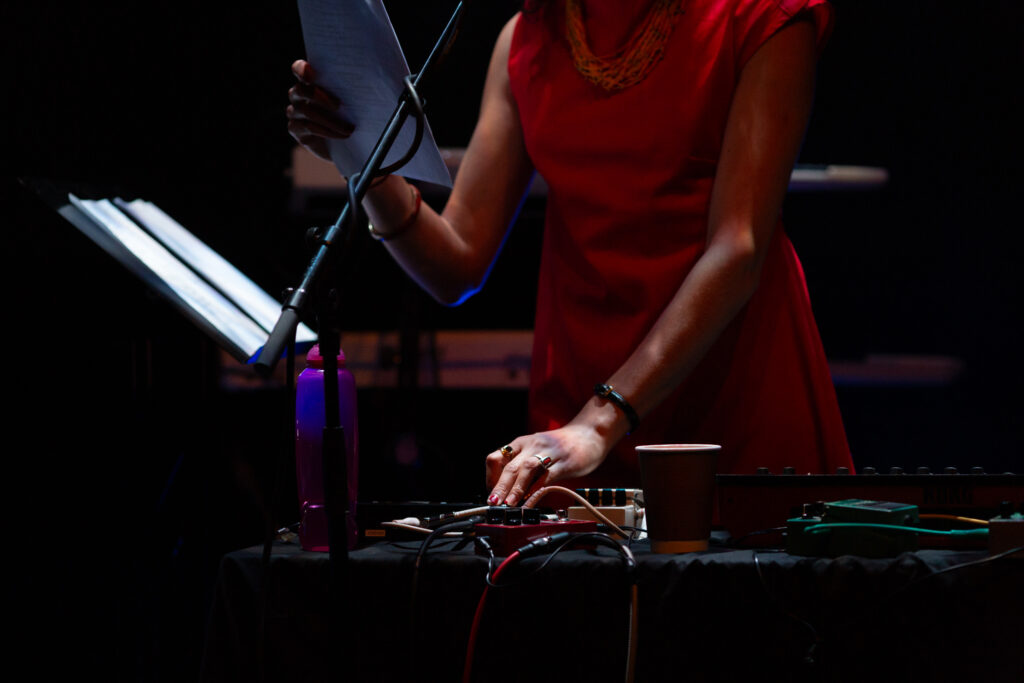
Somewhere between performance, stripped down theatre and an intense kind of public learning or maybe even a public hearing.
Arika have been creating events since 2001. The Archive is space to share the documentation of our work, over 600 events from the past 20 years. Browse the archive by event, artists and collections, explore using theme pairs, or use the index for a comprehensive overview.
Somewhere between performance, stripped down theatre and an intense kind of public learning or maybe even a public hearing.
Sax/Drums duo of raucous, pealing noise, and cries of beguiling lyricism, whispered sax phrases float in a timbral cloud of bowed metal and rumbling toms.
Discussion: If we approach “care as an event” rather than as a “contract of exchange” then what becomes possible in how we know, care for, and appreciate each other?
A Study Session focused on the thinking of Ailton Krenak – one of the great leaders of the Brazilian indigenous movement – led by curators and artists Amilcar Packer Arissana Pataxó.
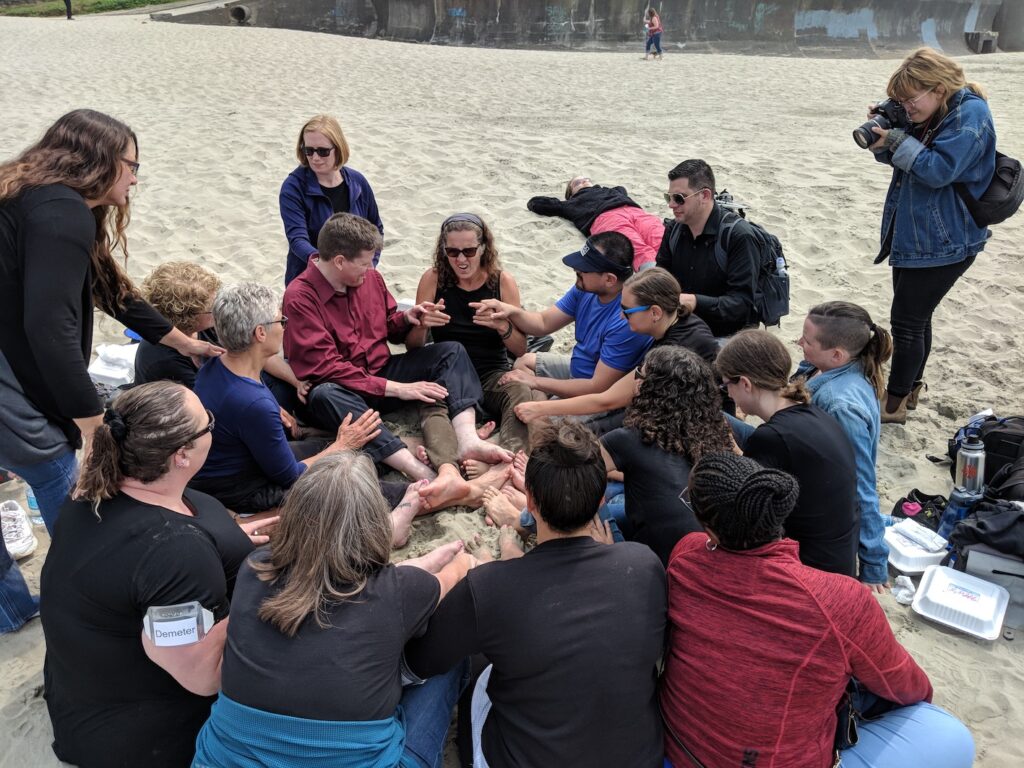
“Introduction to Protactile Theory” is a legendary seminar that facilitator John Lee Clark has designed to bring diverse communities into conversation with the Protactile movement.
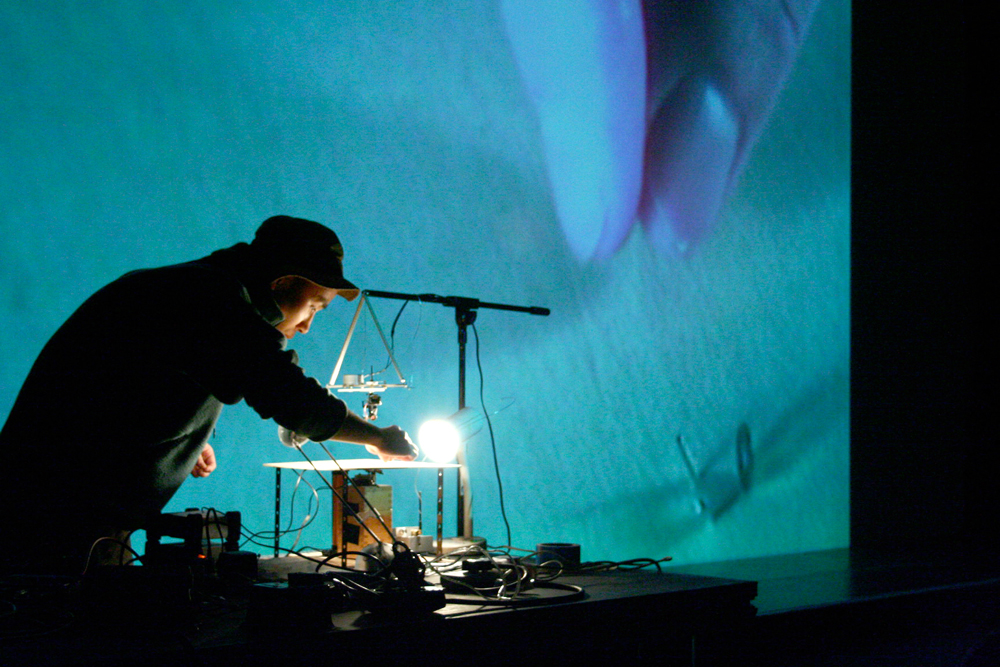
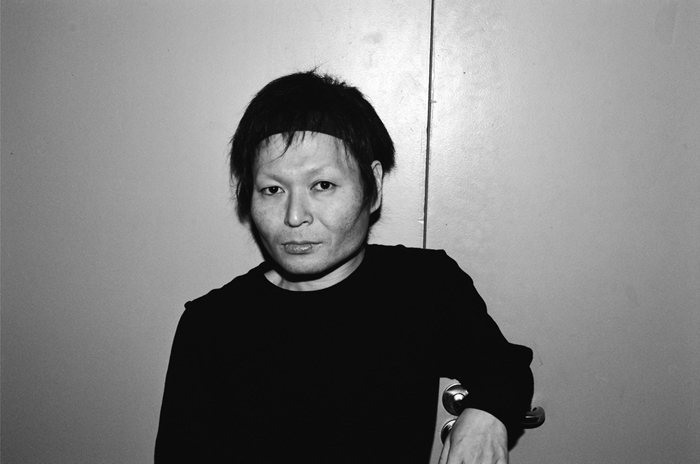
Kanta is a young Japanese artist with a home-made, short circuited take on electronics and physical phenomena which he uses in performance to produce close circuit systems of audio / video feedback.
4 days of performances, discussions, workshops, screenings with mutant dancers, prison abolitionist poets, transfeminist revolutionaries, haunted noise, science fiction, sex worker resistance, crip erotics, radical pornography and militant fiction.
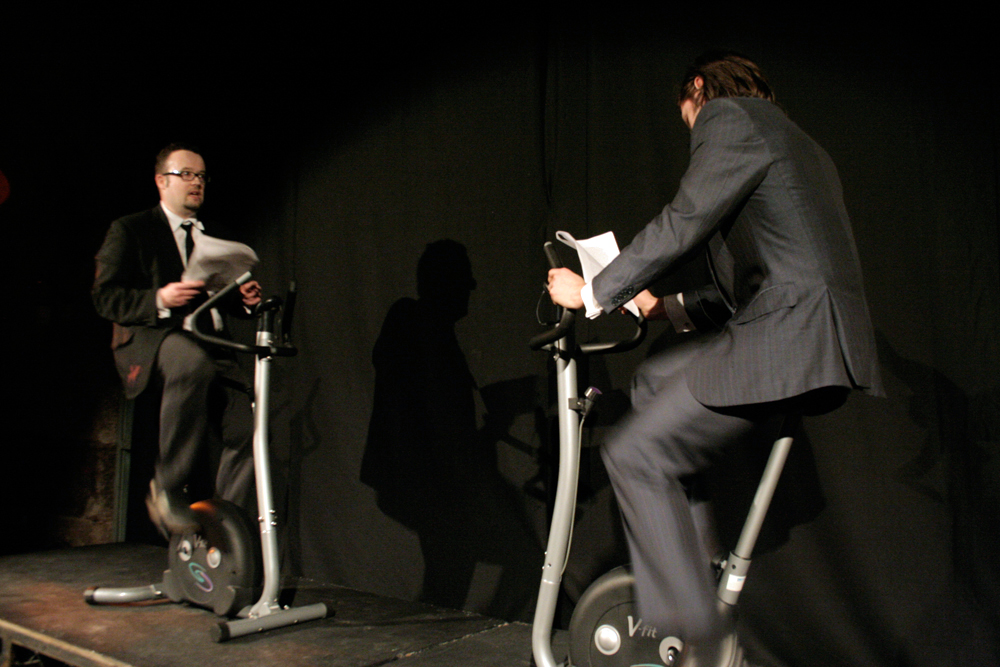
Simon Morris is joined by Nick Thurston as they attempt to read aloud whilst peddling on exercise bikes.
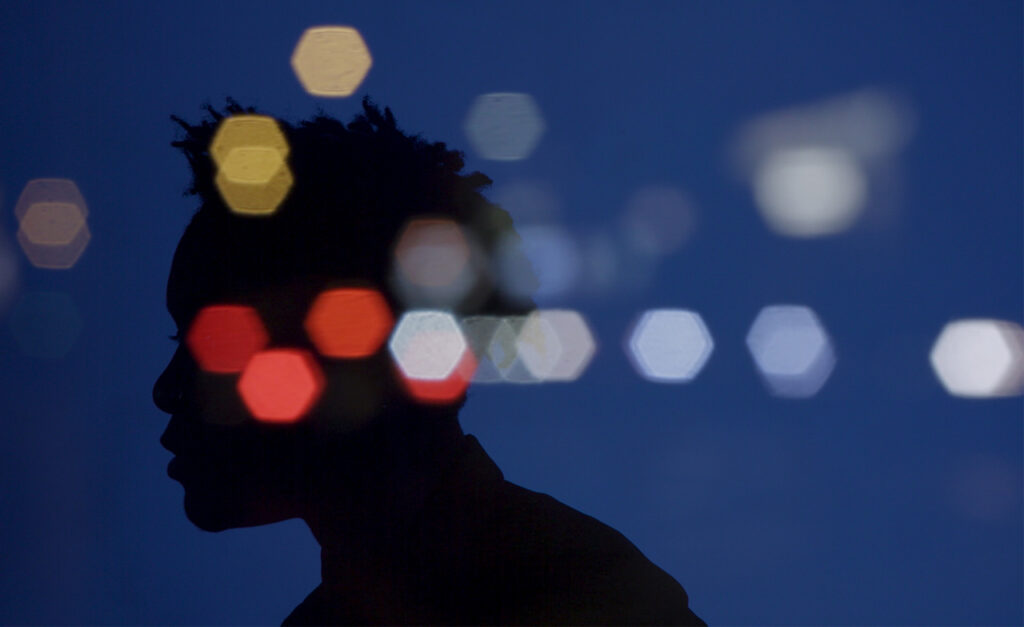
Haunted by the archive of the New Cross Fire, Jay Bernard presents a film and poetry reading that undertakes a queer exploration of black British history, reconstructed from archives and apparent debris.
Tormented and drawn-out high-pitched yelps and drones, all interleaved with periods of torpid silence.
Renouncing the bind of the written word, Chopin’s sound poetry is a magical evocation of the pure powers of the voices, stripped bare of language.
Transfeminist and revolutionary poetry, voice and timbral abstraction: a sounding and spatialising of reparative sonic and somatic practices that can speak back to violent histories of expropriation and ecocide.