



21 August 2026, 17:00
Drinks and Nibbles
Scotland for Decrim
A welcoming intermission between events, open to the public.
Hard Labour
Arika have been creating events since 2001. The Archive is space to share the documentation of our work, over 600 events from the past 20 years. Browse the archive by event, artists and collections, explore using theme pairs, or use the index for a comprehensive overview.
A welcoming intermission between events, open to the public.
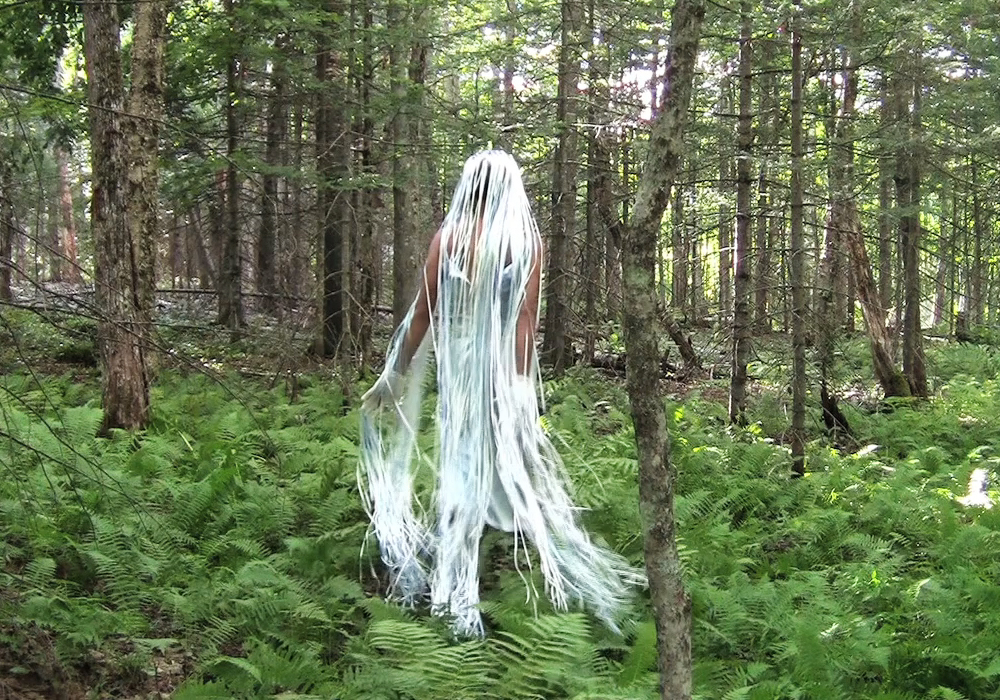
In the Foyer at the Tramway we will screen a documentary from the Sex Workers’ Festival of Resistance 2017 and La Llamada by Eduardo Restrepo Castaño.
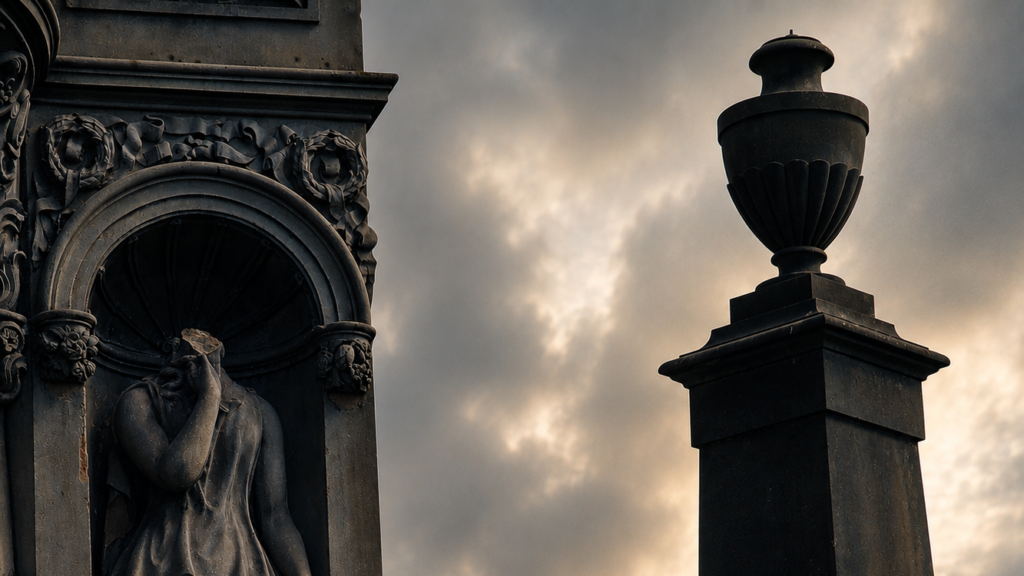
An excavation of the 1805 Lock Hospital in Glasgow. Its official function was to support ‘unfortunate females with venereal disease’, but really what happened was that women and girls were marched in, experimented on, and often never released.
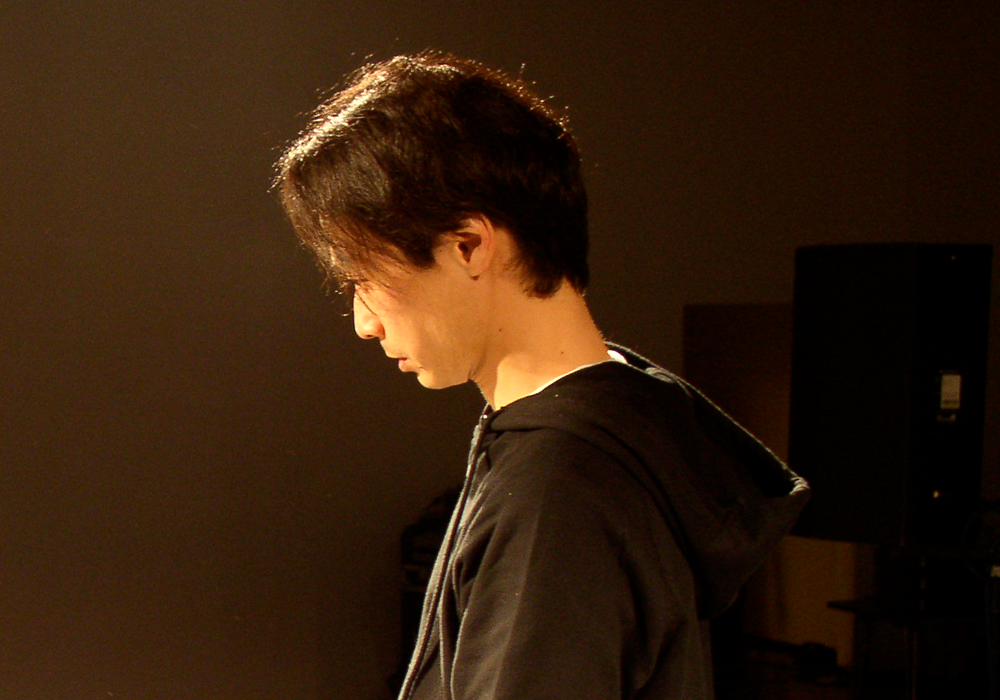
Exploring the interplay between punk sinewave aggression, high-speed video sequences and stroboscopic lighting
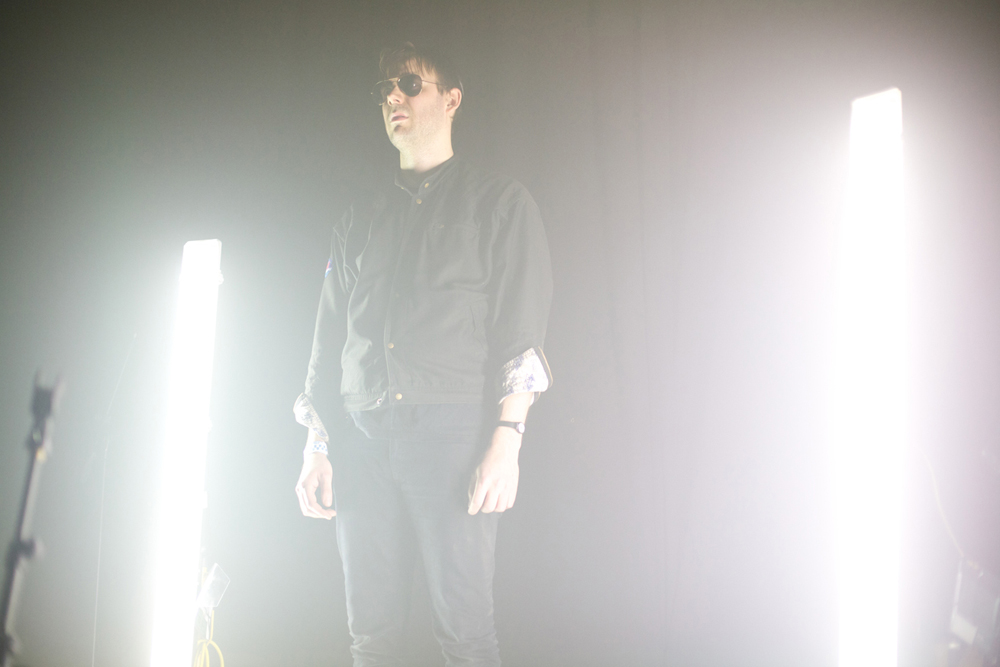
Could they be one of the most ferocious live noise acts around, or a necessary and ludicrous parody of ferocious noise acts? Could they be both?
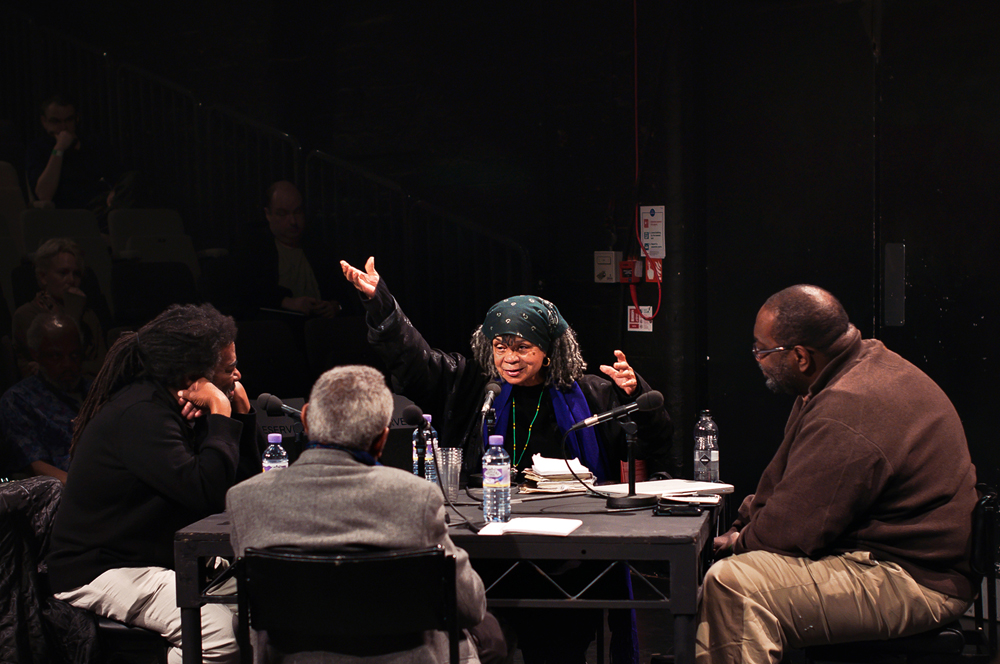
What happens when you are engaged in a deep and extended artistic practice that intersects between literature and music, notation and improvisation, sight and sound?
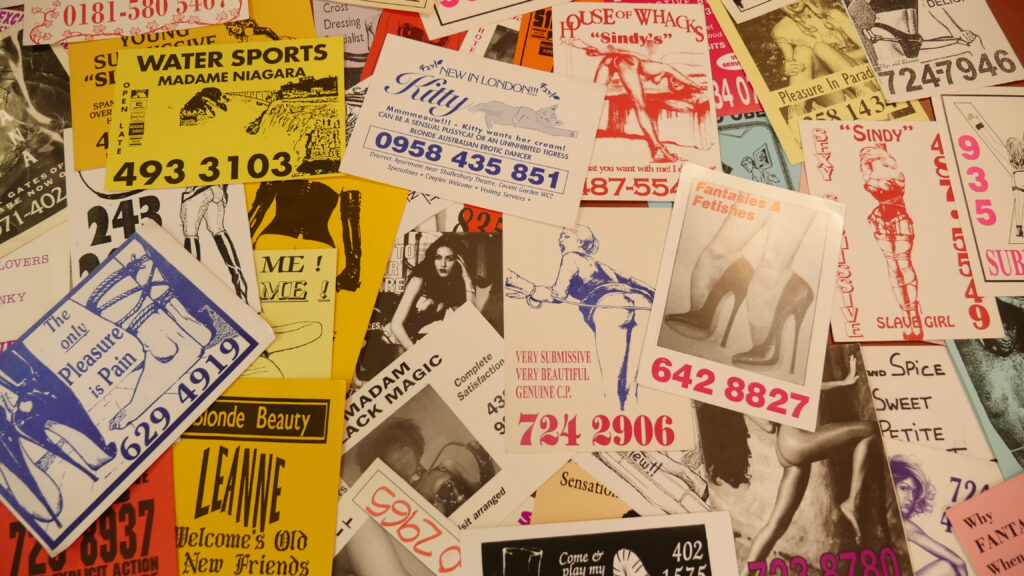
Sex worker only Collective Art Workshop led by the Hard Labour project from Scotland for Decrim.
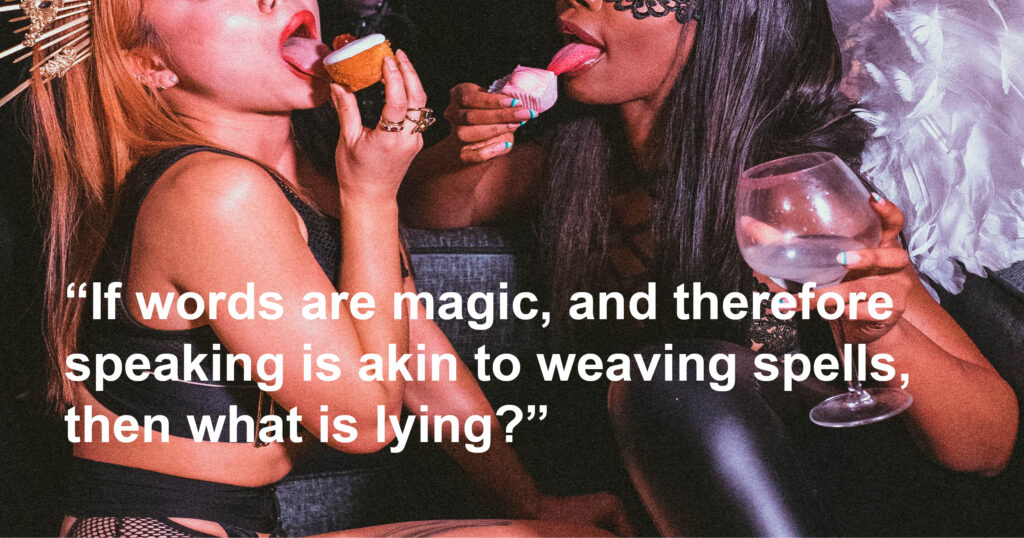
An evening extravaganza celebrating the London launch of Truth & Lies: an Anthology of Writing and Art by Sex Workers
Expect slutty DJs, playful performances, stripper poles, rococo cakes, union broads and intimate readings…
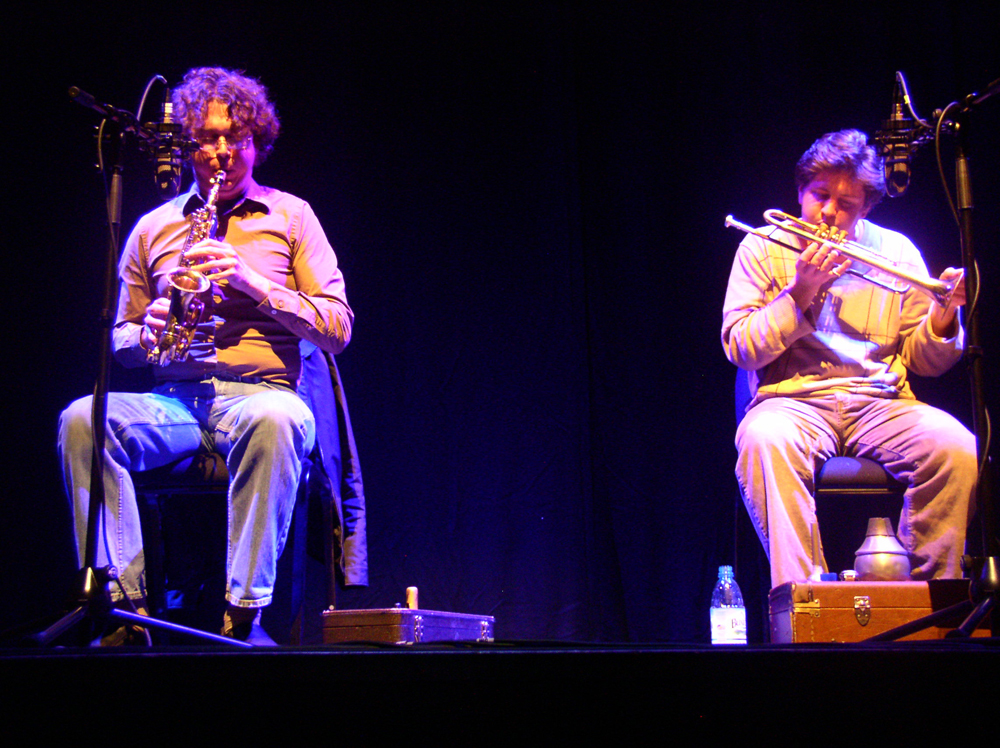
Boston duo of saxophonist Bhob Rainey and trumpeter Greg Kelley approach their improvisations with a slew if extended techniques and pregnant silences.
Power-electronic klutz behaviour indecipherable blasphemies, cuts, bruises and broken microphones by Kovorox Sound head-honcho Lea Cummings.
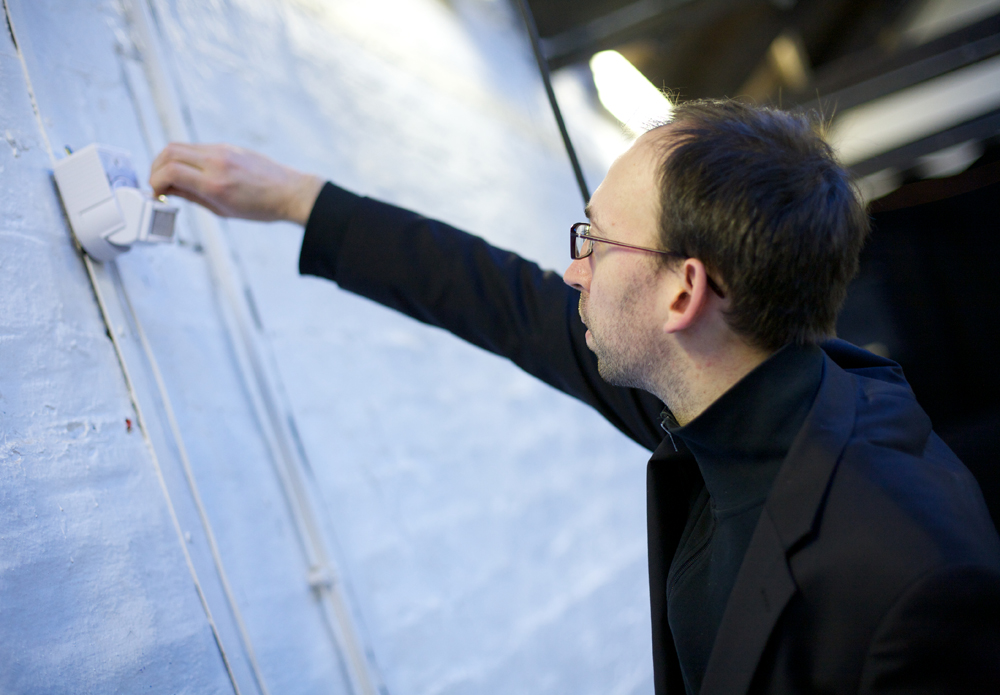
A kind of performed installation of searing noise and silence, where we’re not sure who the performer is, when it starts or ends or even who it’s for.
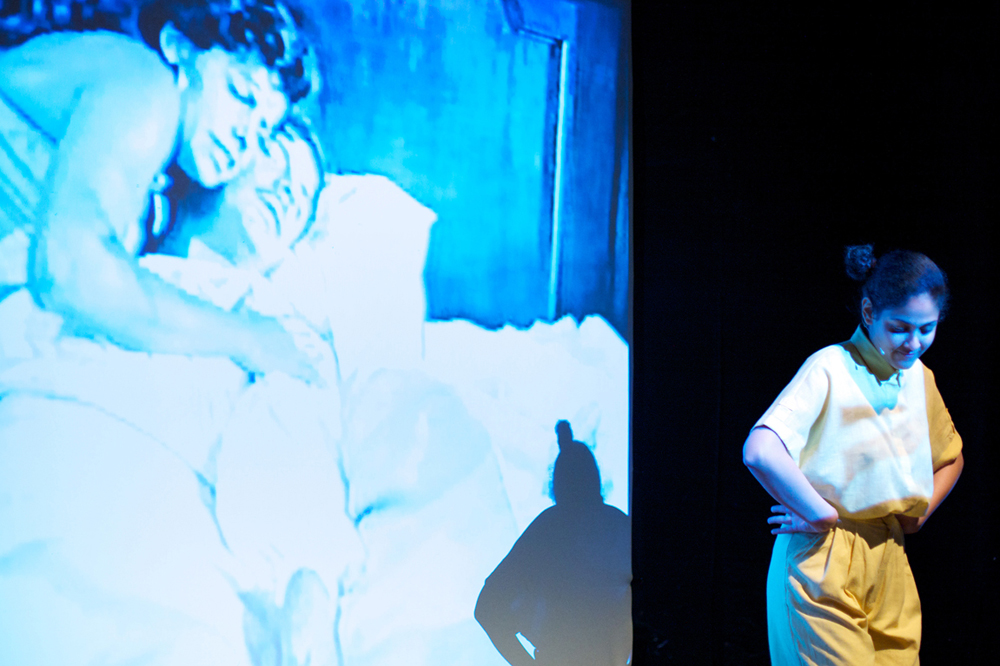
A performed film lecture exploring how the ‘Rumberas’ of Caribbean cinema of the 40’s and 50’s subverted demeaning images of themselves through dance, sound and a sociality that insisted on blackness as being a cultural performance, not simply due to skin colour.