


21 – 23 August 2026
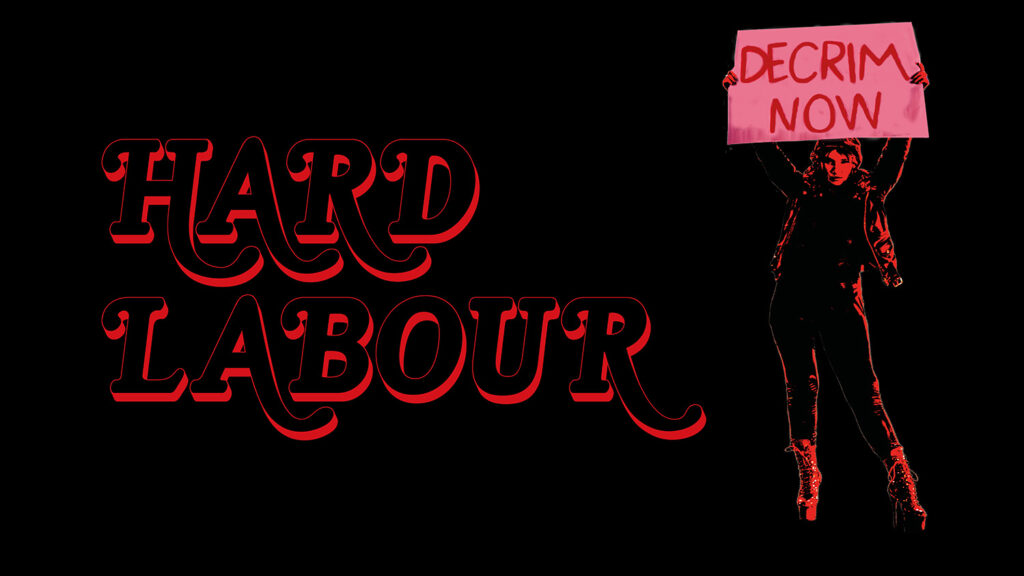
Hard Labour
All welcome to a weekend of sex worker resistance and joy! Workshops, talks and visual art, hosted by Scotland for Decrim.
Arika have been creating events since 2001. The Archive is space to share the documentation of our work, over 600 events from the past 20 years. Browse the archive by event, artists and collections, explore using theme pairs, or use the index for a comprehensive overview.
All welcome to a weekend of sex worker resistance and joy! Workshops, talks and visual art, hosted by Scotland for Decrim.
Edinburgh. Sinewave manipulating Giant Tank-ette goes head-to-head with Decaer Pinga’s first lady of noise.
Includes: a £20 note, stock fluctuations, an examination of words in the video medium, a linguistic challenge for your mind, a frame by frame dissection 50 words, shop front poetry, image and language head to head and newspapers under the microscope.
Dave will lead a session created for teenagers and designed to stimulate a supportive environment for artistic exploration through music improvisation.
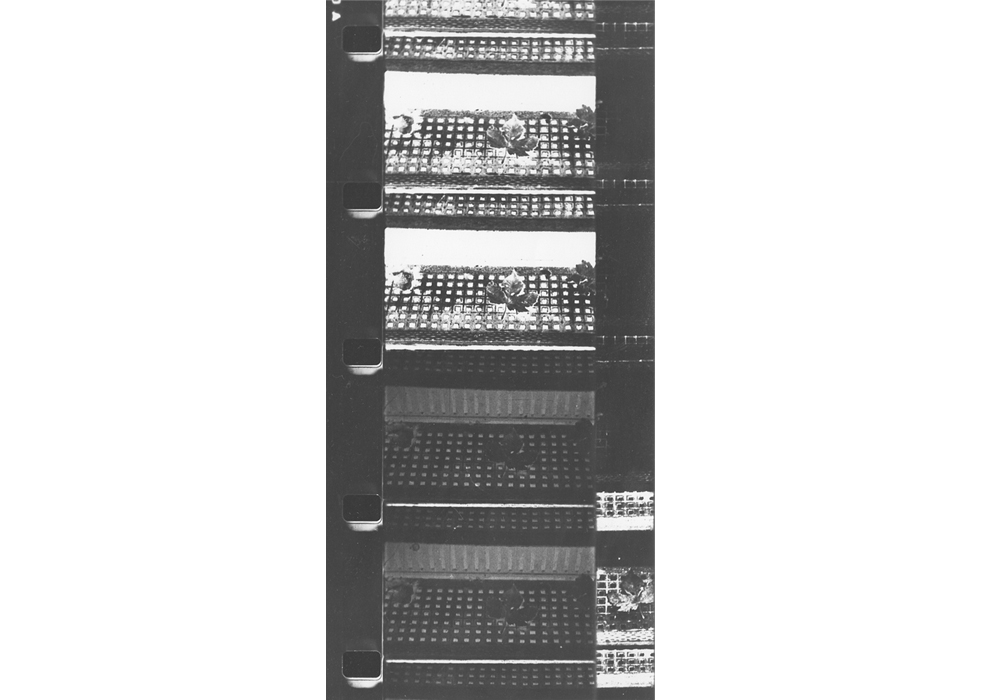
A programme looking at landscape, filmic or architectural spaces and at how the fixed stare of a camera frame only captures so much reality; here we focus on how filmmakers structure our relationship with that reality and at how they relate it to or interpret it through sound.
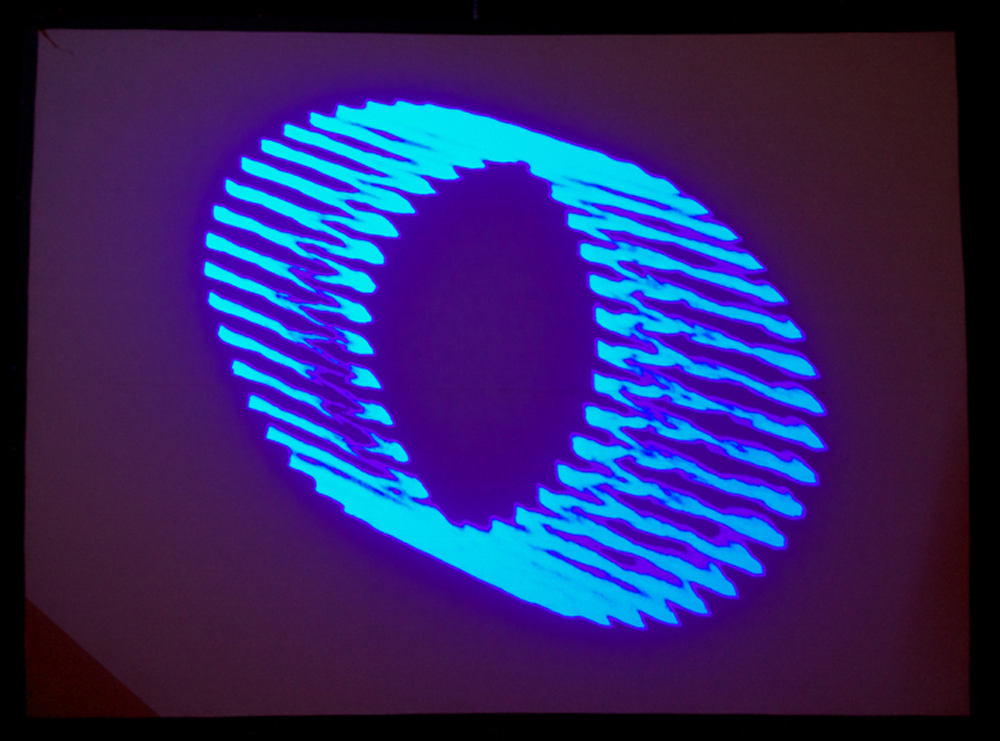
Complexly interacting colossal drones by the creator of some of the most legendary yet least heard music of the 70’s.
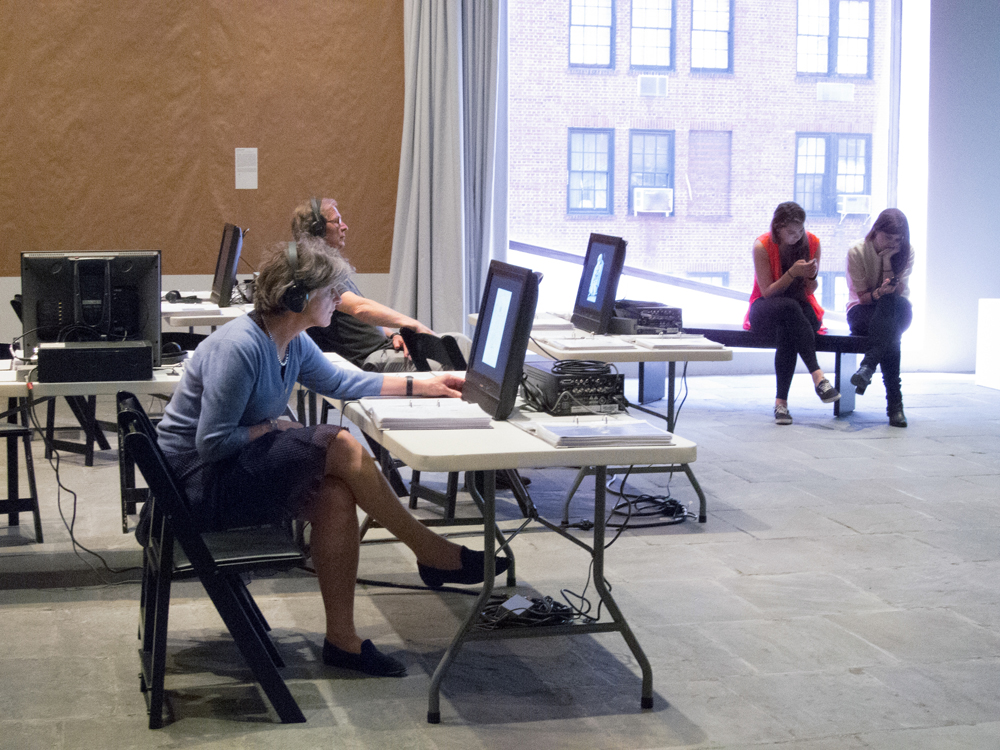
A temporary archive and research space tracing the ways in which sound and audition move through everyday life.
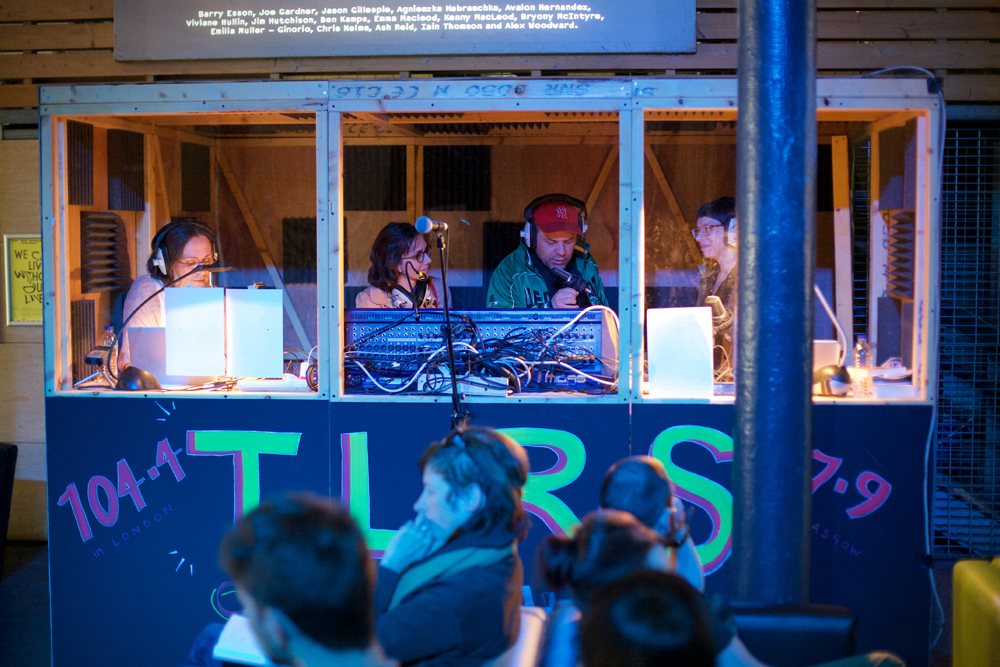
(Cyber)feminist, non-essentialist transgender and queer daily radio shows using the formula of morning radio as an arch way of thinking about the scripted behaviour and controlled empathy of systematic care.
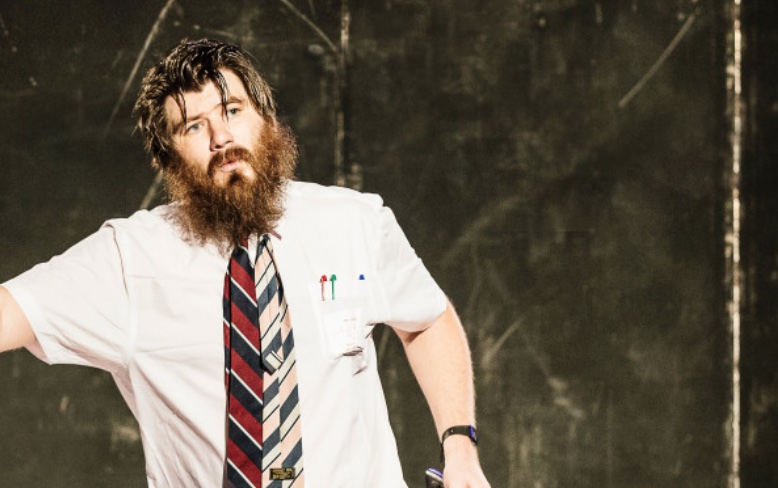
In this workshop we will imagine ourselves as time travellers from a glorious and chaotic neurodivergent-led future.
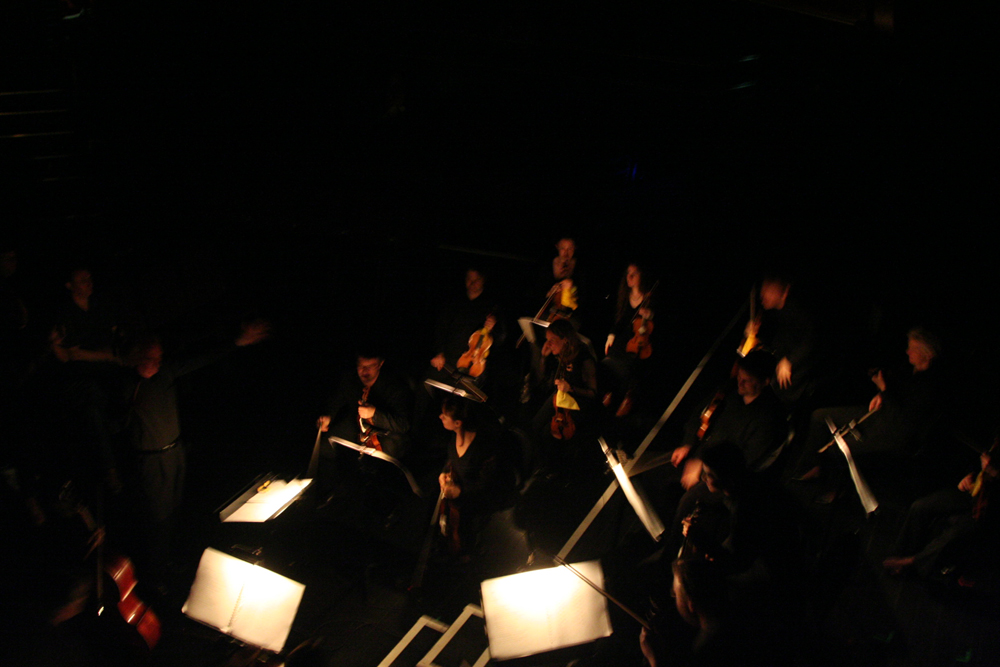
We commissioned Radu Malfatti to write a new piece for the 21-piece string section of the Northern Sinfonia: Music striving to discover the exact point at which sound resonates the clearest amidst long drawn out silences.
Save the dates for Episode 12.
Wednesday 11 – Sunday 15 November 2026
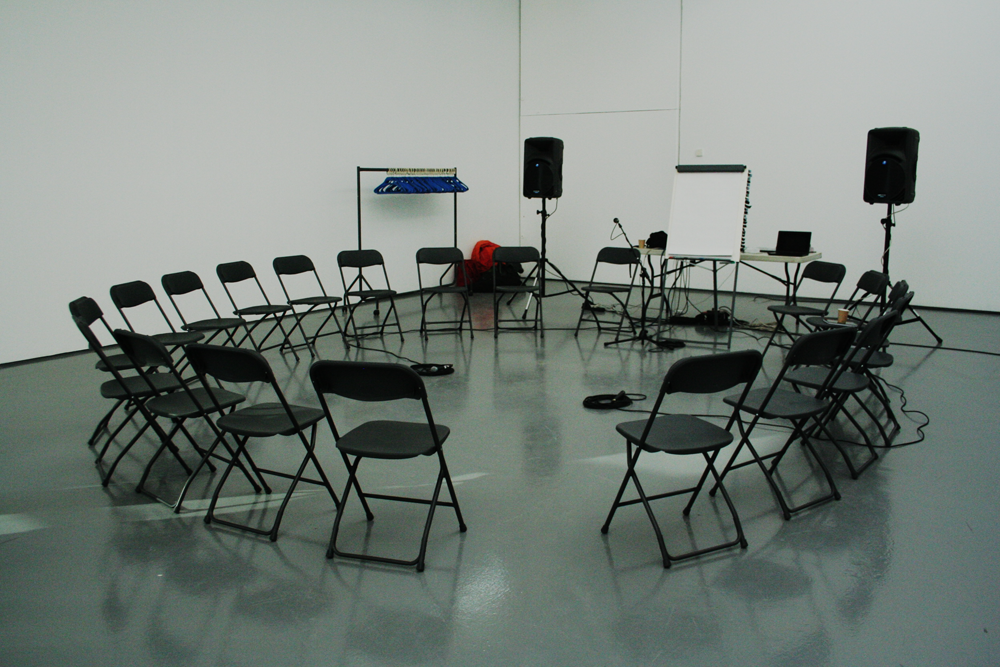
Loïc and Marc are proposing a series of investigations into the tension between improvisation and recording and how it can be used to engage with different spaces and environments around Dundee