Episode 8: Refuse Powers’ Grasp
Over 3 days Episode 8 celebrates all the unruly ways we escape attempts to constrain us, tear down the walls of normative culture and build joy in flight.

Arika have been creating events since 2001. The Archive is space to share the documentation of our work, over 600 events from the past 20 years. Browse the archive by event, artists and collections, explore using theme pairs, or use the index for a comprehensive overview.
Over 3 days Episode 8 celebrates all the unruly ways we escape attempts to constrain us, tear down the walls of normative culture and build joy in flight.
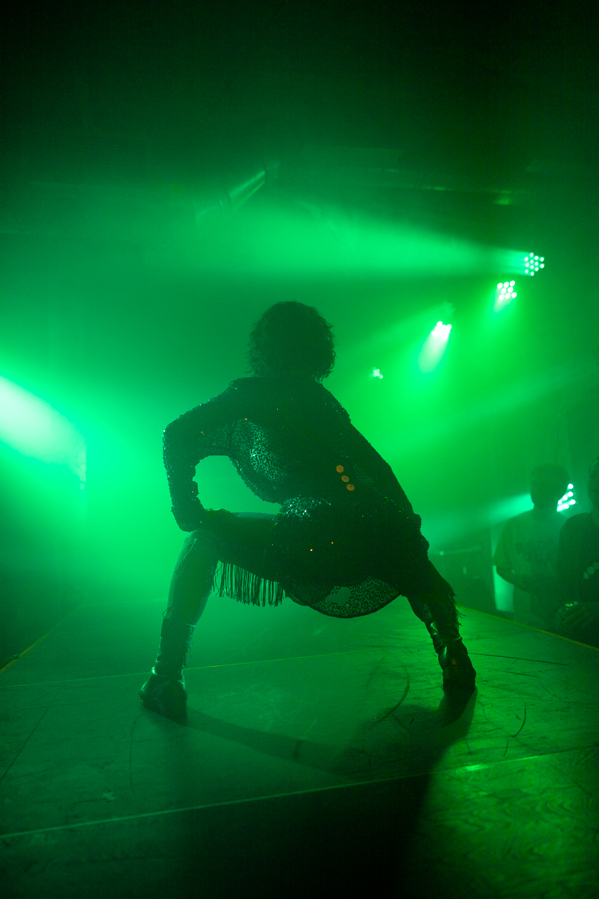
Underground movement legend boychild hosts this workshop—on improvisation, cosmetics, movement and lip-sync.
Thinking against the monoculturalism of Western thought—of faith, affection, sexuality and gender—which completely lacks any utility to, or descriptive value of Indigenous worldviews.
Glasgow based artist Defaalt invites the audience to collaborate fully in his performance by means of a generative graphical interface.
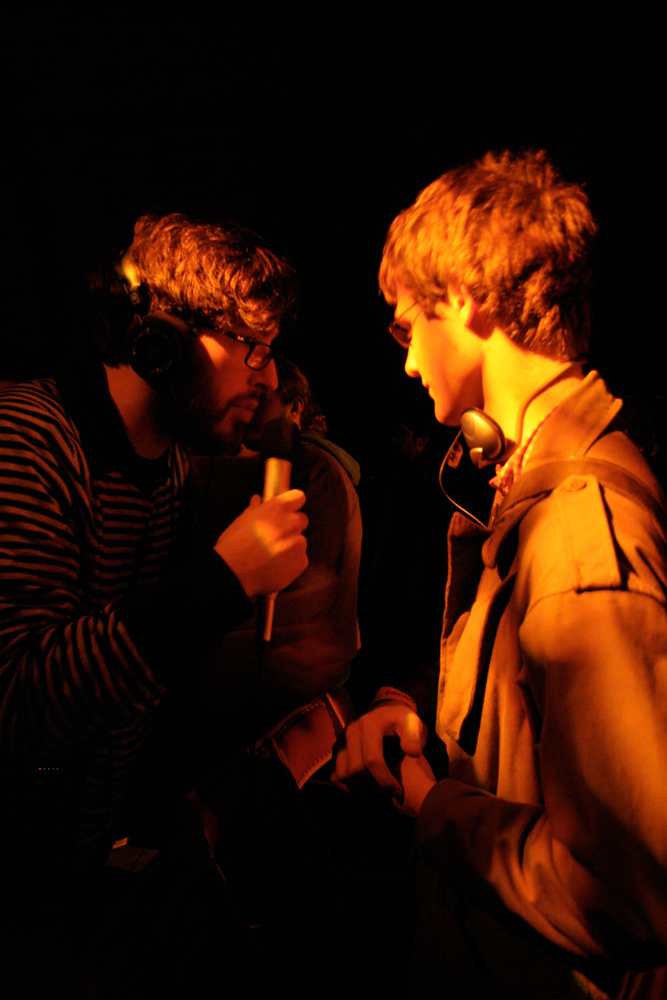
Jarrod Fowler creates a social space where layered one-to-one live encounters with the audience become sonic material.
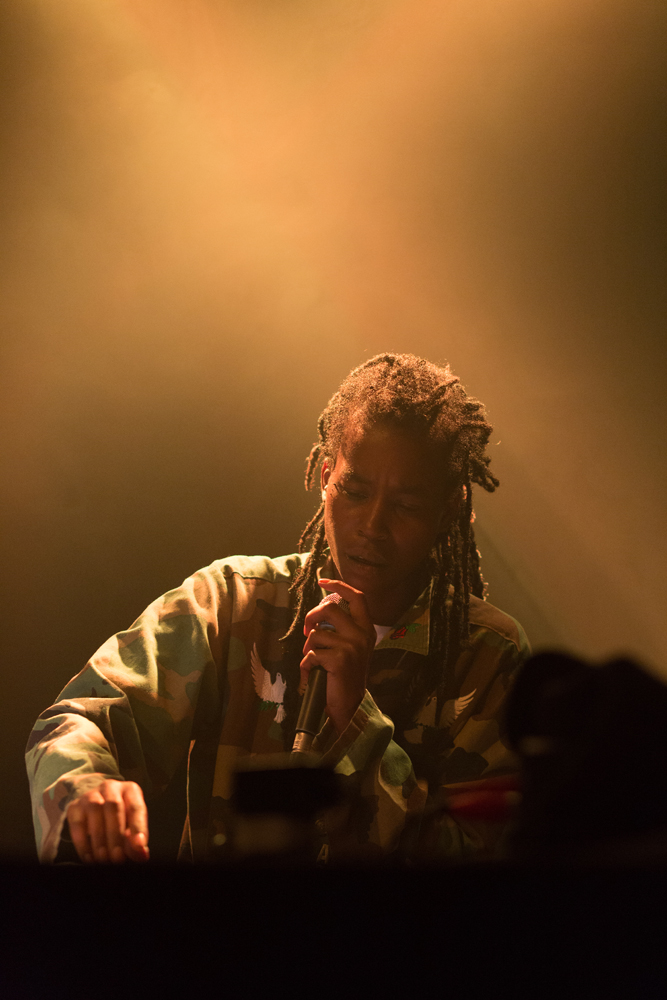
Moor Mother is a musician, Philadelphian housing activist and black quantum futurist.
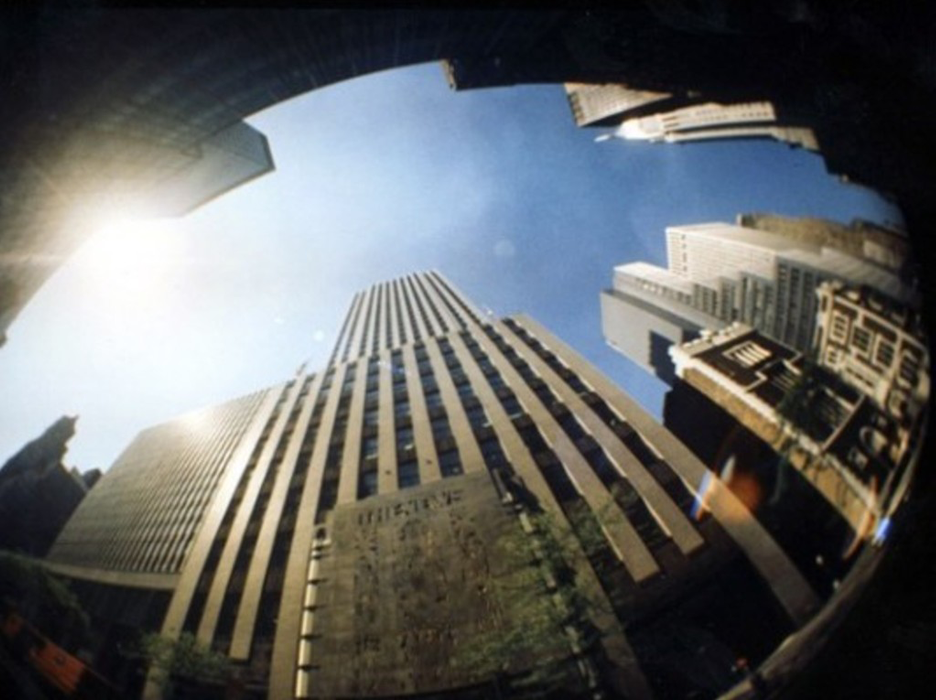
Includes: a polish counting lesson, around NYC with D A Pennebaker, a portrait of a tower block, a man with a spade, at home with KYTN regular Guy Sherwin, a cinematic Blair Witchish cut-up and a song for some swings.
Quartet improvisation by Klaus Filip – laptop, Radu Malfatti – trombone, Sean Meehan – snare & cymbals, Taku Unami – rice and dish.
What does it mean to listen with the mind as well as the ears? A solo performance from the great avant-garde pianist.
Recently rediscovered but still very pertinent, Kino Beleške presents a series of speech acts and performative gestures by protagonists of the new artistic practice in former Yugoslavia: each a personal take on the role of art in society.
Is it possible to dance our way out of the hardened stances and identity prisons we are locked in?
Rather than asking the state for services, what kinds of change are made possible when we prioritise people supporting each other?