Is a survey a process of listening?
Barry Esson Jay Sanders
A short chat about what we (Arika) might be trying to do with our program for the Biennial.
Arika have been creating events since 2001. The Archive is space to share the documentation of our work, over 600 events from the past 20 years. Browse the archive by event, artists and collections, explore using theme pairs, or use the index for a comprehensive overview.
A short chat about what we (Arika) might be trying to do with our program for the Biennial.
Autobiographical detail becomes a lens to reflect and refract the deepest aspects of personal and social life in Delany’s ground-breaking non-fiction writing.
Durational group-mind drone and clatter: bamboo, electronics, the contents of your local ironmongers bin. A 3-hour set from this legendary Japanese improvisation group.
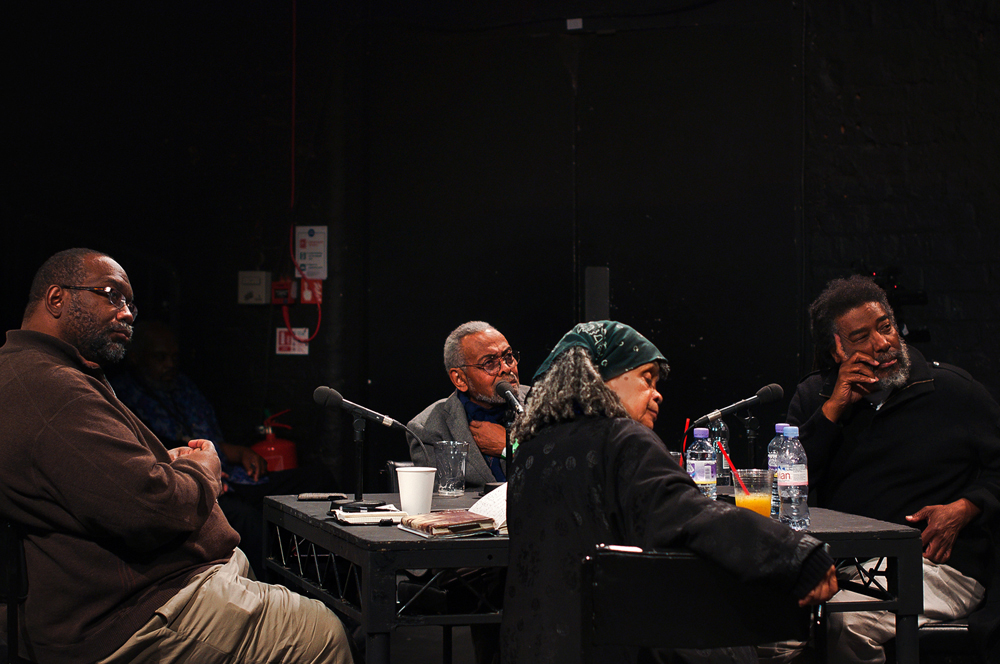
Ubuntu Women Shelter, National Ugly Mugs and the Sex Workers Union warmly invite you to a generative conversation (and Q&A) about the needs and rights of migrant sex workers in Scotland.
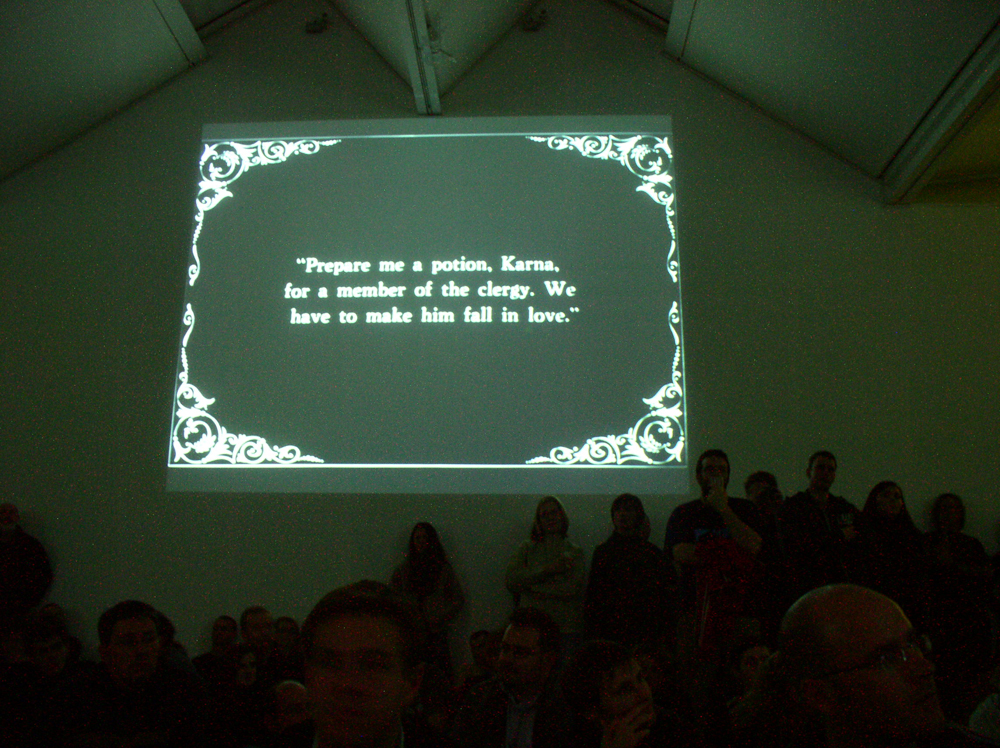
Mirror and Phantom Engineer performing an improvised soundtrack to Benjamin Christensen’s 1922 horror film prototype, Haxan: Witchcraft through the Ages.
The 2006 INSTAL festival saw a broad selection of artists that included Blood Stereo and Ludo Mich, Ellen Fullman and Sean Meehan, Keiji Haino and Tony Conrad and a specially created performance by Maryanne Amacher.
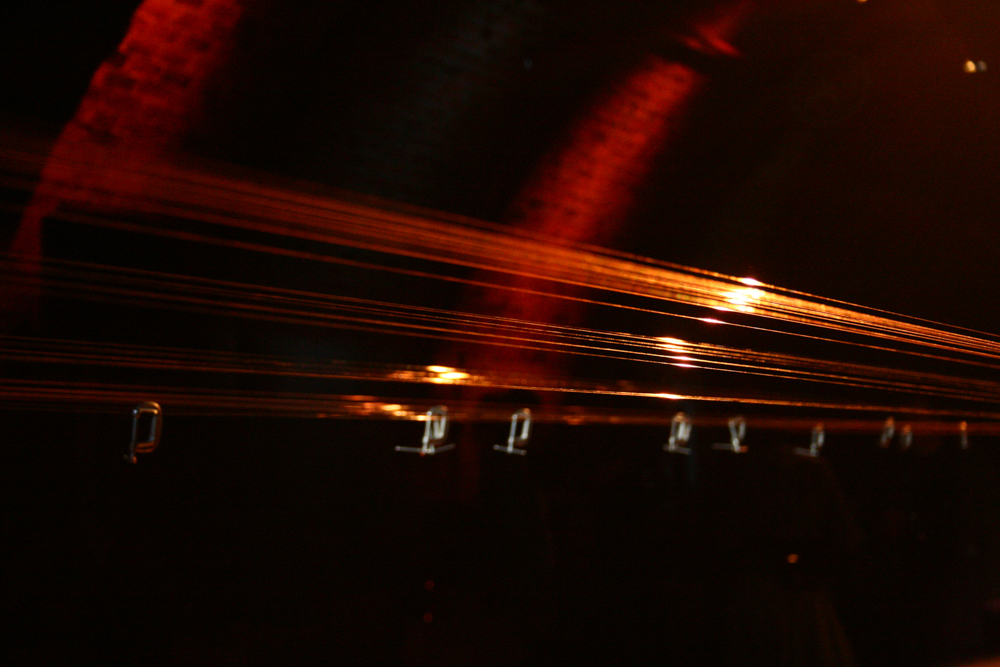
Long Stringed Instrument performance involving up to 100 wires strung in tension over a 40m arch.
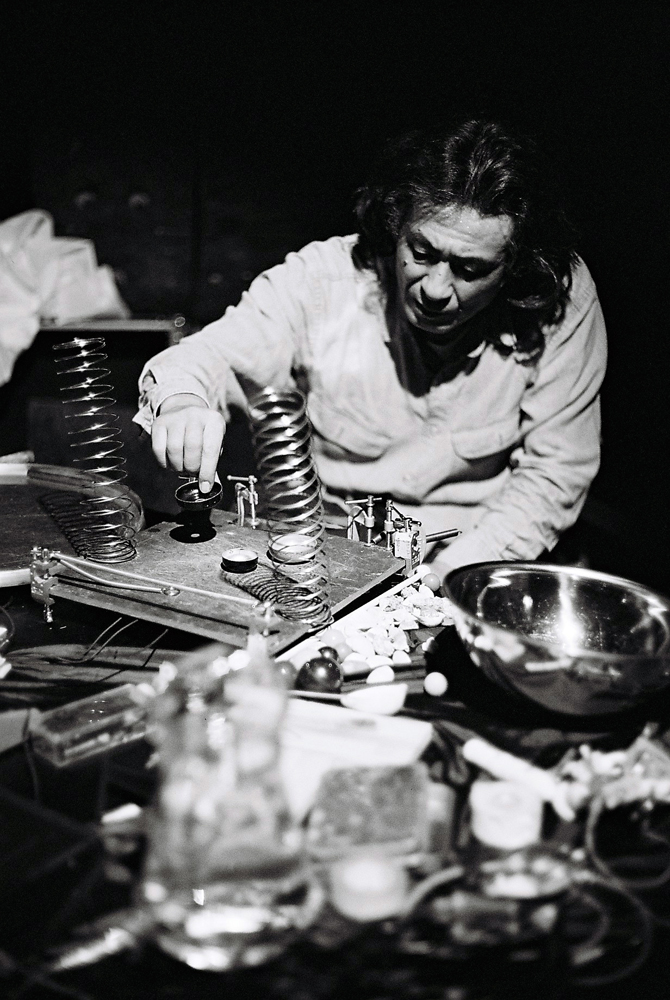
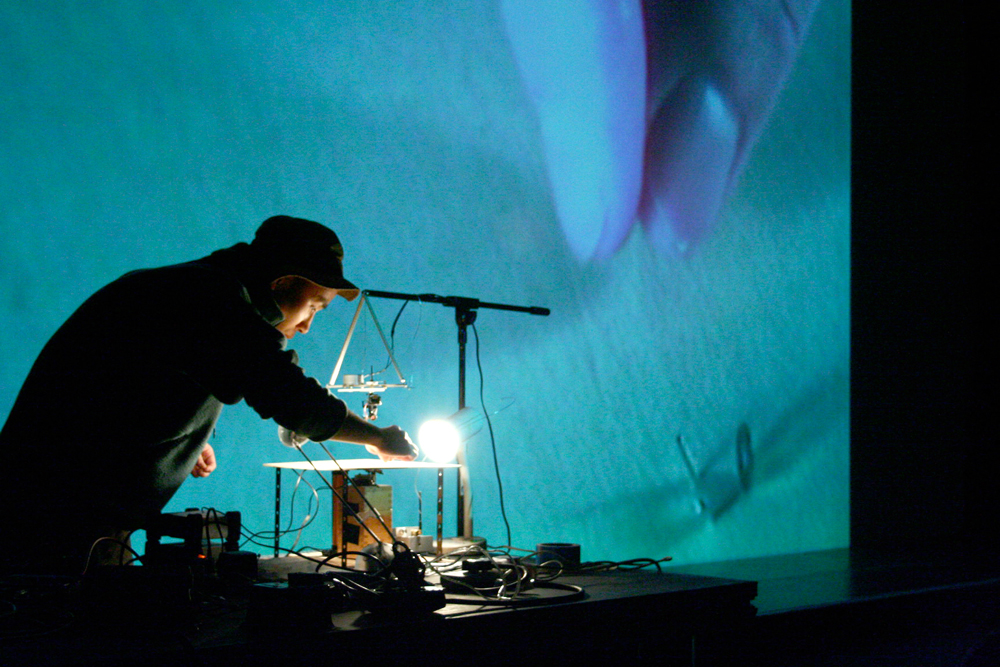
Kanta is a young Japanese artist with a home-made, short circuited take on electronics and physical phenomena which he uses in performance to produce close circuit systems of audio / video feedback.
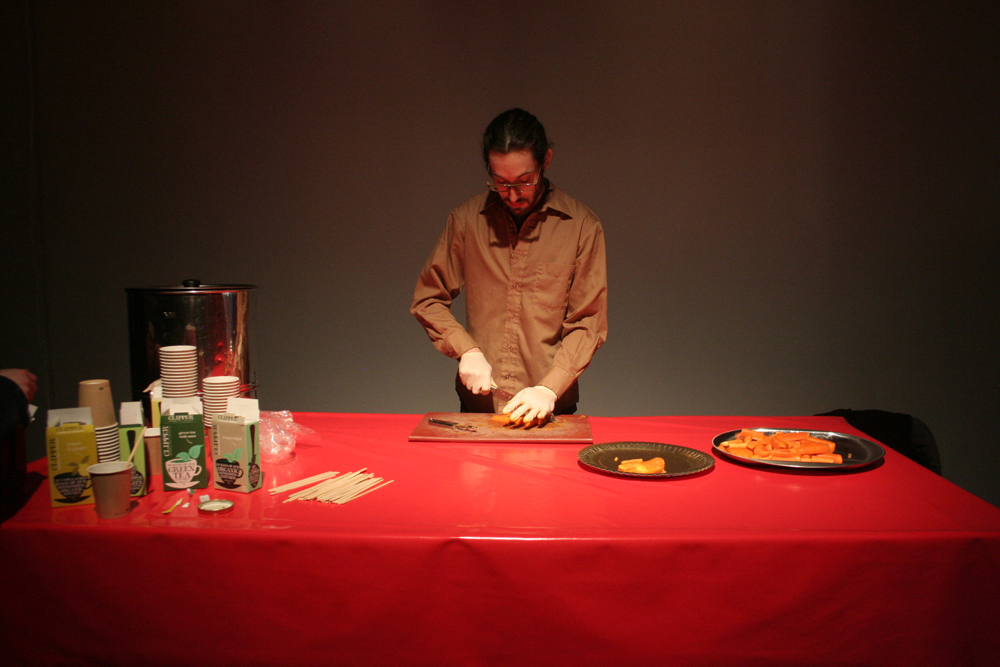
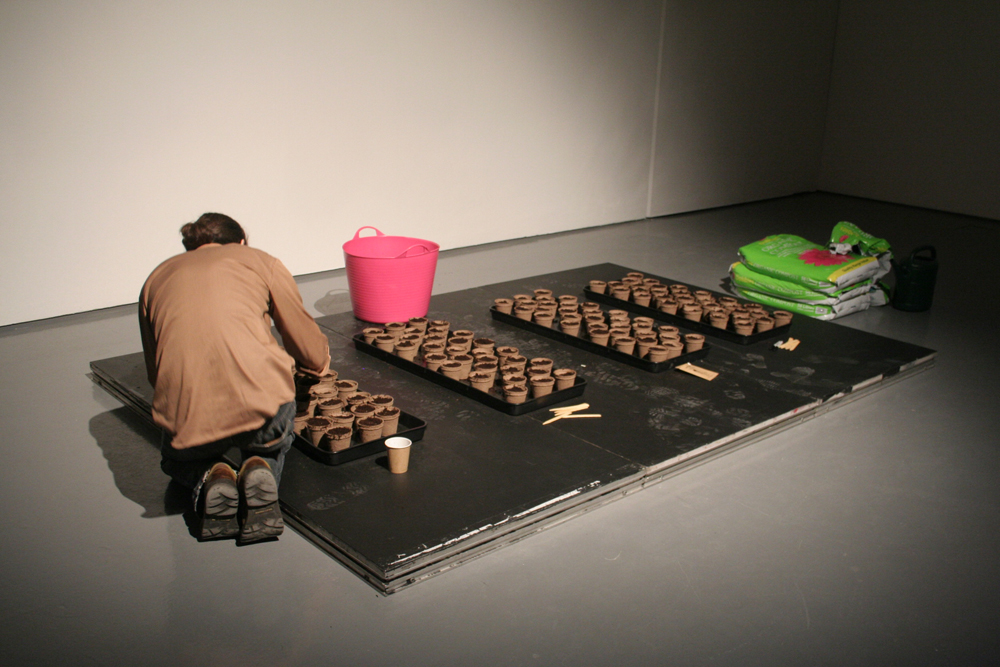
Jarrod Fowler and Christof Migone kick things off with performances involving edible plants, a saw, dandruff, and Christof responding to the prompt: “as far as you can for as long as you can.”
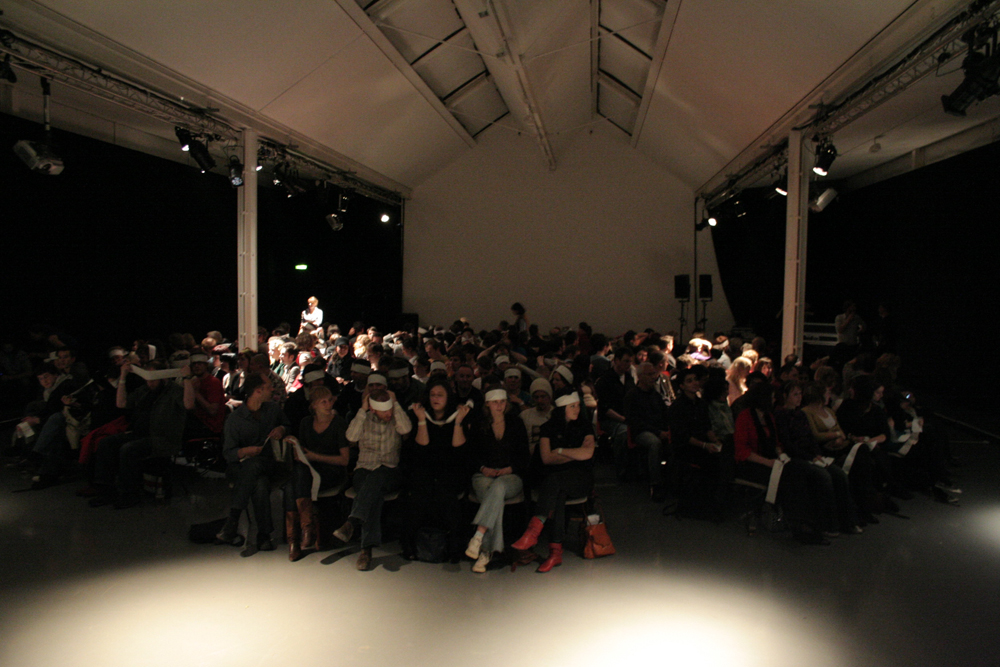
A Performance exploring the nature of acousmatic listening; sound removed from visual context and understood for it’s own properties.
What is the radical concept at the core of ‘rhythm’, expanded from simply musical or mathematical notions to encompass personal, social, collective rhythms?
How does this practice, that simultaneously resists and honours the distinctions between these genres, materials and senses, determine the inhabitation of another: a convergence of aesthetic and social experimentation?