Kyoaku No Intention
Kyoaku No Intention
Munehiro Narita’s Kyoaku No Intention (Worst Intentions) fired out some of the most compelling no-wave improvised rock of the 80s.
Arika have been creating events since 2001. The Archive is space to share the documentation of our work, over 600 events from the past 20 years. Browse the archive by event, artists and collections, explore using theme pairs, or use the index for a comprehensive overview.
Munehiro Narita’s Kyoaku No Intention (Worst Intentions) fired out some of the most compelling no-wave improvised rock of the 80s.
Sometimes delicate, sometimes harsh and jarring, Yagi’s koto solos are as much inspired by Nancarrow or Cage as they are traditional.
A cinema of the mind, a film to take place in the viewers’ imagination(s).
A programme of discontinuity between narration, text and image. Including Manual Saiz’s employment of John Malkovich’s Spanish dubbing double and Peter Rose’s absurdly hilarious concrete poetry subtitling chaos.
An improvisation that may or may not involve (typical) improvisation.
Discussion: If we approach “care as an event” rather than as a “contract of exchange” then what becomes possible in how we know, care for, and appreciate each other?
Daniel Carter & Sabir Mateen’s trio with percussionist Andrew Barker; incessantly driving forward through sweat-drenched bursts of pure ecstatic freedom.
Greek TV company Onos Productions came to INSTAL 09 to document the festival and report on Nikos Veliotis’ Cello Powder performance.
Nina’s going to talk about November, by Hito Steyerl: what and how the film thinks, or about what and how it might makes us think (which is connected, but not the same thing), by watching, and it discussing (with you?).
Juliana’s performances chart the dissonant space and discrepancy between the presumed fixed norms of social life and the fluid lived experience those norms don’t allow for.
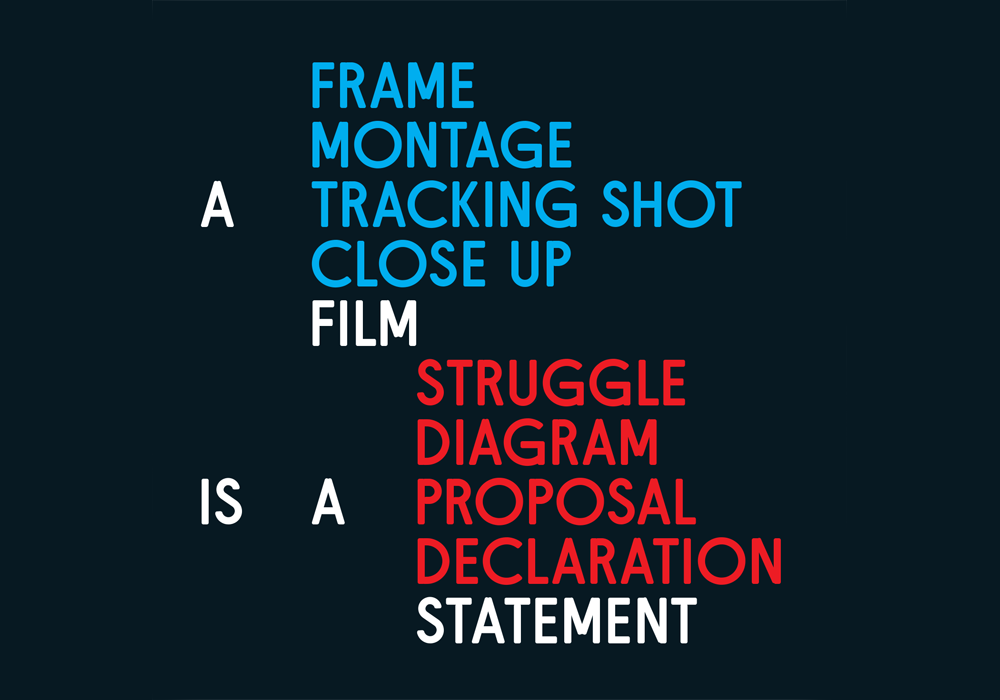
Stripping back the domesticated ‘meaning’ of (everyday, mundane, kitchen) tools to reveal “a lexicon of rage and frustration.” Plus an allegorical use of mundane, everyday things as an examination of how meaning is constructed in film.
Investigating the border between the audible and the visible means looking at the margins, the edges of creativity where artists test out new boundaries and define them anew.