Film Programme: The Last Clean Shirt
Alfred Leslie
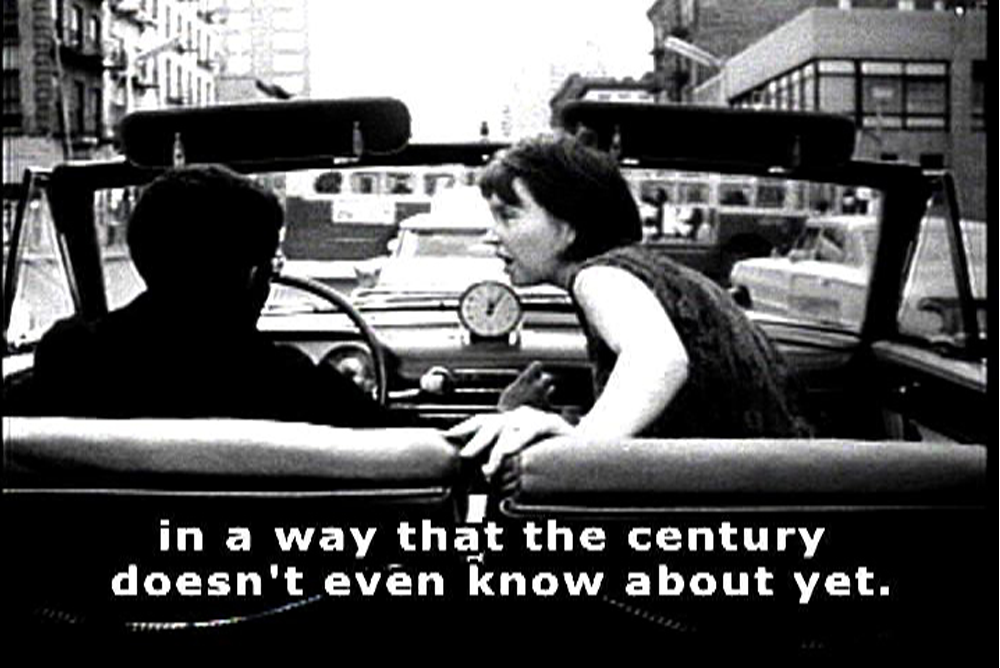
A parody of a (Manhattan) road movie and meditation on bifurcation, in paths traveled between the seen and the heard; a road trip played over and over from different perspectives.
Arika have been creating events since 2001. The Archive is space to share the documentation of our work, over 600 events from the past 20 years. Browse the archive by event, artists and collections, explore using theme pairs, or use the index for a comprehensive overview.
A parody of a (Manhattan) road movie and meditation on bifurcation, in paths traveled between the seen and the heard; a road trip played over and over from different perspectives.
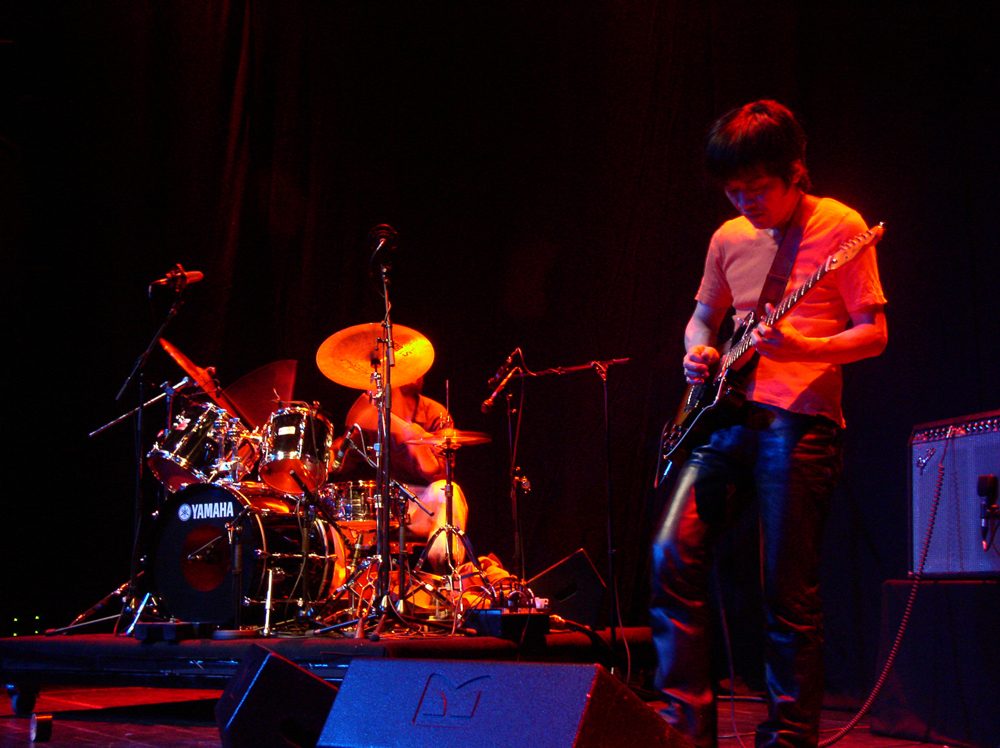
Munehiro Narita’s Kyoaku No Intention (Worst Intentions) fired out some of the most compelling no-wave improvised rock of the 80s.
Akio Suzuki and John Butcher performing in a large multi chambered industrial ice house.
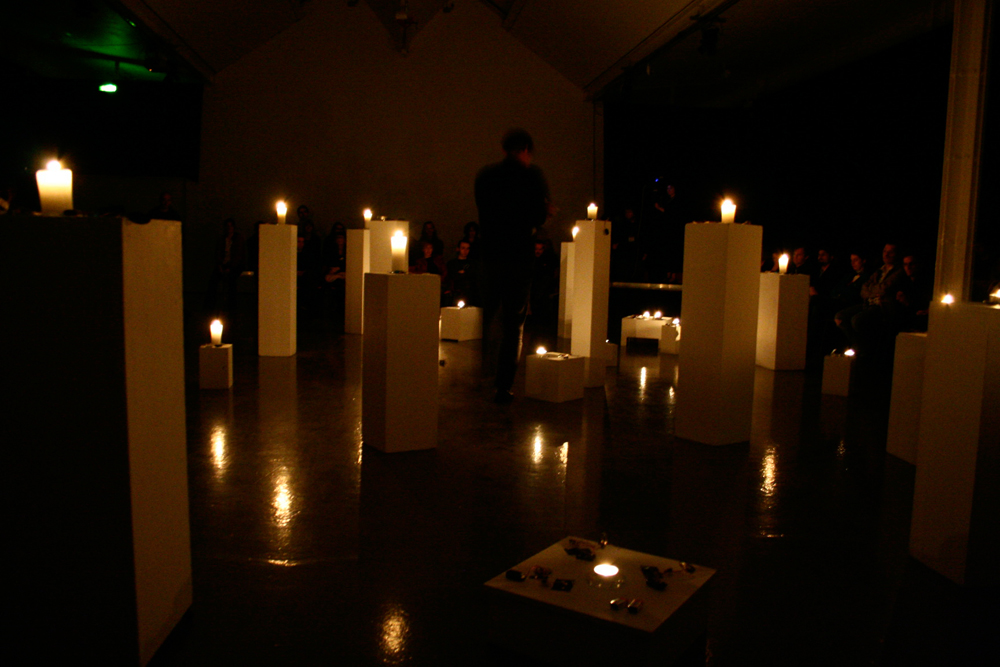
Joe Colley specialises in hotwired sound constructions full of ominous electronic disturbances and caustic, noxious drones. For KYTN, Joe created a situation of controlled chaos with 50 light sensitive oscillators placed in a field of candles.
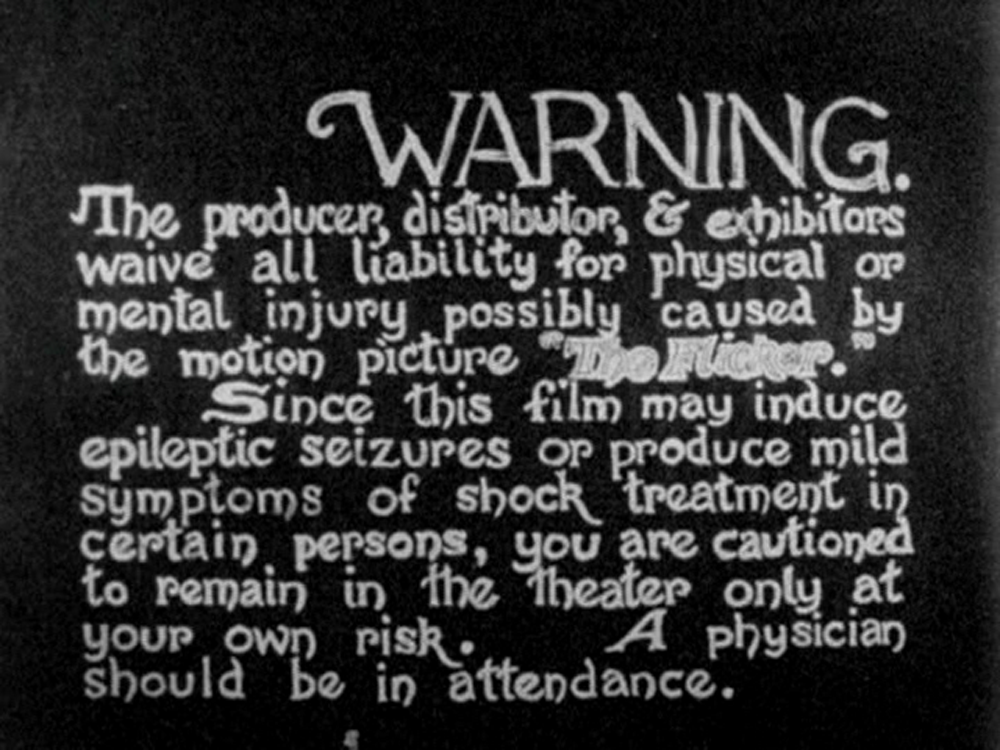
One of the most startling cinematic debuts on record, The Flicker is more a hallucination than a film, an out of body experience and riotous celebration of visual harmonics frequencies. An experiment in perception, come with your mind and eyes open.
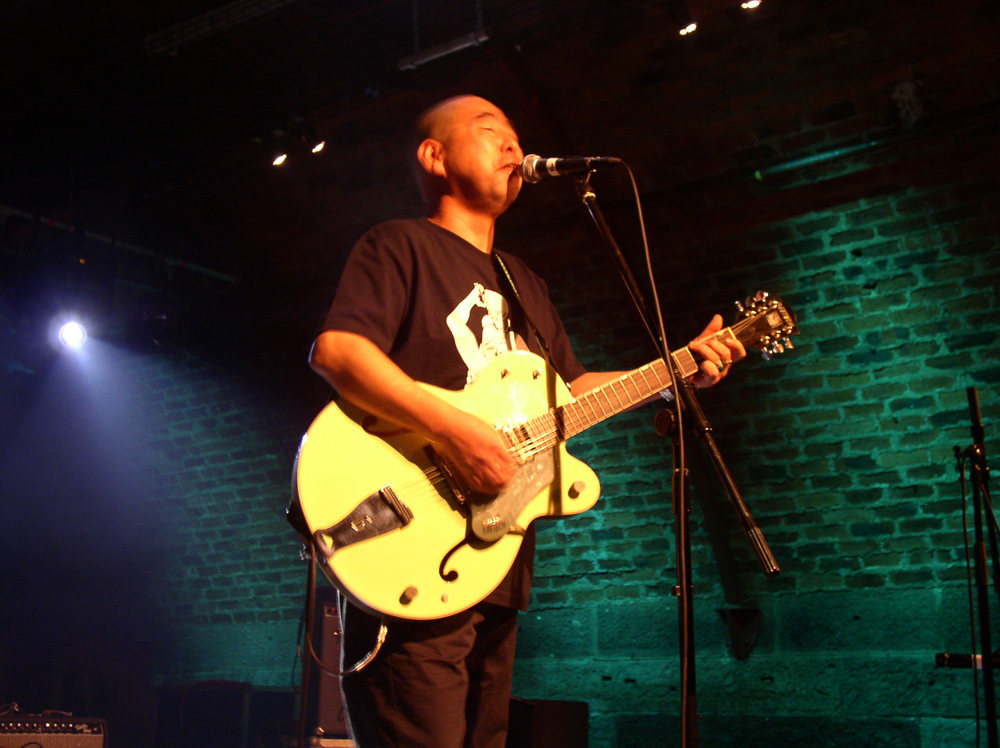
A voice that can vault from an elegantly whispered insinuation to asphyxiated and murderous barks or squalls in a heartbeat.
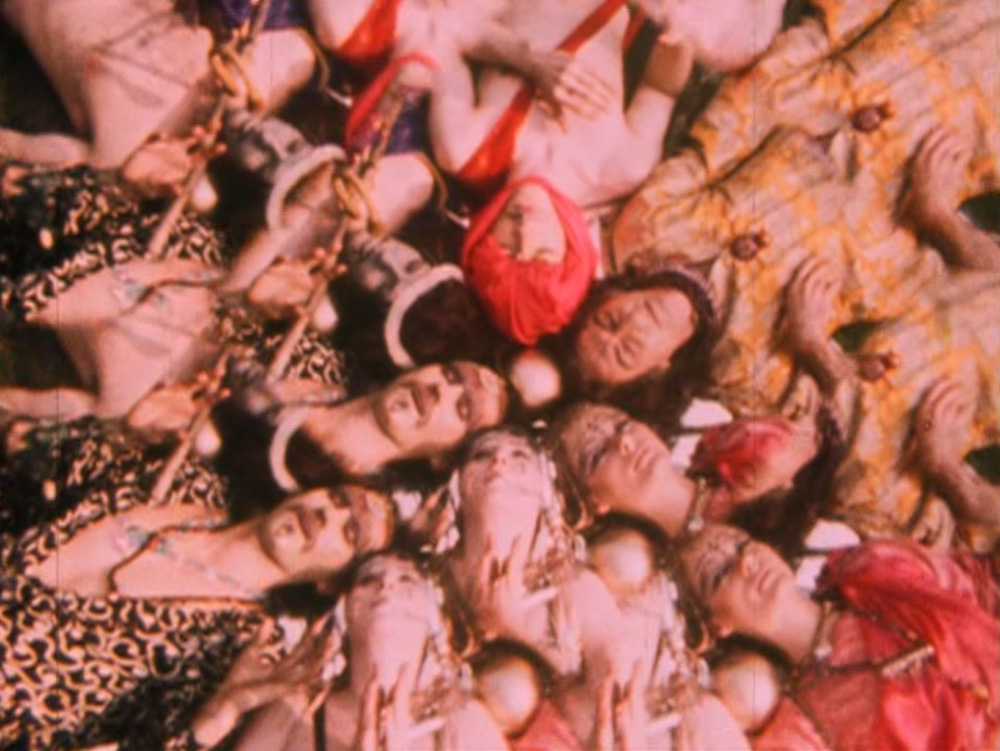
Beat poet Ira Cohen’s now infamous and wildly psychedelic film odyssey feeds one’s own seeing apparatus through beautifully warped and distorting mylar mirrors, resulting in a film dense and rich with visual arcana and poetry.
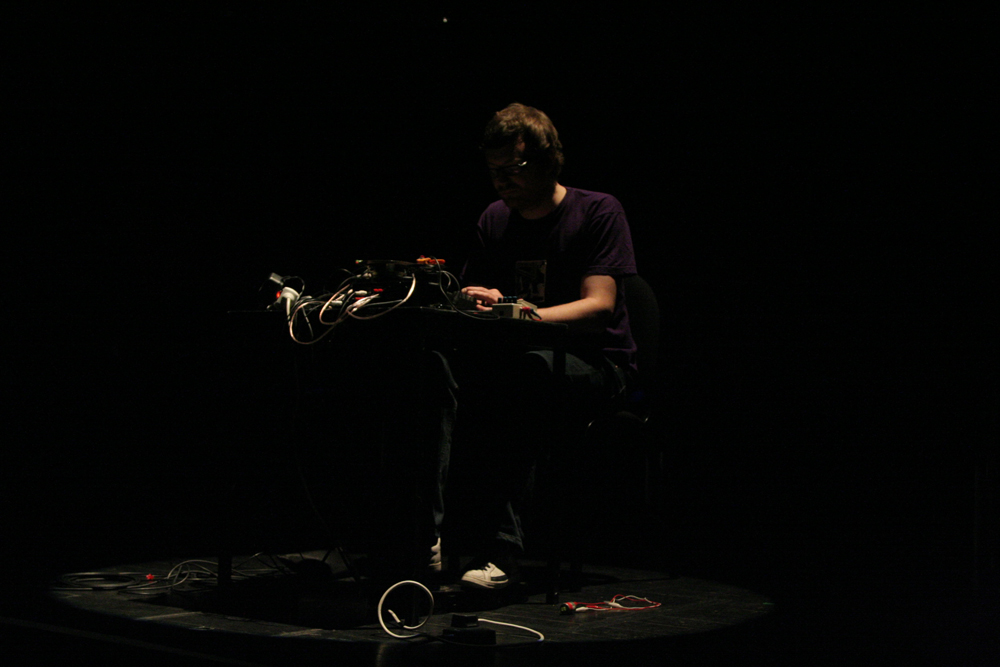
Solo by Jean-Philippe Gross, a French electro-acoustic improviser, working with mixing board, cheap mics, small speakers and an analog synth, built around a honed interest in feedback.
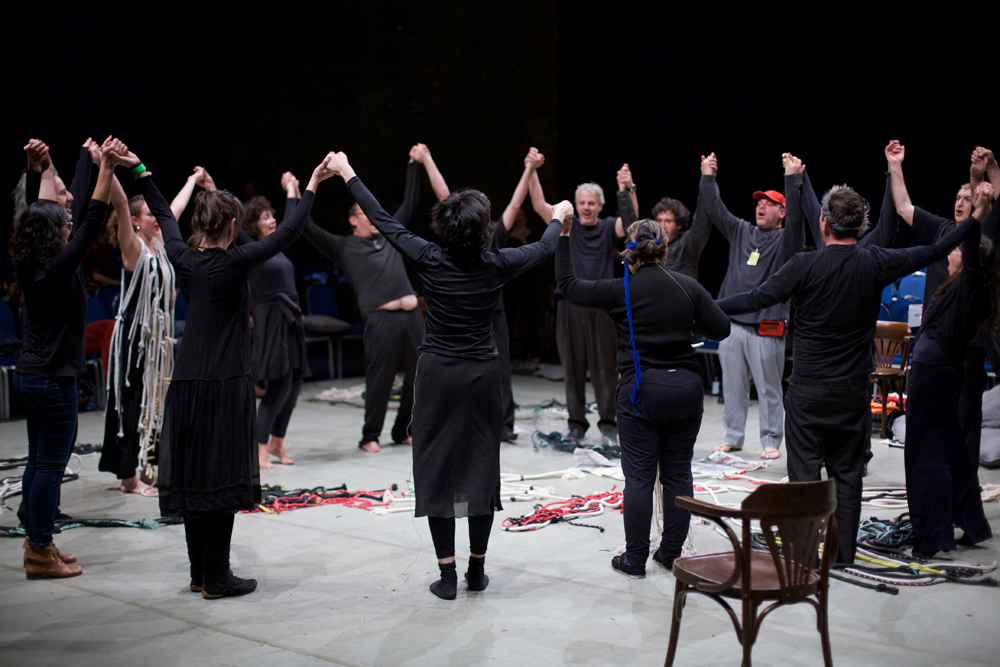
An open conversation around the history and practices of the Ueinzz Theatre Company – a radical Brazilian schizoscenic theatre company of carers, so-called psychotic patients and philosophers.
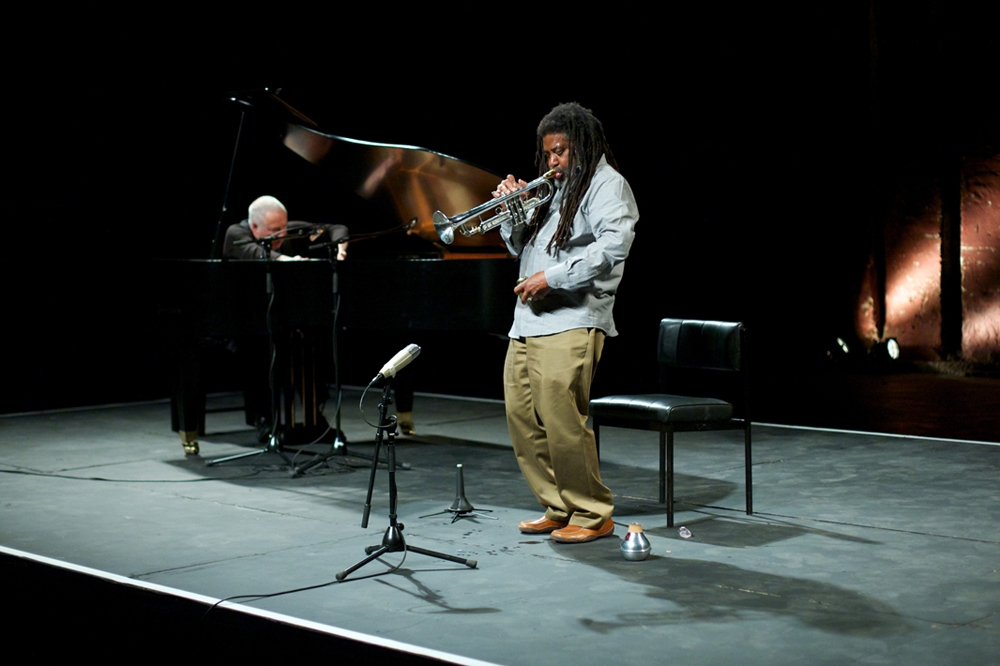
How might two of the great musicians working within contrasting traditions of freedom collaborate? What might this produce: musically, socially, allegorically?
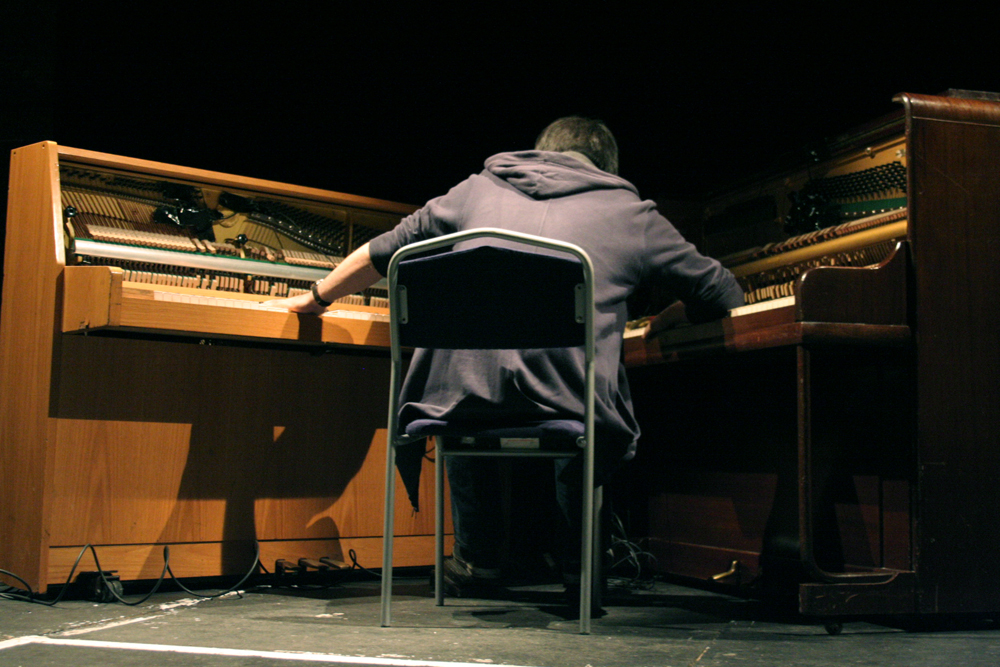
Sachiko’s very simple, pure sine tones and structures. Otomo on double pianos. Filament’s music isn’t composed and it isn’t improvised: it’s a hybrid of the two.
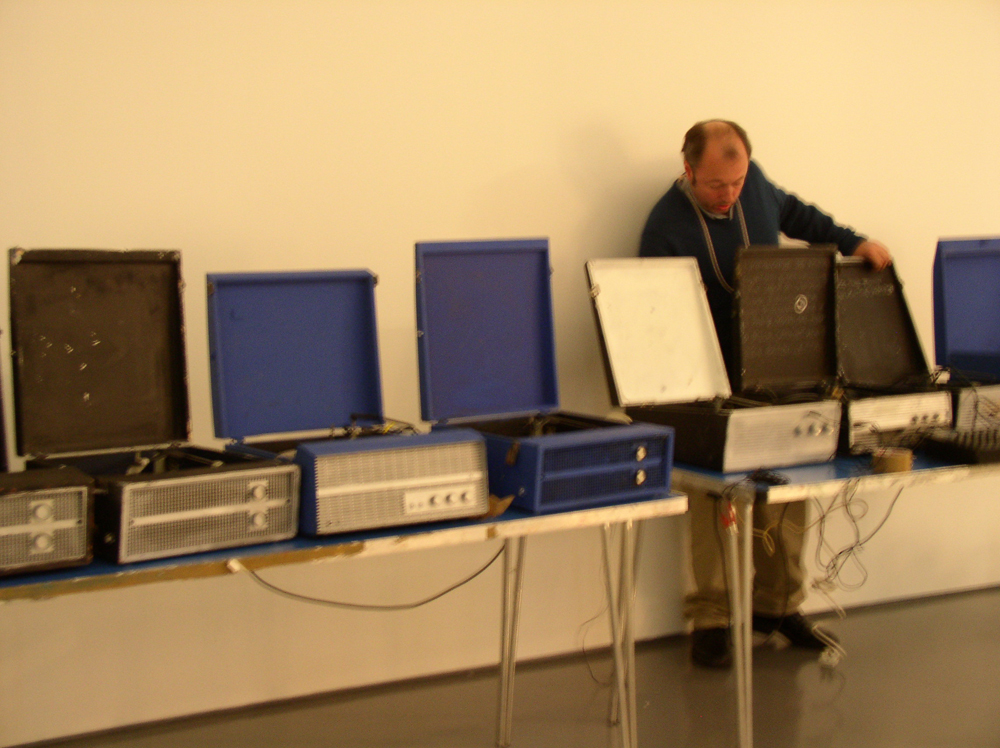
Equal parts spectacle, installation and performance, his set for us is a specially developed work, ‘turning’, which features an orchestra of multiple turntables, 4 projections and a collection of old, and, quite probably, misfiring analogue kit.