String Quartet
Neil Davidson
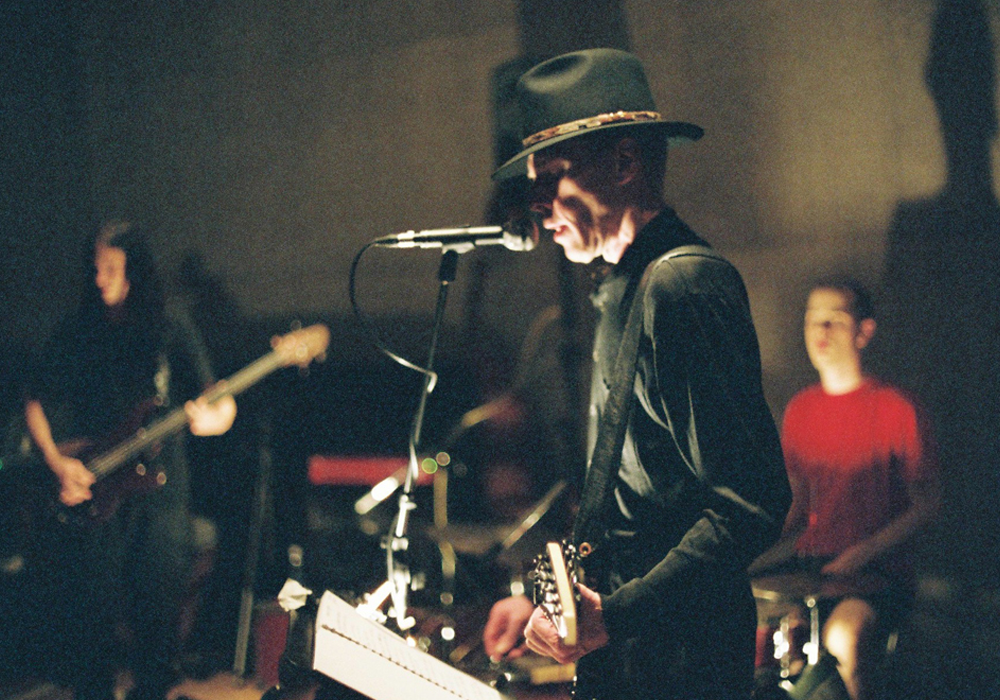
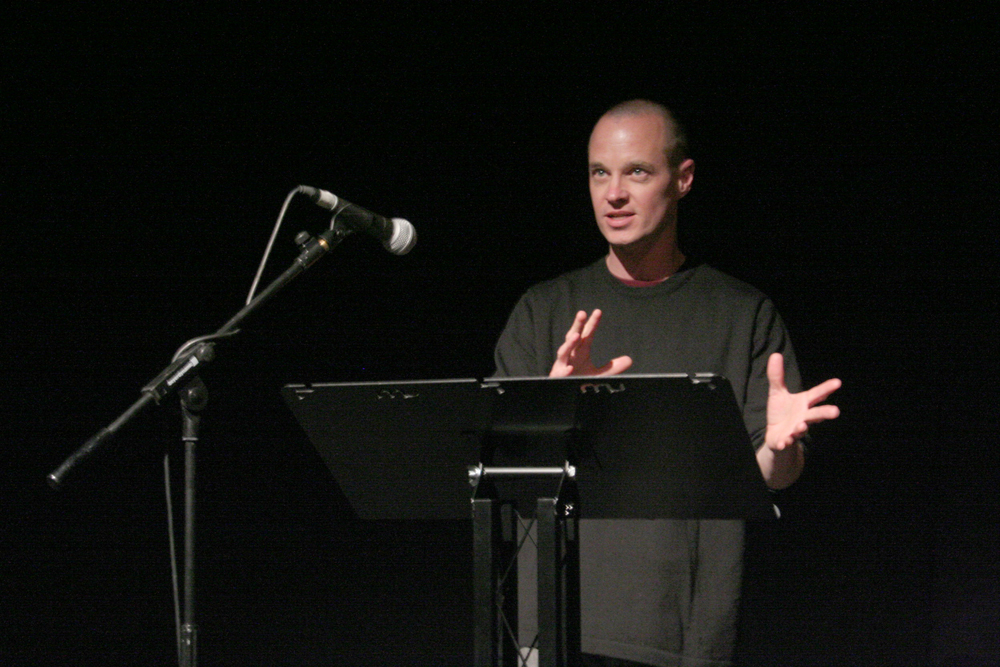
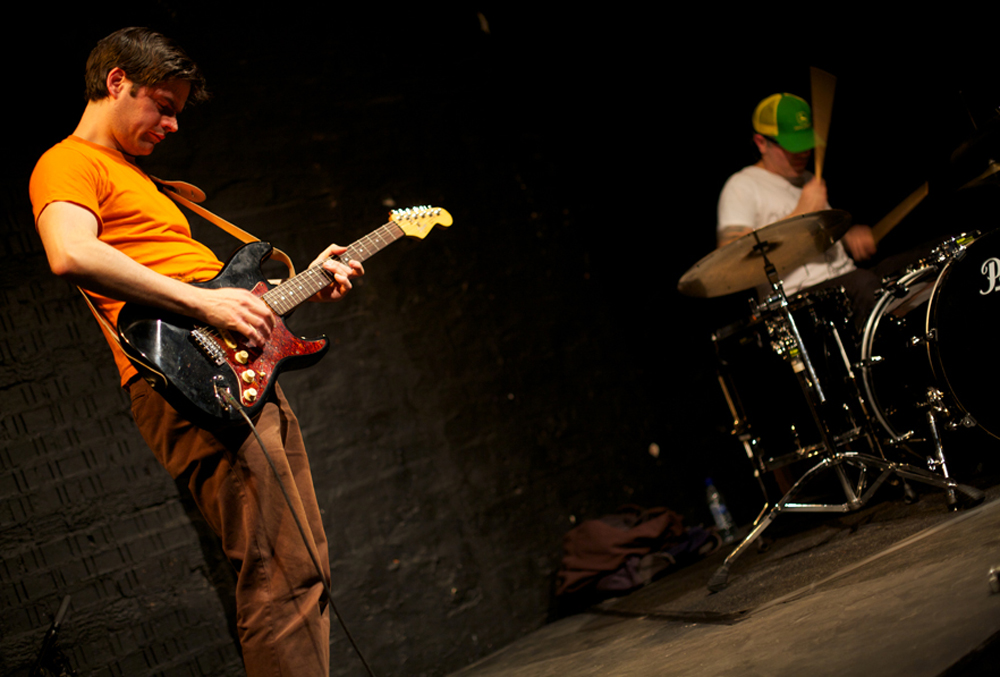
Three different performances variously featuring: Fritz Welch, loud drums, guitar, local collaborators, paper, memories, Roland Barthes, string quartets
Arika have been creating events since 2001. The Archive is space to share the documentation of our work, over 600 events from the past 20 years. Browse the archive by event, artists and collections, explore using theme pairs, or use the index for a comprehensive overview.
Three different performances variously featuring: Fritz Welch, loud drums, guitar, local collaborators, paper, memories, Roland Barthes, string quartets
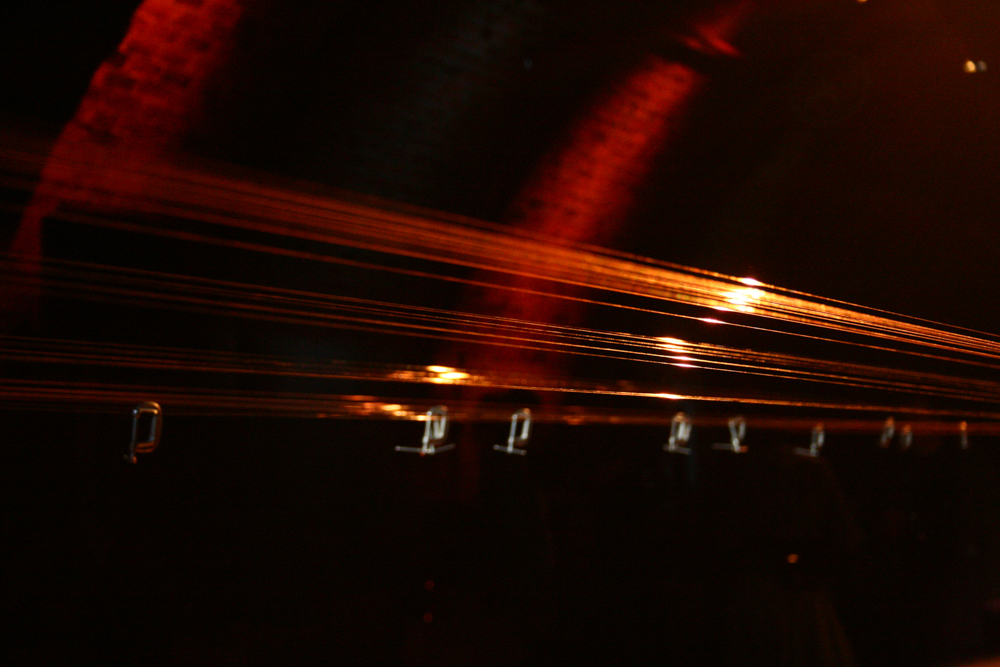
Long Stringed Instrument performance involving up to 100 wires strung in tension over a 40m arch.
Dave will lead a session created for teenagers and designed to stimulate a supportive environment for artistic exploration through music improvisation.
Are artists powerless in the face of technology? These often whimsical and amusing films are minimal technological interventions and appropriations but maybe also rigorous takes on the role of popular media and culture in our hyper-technological world.
Can a collective performance of NourbeSe’s poem of black life as it exceeds containment enact alternative forms of selfhood that emerge in and out of African diasporic experience?
In rethinking the body, the law, the state, gender, race, violence, care and empathy, how we might give humanness a different future?
Gravitational Feel is an engine for intensifying the differentiation of our entanglement, which you continually reprogramme in the mutual rub, shift and lap of its sonic, wooden, steel, textile and human material.
How does this practice, that simultaneously resists and honours the distinctions between these genres, materials and senses, determine the inhabitation of another: a convergence of aesthetic and social experimentation?
Performances at Anthology Film Archives by by Loren Mazzacane Connors, Alan Licht & Jandek.
Conceptual choreography as critique, in Ligia’s film of Caribbean plots and scandals, and the possibilities of anti-colonial revenge, rest and repair.
Dworkin asks: What would a non-expressive poetry look like? A poetry of intellect rather than emotion?
How do communities formed under the duress of violent othering and the joy of solidarity – such as ballroom culture, Black diasporas, Zapatistas – reform bonds of kinship?