No Diving 2
Storyboard P
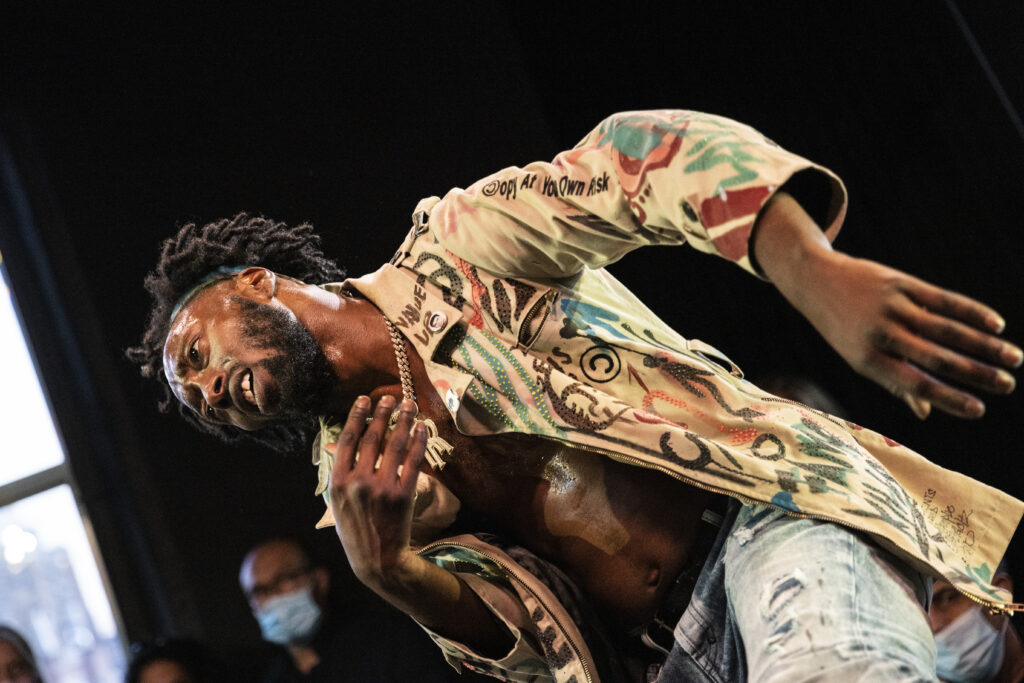
Live in person at Performance Space New York and live-streamed everywhere! Watching Storyboard P dance feels like glimpsing into another world.
Arika have been creating events since 2001. The Archive is space to share the documentation of our work, over 600 events from the past 20 years. Browse the archive by event, artists and collections, explore using theme pairs, or use the index for a comprehensive overview.
Live in person at Performance Space New York and live-streamed everywhere! Watching Storyboard P dance feels like glimpsing into another world.
An improvisation that may or may not involve (typical) improvisation.
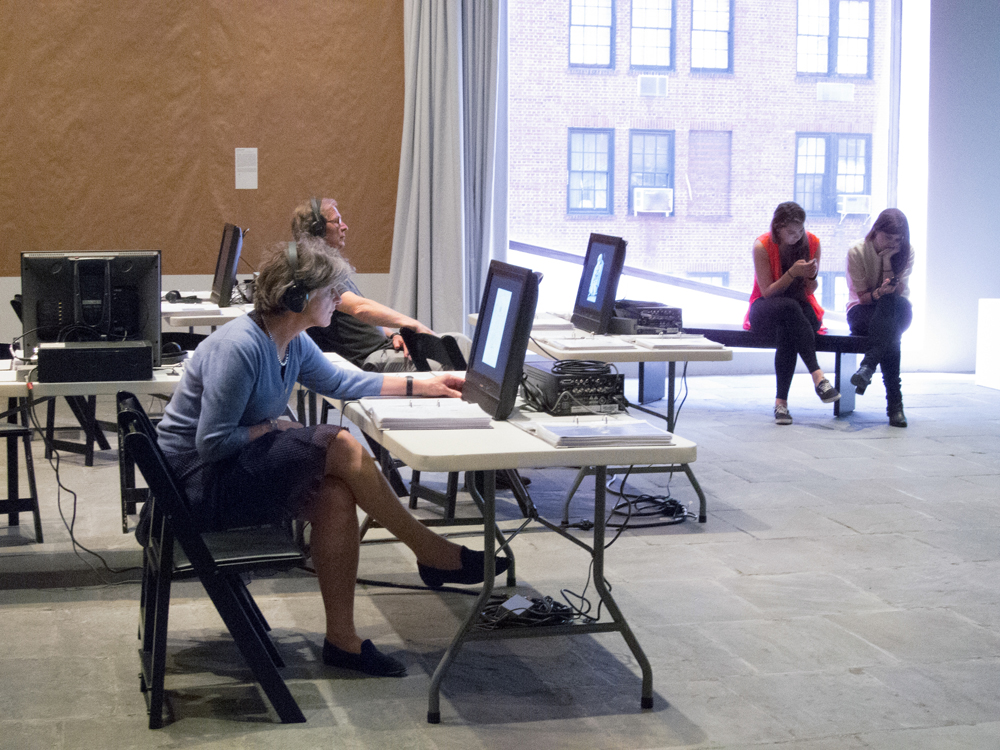
A temporary archive and research space tracing the ways in which sound and audition move through everyday life.
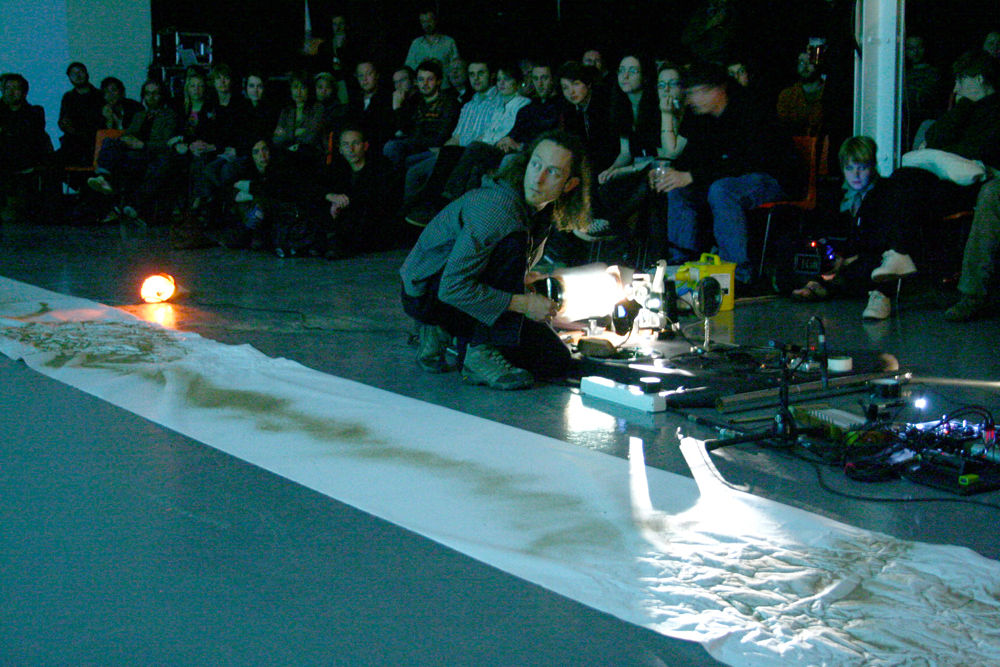
A system in which film is projected onto copper strips, captured again and then re-projected as video, somehow transforming the original imagery into molasses-slow, molten and incredibly tactile flickers of colour and light.
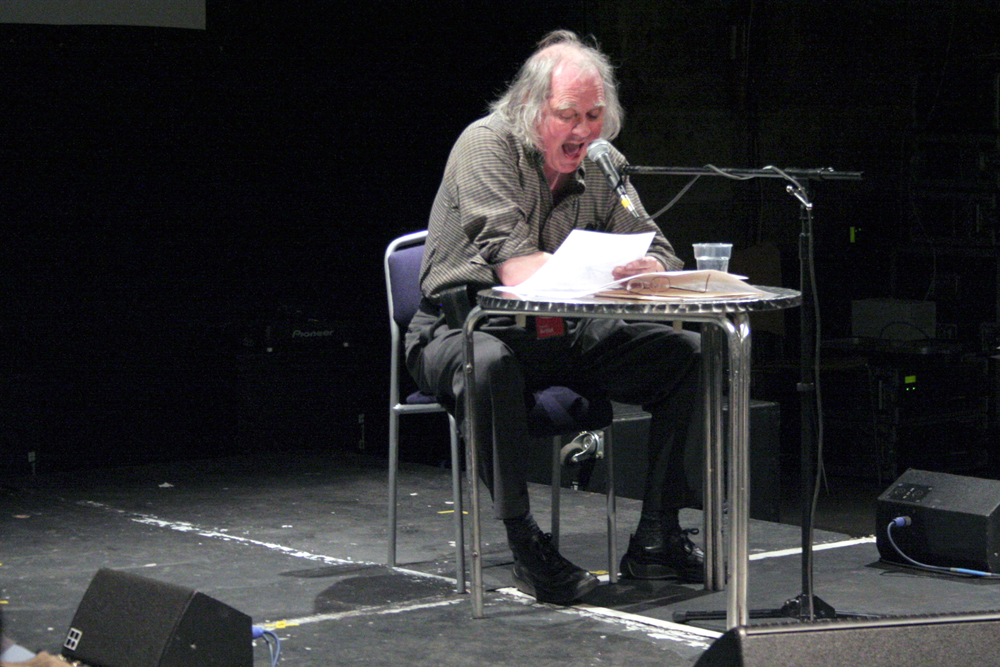
Leading language/ action/ sound poet performed his groundbreaking concrete poem, a dizzying mandala of text, symbols and rubber stamps; a kind of book as reading machine.
Tormented and drawn-out high-pitched yelps and drones, all interleaved with periods of torpid silence.
Veterans of the psych-infused UK free noise scene, the Vibracathedral Orchestra is a hypnotic ur-drone group hailing from Leeds.
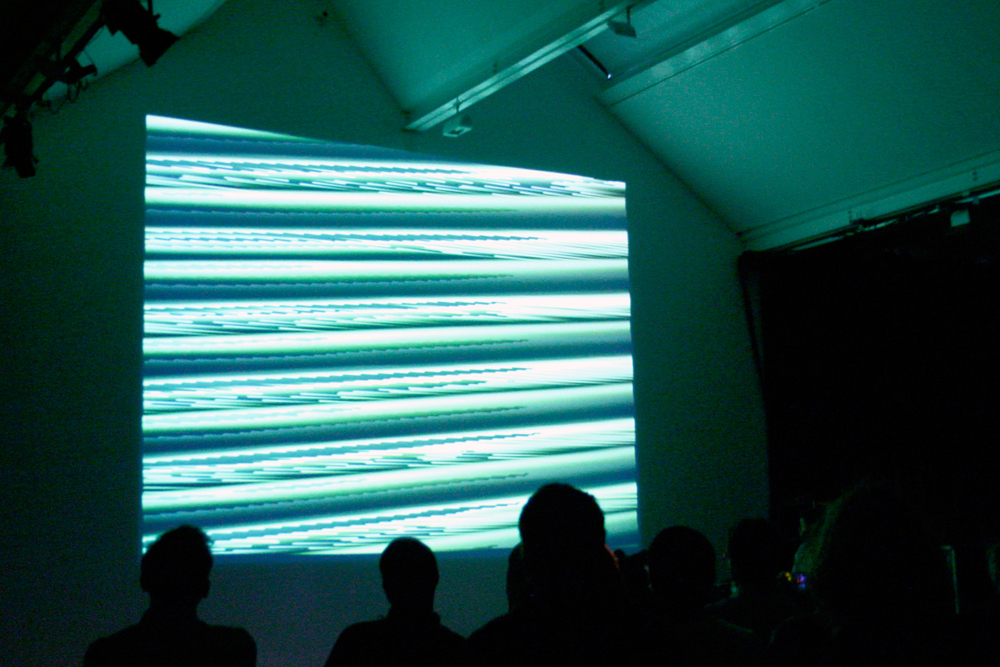
AVVA sees the internal feedback of Toshi’s no-input mixing desk is fed to Billy, and transformed into bright and variegated patters, striations and blooming colour, before being fed back to Toshi and manipulated on route to the PA.
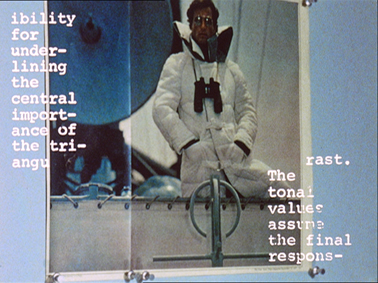
Ian and Gil will host a discussion on the Argument project’s social and political commentaries, and with you try and maybe think through whether and how they might still have some currency today: what’s changed and what’s stayed the same?
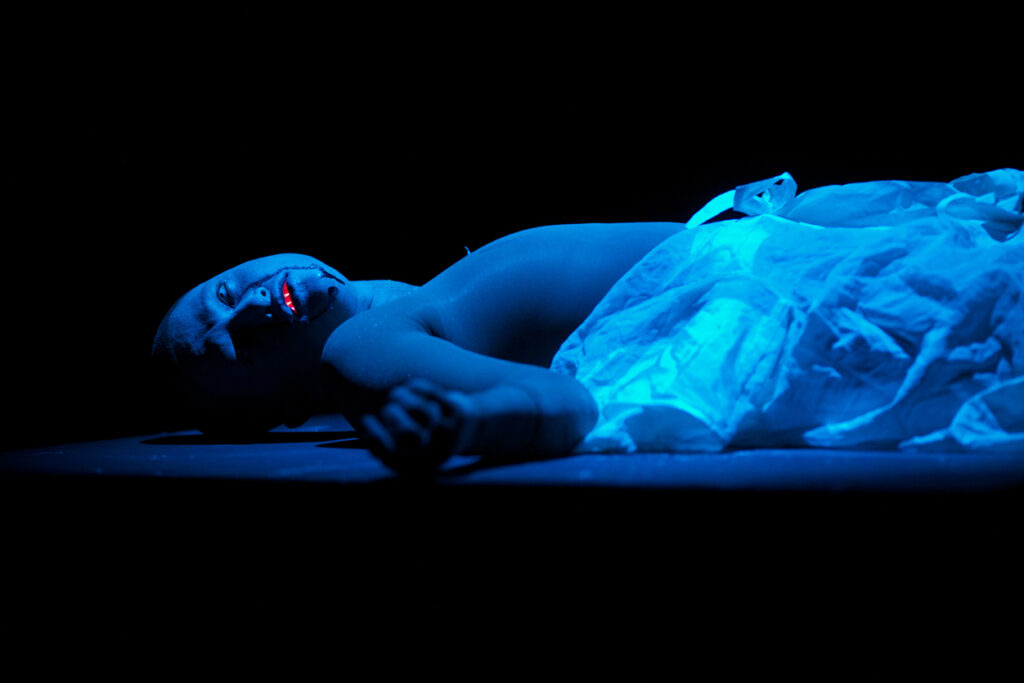
The mutability of the body and the mobility of identity: queered pop culture, drag, lip-sync and performance.
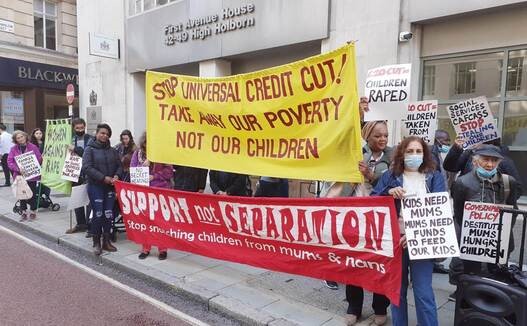
How do grassroots feminist organisations strategise relationships between mothers, parents, carers and their children based on respect and empowerment, in resistance to the practice of putting children in often the most uncaring of places – care.
Can we use sound, repetition and difference to personally and collectively engage with space, time and labour?