
16 May 2010
FACT
Craig Dworkin
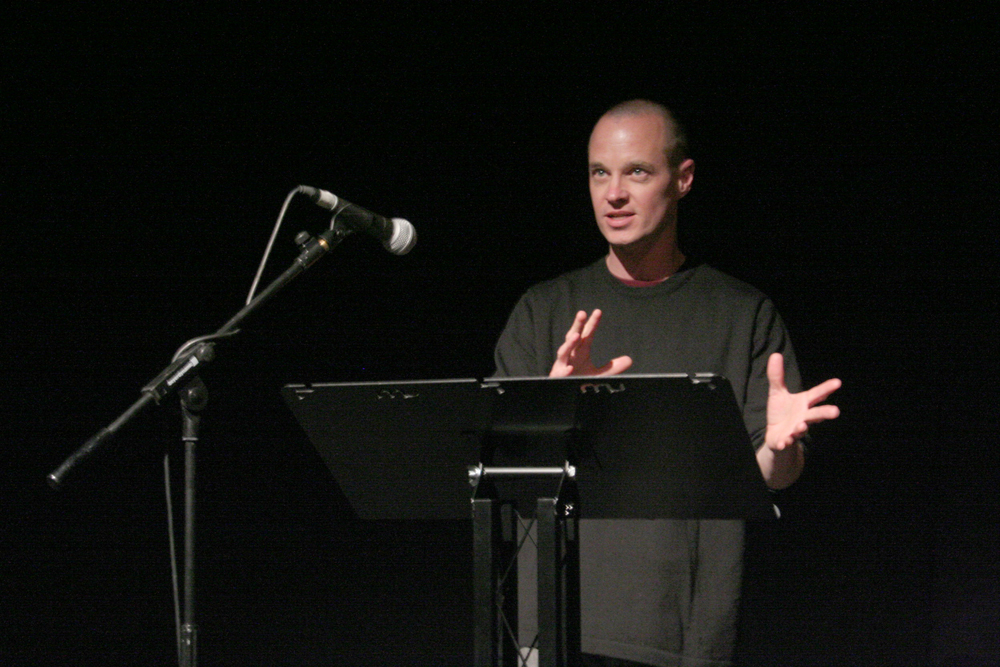
Dworkin asks: What would a non-expressive poetry look like? A poetry of intellect rather than emotion?
UNINSTAL
Arika have been creating events since 2001. The Archive is space to share the documentation of our work, over 600 events from the past 20 years. Browse the archive by event, artists and collections, explore using theme pairs, or use the index for a comprehensive overview.
Dworkin asks: What would a non-expressive poetry look like? A poetry of intellect rather than emotion?
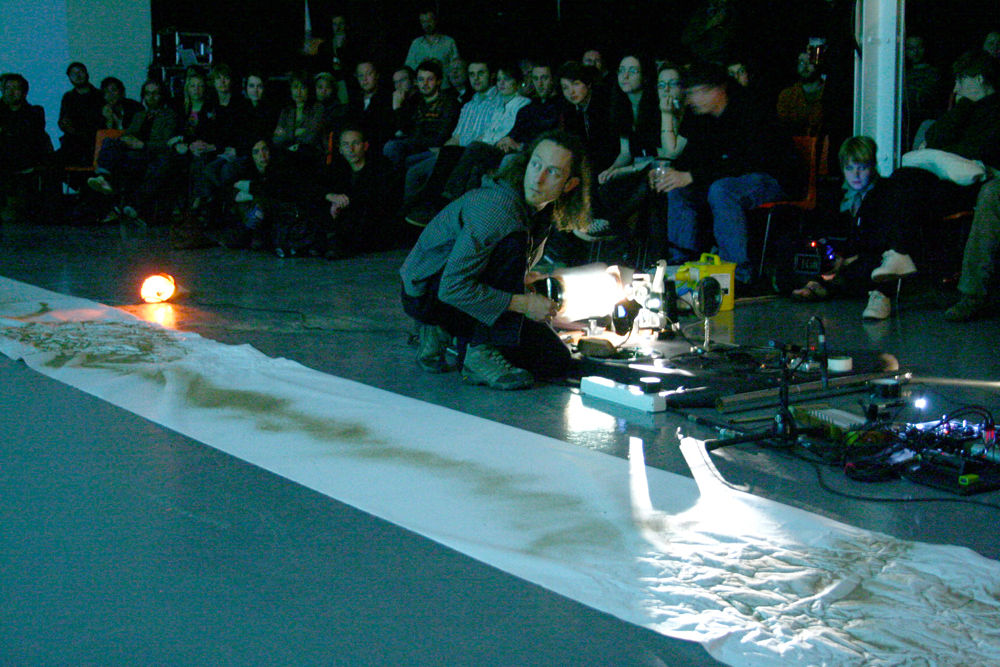
A system in which film is projected onto copper strips, captured again and then re-projected as video, somehow transforming the original imagery into molasses-slow, molten and incredibly tactile flickers of colour and light.

As part of Karrabing’s visit to Scotland, the collective will be hosted for three days in the Isle of Skye by The School of Plural Futures.
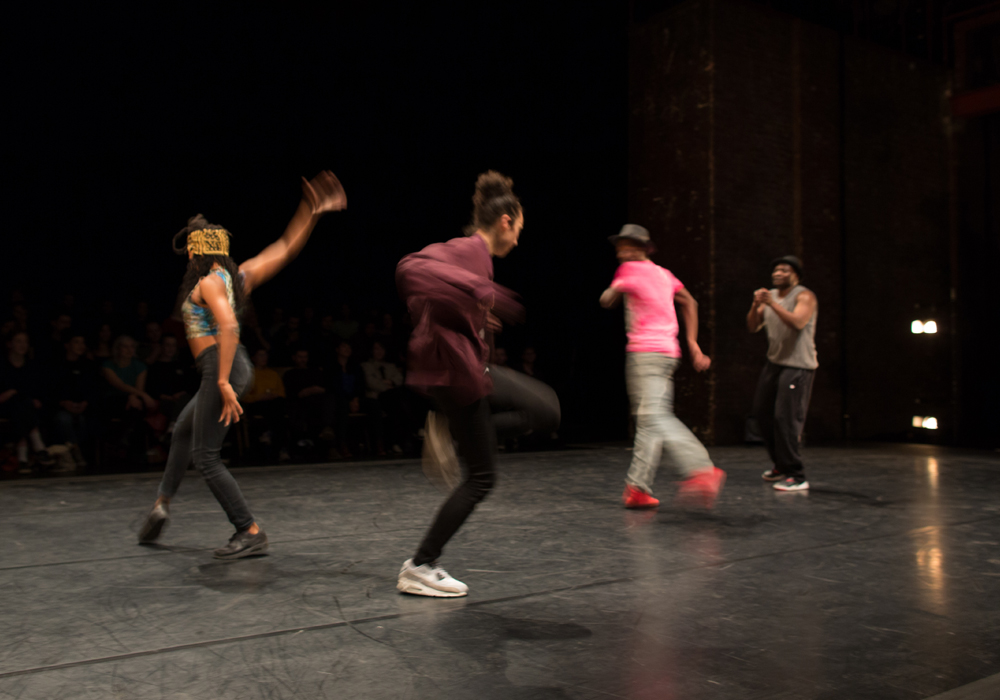
In which Storyboard P and members of Project X pick a song, freestyle to it, chat with us about what dancing means to them, then pick another song, freestyle, chat, repeat…
The Scottish based Paragon Ensemble has commissioned David Fennessy to compose music for Instal, which will be performed during the evening.
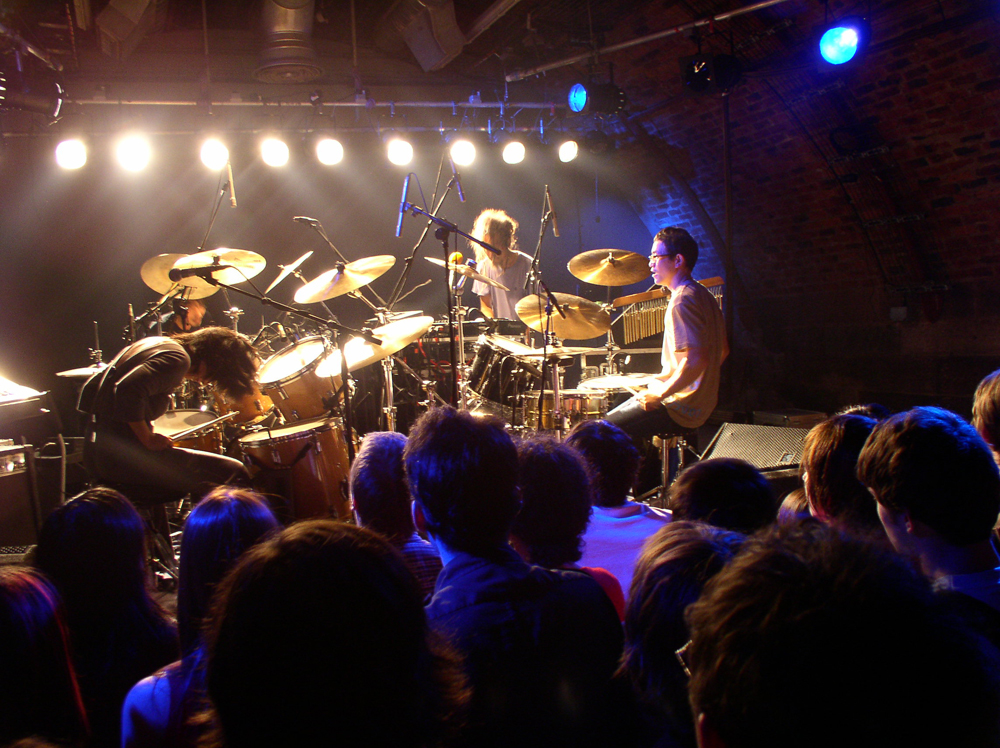
Rare UK performance by legendary Japanese post punk group during their 4 drummers + synth / vocals phase.
Polly Shang Kuan Band coven leader and Sick Head’s psychedelic shaman Nackt Insecten make hex ritual to birth a new astral being….. Smack Insecten.
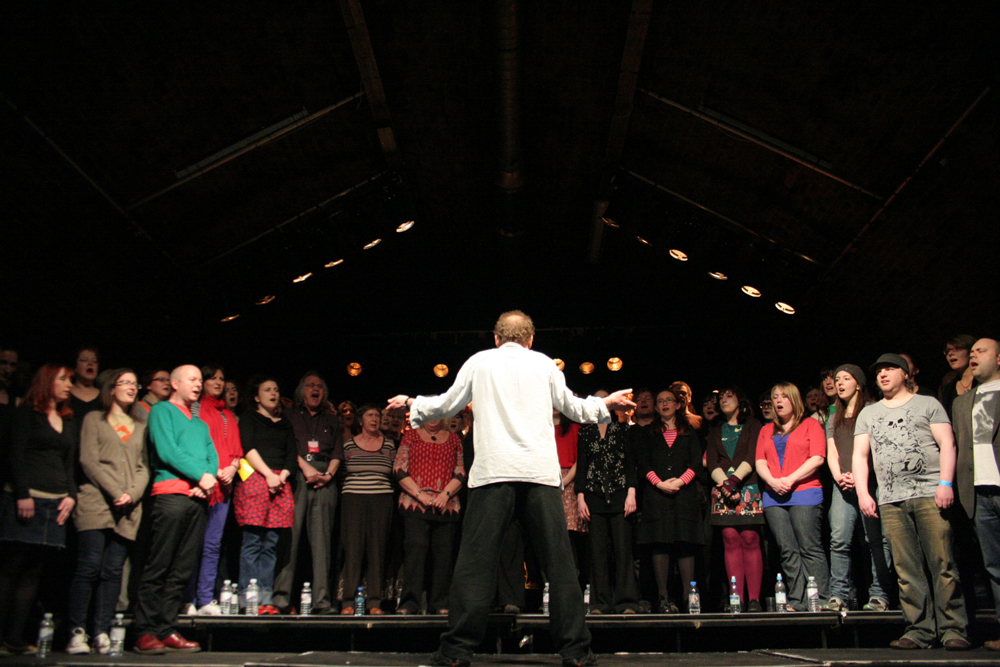
A 100 strong Feral Choir of people who’ve never improvised with their voices before, conducted by composer Phil Minton.

The mutability of the body and the mobility of identity: queered pop culture, drag, lip-sync and performance.

African American history, avant-garde jazz riffs and activism intertwine in experimental verse of extraordinary and affecting beauty that has to be heard.
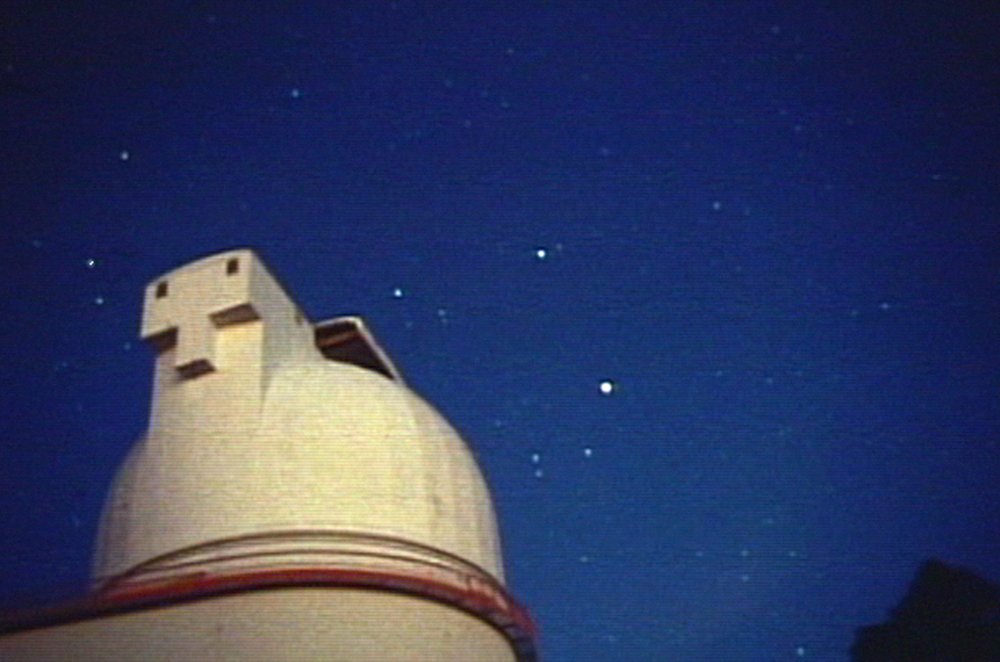
Experience a sense of being in the world, in a specific space and time. Including Jeanne Liotta’s recordings of the ionosphere and Walter Ruttmann’s radical 35mm precursor to musique concrète.
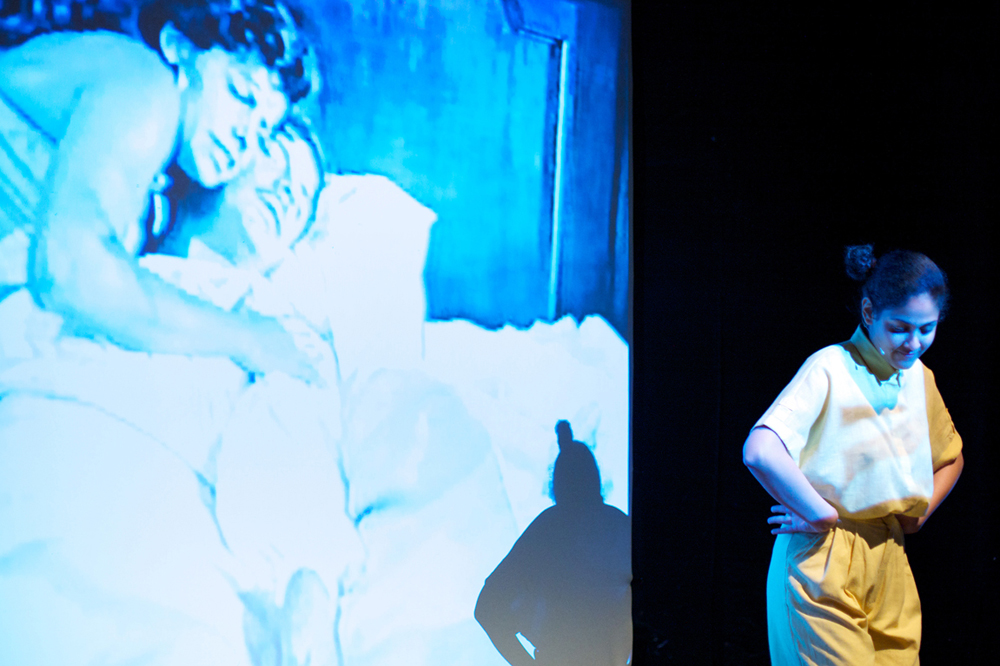
A performed film lecture exploring how the ‘Rumberas’ of Caribbean cinema of the 40’s and 50’s subverted demeaning images of themselves through dance, sound and a sociality that insisted on blackness as being a cultural performance, not simply due to skin colour.