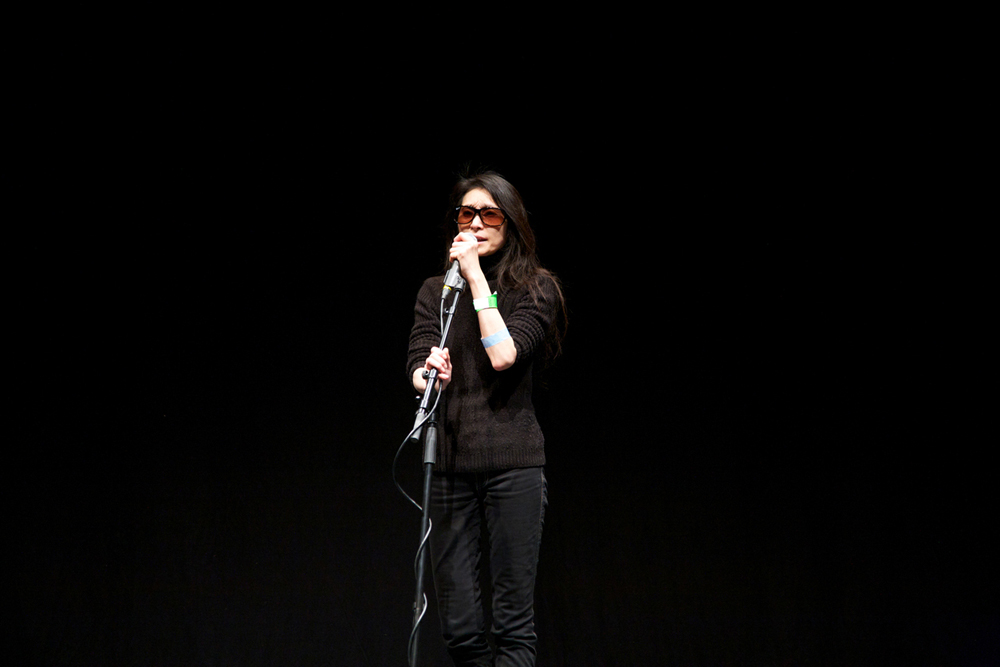
Junko
Junko
Harrowing but musical confrontations with the very real, physical and aural trauma of a woman screaming.
Arika have been creating events since 2001. The Archive is space to share the documentation of our work, over 600 events from the past 20 years. Browse the archive by event, artists and collections, explore using theme pairs, or use the index for a comprehensive overview.
Harrowing but musical confrontations with the very real, physical and aural trauma of a woman screaming.
Hartmut is going to talk a little about his work at large and the politics of how his films are constructed. And we’ll screen one of his best films: B-52.
Join activists, academics and artists as they reflect on abolitionist praxis and thought, exploring covergences with gender, poetry, technology, performance, speculation, aesthetics, film and culture. This series of events commemorates Black August and is for anyone who wishes to answer the abolitionist call to action and thought.
A conversation about the movement for prison abolition and refusing the logic of race and sex that underpins the criminalisation and mass incarceration of communities.
Discussion: If we approach “care as an event” rather than as a “contract of exchange” then what becomes possible in how we know, care for, and appreciate each other?
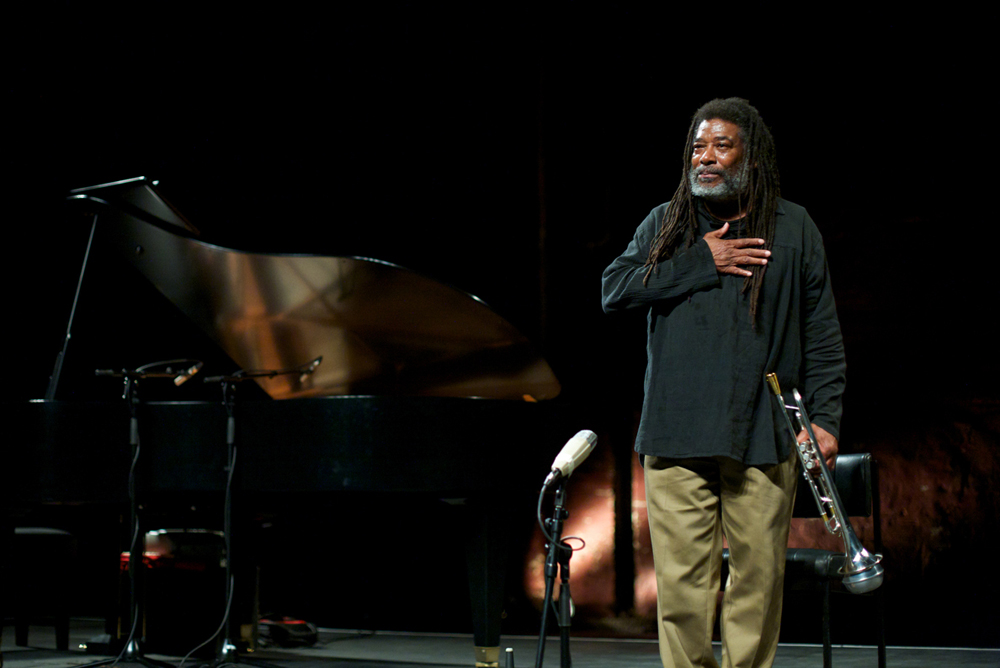
A performance bearing witness to a struggle built upon patience and collective action from the great multi-instrumentalist and member of the AACM.
Criminal Queers visualises a radical trans/queer struggle against the prison industrial complex, working to abolish the multiple ways our hearts, genders, and desires are confined.
Reading their letters to each other, and chatting about prefigurative politics as the practice of relentlessly building worlds through unspeakable violence and loss; of building worlds and living in them anyway.
A day of presentations and discussions on the theme of audio visual perception in the context of experimental music, film and art.
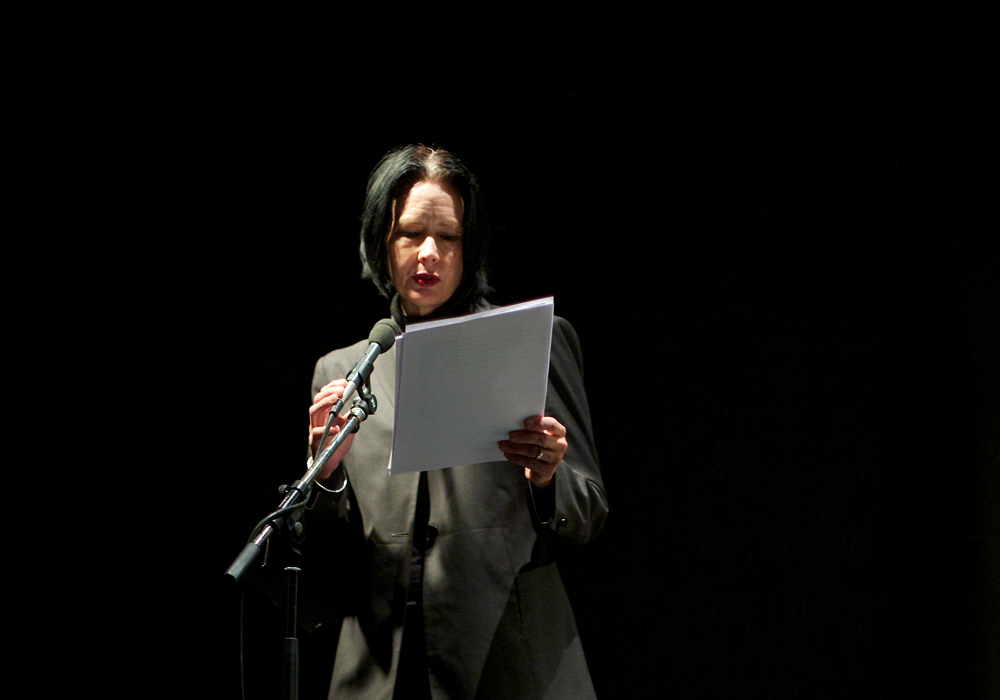
Vanessa Place talks at The Friday Event series at the Glasgow School of Art about her practice as a writer.
How does this practice, that simultaneously resists and honours the distinctions between these genres, materials and senses, determine the inhabitation of another: a convergence of aesthetic and social experimentation?