Tetsuya Umeda
Tetsuya Umeda
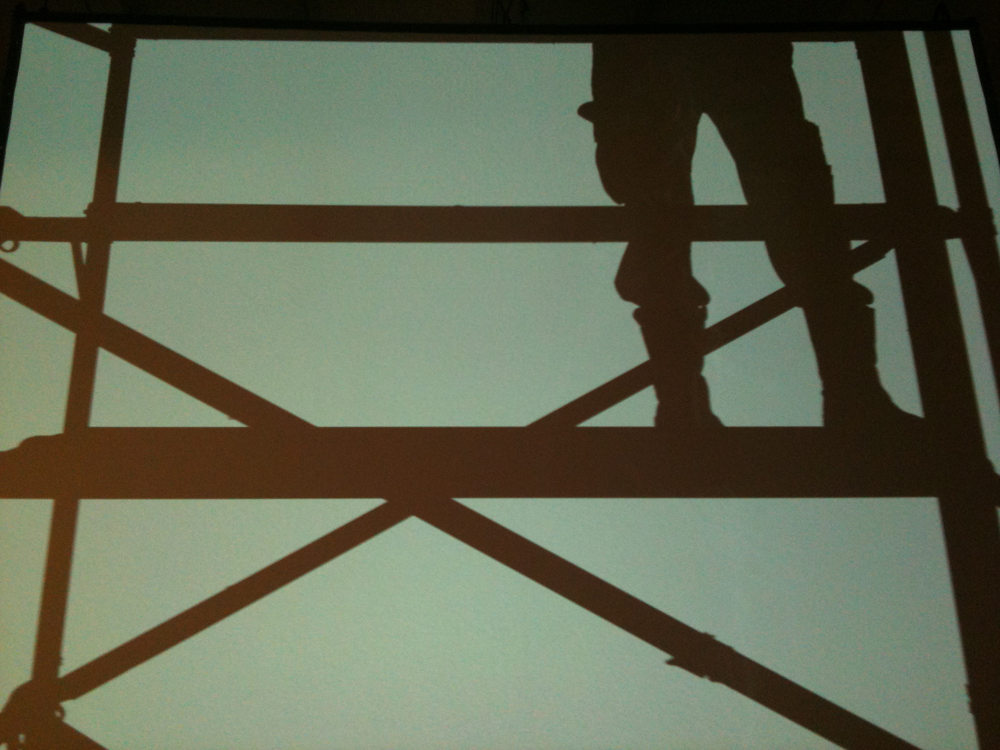
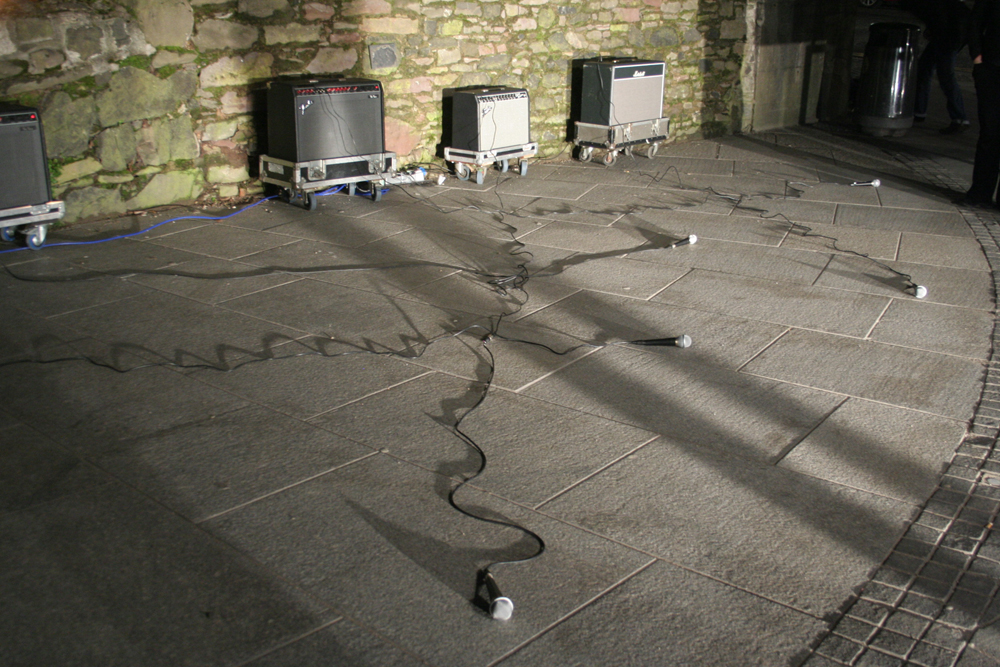
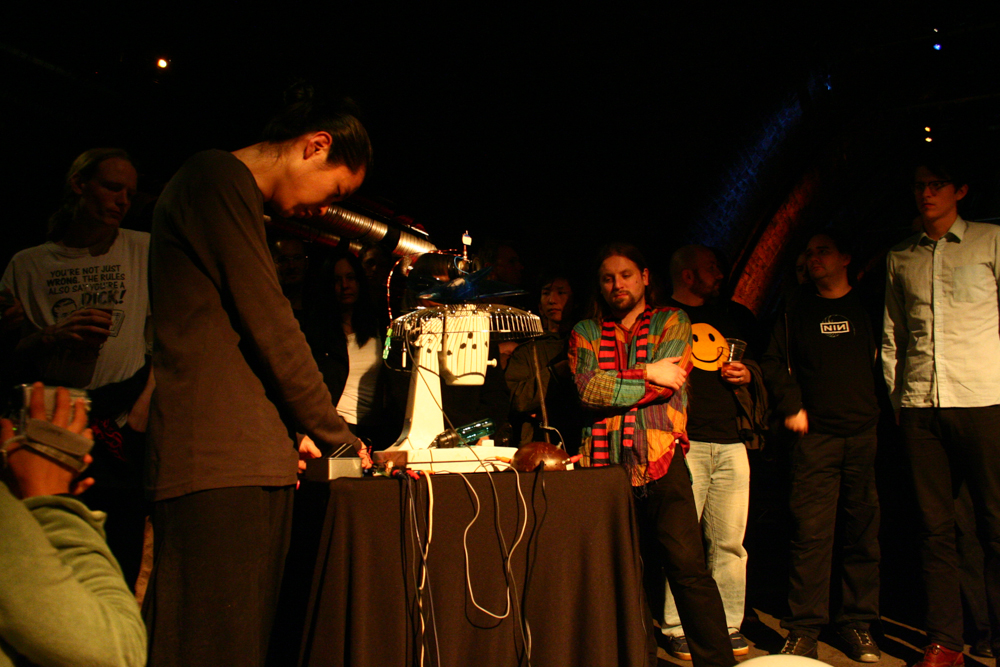
Umeda is a Japanese artist who is as fascinated in setting up interesting situations to observe, as he is in creating performances.
Arika have been creating events since 2001. The Archive is space to share the documentation of our work, over 600 events from the past 20 years. Browse the archive by event, artists and collections, explore using theme pairs, or use the index for a comprehensive overview.
Umeda is a Japanese artist who is as fascinated in setting up interesting situations to observe, as he is in creating performances.
During Episode 9 we made this clip with Storyboard P at Kinning Park Complex. Video by Ash Reid.
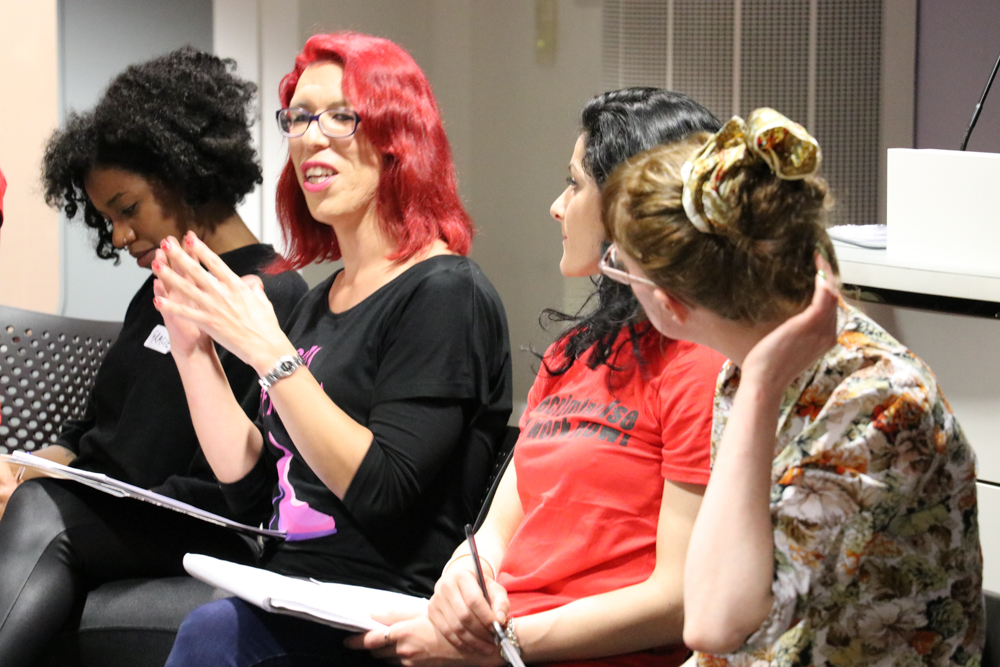
Three panels offering opportunities to discuss how to build stronger alliances between the sex workers’ rights, migrants rights and reproductive justice movements and how to face, together, an increasingly punitive and reactionary system.
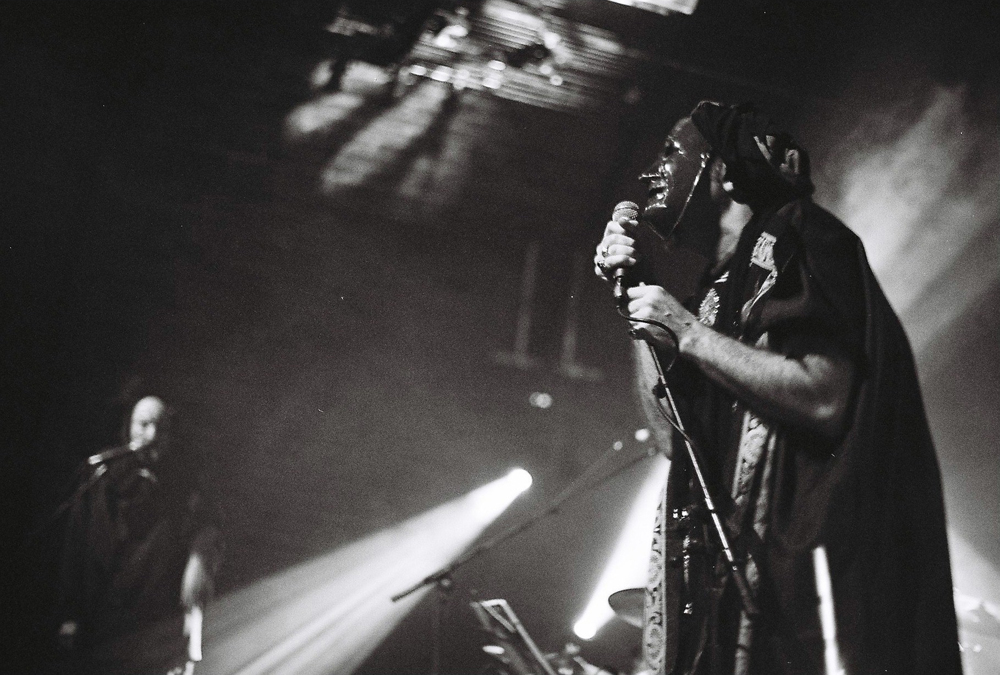
Perhaps the paradigm of America’s covert musical subculture, Sun City Girls operate just over the border of raucous delirium.
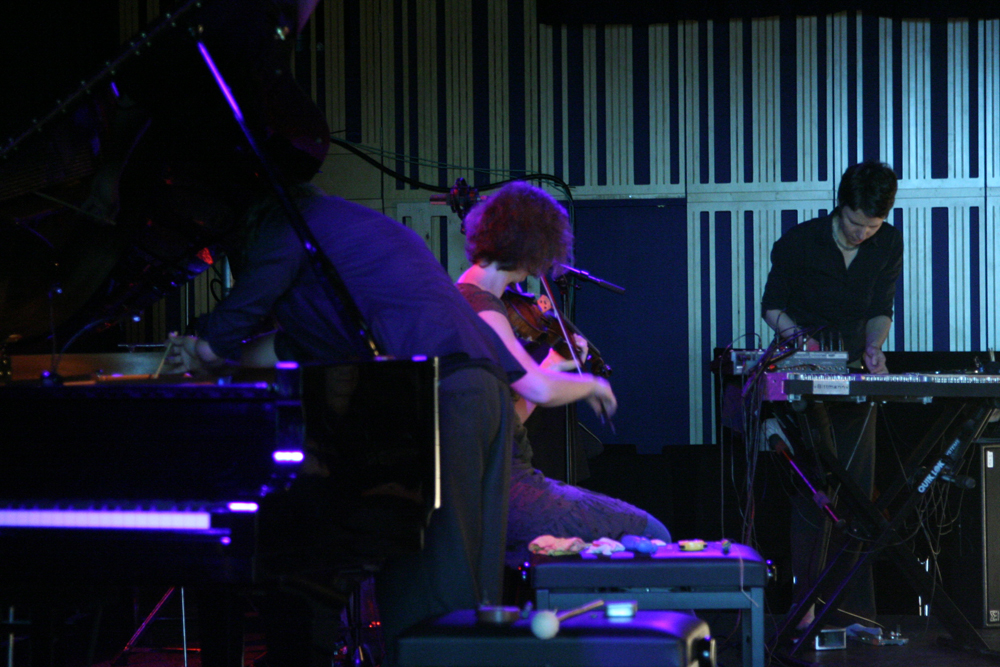
Improvising violinist Angharad Davies performing with pianists Tisha Mukarji and Andrea Neumann.
Whether drawing their own fractured, abstract narrative, or re-contextualising, chewing up and spitting out someone else’s, each of the films here take a dramatic arc as their starting point and throw it to the wind.
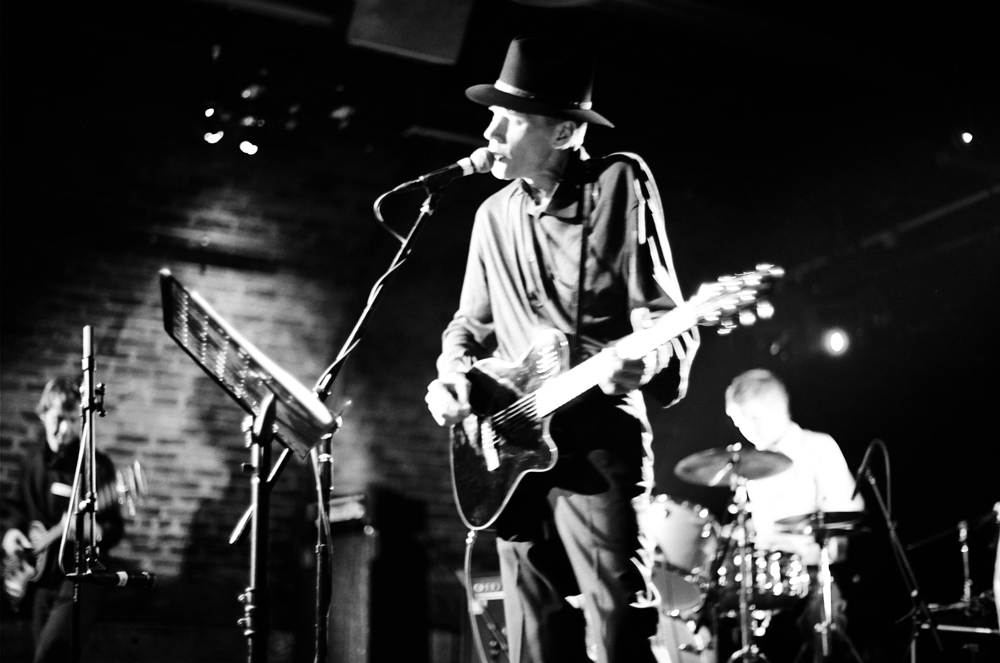
Jandek’s first ever live performance. Unannounced, the performance was a total surprise for everybody at the festival.
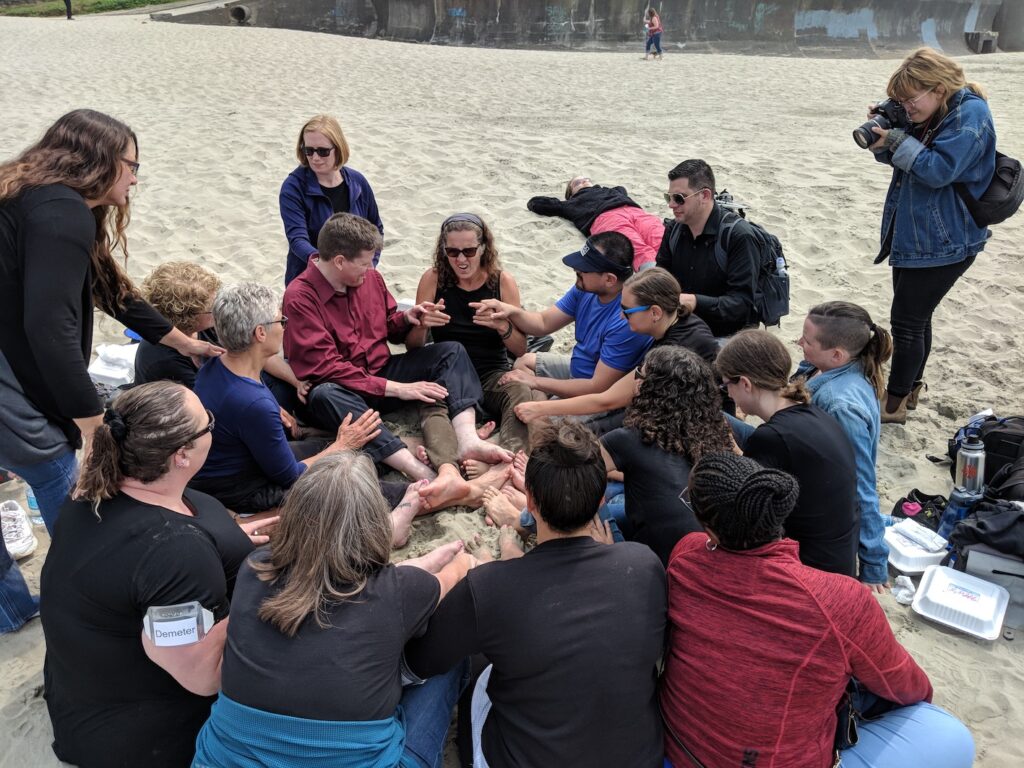
“Introduction to Protactile Theory” is a legendary seminar that facilitator John Lee Clark has designed to bring diverse communities into conversation with the Protactile movement.
Smith/Stewart set up allegorical situations over which they often have little to no control, but which instigate explorations of dependence and trust, the body, sex and death.
Repetitive, mesmerizing rhythmic workouts, to pieces of stark and rigorous introspection, where notes picked and slid in isolation, scatter like mercury around the listener.
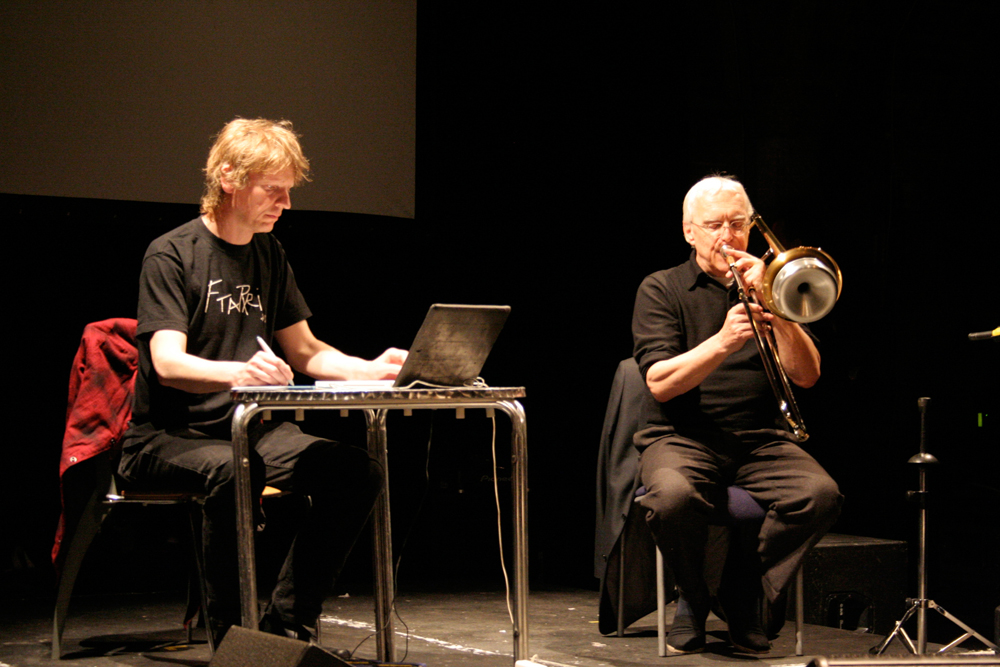
Radu plays a trombone, Klaus creates pure sine waves: they sound on their own, or sometimes together and often with considerable space and silence.
Can we use sound, repetition and difference to personally and collectively engage with space, time and labour?