INSTAL 10
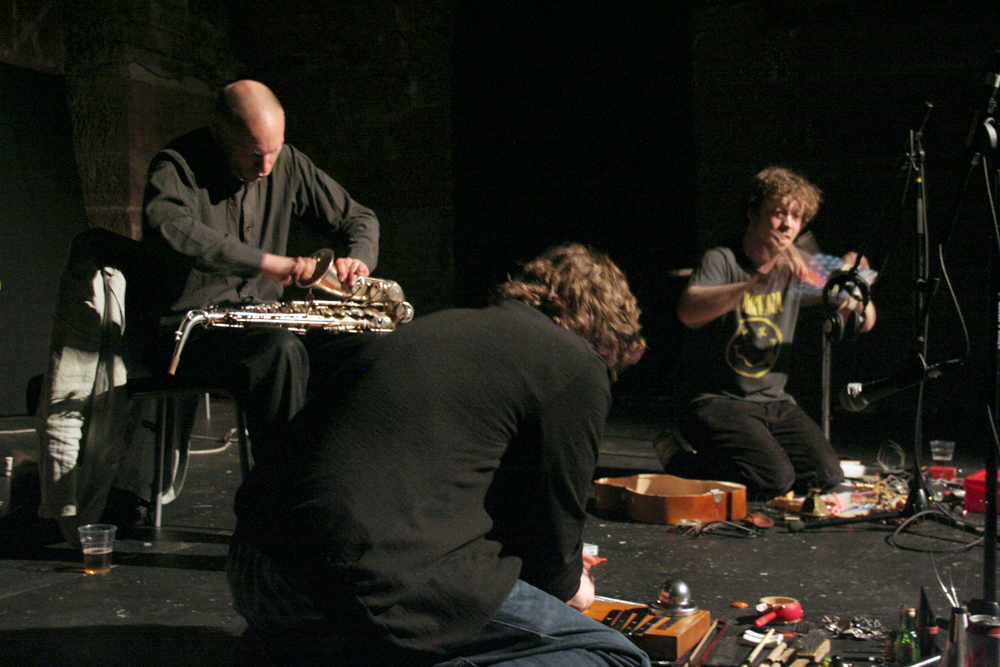
The final iteration of Arika’s INSTAL festivals, the 2010 edition was an experimental festival of experimental music – 3 days of events at the Tramway that explored un-average ideas about sound and music.

Arika have been creating events since 2001. The Archive is space to share the documentation of our work, over 600 events from the past 20 years. Browse the archive by event, artists and collections, explore using theme pairs, or use the index for a comprehensive overview.
The final iteration of Arika’s INSTAL festivals, the 2010 edition was an experimental festival of experimental music – 3 days of events at the Tramway that explored un-average ideas about sound and music.
The second in a series of workshops for workers and non-workers who care. What does the sharing of vulnerability entail? Can such a sharing inform progressive social relations?
A short chat about what we (Arika) might be trying to do with our program for the Biennial.
A recording session for BBC Radio Scotland under the M74 ‘Ski Jump’ extension ramp, a secion of motorway that doesn’t go anywhere, one of several such structures that populate the motorway system in the centre of Glasgow.
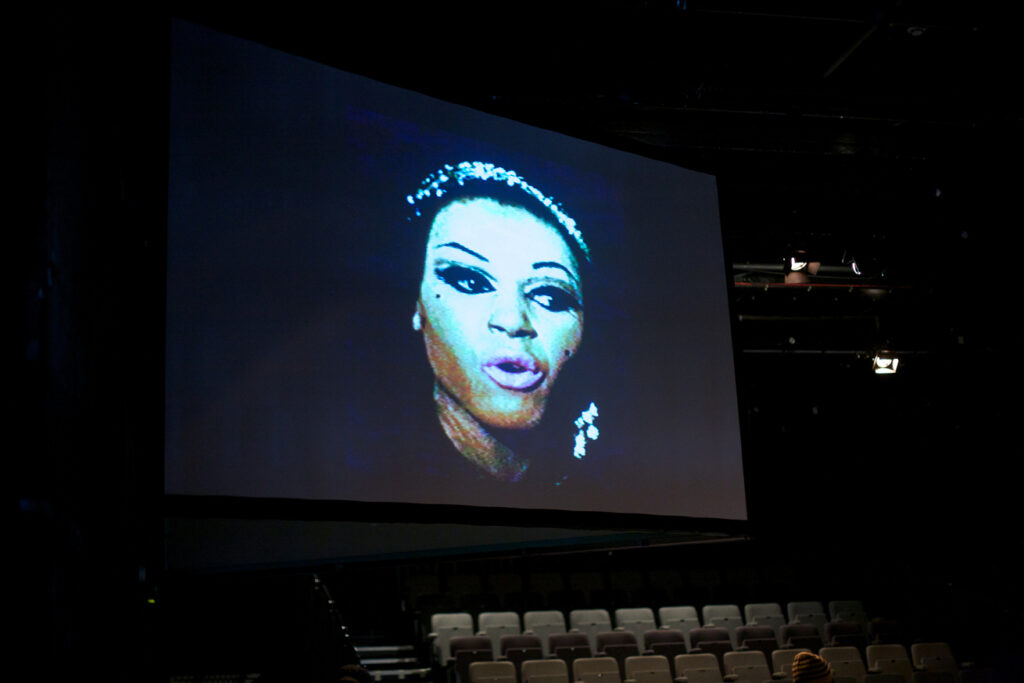
A historical narrative of the black and Latino/a transgender, bisexual, lesbian, and gay House and Ballroom Scene in relation to race, gender, sexuality and class oppressions.
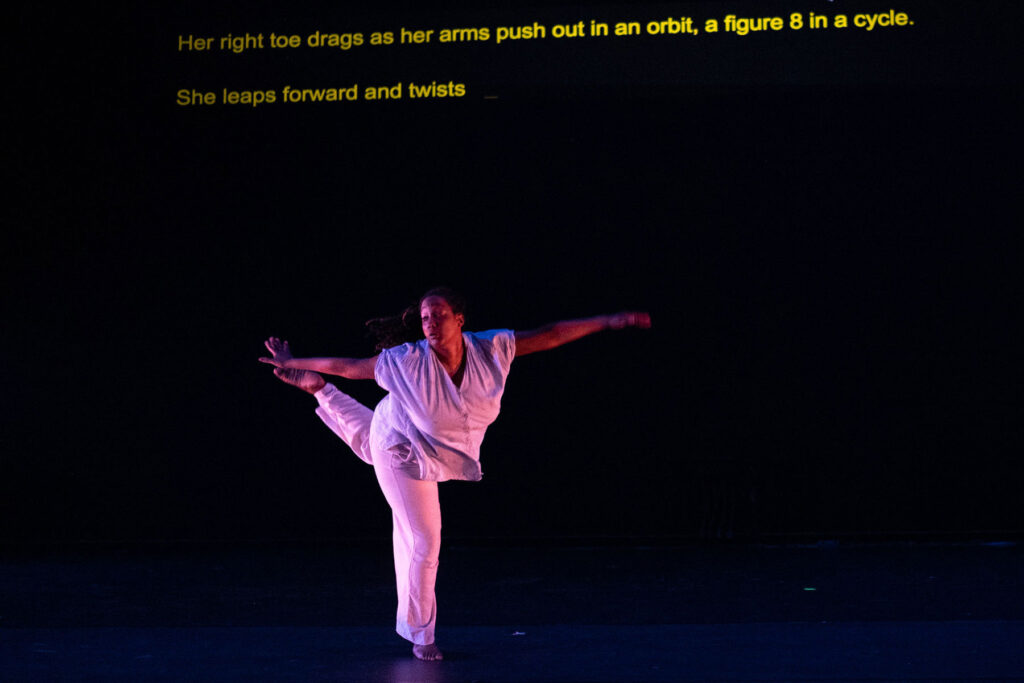
Beyond time, colorlines, ability, and sexuality, a movement exploration into what it means to see and be seen, how hearing contrast with what is actually being heard.
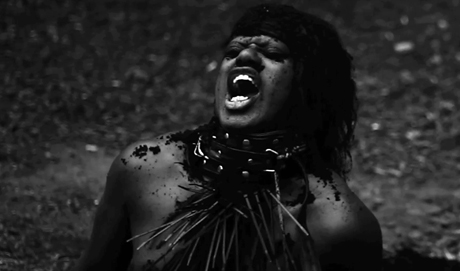
Torrential, wrenching wordless wails, guttural screams and roars, a Haino solo vocal performance.
Usurper luddite twins’ disabled instruments play a game of pick-up-sticks with the deconstructed horn of a young Derby opponent.
A queer black operatic requiem for piano and voice that asks us to stay in the hold of the slave ship, that tries to understand the connection from the slave ship to the prison.
Kylie Minoise Vs Nackt Insecten feedback/ vocal physical threat ‘vs’ ecstatic electronic cloudbursts
Join activists, academics and artists as they reflect on abolitionist praxis and thought, exploring covergences with gender, poetry, technology, performance, speculation, aesthetics, film and culture. This series of events commemorates Black August and is for anyone who wishes to answer the abolitionist call to action and thought.
Dworkin asks: What would a non-expressive poetry look like? A poetry of intellect rather than emotion?