Cosmic Pessimism
Eugene Thacker
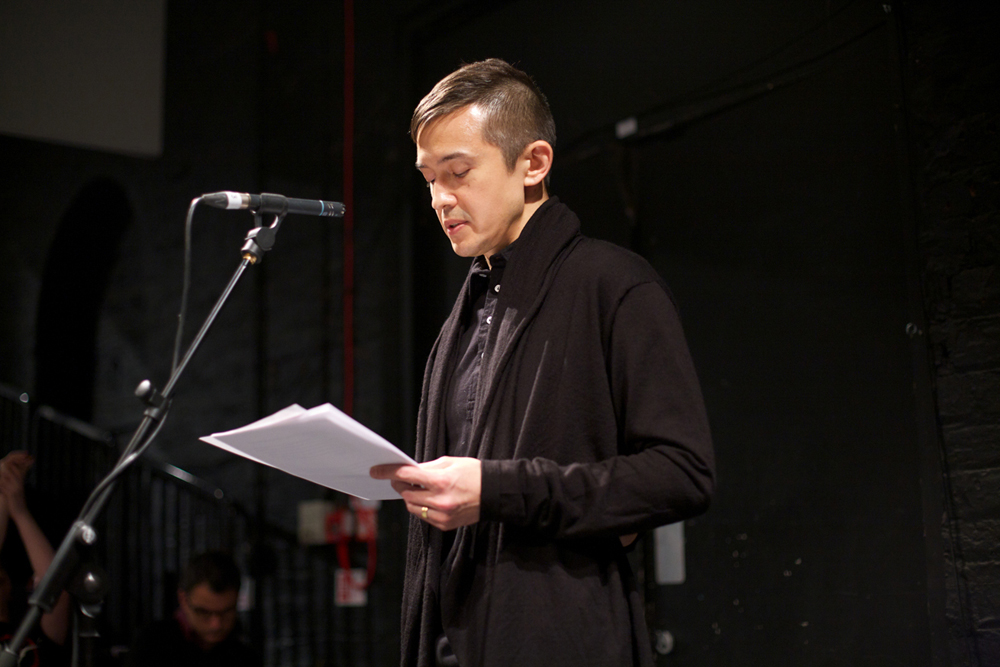
A chat with Eugene Thacker. Can we rethink the world as unthinkable, and without us?
Arika have been creating events since 2001. The Archive is space to share the documentation of our work, over 600 events from the past 20 years. Browse the archive by event, artists and collections, explore using theme pairs, or use the index for a comprehensive overview.
A chat with Eugene Thacker. Can we rethink the world as unthinkable, and without us?
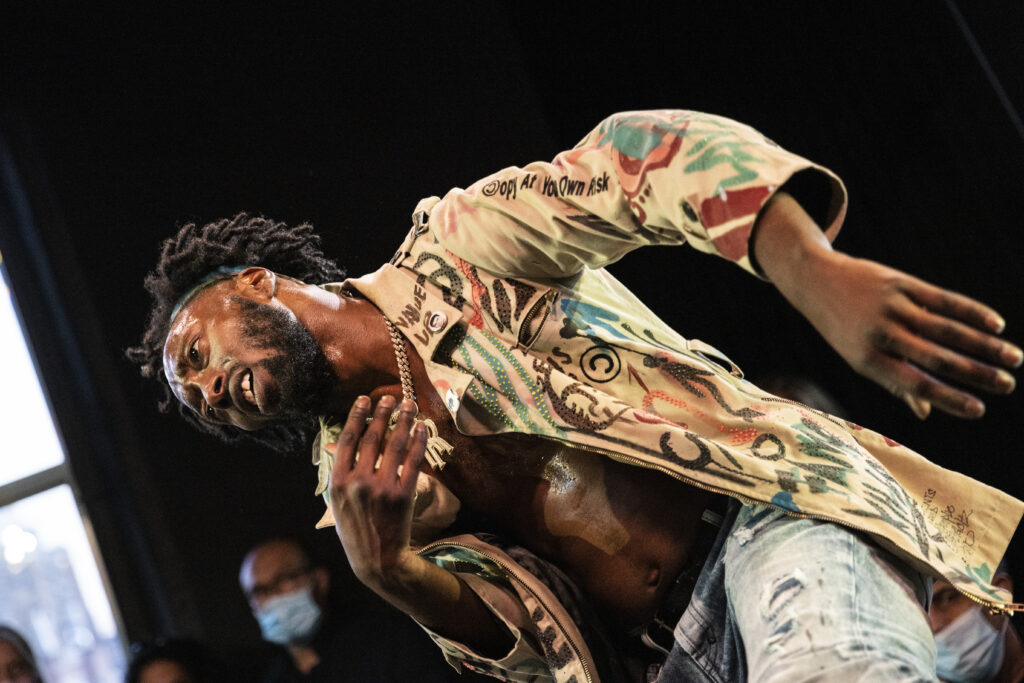
Live in person at Performance Space New York and live-streamed everywhere! Watching Storyboard P dance feels like glimpsing into another world.
Bringing together artists working with music, sound, film and the moving image, KYTN 2008 saw performances, improvisations, screenings and installations over three days at DCA.
A cast of pioneering and provocative spirits who exist outside the mainstream, between borders and definitions; a series of events that each explore different aspects of music that doesn’t quite fit any given category. INSTAL 08 included the Self-Cancellation project.
Some of the most breathtaking, delicate and smoke filled guitar playing this side of Loren Connors or the quieter sides of Keiji Haino.
Hartmut is going to talk a little about his work at large and the politics of how his films are constructed. And we’ll screen one of his best films: B-52.
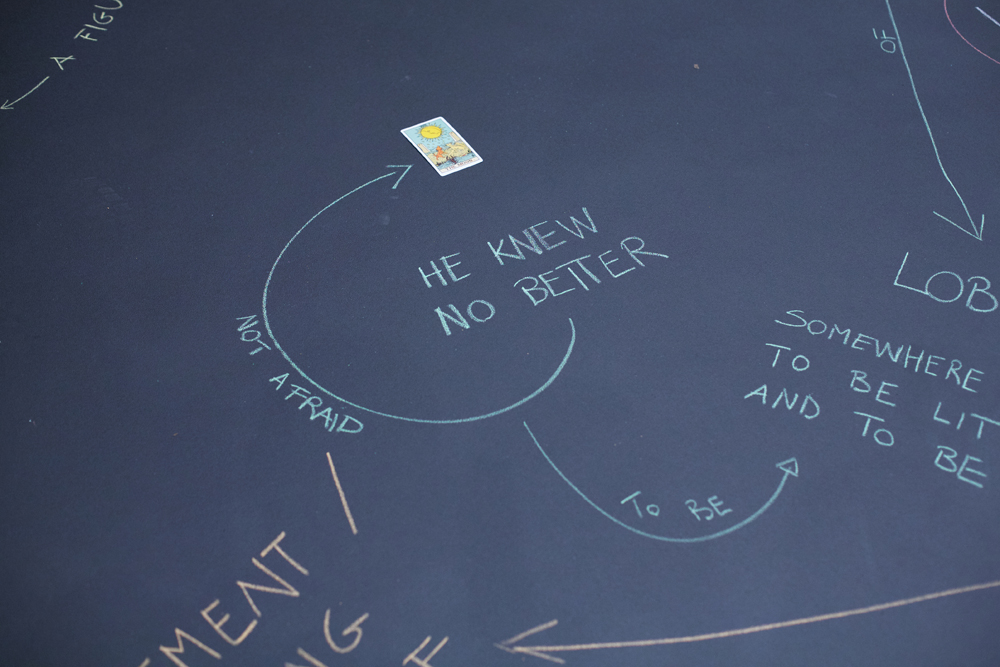
A performed, open, public conversation about how we might think politics from the position of intuition, in which Denise and Valentina use un-reasonable tools to map out a hybrid poetical/ ethical reading of their own situations.
Using violin and cello the duo map out a twilight sonic world that seems to tread the faultlines between improvisation and composition.
Can we find ideas of queer anarchism, failure and low theory in popular culture?
An open conversation around the history and practices of the Ueinzz Theatre Company – a radical Brazilian schizoscenic theatre company of carers, so-called psychotic patients and philosophers.
A film installation as both allegory and investigation of The Rockridge Institute and their research into ‘framing’ and the use of metaphor within political discourse.
Rather than asking the state for services, what kinds of change are made possible when we prioritise people supporting each other?