Ken Jacobs & Edwin Carels Talk
Edwin Carels Ken Jacobs
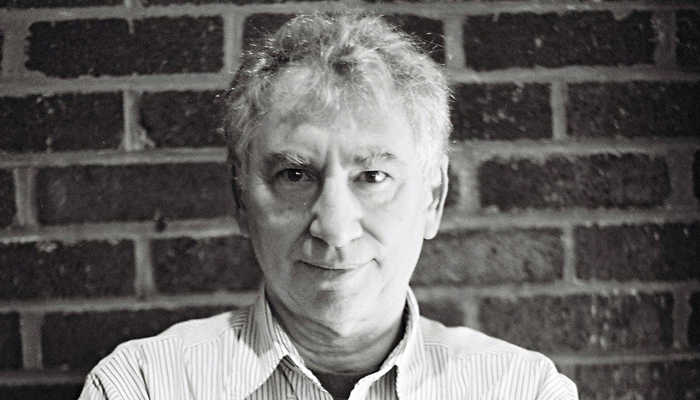
Ken Jacobs chats to Edwin Carels: Edwin is a curator based in Ghent, responsible for some fantastic programmes of experimental film and art at the Rotterdam Film festival (amongst others).
Arika have been creating events since 2001. The Archive is space to share the documentation of our work, over 600 events from the past 20 years. Browse the archive by event, artists and collections, explore using theme pairs, or use the index for a comprehensive overview.
Ken Jacobs chats to Edwin Carels: Edwin is a curator based in Ghent, responsible for some fantastic programmes of experimental film and art at the Rotterdam Film festival (amongst others).
A festival hewn from passions for experimental music, film and visual art and for a passion in figuring out how they can relate to, cross-fertilise and inspire and each other.
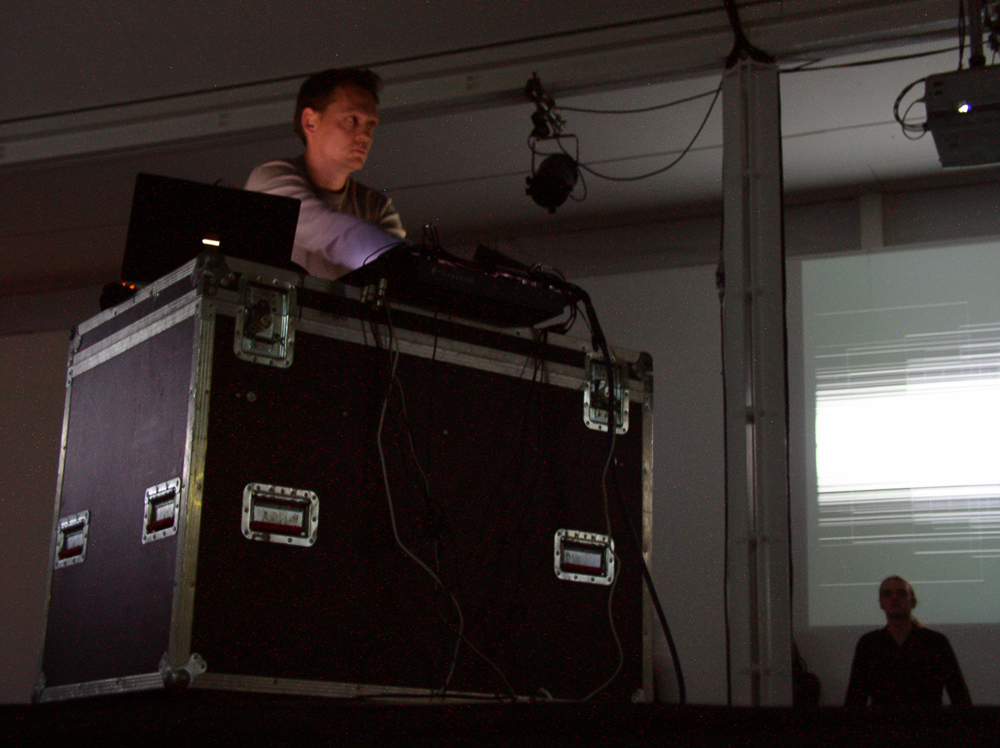
60 cycle hums, jagged static cracklings, and clipped electron pinpricks, mutating them into sublime, post-techno grooves
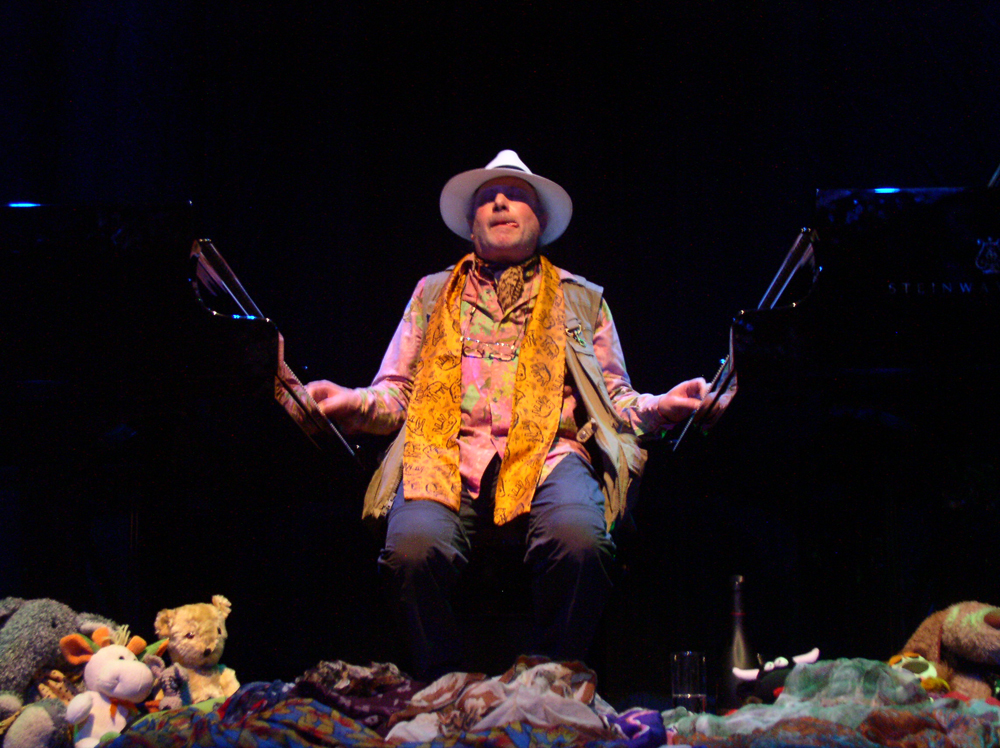
An extravagant debauch of huge pianos, plush toys, cognac and ritual.
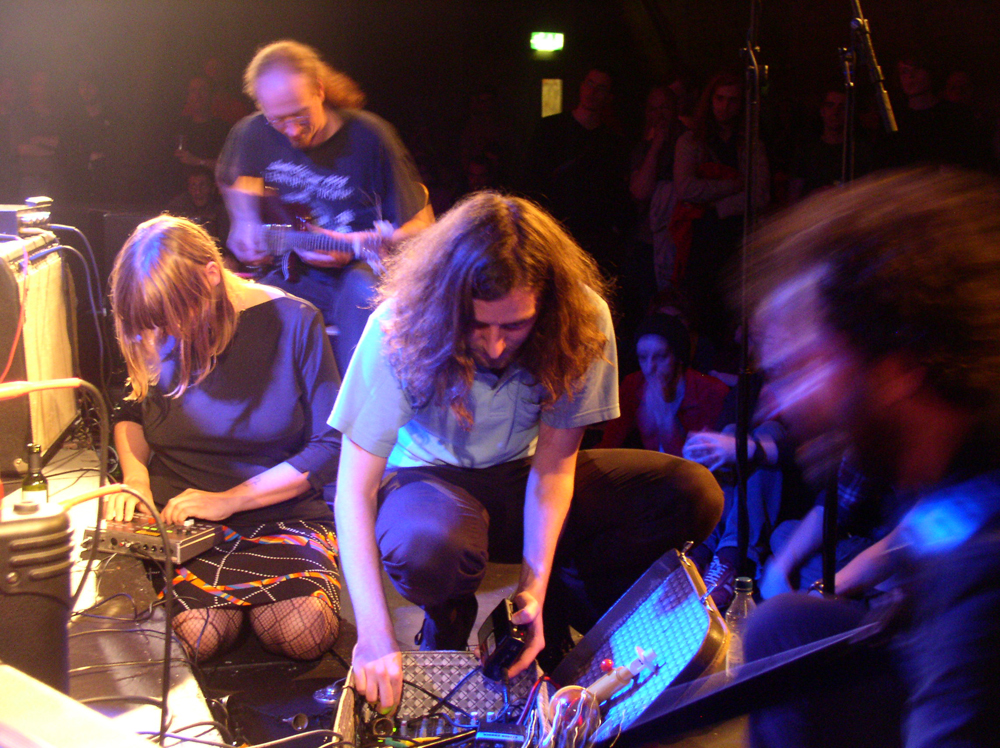
Dundee. Progressive rhythmical guitar squall vs. post-highland discorporate dusk-jockey.
A life force of ecstatic clarity capable of loquacious bursts of affirmation.
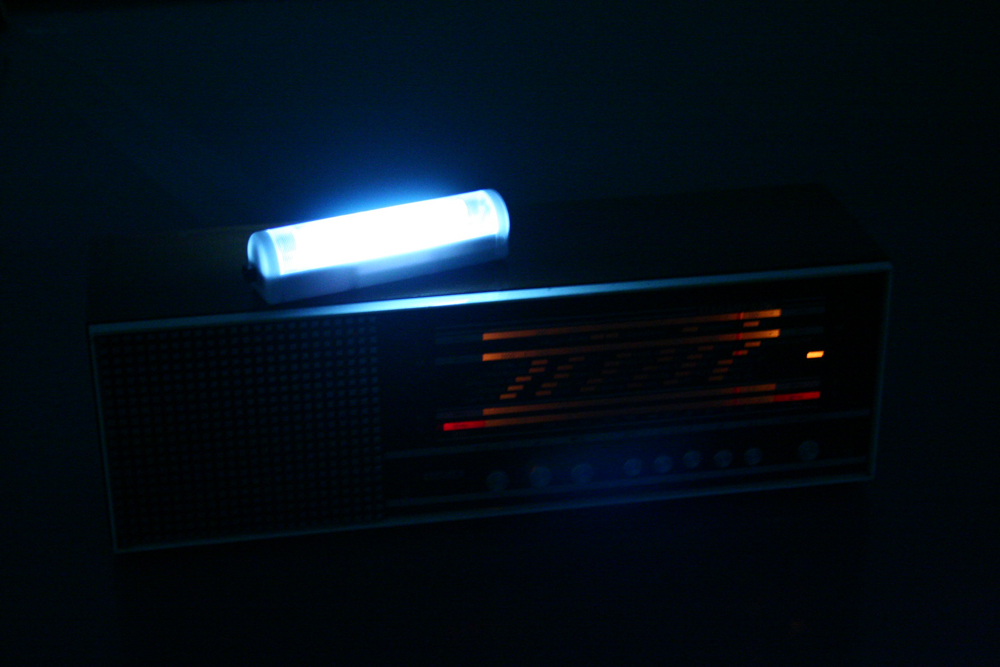
A drone installation populated by flourescent strip lights working in complicity with analogue radios – “all the lights just do their thing”.
How do poetry and maths stitch together pictures of our fractured situation from its wreckage and relics, from the debris of hope and the well of residues that make us what we are?
Greek TV company Onos Productions came to INSTAL 09 to document the festival and report on Nikos Veliotis’ Cello Powder performance.
In 2008 we toured our Kill Your Timid Notion festival of experimental sound and image to London, Bristol and Glasgow, bringing audiences a taste of the previous 5 festival editions.
A performance for projectionist, musicians and audience, which plays with references to Oscar Levant and Gershwin: apparently a series of small doses of chaos.
How do you know what you want? Should freedom be doing what you ought, not doing what you want? How might a philosopher and artist turn this thinking into an enabling condition in the context of noise and improvisation?