The Strangeness of Dub
Dhanveer Brar Edward George
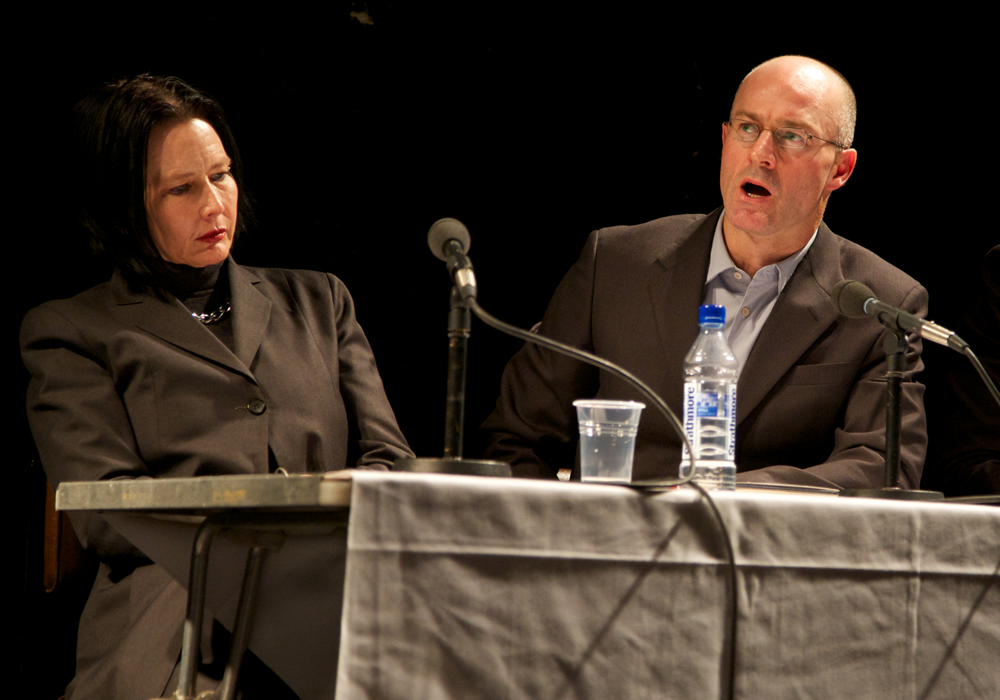
Dub is strange. A conversation with Edward George and Dhanveer Brar.
Arika have been creating events since 2001. The Archive is space to share the documentation of our work, over 600 events from the past 20 years. Browse the archive by event, artists and collections, explore using theme pairs, or use the index for a comprehensive overview.
Dub is strange. A conversation with Edward George and Dhanveer Brar.
An extravagant debauch of huge pianos, plush toys, cognac and ritual.
First live show outside the USA featuring one-off film pieces and live theatre from the ringleaders of the ‘weird new America’ psych folk explosion.
A double bill of A (imageless) film of nothing but a sound recording and its transcription and a found film of news interviews about Malcolm X’s assasination, where the filmmaker decided to add nothing to it, except our attention.
“The miracle of Herman Melville is this: that a hundred years ago in Moby Dick…he painted a picture of the world in which we live, which is to this day unsurpassed.” – C. L. R. James
Killer of Sheep is an undisputed masterpiece of African-American filmmaking and one of the most poetic, perceptive dramas ever made about family and community.
On the birthday of Marsha P. Johnson, this event brings together several elements that celebrate the radical care and kinship characteristic of the Trans revolutionary.
If life is assaulted by power, where do we find spaces for living? A conversation with Peter Pál Pelbart.
Guitar solo where inscrutable, minute electric sounds are excavated by palms that smother and strangle, that wring sound from the fretboard, from behind the bridge.
Intriguing, underground, Berlin based musicians interested in the borders between music and theatre, language, the visual arts, politics.
The program of composed music including Feldman’s Instruments III, Ligeti’s piece for 100 Metronomes Poeme Sympathetique, and Rebonds B by Iannis Xenakis.
A panel exploring how to dismantle the master’s house — its material edifices and ideological architecture — and the construction of abolitionist futures in the present.