Episode 2: A Special Form of Darkness
A festival asking how ideas of nihilism, darkness, subjectivity and abjection play out in experimental music, performance art, horror, neuroscience and philosophy?
Arika have been creating events since 2001. The Archive is space to share the documentation of our work, over 600 events from the past 20 years. Browse the archive by event, artists and collections, explore using theme pairs, or use the index for a comprehensive overview.
A festival asking how ideas of nihilism, darkness, subjectivity and abjection play out in experimental music, performance art, horror, neuroscience and philosophy?
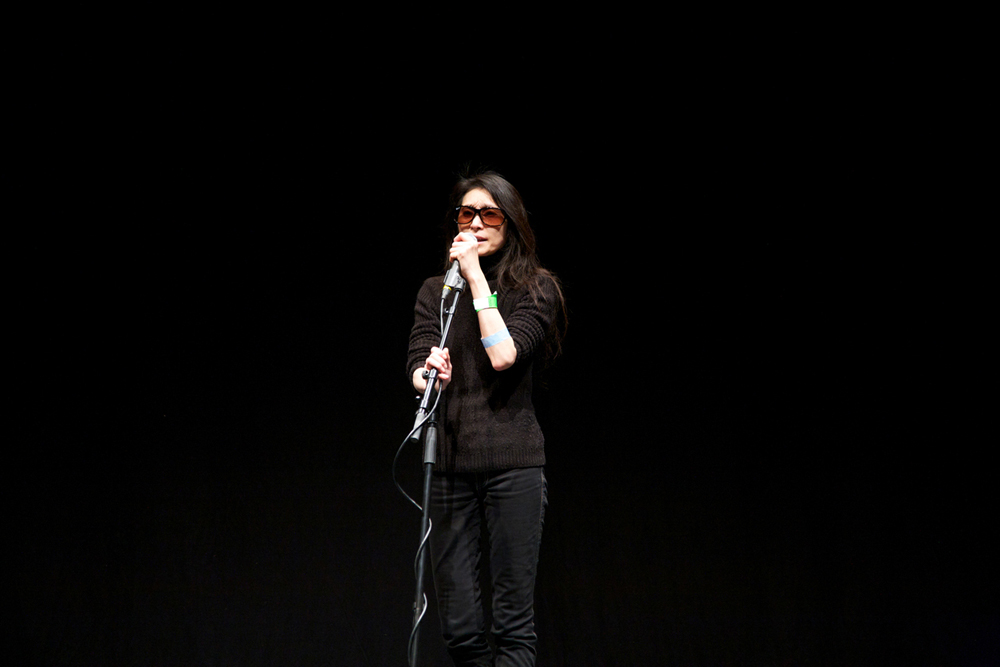
Harrowing but musical confrontations with the very real, physical and aural trauma of a woman screaming.
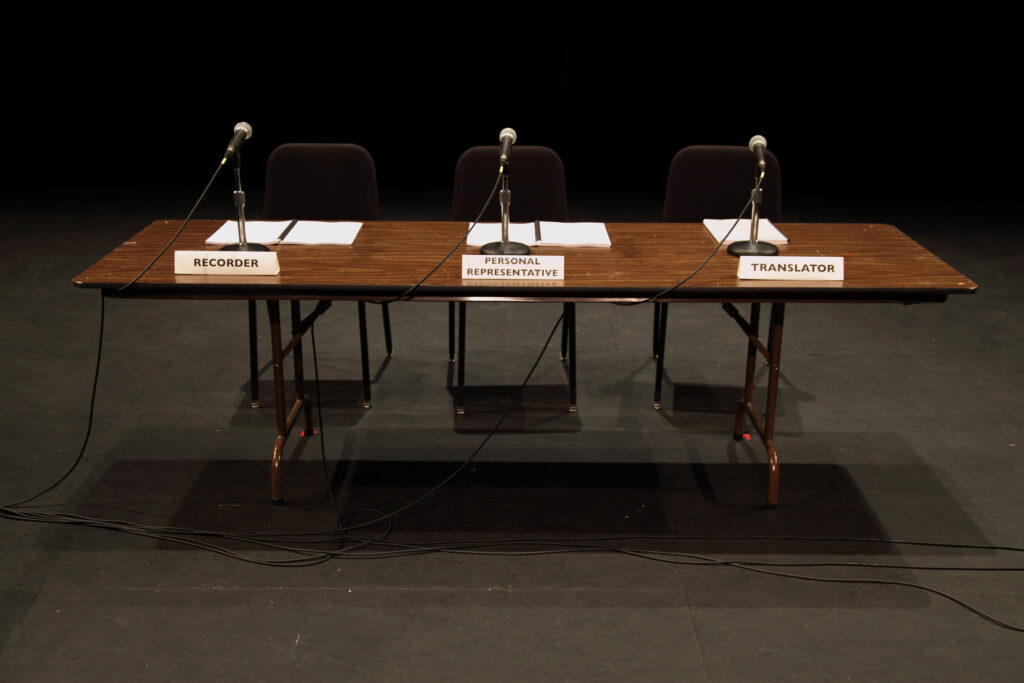
Somewhere between performance, stripped down theatre and an intense kind of public learning or maybe even a public hearing.
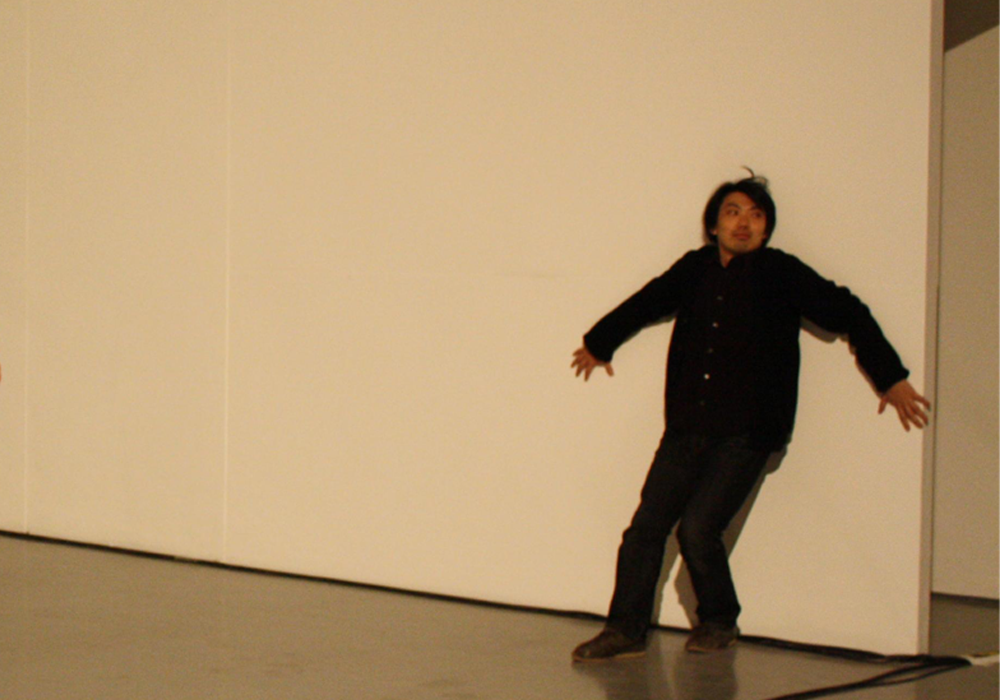
With Taku we’ll carry out some simple proposals for doing almost nothing, for re-thinking sound with whatever comes to hand.
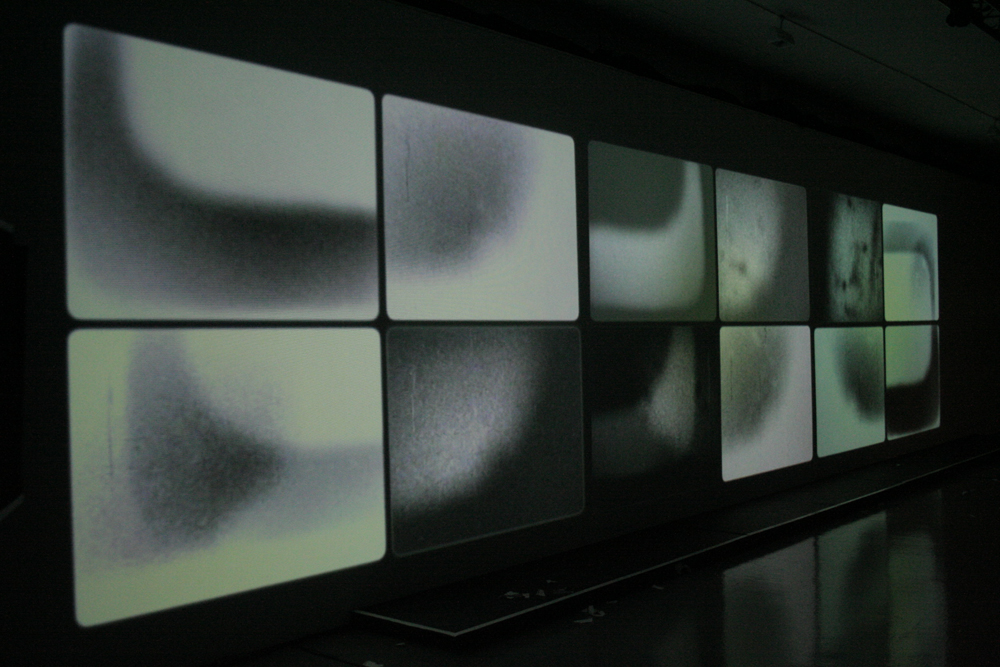
A poetic multi-screen performance about “the inadequacy of the arbitrary passing moment and the impossibility of permanence”. About time and change.
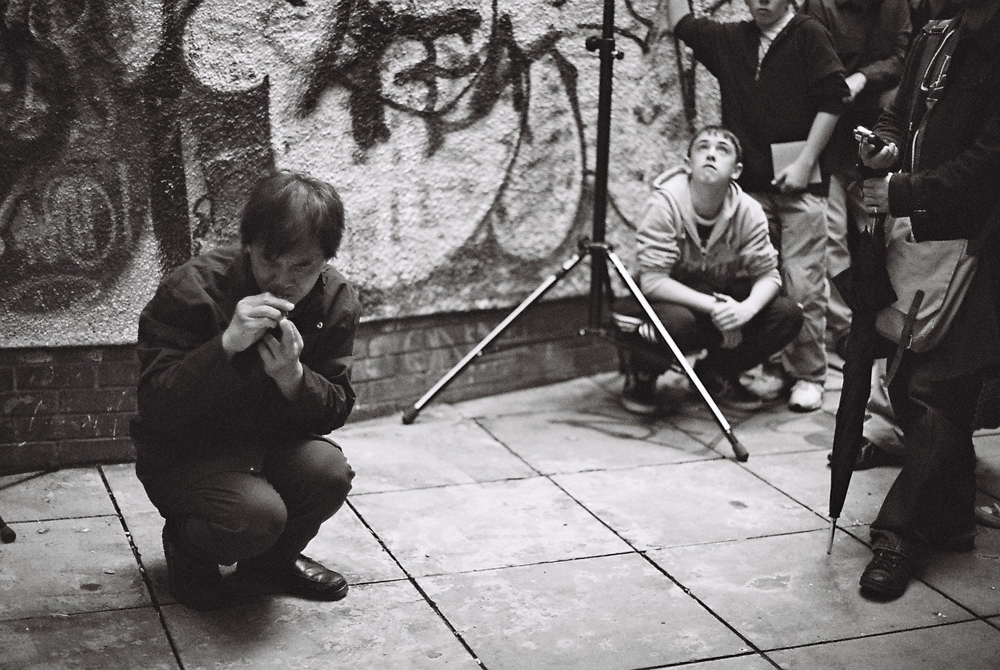
Location: between: the abandoned site of Parker House (ex-council office building) that became a student accommodation regeneration project, off the Dudhope roundabout; Bell Street Car Park entrance ramp and; the awkward (and otherwise used/ used otherwise) space left over between the back of Tesco’s and DW Sports on the Murraygate.
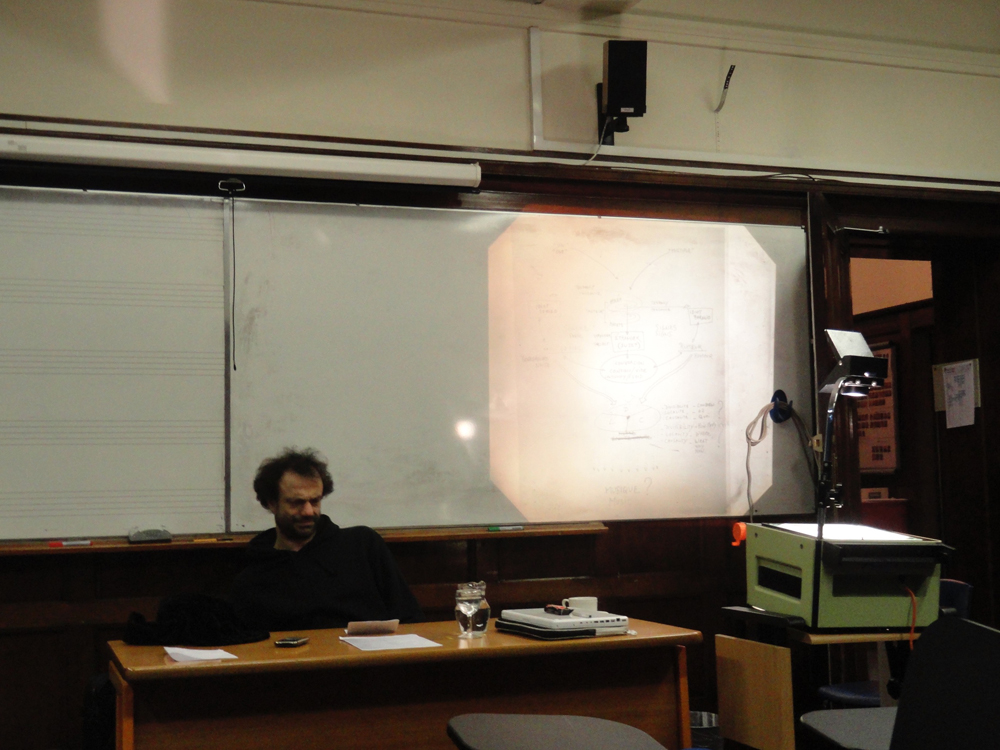
Jean-Luc Guionnet will be giving a talk as part of the music department’s ongoing series of colloquia.
Glasgow based contemporary music group Paragon Ensemble performing an improvisation with Pete Dowling, Nick Fells, Robert Irvine and others.
One of the most incessantly experimental musicians in the UK, Youngs’ aesthetic is entirely unique, never really part of any scene [whilst influencing many], steadfastly unafraid and honest
We asked Christoph to come and give a sort of informal talk, raising some of his ideas about sound and image, and playing/ showing a few examples.
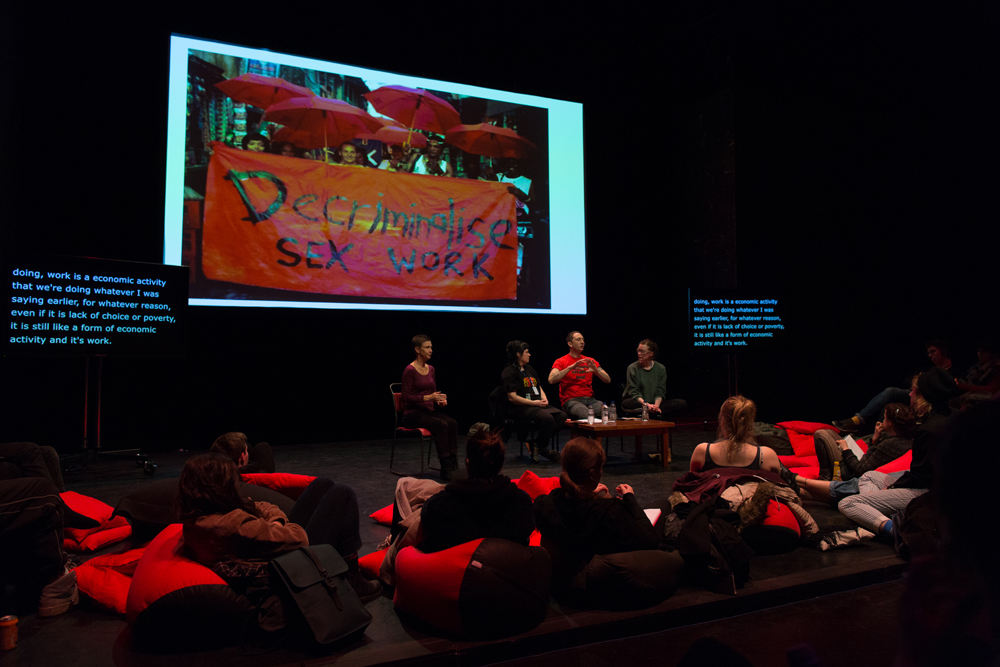
The struggle for sex workers’ rights and how we can understand it in the continuum of care work and other forms of invisibilised and precarious work.
When we look, how do we objectify the body; how can we reflect on our (self) image as a construction?