Michiyo Yagi
Michiyo Yagi
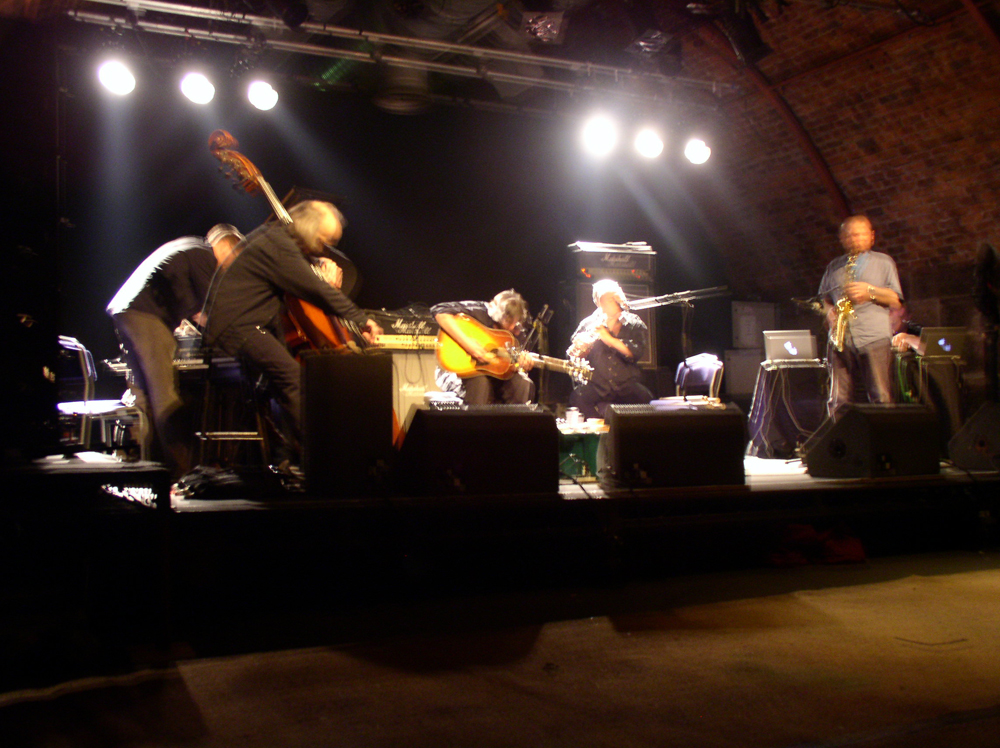
Sometimes delicate, sometimes harsh and jarring, Yagi’s koto solos are as much inspired by Nancarrow or Cage as they are traditional.
Arika have been creating events since 2001. The Archive is space to share the documentation of our work, over 600 events from the past 20 years. Browse the archive by event, artists and collections, explore using theme pairs, or use the index for a comprehensive overview.
Sometimes delicate, sometimes harsh and jarring, Yagi’s koto solos are as much inspired by Nancarrow or Cage as they are traditional.
Hijokaidan rapidly built a following due to the overwhelmingly physical intensity of their live performances, often involving destructive onstage rituals of vomit, urine, mangled guitars and ear shredding volume.
Shutter Interface is an expanded cinema piece: a series of machinegun bursts of chromatic relationships and visual harmonics in an overwhelming montage
A sort of prayer and conference, a sort of scream and dialogue – a monologue and declaration at the time, addressing how we can build complicity with one another.
Solo by Jean-Philippe Gross, a French electro-acoustic improviser, working with mixing board, cheap mics, small speakers and an analog synth, built around a honed interest in feedback.
Michael Colligan pressing white hot metal into dry ice, causing the metal to sing and scream.
Performances at Anthology Film Archives NY by Jandek, Loren Mazzacane Connors & Alan Licht, and MV & EE.
An open conversation hosted by Saidiya Hartman and Fred Moten around ‘fugitivity’ and ‘waywardness’ and what it means to be in flight, excessive or ungovernable.
The weeks previous TLRS daily radio shows, after-hours conversations, radio booths and special guests reassembled as a live electroacoustic performance.
The struggle for sex workers’ rights and how we can understand it in the continuum of care work and other forms of invisibilised and precarious work.
4 days of workshops, discussions and artists presentations exploring the radical act of caring for each other while working to change the world.
Rather than asking the state for services, what kinds of change are made possible when we prioritise people supporting each other?