Self Cancellation – Dry Ice With Metal
Michael Colligan
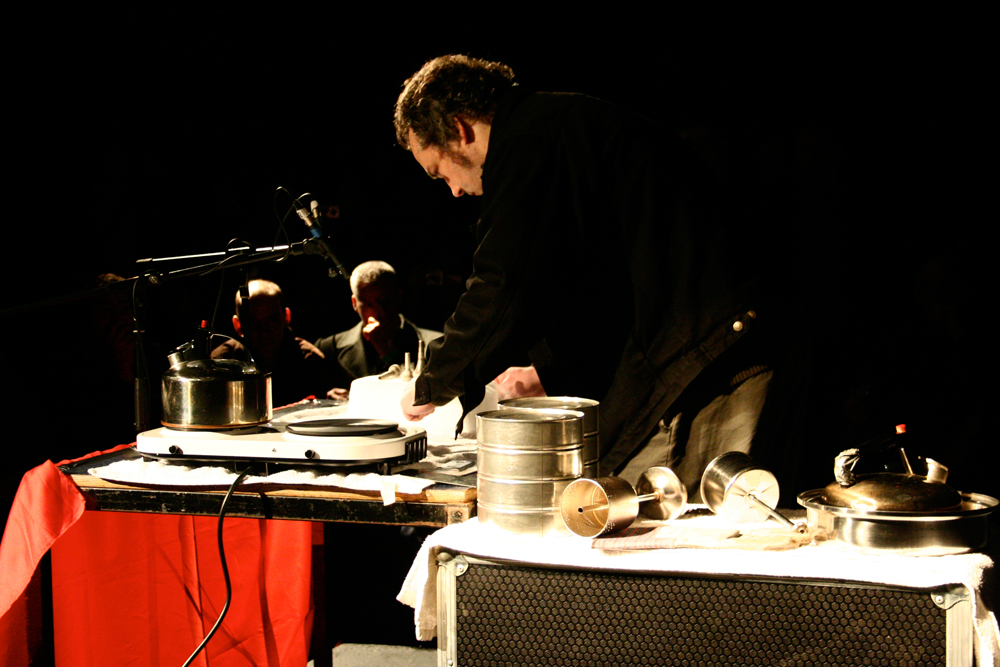
Michael Colligan pressing white hot metal into dry ice, causing the metal to sing and scream.
Arika have been creating events since 2001. The Archive is space to share the documentation of our work, over 600 events from the past 20 years. Browse the archive by event, artists and collections, explore using theme pairs, or use the index for a comprehensive overview.
Michael Colligan pressing white hot metal into dry ice, causing the metal to sing and scream.
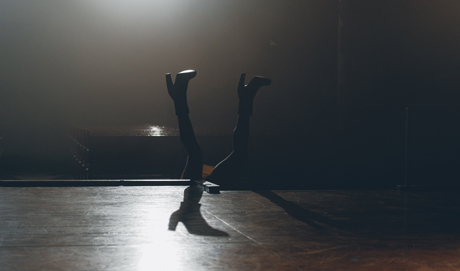
Sci-fi. After the club. Underground. Counter-narrative. Narrated movement. Cultural resistance. Wu Tsang and boychild’s collaborative performance series, will continue its evolution at Episode 9 with the addition of TOTAL FREEDOM.
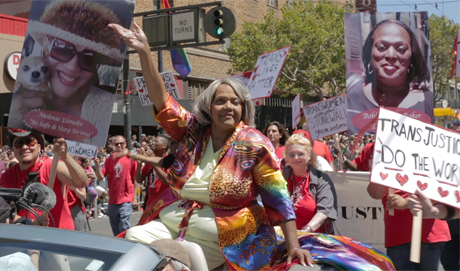
A conversation of intergenerational trans-resistance and anti-racist fierceness between two of the most inspiring public speakers we know.
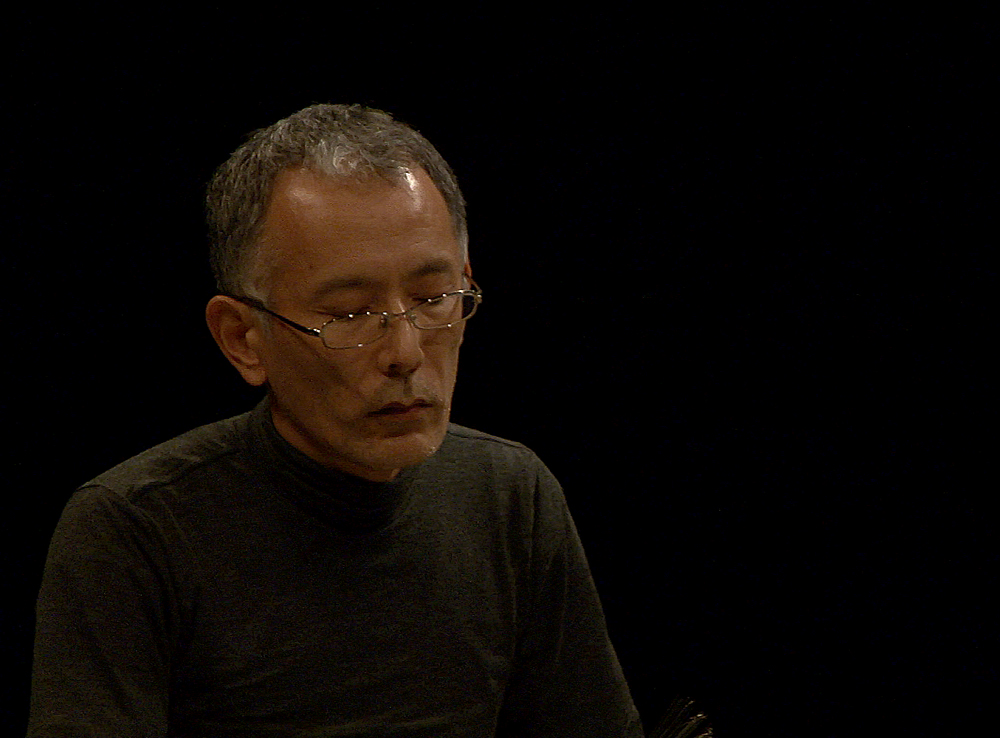
An improvisation that may or may not involve (typical) improvisation.
Complexly interacting colossal drones by the creator of some of the most legendary yet least heard music of the 70’s.
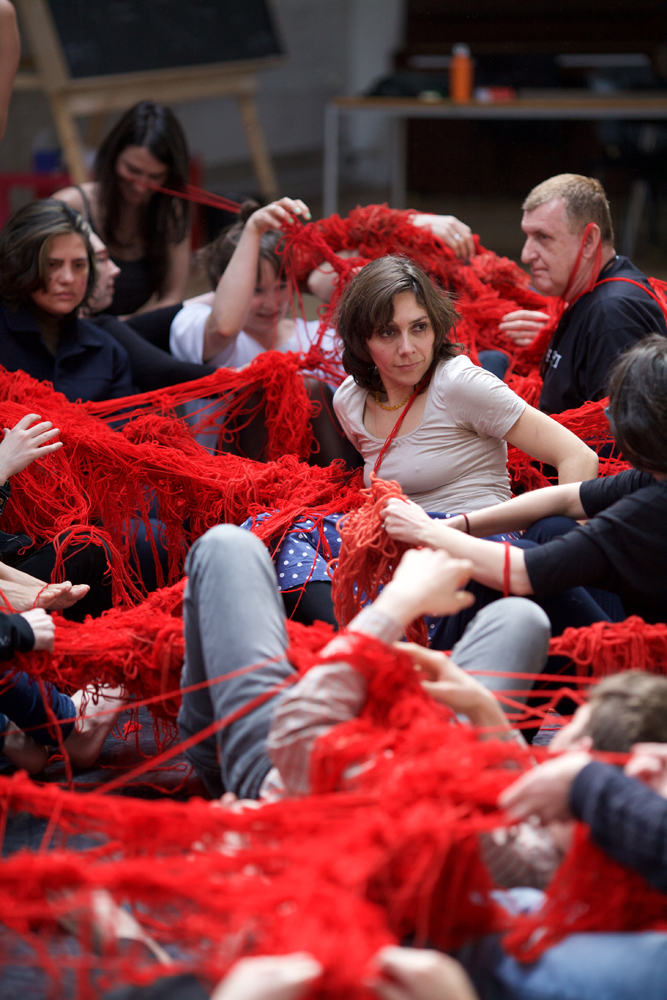
An open collaborative workshop space in which games, warm-up sessions, exercises and scenes are potentially the same thing, through which to project your own concerns onto the stage.
Ex-Decaer Pinga and CKDH rodeo queens; regular ladynoise hoedown gets gatecrashed by sonic chunder-huffing remedial clatter boys.
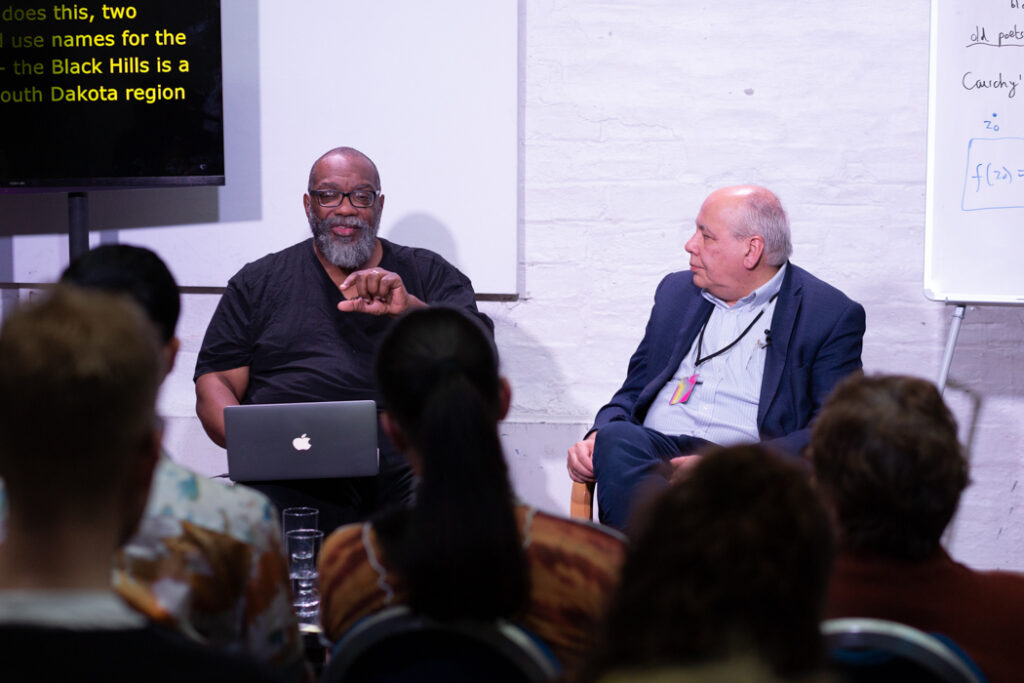
A back and forth between Fred and Fernando on the transits and obstructions between mathematics and poetics, and how both help us to think from the other side.
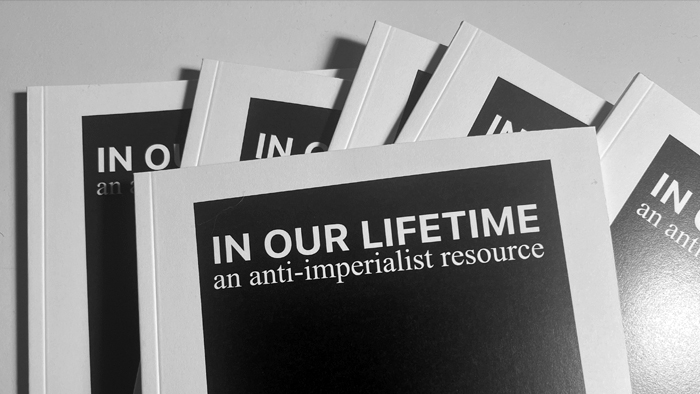
IN OUR LIFETIME, is an anti-imperialist resource, edited by Hussein Mitha, produced by Arika for Episode 11, featuring poetry, essays, questions, prompts, letters and works of anti-colonial imaginary.
If life is assaulted by power, where do we find spaces for living? A conversation with Peter Pál Pelbart.
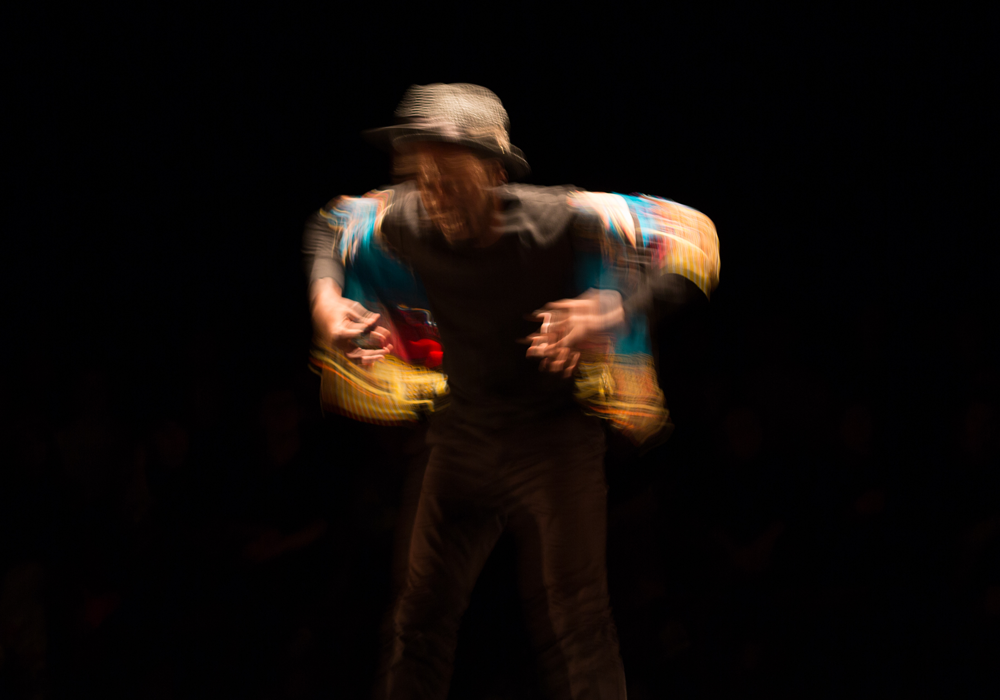
A performance by Storyboard P – one of the greatest Afrofuturist dancers on the planet.
A conversation between Philip and Moten: how do we read NourbeSe’s anti-narrative poetic lament in Glasgow today, given the city’s role in the history of slavery?