Issue Project Room, New York 05
Alan Licht Chris Corsano Jandek Loren Mazzacane Connors Matt Heyner
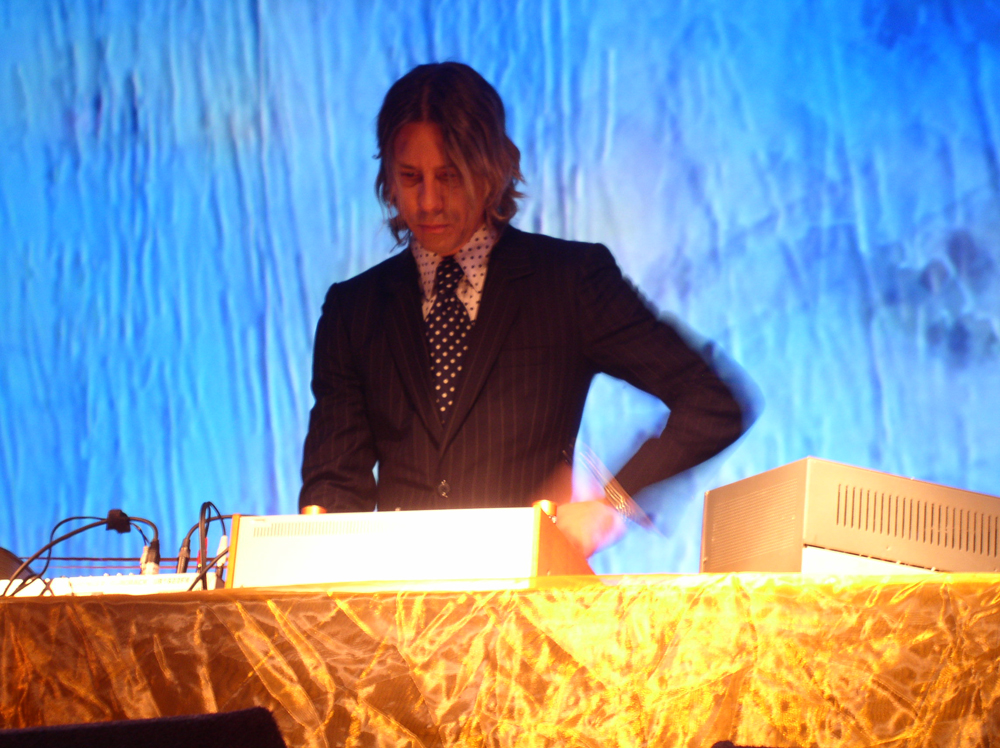
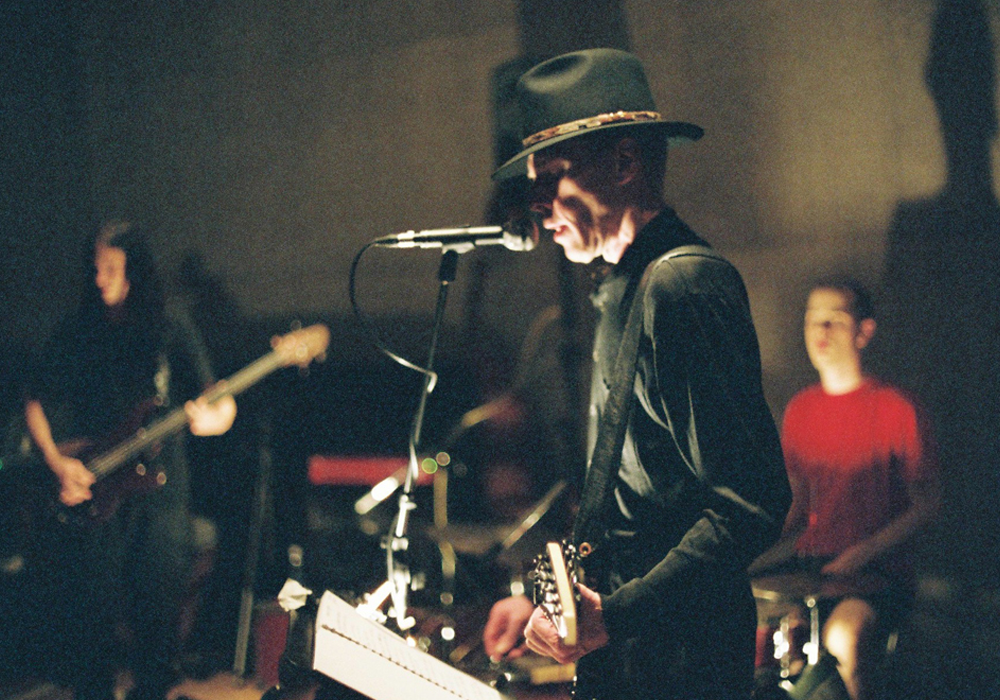
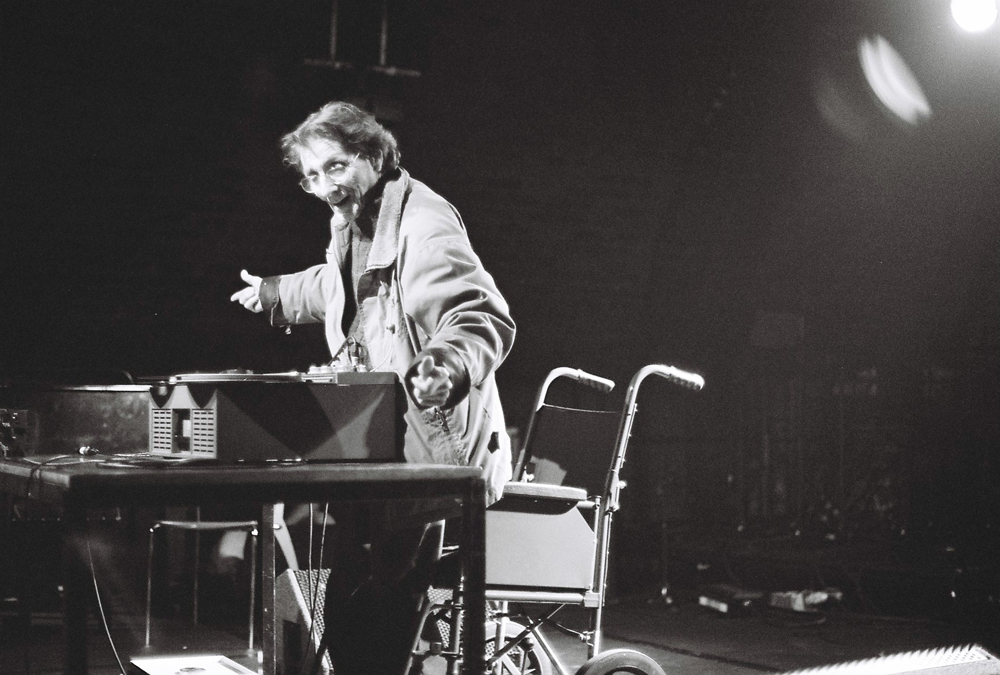
Performances at Anthology Film Archives by by Loren Mazzacane Connors, Alan Licht & Jandek.
Arika have been creating events since 2001. The Archive is space to share the documentation of our work, over 600 events from the past 20 years. Browse the archive by event, artists and collections, explore using theme pairs, or use the index for a comprehensive overview.
Performances at Anthology Film Archives by by Loren Mazzacane Connors, Alan Licht & Jandek.
Renouncing the bind of the written word, Chopin’s sound poetry is a magical evocation of the pure powers of the voices, stripped bare of language.
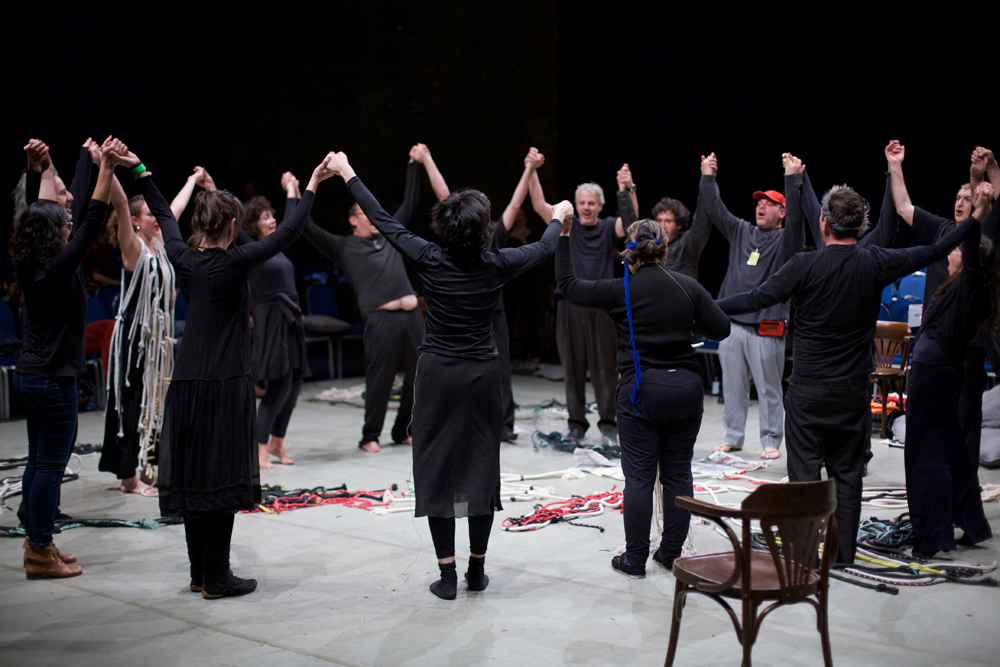
An open conversation around the history and practices of the Ueinzz Theatre Company – a radical Brazilian schizoscenic theatre company of carers, so-called psychotic patients and philosophers.
UNINSTAL was a set of events at Tramway that tested out radical ideas with leading local and international artists. A collection of events (performances, films, installations, walks and talks) about sound and listening.
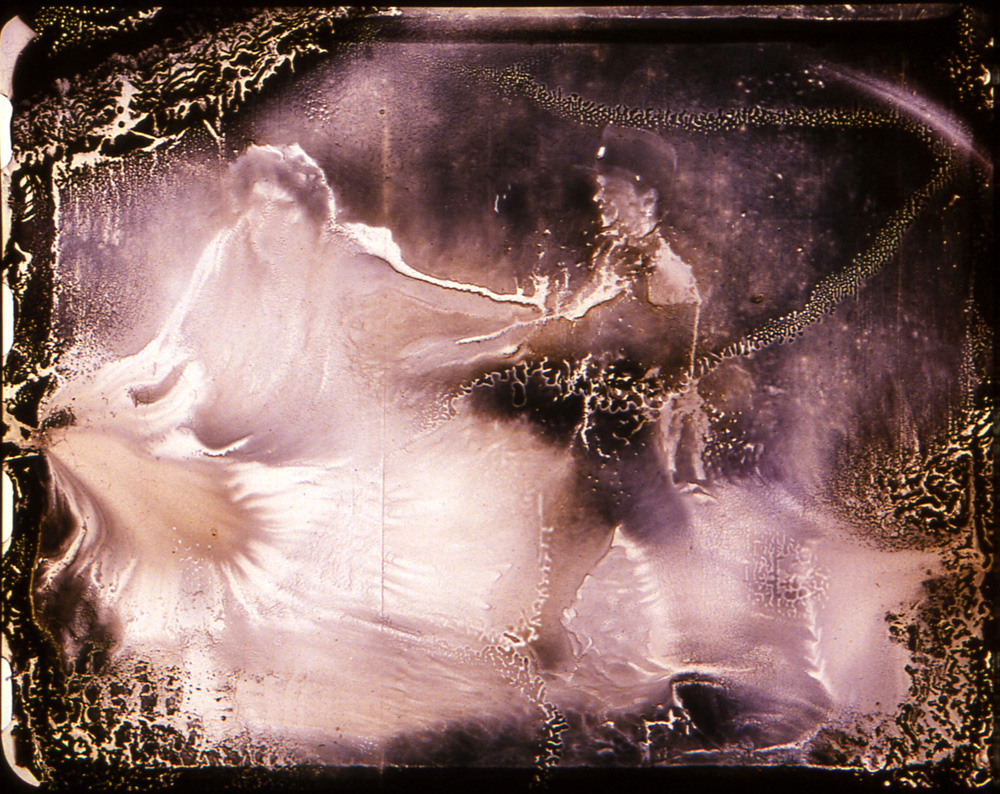
Each film in this programme celebrates process; the decay of emulsion, the properties of dust and dirt, the manipulation of time. Post the dawn of the digital age, we reflect on our love of the film form, celluloid as an object, a medium and a physical entity.
Sonic ‘observations’ of the world, through micro recordings on a tiny scale and transformed into something musically compelling.
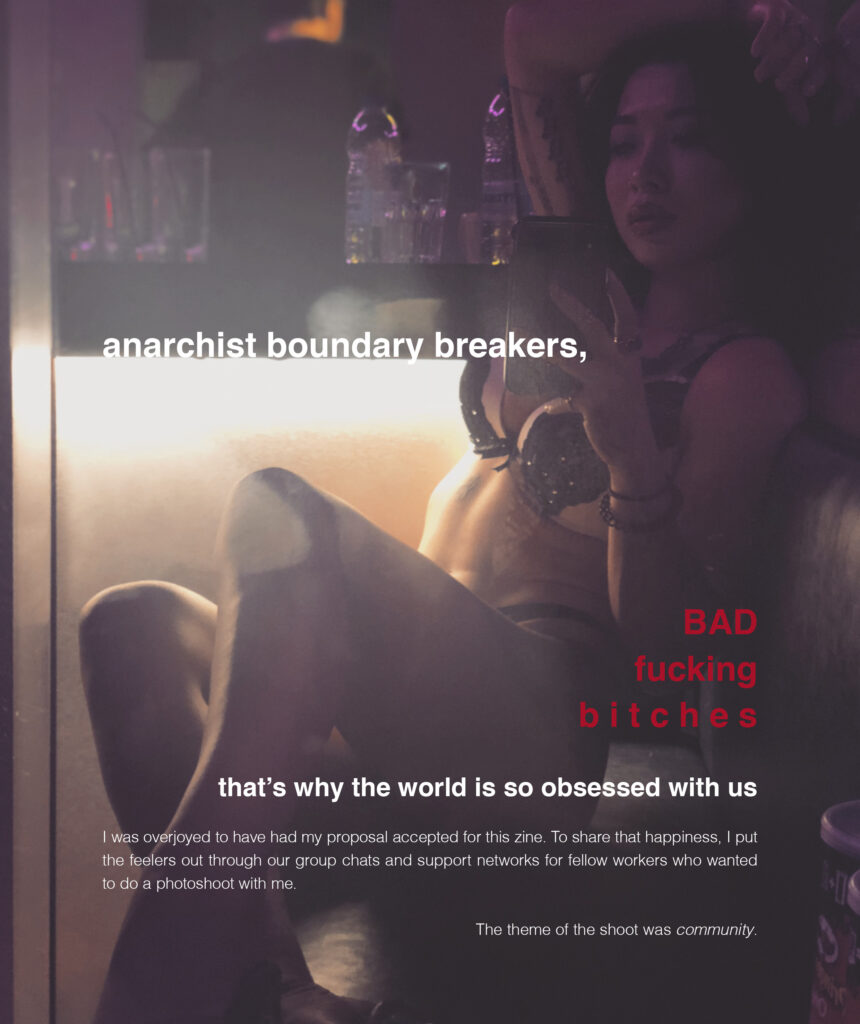
The Truth and Lies book project emerges as part of a rising tide of sex worker art and organised struggle to end criminalisation and stigmatisation of sex work.
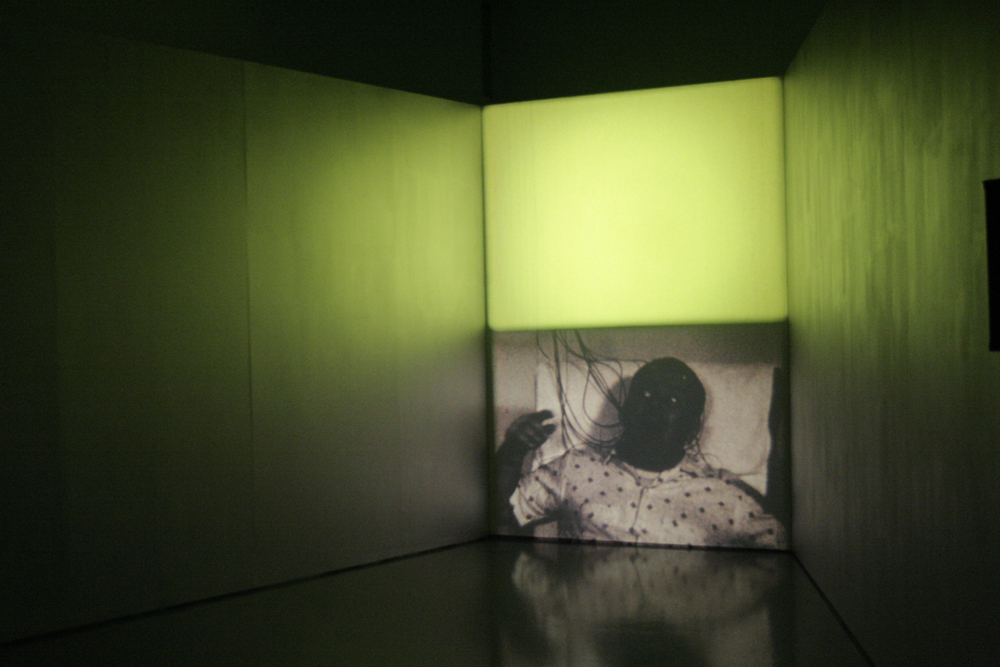
Paul Sharits one of the great experimental, sometimes called structuralist / materialist, filmmakers of the 20th Century.
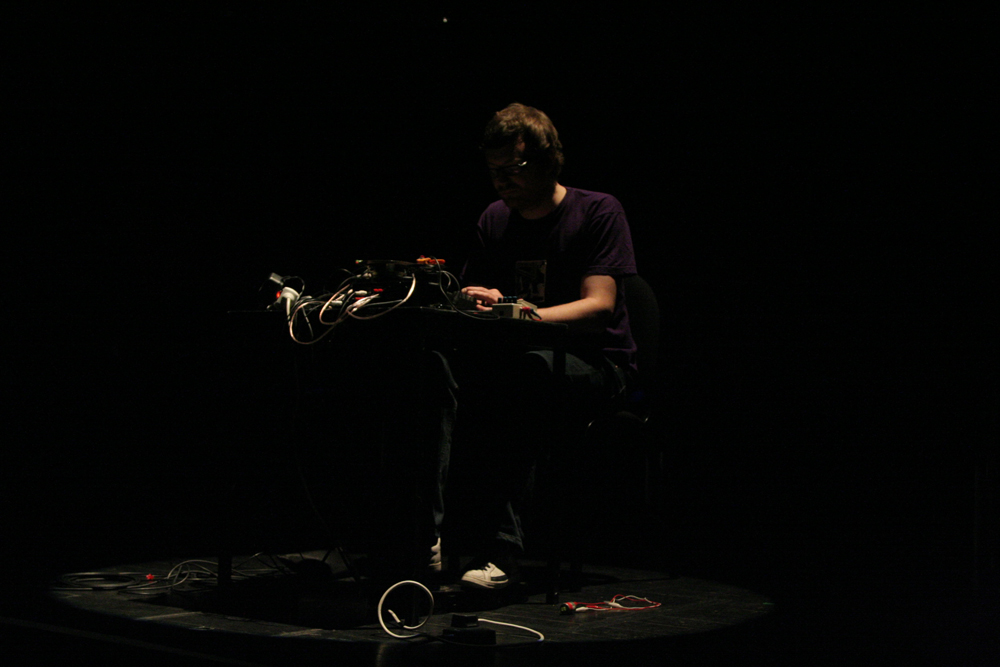
Solo by Jean-Philippe Gross, a French electro-acoustic improviser, working with mixing board, cheap mics, small speakers and an analog synth, built around a honed interest in feedback.
Final workshop exploring work, care and class. Does the ‘care industry’ summon forth its own class? Can this ‘affective class’, in their ability to care for others, militate against the carelessness of self-interest?
Improvising using nothing so much as the passage of time as his instrument, Basinski creates works of great melancholic depth and fragile beauty.
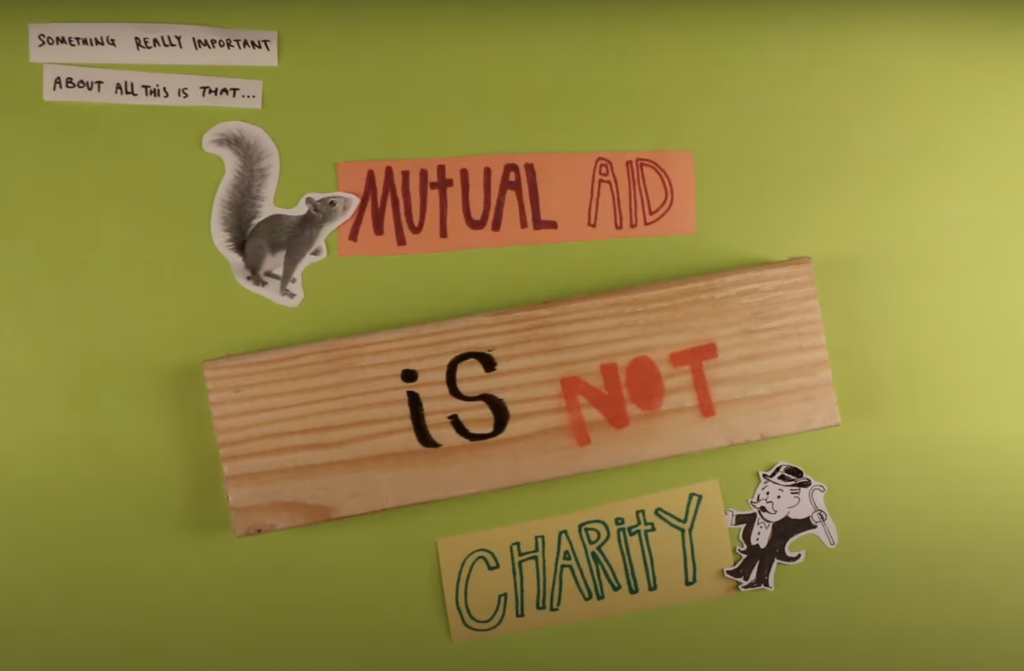
How do we make the connections between the mutual aid practices of our daily lives and anti-capitalist efforts to dismantle wider systems of exploitation?