Six Organs of Admittance
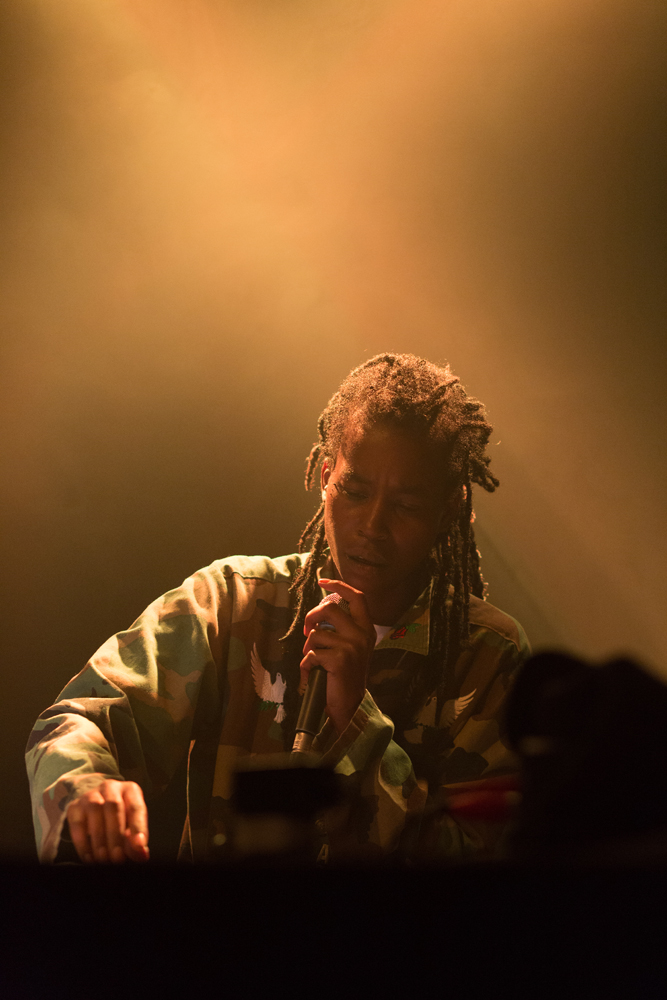
Pitching Fahey inspired, eastern-infused folk vibrations, sad elliptical drones and oracle chants into one kaleidoscopic sound.
Arika have been creating events since 2001. The Archive is space to share the documentation of our work, over 600 events from the past 20 years. Browse the archive by event, artists and collections, explore using theme pairs, or use the index for a comprehensive overview.
Pitching Fahey inspired, eastern-infused folk vibrations, sad elliptical drones and oracle chants into one kaleidoscopic sound.
Each organ is unique. The project is to find out what makes it unique.
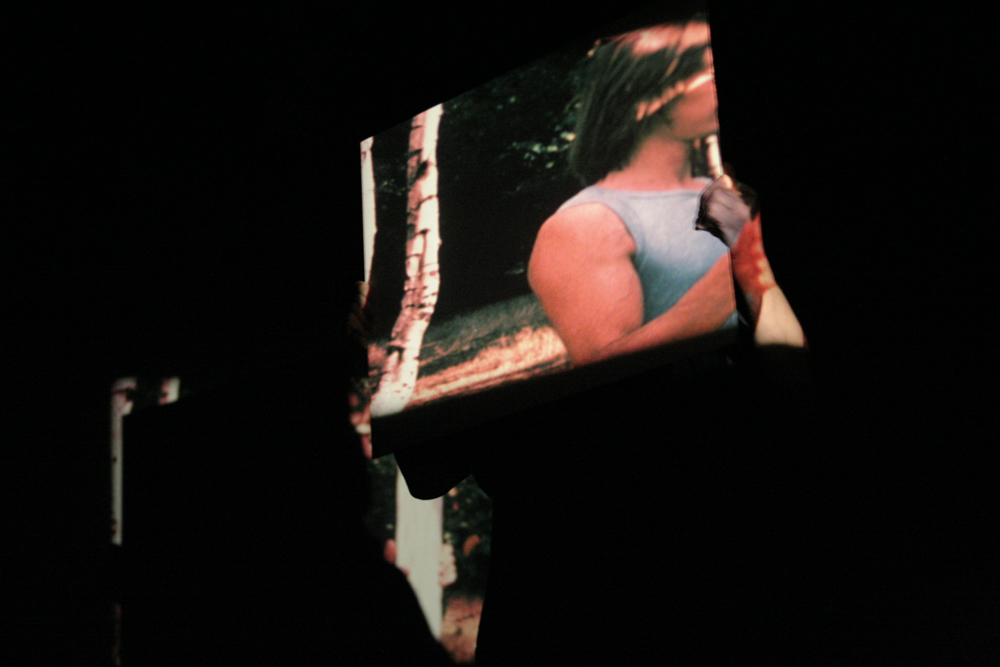
Killer of Sheep is an undisputed masterpiece of African-American filmmaking and one of the most poetic, perceptive dramas ever made about family and community.
A multi-media harp and spoken word tribute to the incalculable, the in-deducible, the suspicious static noise that accompanies the voice of truth, and the attempted aberrations in the domain of emergence.
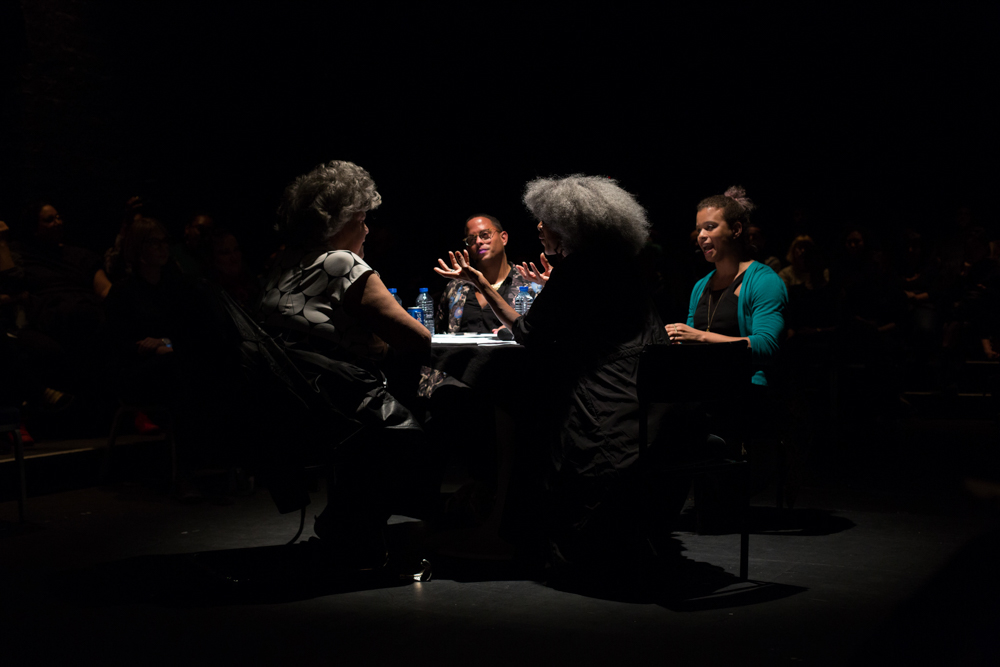
A freestyle performed conversation for bodies and voices – with the Queen of Krump, the master of Vogue Femme Dramatics and the rising star of Vogue Women’s Performance.
Fernando thinks that when maths is deep, it should be simple and able to be explained by hand gestures. By embodying ideas, we’re able to more clearly think about their cultural implications.
Craig will give a guided reading of his handbook of exemplary instances of literary listening and will be joined by one of the selected authors, Vanessa Place.
Jandek’s first ever live performance. Unannounced, the performance was a total surprise for everybody at the festival.
A conversation between Philip and Moten: how do we read NourbeSe’s anti-narrative poetic lament in Glasgow today, given the city’s role in the history of slavery?
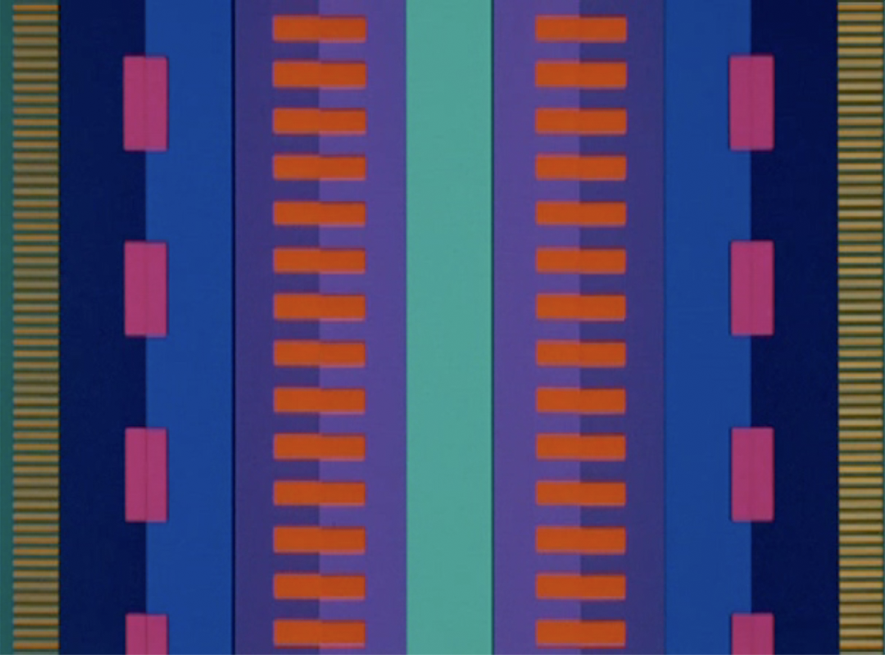
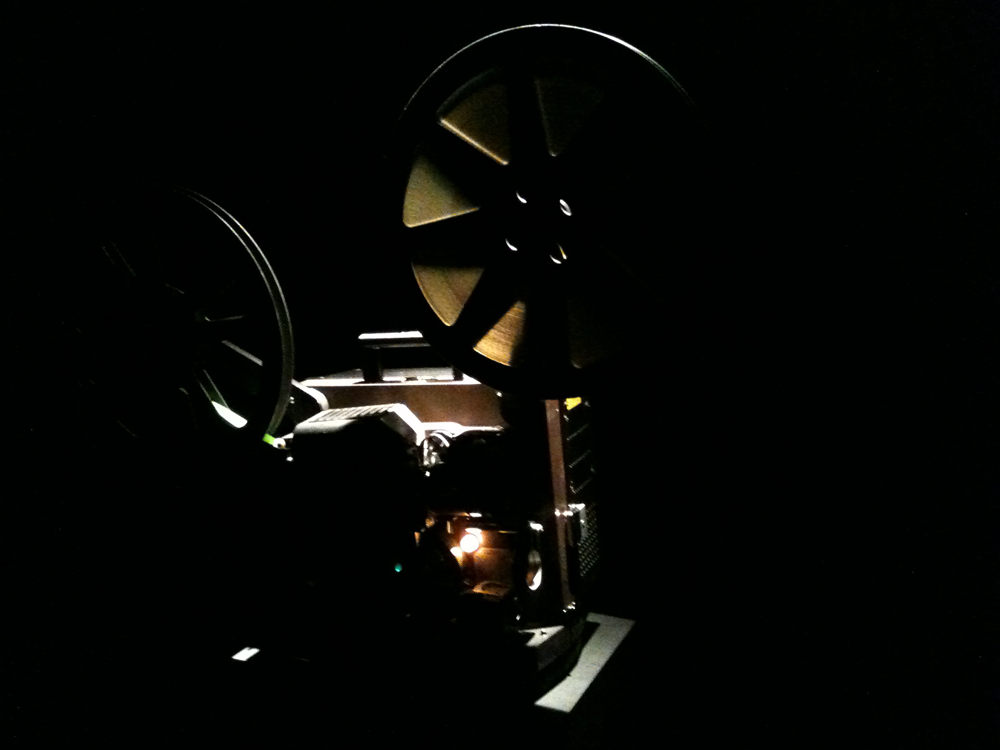
An original and beautifully simple performed installation forging a direct link between sound and image.
Four perspectives from people involved in different anti-capitalist and anti-racist struggles, considering how ideas of ‘ending’ have shaped their political thinking and praxis.
What is the radical concept at the core of ‘rhythm’, expanded from simply musical or mathematical notions to encompass personal, social, collective rhythms?