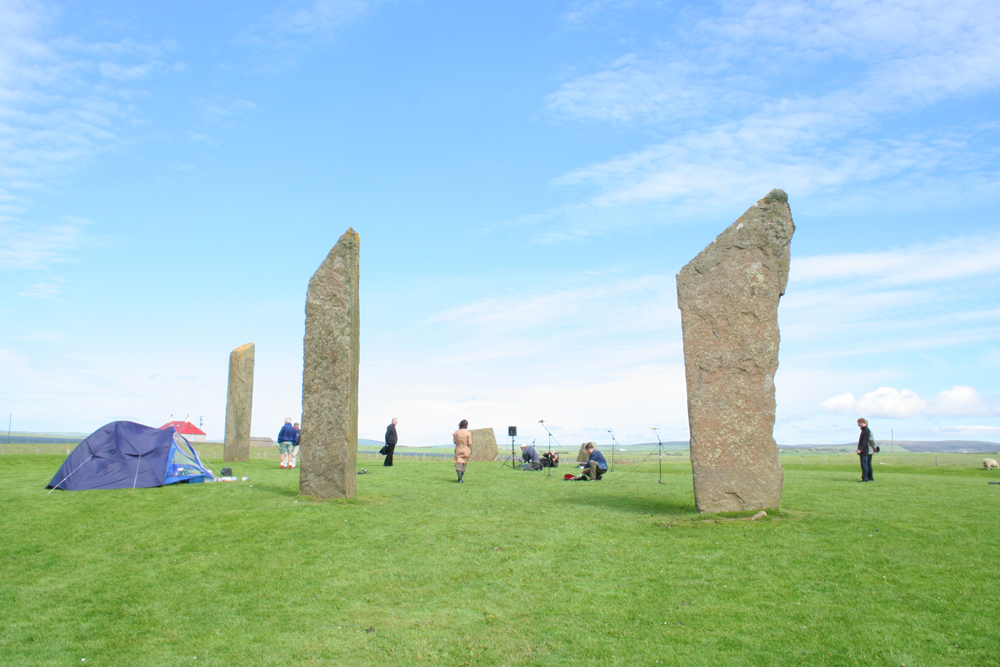
Stones of Stenness (Ring of Brodgar)
Akio Suzuki John Butcher
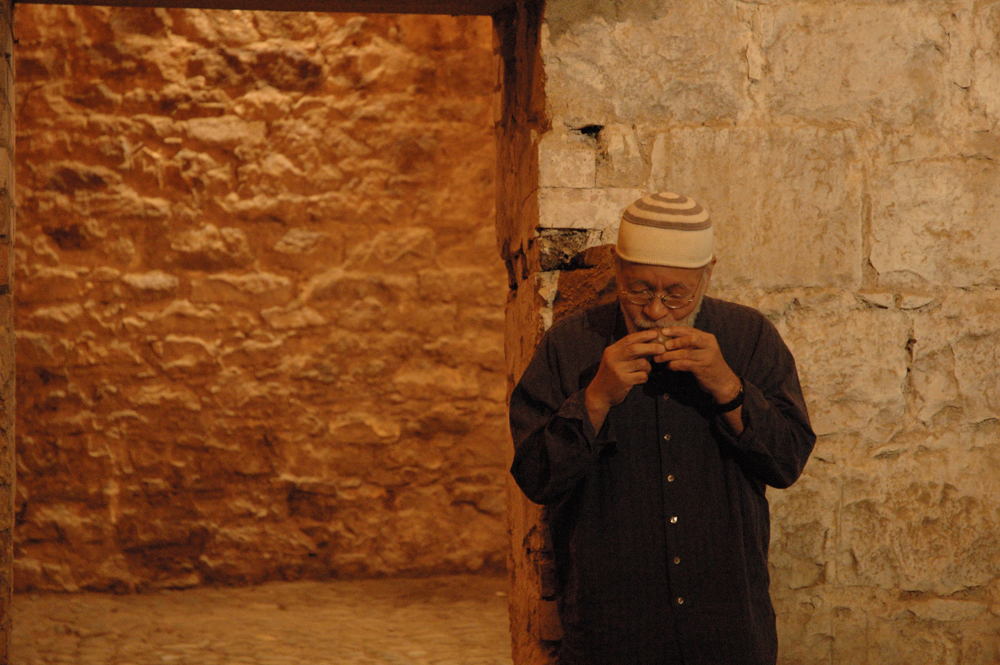
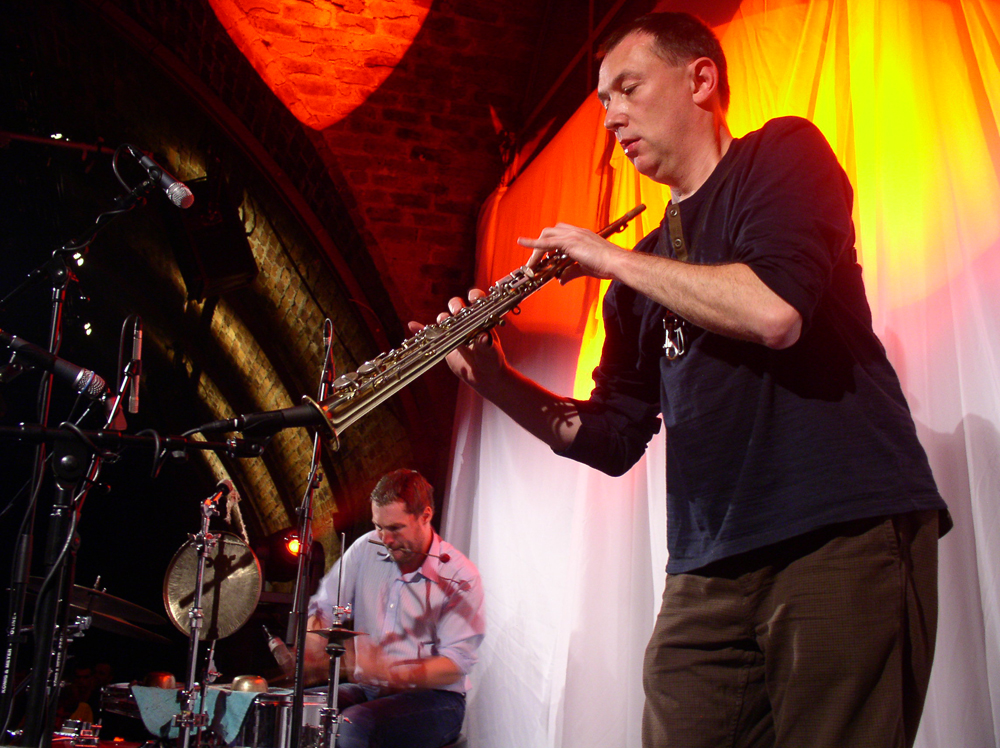
Akio Suzuki and John Butcher performing by the Stones of Stenness, instead of the Ring of Brodgar, because of bad weather.
Arika have been creating events since 2001. The Archive is space to share the documentation of our work, over 600 events from the past 20 years. Browse the archive by event, artists and collections, explore using theme pairs, or use the index for a comprehensive overview.
Akio Suzuki and John Butcher performing by the Stones of Stenness, instead of the Ring of Brodgar, because of bad weather.
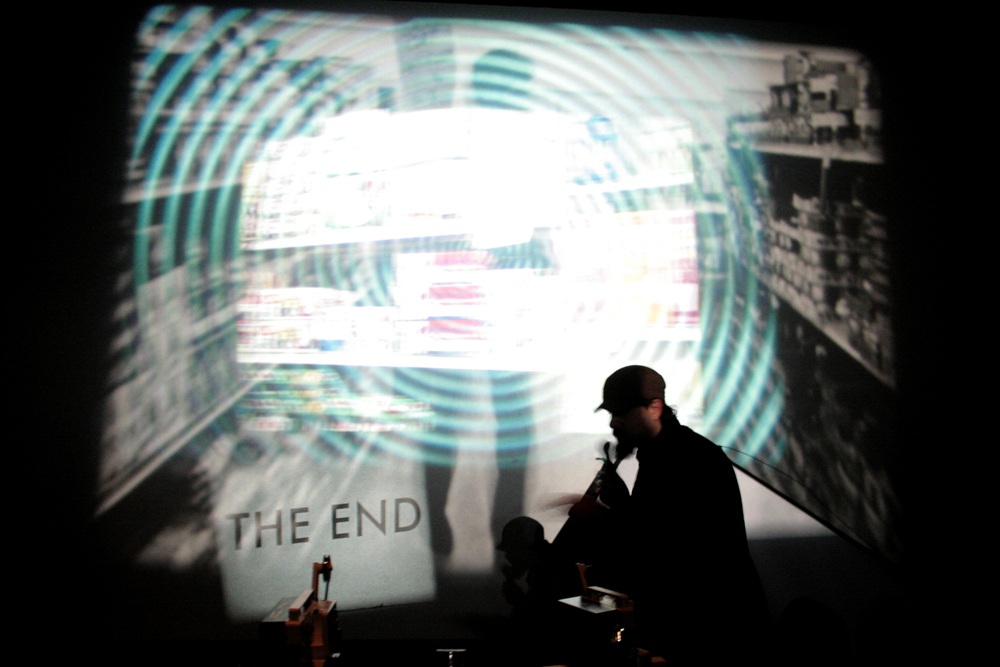
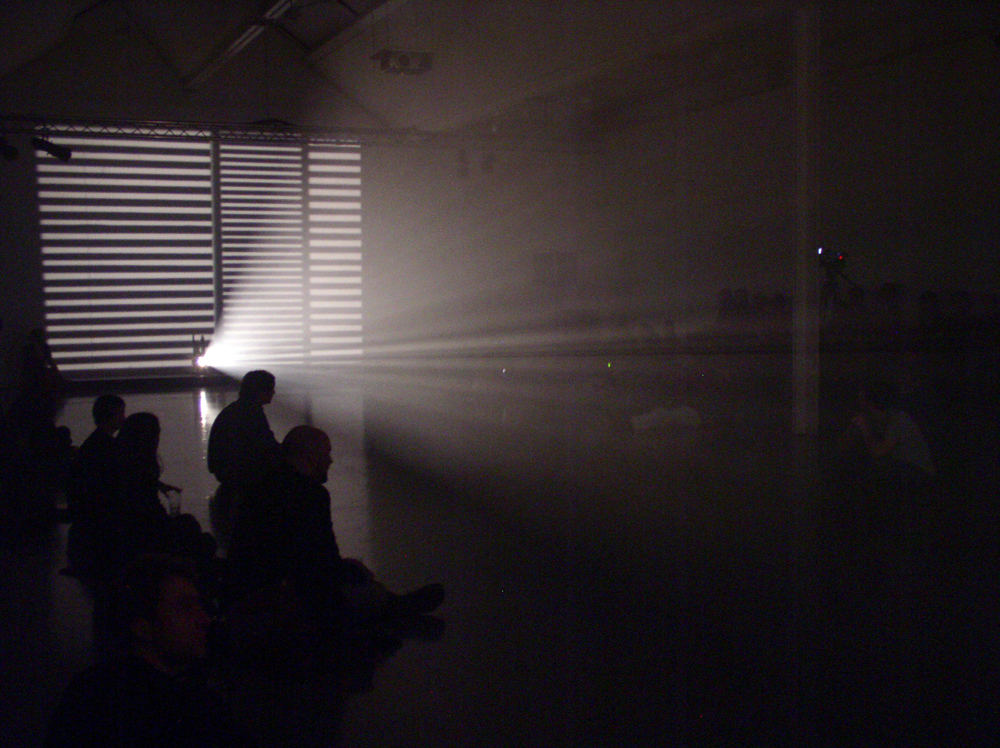
Quasi-theatrical multiple-projector pieces play with the relationship between performers, art and audiences.
Akio Suzuki and John Butcher performing in a large multi chambered industrial ice house.
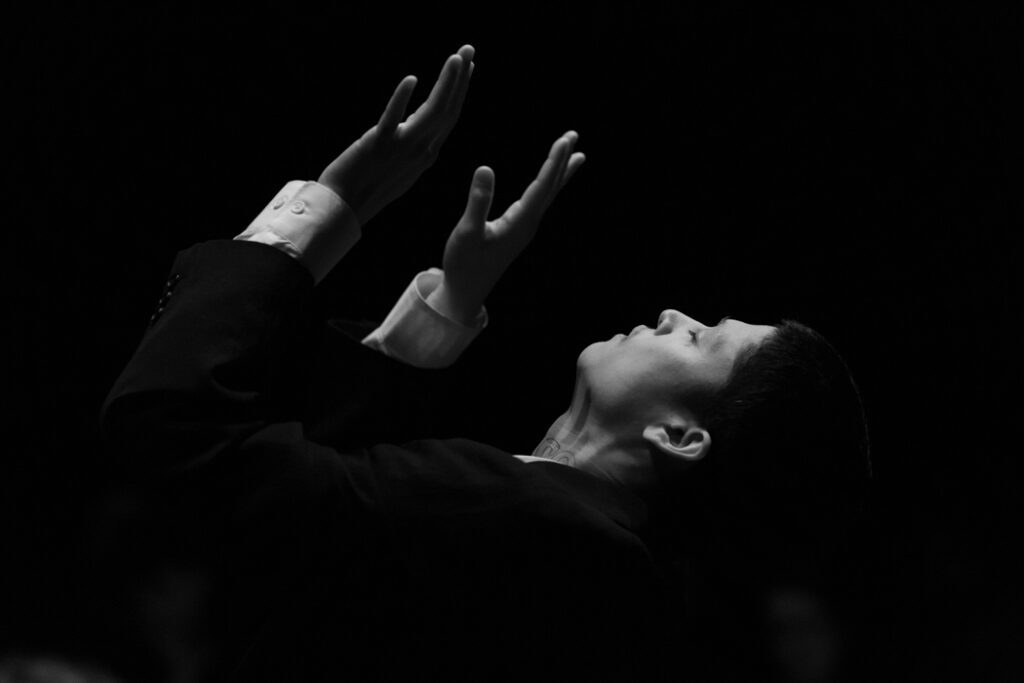
“Hidden in the hands an alluvial transcription of reach and embrace. The final flickers of the body’s expression, caress and touch.” – boychild
Originally billed as a duo of Ingar Zach and Derek Bailey, John Butcher stood in for Bailey at the last minute.
Light Music is a dizzying celebration of the pivotal nature of sound in film; a direct and powerful transcription of film as sound.
Watching films and chatting with Karrabing members about those films: as they attend to the memory and practice of the ancestral present and the ancestral catastrophe that Karrabing and their more-than-human world find themselves facing.
A panel exploring how to dismantle the master’s house — its material edifices and ideological architecture — and the construction of abolitionist futures in the present.
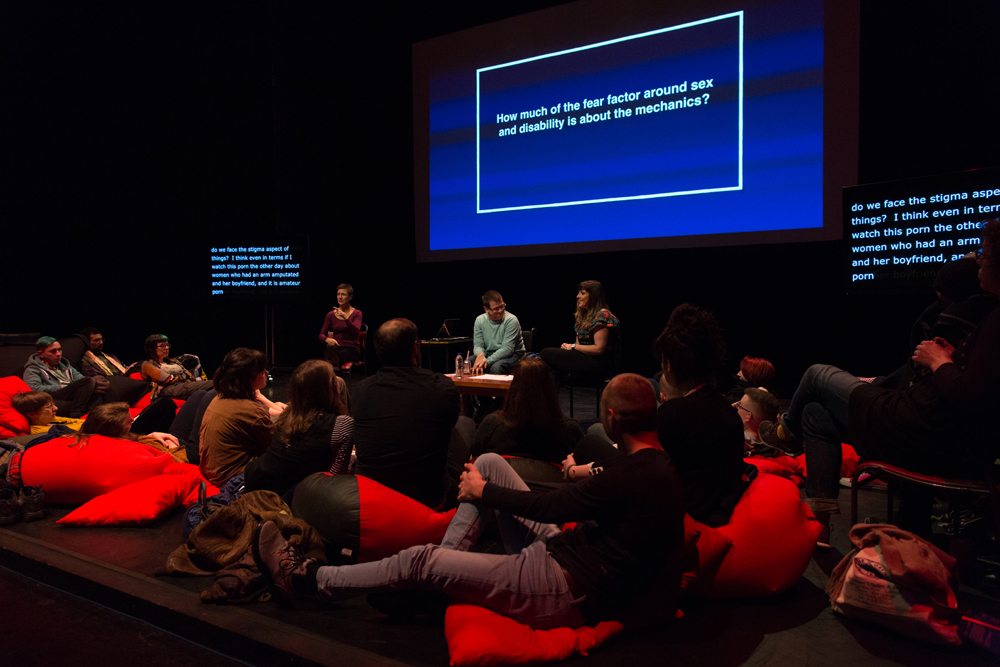
How do people living with disability see themselves in today’s sexualised culture? How do we imagine our crip sexual selves despite society wanting to reduce us to non-erotic bodies?
Work that focuses in on the static hiss and background noise of recording and pushes it to the fore.
A fully transcribed, described, and open-captioned film screening that’s nothing short of their actual open heart.
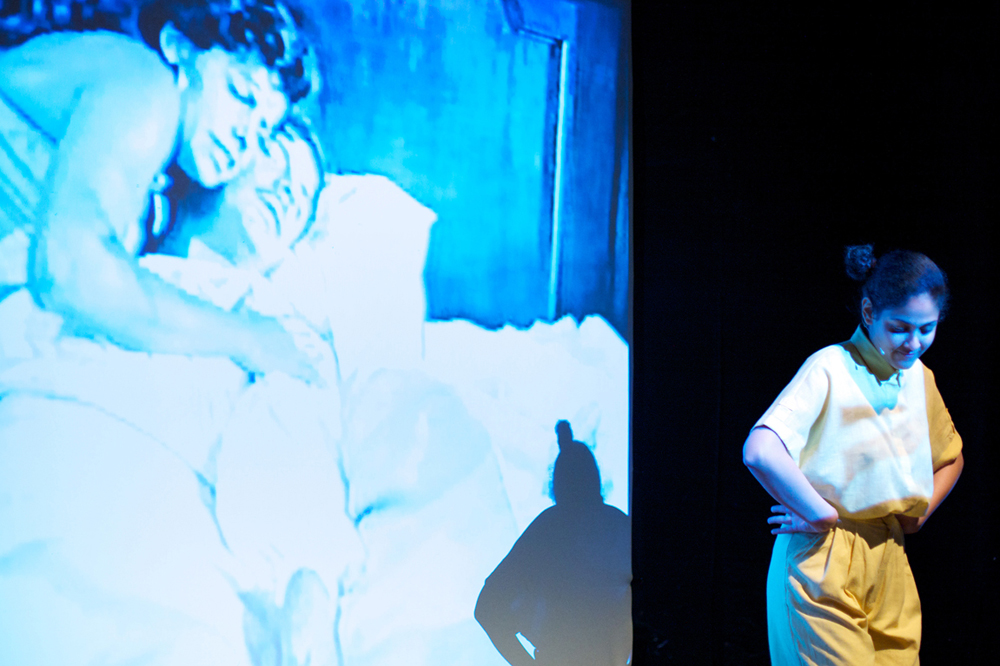
A performed film lecture exploring how the ‘Rumberas’ of Caribbean cinema of the 40’s and 50’s subverted demeaning images of themselves through dance, sound and a sociality that insisted on blackness as being a cultural performance, not simply due to skin colour.